
culture
Why Moroccan Heat Is Having Its Moment: The Spicy Tagines and Harissa Dishes We Can't Stop Making
From smoky harissa that blooms in hot oil to bright chermoula that makes fish sing, Moroccan spicy dishes build heat through layers instead of just burning your tongue. Here's why these techniques are taking over our dinner tables—and how to make them work in your kitchen.

Share this
Pass it around
Send this page to a friend, copy the link, or save it to a Pinterest board.

Save for later
Pin this page
Save the image with a link back to this recipe, review, or article.
Why Moroccan Heat Is Having Its Moment: The Spicy Tagines and Harissa Dishes We Can't Stop Making
Moroccan cooks figured out something essential about heat: it should invite people back to the table, not send them running for milk. While the internet obsesses over ghost pepper stunts and sauce challenges that seem designed to punish rather than pleasure, the most satisfying spicy dishes happening in real kitchens right now take their cues from Morocco's patient, layered approach to building warmth.
This isn't just about harissa, though that fermented chili paste has earned every bit of its current fame. It's about understanding how different types of heat—the fruity burn of dried chilies, the bright snap of fresh peppers, the gentle tingle of black pepper—can work together to create dishes that reveal new depths with every bite.
Harissa Beyond the Jar: Why Fresh Changes Everything
Most people know harissa from those little jars in the international aisle, and honestly, those work fine for a Tuesday night dinner. But once you've made harissa from whole dried chilies—toasted until they smell like chocolate and earth, then ground with garlic, coriander, and caraway—you understand why Moroccan grandmothers never bought the stuff in jars.
The revelation comes when you're making harissa-braised lamb shoulder. You bloom the paste in hot oil first, and suddenly your kitchen fills with an aroma that store-bought harissa just can't deliver. Those toasted chilies release oils that have been locked away in commercial processing, creating layers of heat that build gradually instead of slamming your palate all at once.
This slow-building approach makes harissa particularly brilliant for long braises and stews. When that paste hits hot oil and transforms from thick paste to fragrant coating, it penetrates every piece of meat and vegetable with smoky complexity that gets better the longer it cooks.
Here's what I love about working with harissa: you control the heat level without losing the essential character. Start with more mild dried chilies and fewer hot ones when you're cooking for the spice-shy. The magic comes from the technique and spice blend, not from proving anyone's tolerance.
Chermoula's Fresh Fire: When Herbs Meet Heat
While harissa dominates the conversation, chermoula deserves equal attention for a completely different reason. This vibrant sauce builds its heat from fresh chilies—serrano or jalapeño work beautifully—combined with generous handfuls of cilantro, parsley, and the bright tang of preserved lemons.
Chermoula and harissa work like opposite sides of the same coin. Where harissa develops its depth through cooking time, chermoula delivers immediate brightness that wakes up everything it touches. The fresh chilies provide clean heat that lifts rather than masks other flavors—exactly what you want when you're dealing with delicate fish.
The technique here matters more than you might think. Pounding chermoula by hand in a mortar and pestle creates a texture that no food processor can match—not smooth, but unified, so every spoonful delivers the right balance of heat, herbs, and acid. That physical pounding also releases aromatic oils that mechanical chopping leaves behind.
Try chermoula-marinated fish grilled until the edges char slightly. The fresh chili heat plays beautifully against that smoky char while the herbs keep everything bright and inviting. It's the kind of heat that makes you immediately want another bite.
The Tagine Method: Heat That Builds in Steam and Time
Tagine cooking might be the most sophisticated approach to integrating heat into a dish that I know. That conical clay pot isn't just pretty—it creates a specific environment where steam circulates, concentrating flavors while mellowing the aggressive edges of spices through hours of gentle cooking.
Spicy lamb and apricot tagine shows this technique at its finest. The heat comes from everywhere: harissa rubbed into the meat before browning, whole dried chilies simmering in the braising liquid, a touch of cayenne bloomed with the onions early on. Each contributes something different to the final dish.
What happens during that long, slow cooking process feels almost magical. The harissa's sharp edges mellow into deep warmth. Those whole dried chilies release their heat gradually, building complexity without overwhelming anything. The cayenne, which would taste harsh if added at the end, becomes part of the dish's foundation.
The steam circulation means volatile compounds from chilies and spices get concentrated and redistributed throughout the cooking. Every piece of meat, every vegetable absorbs these layered flavors in a way that's impossible with other methods.
Don't have a tagine? A heavy Dutch oven with a tight lid gets you most of the way there, though you'll miss some of that special steam circulation that makes the clay pot irreplaceable.
Why This Approach Feels So Right Now
Moroccan heat offers exactly what feels missing from so much spicy food these days: complexity without showing off, heat that serves the dish instead of dominating it, techniques that work when you're cooking for other people rather than just proving your own tolerance.
These dishes also adapt beautifully to different heat preferences around the table. The building blocks—harissa, chermoula, spice blends—can be dialed up or down while keeping their essential character intact. Mild harissa still tastes distinctly like harissa; it just doesn't burn as much.
The ingredients have gotten much easier to find too. You might not stumble across authentic North African chilies at your local market, but the techniques work beautifully with what's available:
- Dried New Mexico or guajillo chilies make excellent harissa
- Serrano or jalapeño peppers work perfectly in chermoula
- Cumin, coriander, and caraway provide that essential aromatic foundation
- Preserved lemons add the tangy brightness that makes everything sing (though the dishes work without them)
Moroccan heat isn't about suffering through burn for bragging rights—it's about creating dishes where spice makes every other element taste more like itself. The lamb becomes more lamb-like, vegetables taste more vibrant, and heat provides the thread that weaves all those flavors into something greater than any individual component.
This is heat with intention, applied with technique, designed to bring people closer to the table rather than send them away. In a food culture that often mistakes extreme for interesting, that feels like exactly the kind of cooking worth learning.
Peppers featured in this post
Cook with this idea
Recipes to try next.
Put these ingredients and techniques to use in your next meal.
moroccan · medium
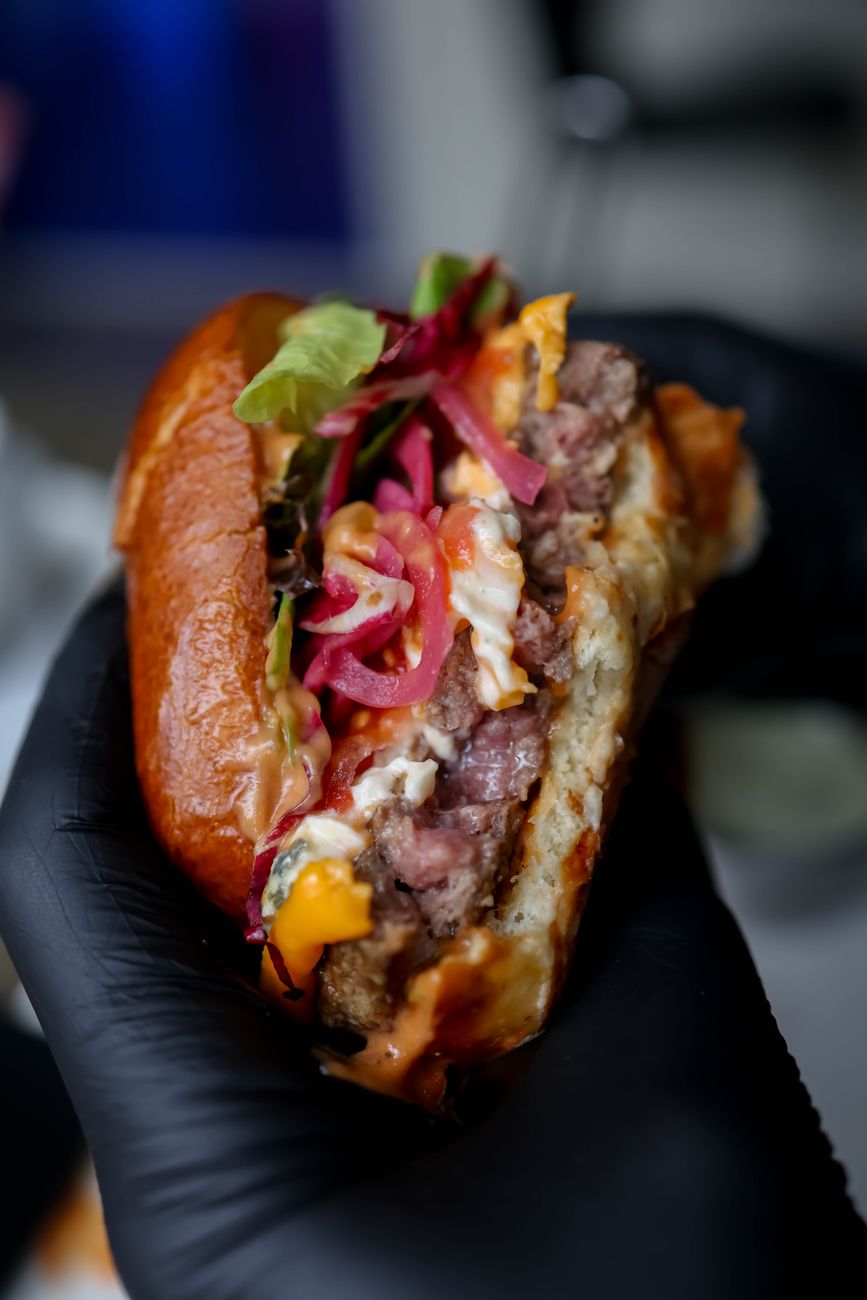
May 31, 2026Moroccan Lamb Burgers with Harissa Mayo and Preserved Lemon
Ground lamb patties seasoned with warming spices and medium-heat harissa, served on brioche with cooling harissa mayo and tangy preserved lemon 32 min · 0 saves.
moroccan · mild
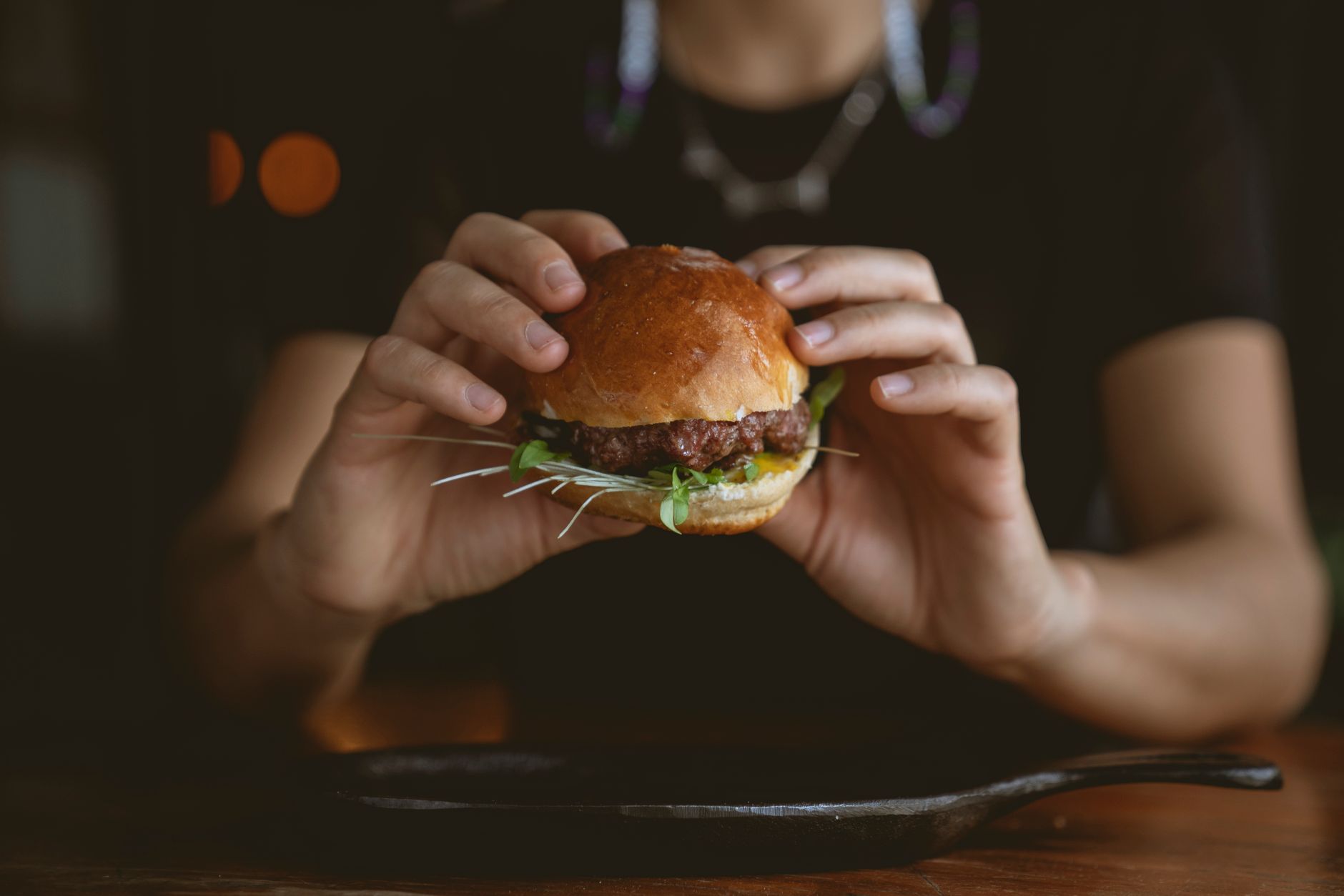
Jun 14, 2026Moroccan Lamb Burgers with Harissa Yogurt and Mint
Juicy ground lamb patties warmed with cumin, coriander, and a gentle touch of harissa, served on soft brioche with cooling yogurt sauce and bright mint leaves. 35 min · 0 saves.

moroccan · mild
May 22, 2026Moroccan Chicken Wings with Harissa Honey Glaze
Tender chicken wings glazed with a gentle harissa-honey mixture, perfumed with warm Moroccan spices and finished with fresh herbs. 60 min · 0 saves.
Bottle picks
Related hot sauce reviews.
Explore sauces with related ingredients, flavors, and heat levels.
Fly By Jing Sichuan Gold Review
A citrusy, tingly sauce with real peppercorn presence and enough versatility to move beyond dumplings.
Best for dumplings
Best for: Eggs and breakfast tacos
Skip if: Skip if you want a thick, smoky wing sauce more than a bright finishing bottle.
Read review
Mike's Hot Honey Review
Sweet heat done right: sticky, quick, and versatile enough to become a finishing move instead of a novelty.
Best for gifting
Best for: Pizza and fried chicken
Skip if: Skip if you want a classic vinegar-forward table sauce with almost no sweetness.
Read review
Heatonist Los Calientes Rojo Review
Heatonist Los Calientes Rojo: flavor notes, heat level, and suggested food pairings.
Best for tacos
Best for: Tacos and rice bowls
Skip if: Skip if you are chasing a novelty-level heat hit or a super-special-occasion bottle.
Read review
Go deeper
Background guides that build on this.
Keep reading
More on this subject.
If this post helped, these are the next pieces most likely to keep the thread going.
culture
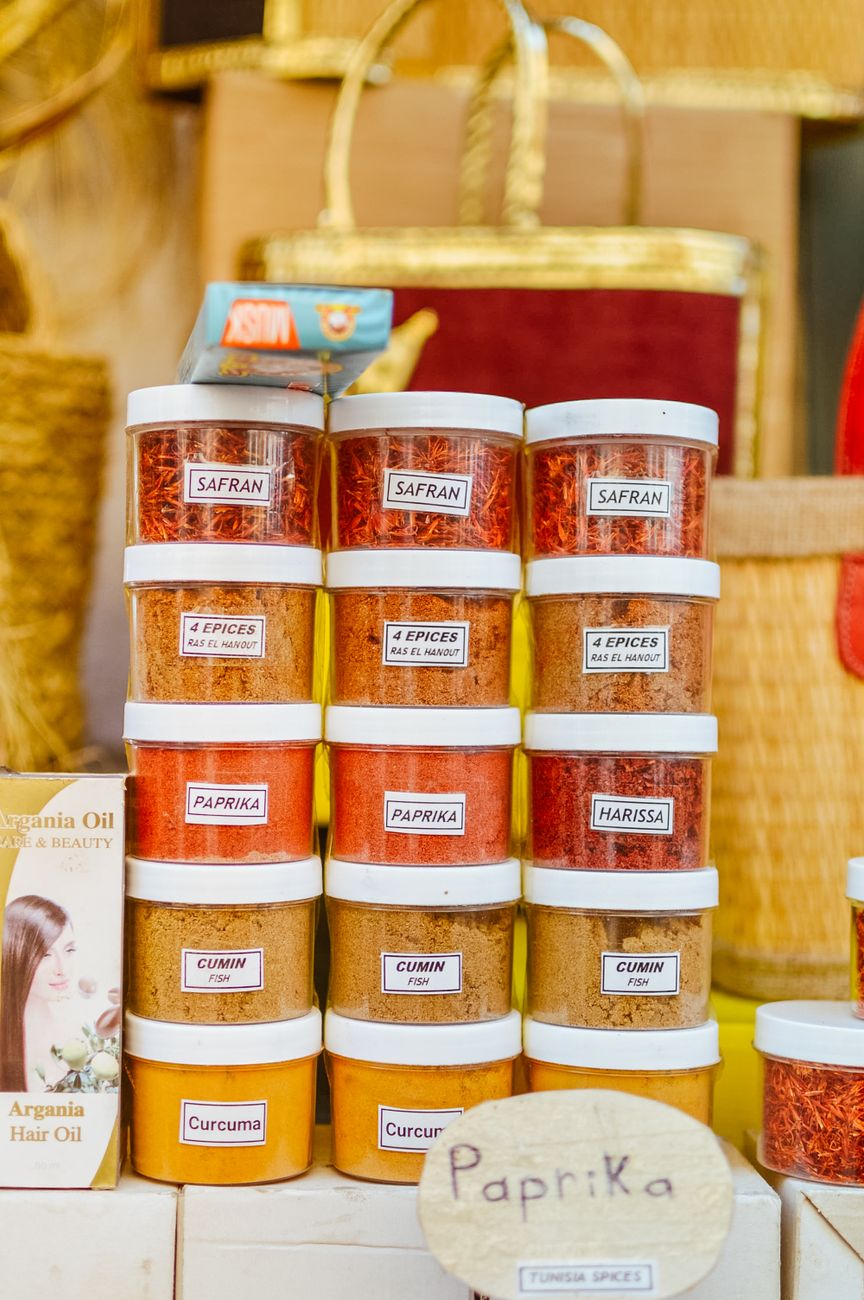
May 26, 2026Three Moroccan Spice Routes That Will Change How You Think About Heat
The heat in Moroccan cooking doesn't slap you in the face—it draws you in with layers of warmth that make every bite more interesting than the last. Here's how three essential spice traditions create some of the world's most irresistible heat.
culture
Apr 15, 2026Three Moroccan Heat Styles That Deserve Your Attention Right Now
From harissa's smoky embrace to the bright fire of chermoula, these Moroccan heat styles understand something most spicy cuisines miss—complexity matters more than burn.
culture
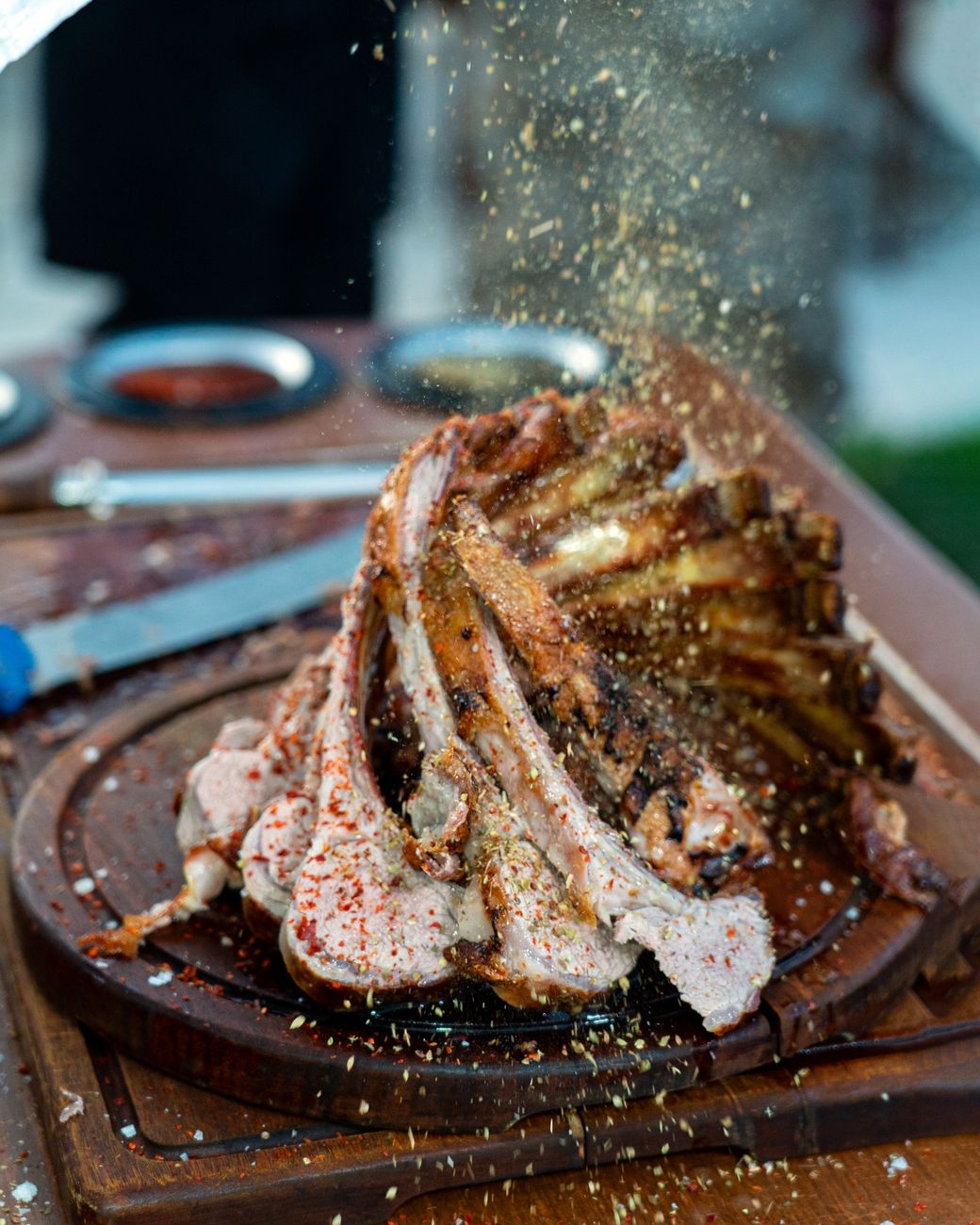
Apr 15, 2026Beyond Harissa: Morocco's Most Craveable Spicy Dishes Taking Over Tables
From slow-roasted mechoui with chile rubs to underground-cooked tangia, these are the spicy Moroccan dishes that understand heat as an art form—complex, layered, and completely irresistible.
Comments
Reader discussion is shared across recipes, reviews, and editorial pieces.
Comments are read-only while member sign-in is paused.