
culture
Beyond Harissa: Morocco's Most Craveable Spicy Dishes Taking Over Tables
From slow-roasted mechoui with chile rubs to underground-cooked tangia, these are the spicy Moroccan dishes that understand heat as an art form—complex, layered, and completely irresistible.
Share this
Pass it around
Send this page to a friend, copy the link, or save it to a Pinterest board.

Save for later
Pin this page
Save the image with a link back to this recipe, review, or article.
Beyond Harissa: Morocco's Most Craveable Spicy Dishes Taking Over Tables
There's something Moroccan cooks know about heat that the rest of us are still learning: the best spicy food doesn't assault you—it seduces you. These dishes don't exist to prove your heat tolerance or win some imaginary pepper contest. They're built to make you hungry, then satisfied, then mysteriously hungry again.
Sure, harissa gets all the press as Morocco's spicy superstar, but that's just scratching the surface. Travel from the Atlas Mountains down to the coast, and you'll find cooks who've spent generations perfecting the art of heat that actually enhances everything else on the plate. This isn't about adding fire for fire's sake—it's about using chiles the way a painter uses red, to make all the other colors more vivid.
What emerges is food that feels both timeless and completely alive. The kind of dishes that make you lean forward at the table, trying to decode exactly what's making your mouth so happy even as it tingles.
Mechoui with Spiced Chile Rubs
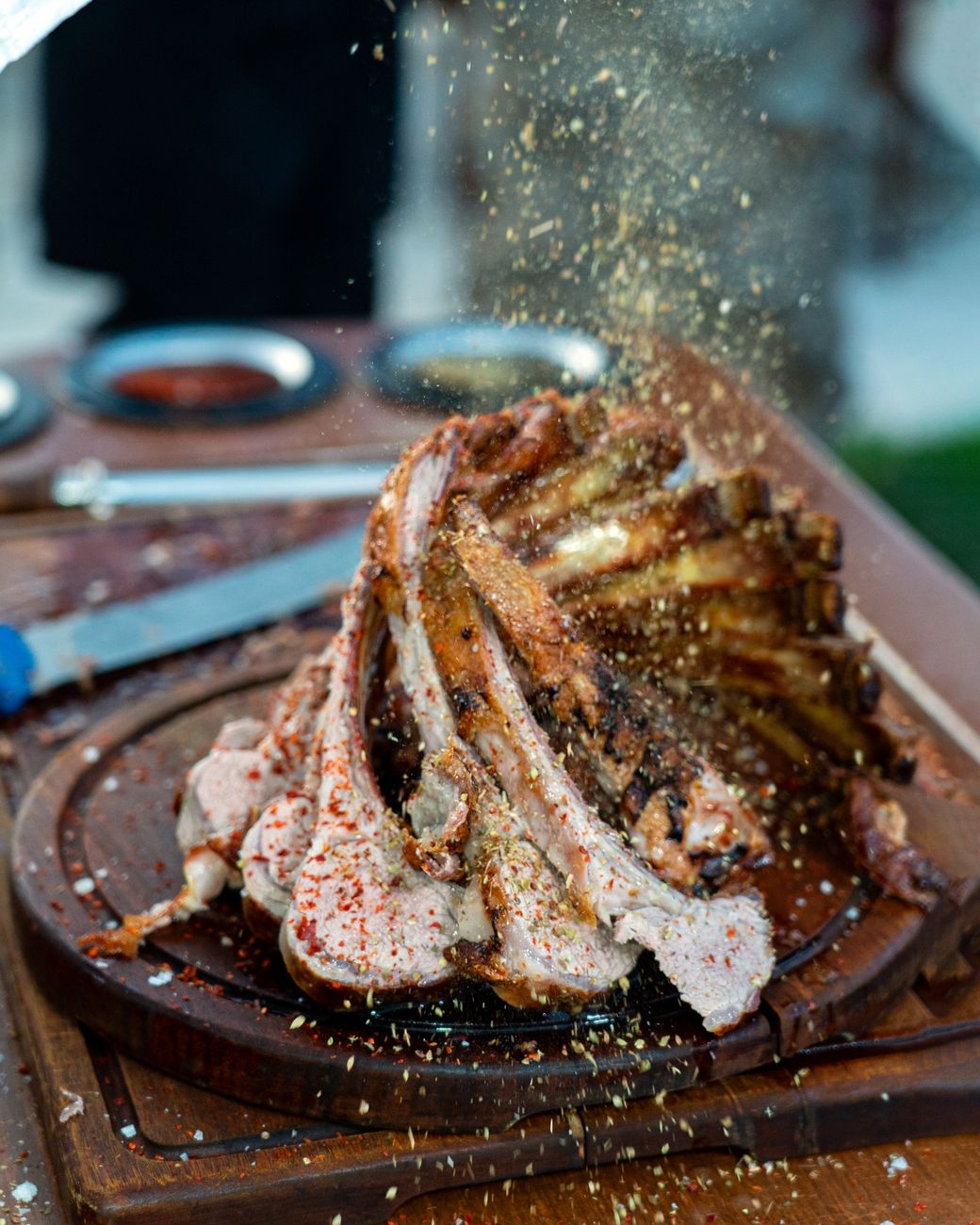
Mechoui is what happens when Moroccan cooks take barbecue seriously—and I mean seriously. This isn't weekend grilling; this is lamb or goat buried in underground pits, emerging hours later with a crust that crackles and meat that surrenders to your fork.
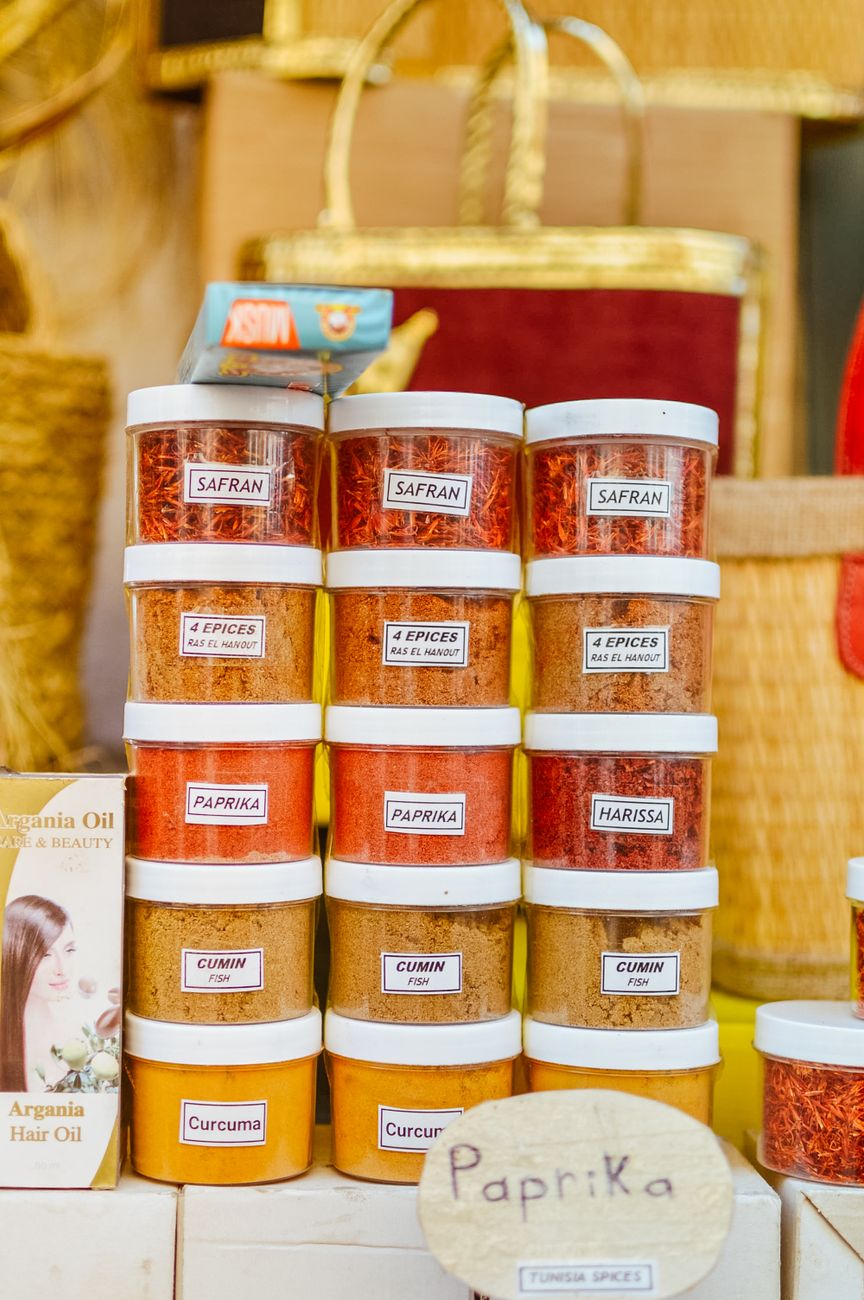
The magic happens in the rub. Dried chiles get ground with ras el hanout, cumin, and preserved lemon zest, creating a paste that doesn't just sit on the surface—it penetrates. As the meat cooks low and slow, that chile heat mingles with the fat and smoke, building layers that reveal themselves bite by bite. First the aromatics hit, then the warmth builds, followed by that deep, primal satisfaction that only properly cooked meat can deliver.
Most home cooks have figured out how to adapt this for regular ovens, and honestly? It works beautifully. The essential elements remain:
- A mix of dried red chiles (combining mild and hot varieties is key)
- Black pepper and long pepper for complexity
- Fresh ginger and turmeric for warmth
- Preserved lemon zest for that fermented tang
- Good sea salt to tie it all together
The heat lands somewhere between medium and hot, but it's the kind of heat that feels earned, not applied. Every bit of spice has had time to settle into the meat, creating fire that feels like it belongs there.
Tangia: The Underground Heat Chamber
If mechoui is Moroccan barbecue, tangia is Moroccan genius. Picture this: you pack chunks of beef or lamb into a narrow clay pot with preserved lemons and carefully measured hot peppers, seal it up, and bury it in the embers of public bath furnaces. Hours later, you dig up what might be the most intensely flavored stew on earth.
That clay pot becomes a pressure cooker and flavor concentrator rolled into one. The sealed environment traps every bit of steam and intensifies the chile heat while the long, underground cooking mellows everything into harmony. What you get is meat that falls apart if you look at it wrong, swimming in a sauce that builds warmth without overwhelming anything.
The traditional blend uses both dried chiles and fresh hot peppers—a combination that hits you immediately, then keeps building. It's comfort food with a serious edge, the kind of dish that makes you understand why people get obsessed with regional cooking techniques.
Plenty of home cooks have started adapting tangia for slow cookers and Dutch ovens. The purists will tell you it's not the same without the clay and wood fire, and they're probably right. But even the adapted versions capture what makes tangia irresistible: that deep, developed heat that only comes from time and patience.
Spicy Tagines: Beyond the Tourist Version
Here's what most of us don't know about tagines: the versions served in Moroccan restaurants outside Morocco are often the mild, fruit-heavy interpretations designed for international palates. Travel to the southern regions or mountain areas, and you'll encounter tagines that will recalibrate your understanding of Moroccan heat.
These aren't built around a single chile variety—they layer heat sources like a jazz musician layers melodies. Dried chiles in the base, fresh hot peppers added during cooking, and a final flourish of chile-spiked preserved lemons or pickled vegetables. Each heat source contributes something different to the final flavor.
The southern tradition particularly excels at the sweet-heat dance. Souss region tagines will pair fiery chiles with dates, creating combinations that shouldn't work but absolutely do. The slow tagine cooking method gives these contrasting elements time to find each other, mellowing into something that delivers excitement without punishment.
Take a proper spicy chicken tagine with olives and preserved lemons. The heat builds from cayenne, fresh chiles, and black pepper, while those fermented preserved lemons add a complexity that makes the chile heat more interesting, not just more intense. You're looking at medium-to-hot territory, but with enough balance that everyone at the table can find their comfort zone.
The Heat Philosophy
What sets Moroccan spicy food apart is the underlying philosophy: heat should enhance, not dominate. Chilean peppers are treated as supporting players in a larger ensemble, not the star of the show.
This creates food that works for real families with mixed heat tolerances. The burn builds gradually and gets tempered by cooling elements—yogurt, fresh herbs, the natural sweetness in vegetables and preserved fruits. Even the spiciest dishes come with built-in escape routes.
Then there's the fermentation factor. Preserved lemons, aged chile pastes, pickled hot peppers—these techniques transform raw chile heat into something more sophisticated and less aggressive. You get heat with umami, fire with funk, intensity that enhances rather than competes.
The best part? Moroccan restaurants outside Morocco are finally catching on, moving beyond those mild, tourist-friendly tagines to showcase the real depth of the country's spicy cooking. Which means more of us get to experience heat that makes you reach for another bite, not another glass of water.
Peppers featured in this post
Cook with this idea
Recipes to try next.
Put these ingredients and techniques to use in your next meal.
moroccan · inferno
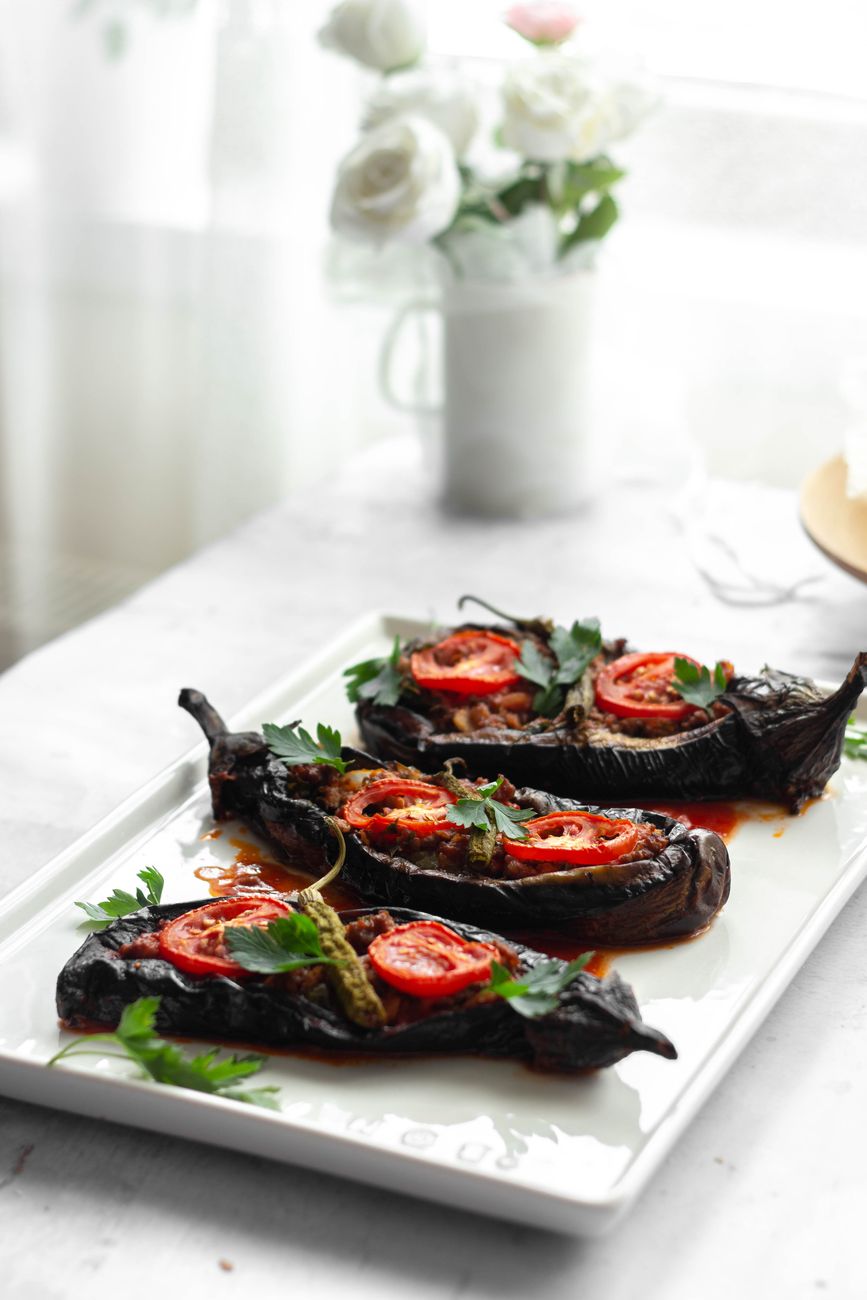
Jun 12, 2026Scorched Earth Harissa Stuffed Eggplant
Silky roasted eggplants filled with a searingly hot harissa-spiked rice pilaf studded with 7-pot chilies, toasted almonds, and tangy preserved lemon—a vegetarian showstopper that brings serious fire to the family table. 135 min · 0 saves.
moroccan · medium
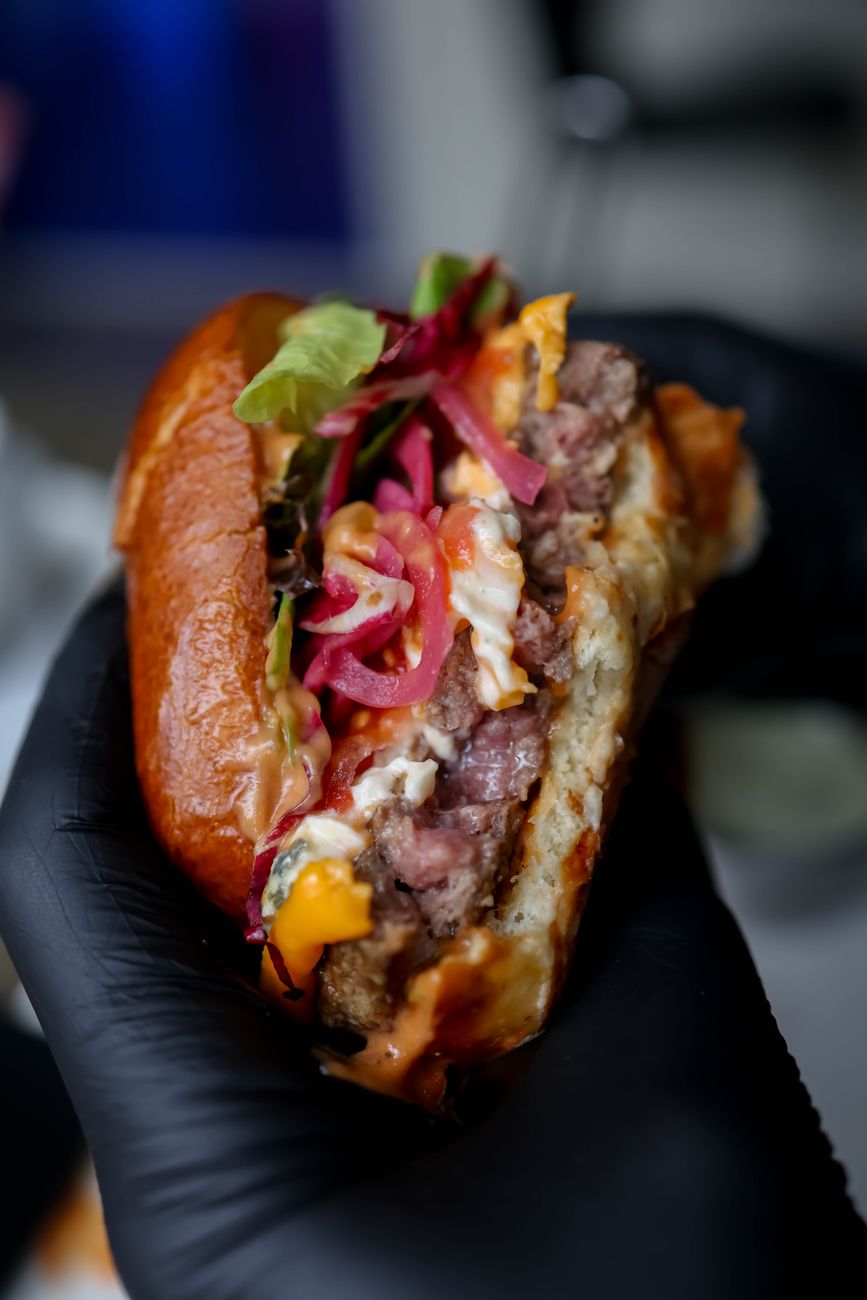
May 31, 2026Moroccan Lamb Burgers with Harissa Mayo and Preserved Lemon
Ground lamb patties seasoned with warming spices and medium-heat harissa, served on brioche with cooling harissa mayo and tangy preserved lemon 32 min · 0 saves.
moroccan · mild
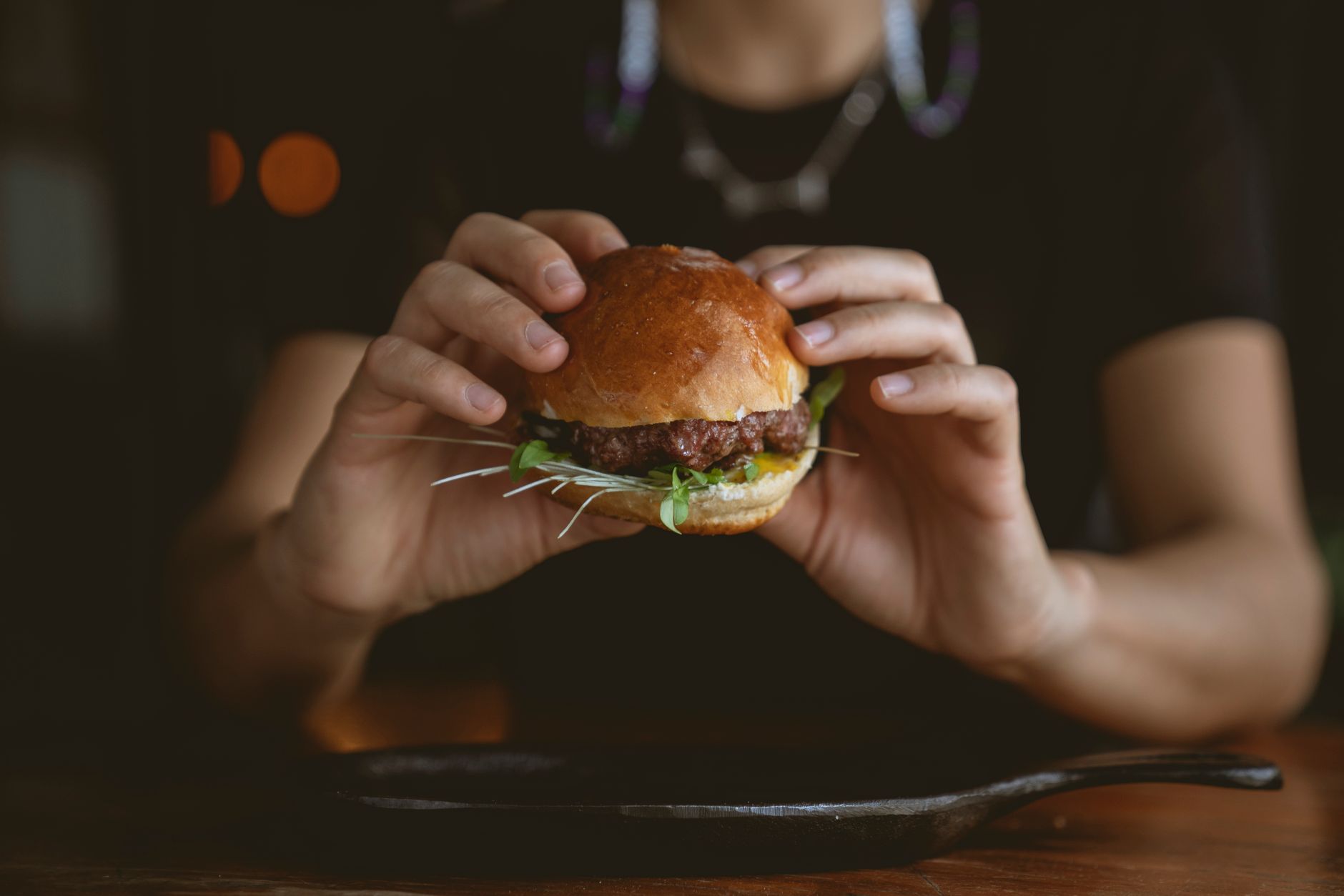
Jun 14, 2026Moroccan Lamb Burgers with Harissa Yogurt and Mint
Juicy ground lamb patties warmed with cumin, coriander, and a gentle touch of harissa, served on soft brioche with cooling yogurt sauce and bright mint leaves. 35 min · 0 saves.
Bottle picks
Related hot sauce reviews.
Explore sauces with related ingredients, flavors, and heat levels.
Yellowbird Habanero Hot Sauce Review
A bright, carrot-forward bottle with enough heat to stay lively and enough sweetness to stay versatile.
Best for tacos
Best for: Tacos and rice bowls
Skip if: Skip if you want a classic vinegar-forward table sauce with almost no sweetness.
Read review
Queen Majesty Scotch Bonnet and Ginger Review
A bright, elegant sauce that leans on fruit, ginger, and Scotch bonnet lift instead of brute force.
Best for seafood
Best for: Seafood and fish tacos
Skip if: Skip if you want a thick, smoky wing sauce more than a bright finishing bottle.
Read review
Fuego Box Monthly Subscription Review
A reliable discovery box for people who want more than supermarket sauces without going full novelty heat gimmick.
Best for gifting
Best for: Sauce subscription
Skip if: Skip if you need one exact everyday bottle instead of a discovery-style gift.
Read review
Go deeper
Background guides that build on this.
Keep reading
More on this subject.
If this post helped, these are the next pieces most likely to keep the thread going.
culture
May 26, 2026Three Moroccan Spice Routes That Will Change How You Think About Heat
The heat in Moroccan cooking doesn't slap you in the face—it draws you in with layers of warmth that make every bite more interesting than the last. Here's how three essential spice traditions create some of the world's most irresistible heat.
culture
Apr 15, 2026Three Moroccan Heat Styles That Deserve Your Attention Right Now
From harissa's smoky embrace to the bright fire of chermoula, these Moroccan heat styles understand something most spicy cuisines miss—complexity matters more than burn.

culture
Apr 15, 2026Why Moroccan Heat Is Having Its Moment: The Spicy Tagines and Harissa Dishes We Can't Stop Making
From smoky harissa that blooms in hot oil to bright chermoula that makes fish sing, Moroccan spicy dishes build heat through layers instead of just burning your tongue. Here's why these techniques are taking over our dinner tables—and how to make them work in your kitchen.
Comments
Reader discussion is shared across recipes, reviews, and editorial pieces.
Comments are read-only while member sign-in is paused.