culture
Three Moroccan Heat Styles That Deserve Your Attention Right Now
From harissa's smoky embrace to the bright fire of chermoula, these Moroccan heat styles understand something most spicy cuisines miss—complexity matters more than burn.
Share this
Pass it around
Send this page to a friend, copy the link, or save it to a Pinterest board.

Save for later
Pin this page
Save the image with a link back to this recipe, review, or article.
Three Moroccan Heat Styles That Deserve Your Attention Right Now
Moroccan cooks figured out long ago what the rest of us are still learning: the best heat doesn't just burn—it beckons. While plenty of cuisines throw chiles at a dish and call it done, Moroccan kitchens build heat like a good story, with layers that unfold and deepen with each bite.
Three styles of Moroccan spicing are having a real moment right now, and it's not because they're trendy. It's because they solve the puzzle that stumps so many of us at home: how to bring serious warmth and serious flavor to the same plate without one bulldozing the other.
Harissa's Smoky Complexity Beyond the Jar
Forget that tiny jar of harissa paste hiding in the international aisle—though honestly, it's better than nothing. Real harissa is a revelation, all smoky depth and slow-building heat that makes you understand why Moroccan tables always have a bowl within reach.
The magic starts with dried chiles. A good mix usually includes something fruity like dried New Mexico chiles alongside smokier varieties—think chipotle energy but North African soul. These get soaked until they're pliable, then blended with garlic, caraway, cumin, coriander, and salt into a thick, brick-red paste that will transform your cooking.
What I love about harissa is how it behaves. Unlike hot sauces that add liquid and acid whether you want them or not, harissa brings body and richness. A spoonful stirred into scrambled eggs doesn't thin them out—it makes them luxurious. Mixed with olive oil, it becomes an instant marinade that actually clings to chicken thighs or lamb chops.
Heat tolerance varies. Offer extra seasoning separately so each person can adjust their portion.
Chermoula's Fresh Fire
If harissa is the wise elder of Moroccan heat, chermoula is its spirited young cousin—bright green, herb-packed, and alive with fresh chile energy. This sauce throws fresh hot peppers (jalapeños and serranos work beautifully here) into a blender with huge handfuls of cilantro and parsley, preserved lemon, garlic, and good olive oil.
The genius move is using all those herbs not just for color, but as a cooling counterpoint to the chiles. That green abundance means you can be more generous with the hot peppers than you'd dare in other contexts. The preserved lemon adds this wonderful fermented brightness that lifts everything, while the olive oil rounds out the edges.
Sure, chermoula is famous with fish—and rightfully so—but don't stop there. It's magnificent spooned over grilled eggplant or zucchini, fantastic as a finish for white bean stews, and absolutely gorgeous mixed into warm couscous or grain salads. I've been known to toss it with roasted chicken and call it dinner.
Start with one fresh chile if you're cautious, then build up. The beauty of chermoula is that it's endlessly adjustable, though it won't keep as long as its aged cousins. That's fine—it's the kind of sauce that disappears quickly anyway.
Ras El Hanout's Gentle Warmth
Ras el hanout takes a completely different approach to heat, and it's brilliant. Instead of leaning on chiles, this "top shelf" spice blend (that's what the name means) builds warmth through black pepper, ginger, and a symphony of warming spices that create heat you feel in your chest, not just on your tongue.
This is heat for people who find straight chile fire a little one-dimensional. The warmth comes from everywhere at once—the bite of black pepper, the zing of fresh ginger, the subtle burn of cinnamon and cloves. Some blends include a whisper of cayenne, but it's never the star of the show.
What makes ras el hanout so compelling is how the heat builds as you eat. The first bite might seem almost mild, but that combination of warming spices creates a tingling sensation that grows with each forkful. It's perfect in tagines and slow braises, where everything has time to meld and bloom.
The best versions balance sweet spices (cinnamon, nutmeg), warming ones (ginger, black pepper), and aromatic powerhouses (cardamom, cumin). The heat never shouts—it hums quietly in the background, supporting every other flavor on the plate.
Why These Styles Work Now
These three approaches succeed because they fix what's wrong with so much spicy food. Harissa gives you the smoky complexity that basic hot sauce can't touch. Chermoula delivers fresh heat without drowning everything in vinegar. Ras el hanout offers sophistication for those of us who want more than just burn.
Each one also plays well with different spice tolerances at the same table. Make harissa milder by using more sweet peppers and fewer hot ones. Adjust chermoula by going easy on the chiles. Keep ras el hanout gentle by skipping the cayenne entirely.
Most importantly, all three understand their place in a dish. They enhance rather than overwhelm, support rather than dominate. They're team players, which makes them infinitely more useful than condiments that demand center stage.
You don't need special shopping trips for any of this. Most ingredients live in decent supermarkets or arrive quickly online. The techniques are mostly blending and grinding—nothing fancy. What takes time is learning when to reach for which style of heat, and understanding how each one serves the meal rather than the other way around.
That might be the most valuable thing Moroccan spice traditions teach us: the best heat makes you hungry for more, not desperate for relief.
Peppers featured in this post
Cook with this idea
Recipes to try next.
Put these ingredients and techniques to use in your next meal.
moroccan · medium
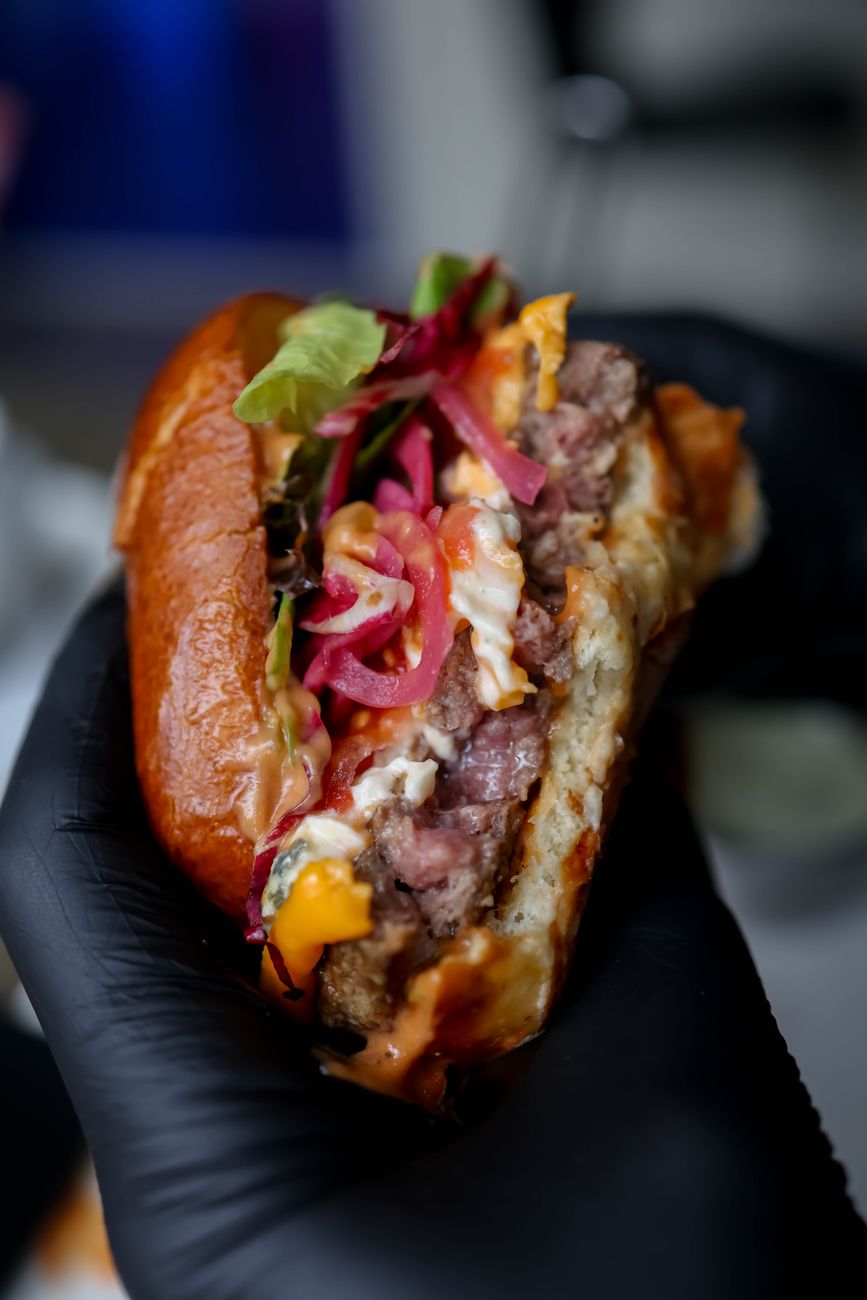
May 31, 2026Moroccan Lamb Burgers with Harissa Mayo and Preserved Lemon
Ground lamb patties seasoned with warming spices and medium-heat harissa, served on brioche with cooling harissa mayo and tangy preserved lemon 32 min · 0 saves.
moroccan · mild
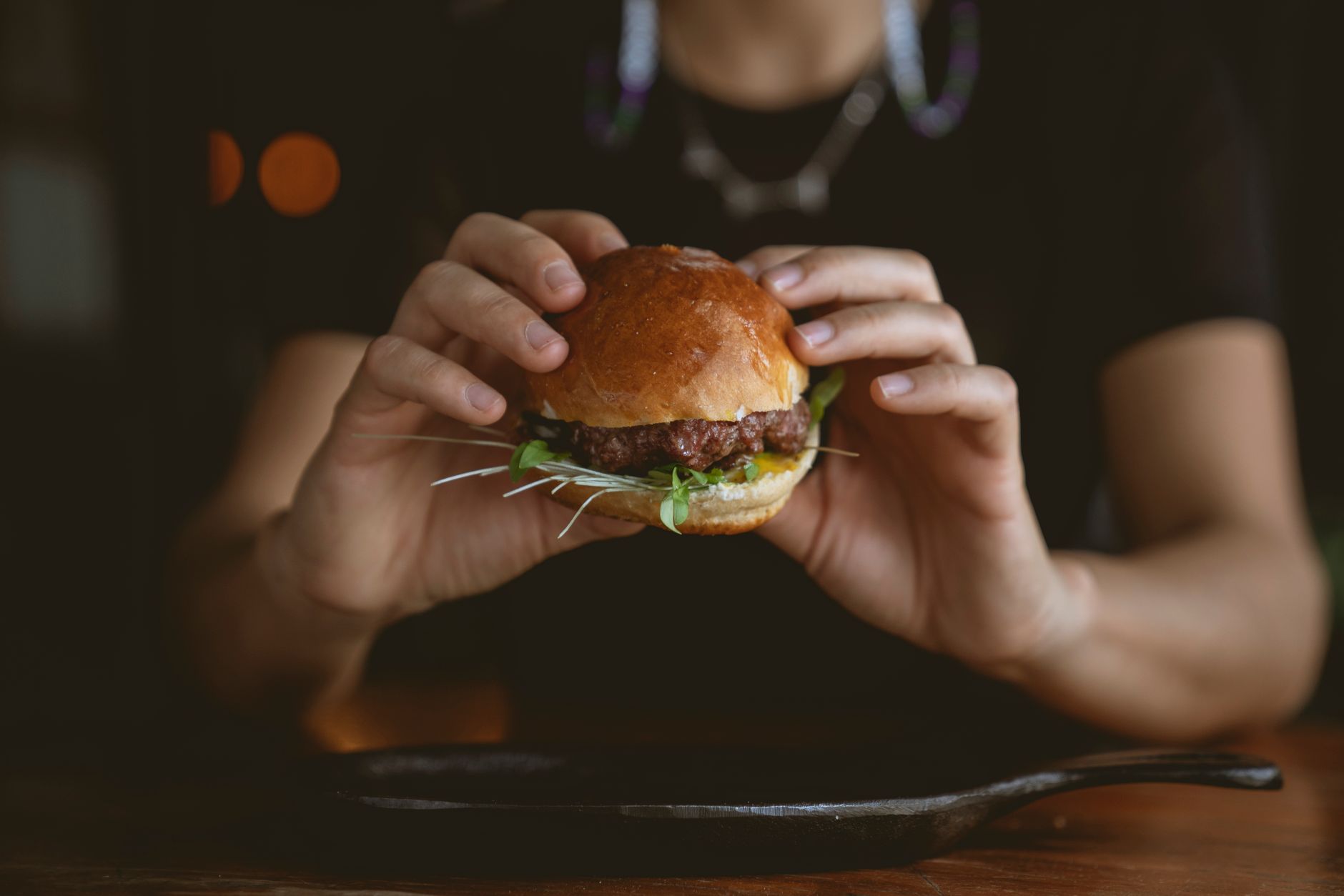
Jun 14, 2026Moroccan Lamb Burgers with Harissa Yogurt and Mint
Juicy ground lamb patties warmed with cumin, coriander, and a gentle touch of harissa, served on soft brioche with cooling yogurt sauce and bright mint leaves. 35 min · 0 saves.

moroccan · mild
May 22, 2026Moroccan Chicken Wings with Harissa Honey Glaze
Tender chicken wings glazed with a gentle harissa-honey mixture, perfumed with warm Moroccan spices and finished with fresh herbs. 60 min · 0 saves.
Bottle picks
Related hot sauce reviews.
Explore sauces with related ingredients, flavors, and heat levels.
Fly By Jing Sichuan Gold Review
A citrusy, tingly sauce with real peppercorn presence and enough versatility to move beyond dumplings.
Best for dumplings
Best for: Eggs and breakfast tacos
Skip if: Skip if you want a thick, smoky wing sauce more than a bright finishing bottle.
Read review
Mike's Hot Honey Review
Sweet heat done right: sticky, quick, and versatile enough to become a finishing move instead of a novelty.
Best for gifting
Best for: Pizza and fried chicken
Skip if: Skip if you want a classic vinegar-forward table sauce with almost no sweetness.
Read review
Heatonist Los Calientes Rojo Review
Heatonist Los Calientes Rojo: flavor notes, heat level, and suggested food pairings.
Best for tacos
Best for: Tacos and rice bowls
Skip if: Skip if you are chasing a novelty-level heat hit or a super-special-occasion bottle.
Read review
Go deeper
Background guides that build on this.
Keep reading
More on this subject.
If this post helped, these are the next pieces most likely to keep the thread going.
culture
May 26, 2026Three Moroccan Spice Routes That Will Change How You Think About Heat
The heat in Moroccan cooking doesn't slap you in the face—it draws you in with layers of warmth that make every bite more interesting than the last. Here's how three essential spice traditions create some of the world's most irresistible heat.

culture
Apr 15, 2026Why Moroccan Heat Is Having Its Moment: The Spicy Tagines and Harissa Dishes We Can't Stop Making
From smoky harissa that blooms in hot oil to bright chermoula that makes fish sing, Moroccan spicy dishes build heat through layers instead of just burning your tongue. Here's why these techniques are taking over our dinner tables—and how to make them work in your kitchen.
culture
Apr 15, 2026Beyond Harissa: Morocco's Most Craveable Spicy Dishes Taking Over Tables
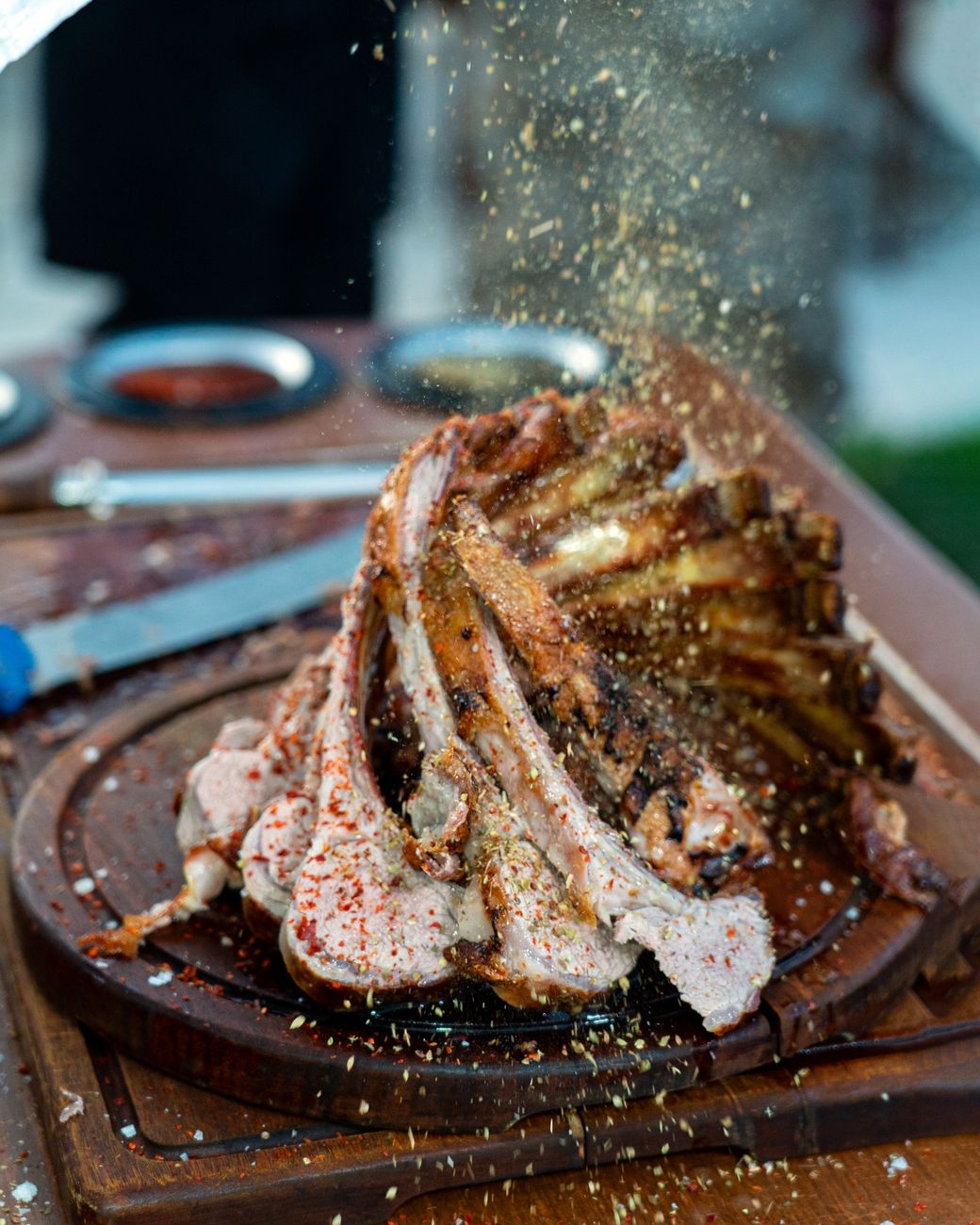
From slow-roasted mechoui with chile rubs to underground-cooked tangia, these are the spicy Moroccan dishes that understand heat as an art form—complex, layered, and completely irresistible.
Comments
Reader discussion is shared across recipes, reviews, and editorial pieces.
Comments are read-only while member sign-in is paused.