science
Why Chili Oil and Numbing Heat Drive the Spiciest Chinese Dishes Right Now
Two kinds of heat drive the spicy Chinese dishes worth craving: the numbing tingle of Sichuan peppercorn and the slow burn of infused chili oil. Learn how they work together, which dried chilies matter, and how to build layered heat that enhances flavor instead of flattening it.
Share this
Pass it around
Send this page to a friend, copy the link, or save it to a Pinterest board.

Save for later
Pin this page
Save the image with a link back to this recipe, review, or article.
Sichuan Peppercorn's Numbing Sensation
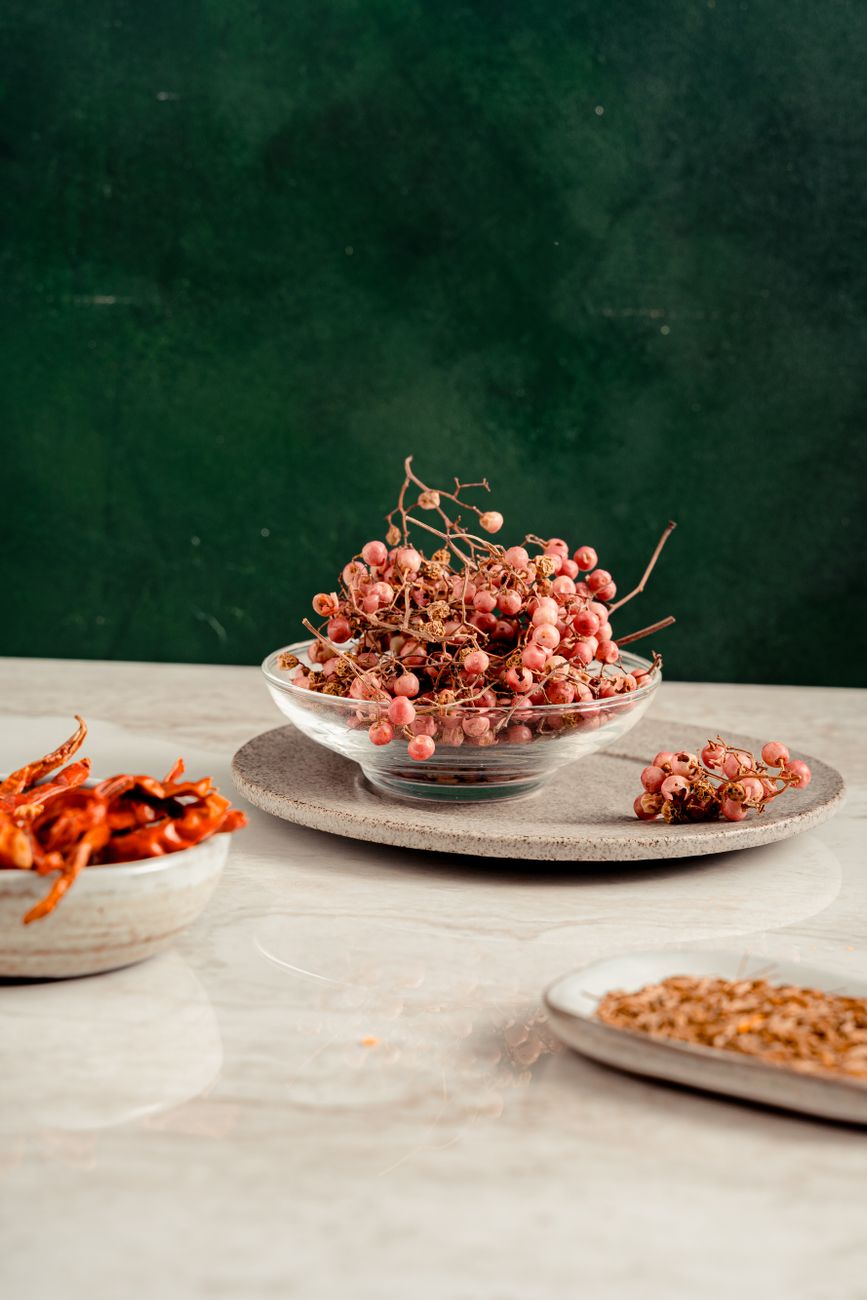
Sichuan peppercorn doesn't burn the way a jalapeño does. Instead, it creates a tingling, almost electric numbness on the tongue and lips—what Mandarin calls má. This sensation is distinct from the heat of dried chilies, which Mandarin calls là. When the two come together in a proper mapo tofu or chongqing chicken, you get a two-part experience: first the buzz of numbness, then the slow creep of chili heat.
This matters in the kitchen because Sichuan peppercorns release their volatile oils quickly. Once toasted and ground, they fade within days. Restaurants toast whole peppercorns and grind them fresh for each dish because the numbing quality that makes them distinctive disappears if you use pre-ground powder that's been sitting in a jar.
Chili Oil as a Heat Foundation
Chili oil has moved beyond condiment into the structural ingredient of modern spicy Chinese cooking. The best versions infuse neutral or sesame oil with Sichuan peppercorns, star anise, cardamom, and cinnamon—creating an oil that carries both immediate heat and aromatic depth.
The preparation method shapes the result. When dried chilies steep in cool oil, capsaicin (the compound that creates heat) releases gradually, building a lingering burn. Pouring hot oil over chilies produces a sharper, more aggressive heat that hits faster and fades quicker. Many restaurants use a middle path: warming the oil gently enough that chilies release color and flavor without scorching or browning.
Homemade chili oil stored without refrigeration loses its character over time as those volatile compounds fade. If you're buying commercial chili oil, check for visible chili flakes and seeds—they signal freshness and tell you the oil hasn't been heavily strained or stabilized for shelf life. If you're making your own, small batches stored in the refrigerator will taste noticeably better than oil left at room temperature for weeks.
Dried Chili Varieties
The main dried chilies in Chinese cooking each bring a different kind of heat:
Facing Heaven chili (chao tian jiao) is a short, thin-walled pepper from Guizhou that dries dark red. It's moderately hot with fruity undertones and anchors chongqing chicken. The heat builds gradually and lingers.
Erjintiao is longer and thinner, hotter and more direct in its burn. Northern and central Chinese cooking favors it when straightforward spice is the goal.
Tianjin chili is smaller and gentler, usually deployed in larger quantities to build flavor rather than pure heat.
Chefs choose based on what the dish needs. Mapo tofu traditionally combines Erjintiao or Tianjin chilies with Sichuan peppercorns—the chilies add heat, the peppercorns provide má. Chongqing chicken uses Facing Heaven chilies partly for their fruity notes alongside the burn.
When you're buying dried chilies for your own cooking, whole peppers outlast ground chili powder. They're more likely to be fresh, they don't fade as quickly once you bring them home, and you can see what you're getting. Store them in an airtight container away from light and heat.
How Layering Creates Craveable Heat
The best spicy Chinese dishes now stack multiple heat sources so they hit at different moments. A piece of chicken in chongqing chicken sits in a marinade seasoned with Sichuan peppercorn and spiced with both fresh and dried chilies, then gets finished with a scatter of whole dried peppers and peppercorns. The marinade flavors the meat, the oil carries immediate heat, and the whole peppers provide bursts of intensity as you chew them.
This is deliberate work. A dish made with a single chili powder or generic chili flakes reads as flat. A dish built from whole peppers, infused oil, and freshly ground peppercorns feels alive—complex enough to come back to.
When you're building heat at home, whole dried chilies make a measurable difference. A small jar of whole Sichuan peppercorns, toasted and ground just before use, transforms dishes like mapo tofu or Dan Dan noodles. The numbing sensation will be vivid instead of muted.
Building Heat That Enhances Rather Than Overwhelms
Craveable spicy food isn't about maximum heat. It's about heat that lets you taste what else is in the dish. This is where má and là become practical. Sichuan peppercorn's numbing effect actually makes the overall sensation feel less aggressively hot because it engages different nerve endings. Dishes that rely only on capsaicin—just dried chilies without Sichuan peppercorn—tend to feel more intensely spicy at lower heat levels.
If you're cooking spicy dishes and reaching for water instead of savoring them, the usual culprit is proportion. Salt, soy, sugar, and acid should be present in amounts you can taste even with the heat present. Vinegar especially acts as a brake on heat perception while adding brightness. Dan dan noodles are genuinely spicy but remain craveable because the sauce balances sesame paste, Sichuan peppercorns, chili oil, vinegar, and soy in proportions that let each element register.
Peppers featured in this post
Cook with this idea
Recipes to try next.
Put these ingredients and techniques to use in your next meal.
chinese · hot
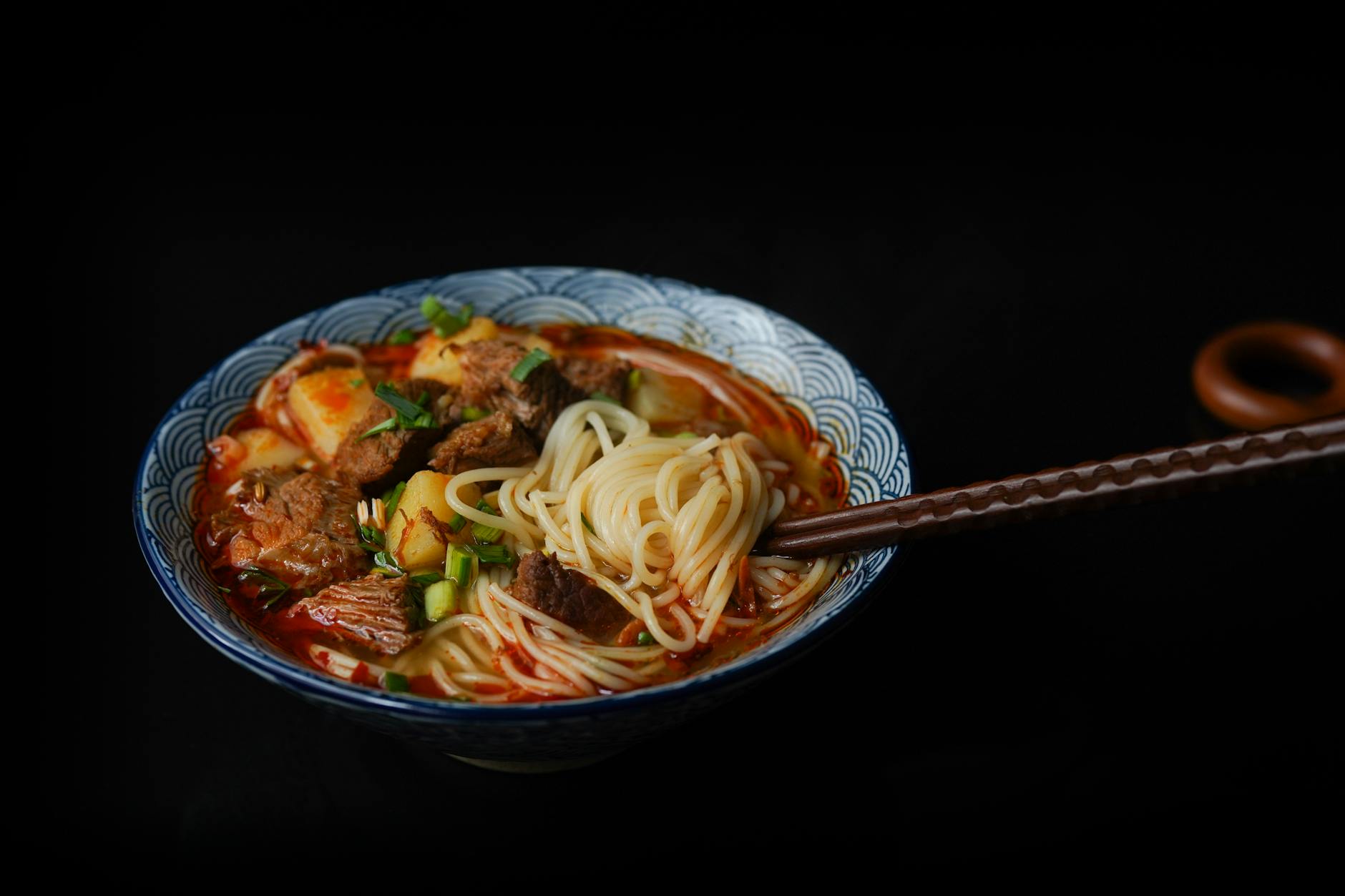
May 18, 2026Sichuan Hot Pot Beef Stew with Mala Oil
A soul-warming Chinese stew that brings the electric heat and numbing spice of Sichuan hot pot to your home kitchen, with tender beef braised in a complex sauce built on Sichuan peppercorns, dried chilies, and fermented bean paste. 140 min · 0 saves.
chinese · medium
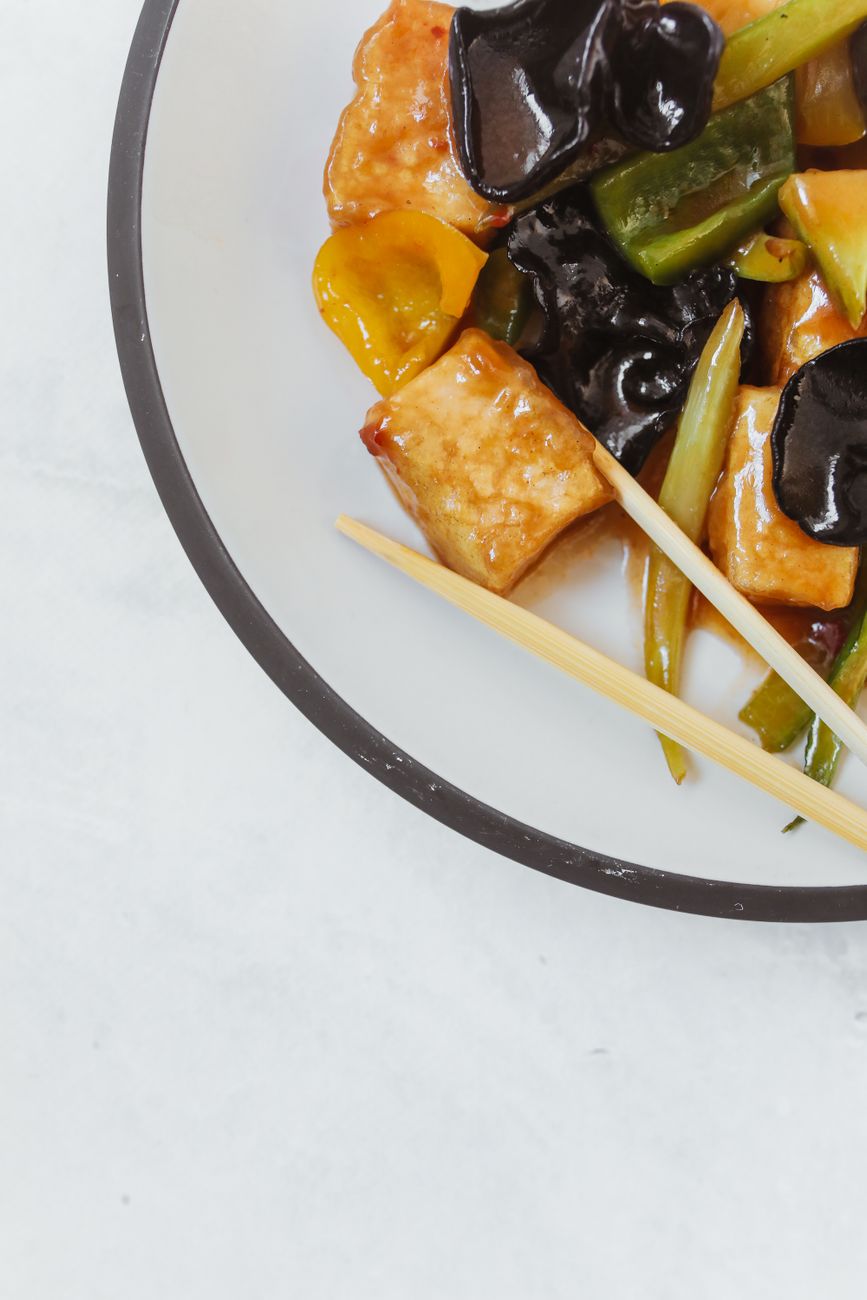
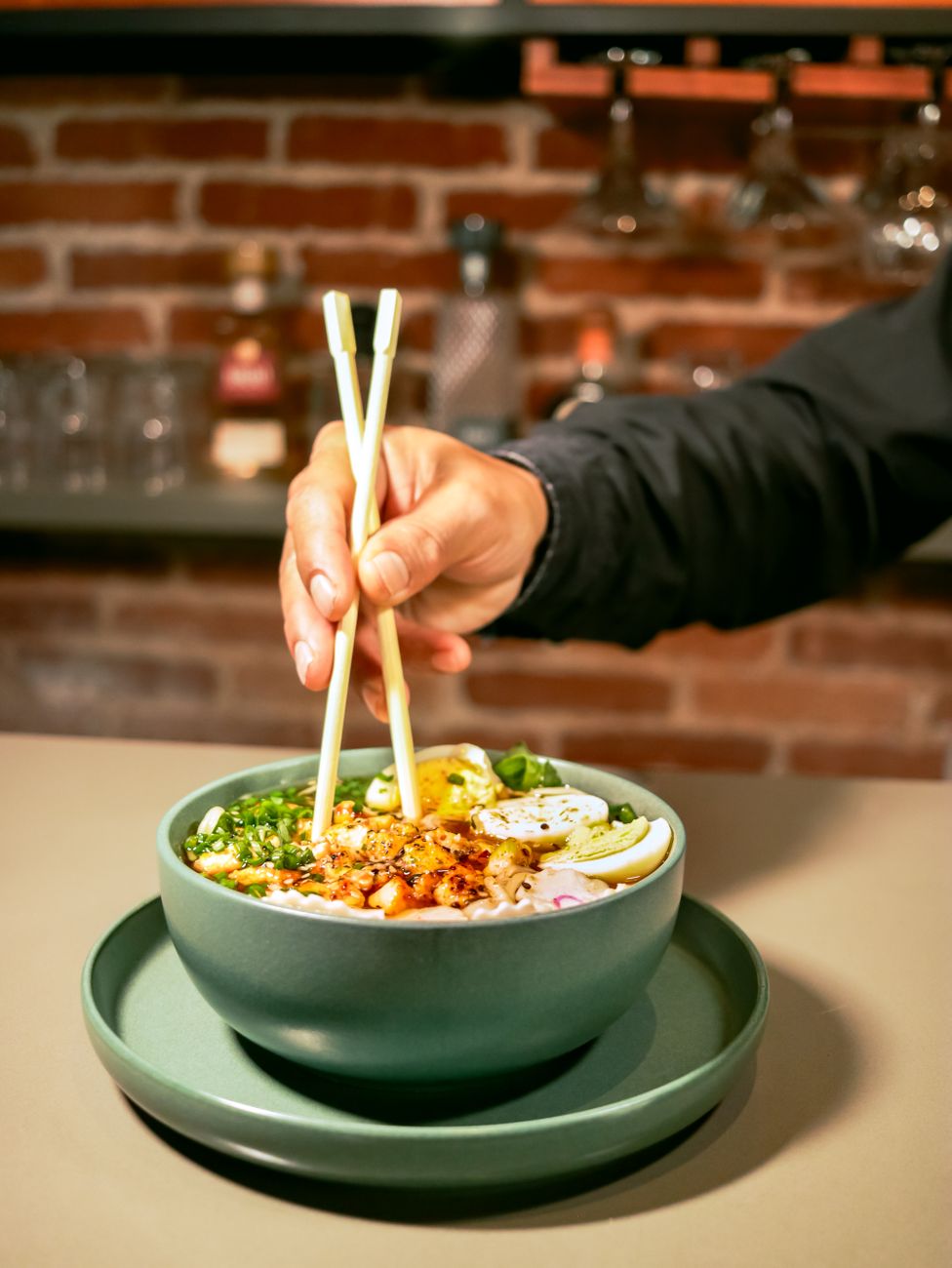
May 28, 2026Sichuan Mapo Tofu with Mushrooms
Silky tofu and meaty mushrooms braised in a numbing, aromatic sauce built on doubanjiang and Sichuan peppercorns 27 min · 0 saves.
chinese · medium
May 14, 2026Dan Dan Noodles with Sichuan Peppercorns
Silky wheat noodles bathed in a rich sesame and chili oil sauce, crowned with savory ground pork and tangy pickled mustard greens—this is the kind of Sichuan comfort food that keeps you coming back for more. 35 min · 0 saves.
Bottle picks
Related hot sauce reviews.
Explore sauces with related ingredients, flavors, and heat levels.
Fly By Jing Sichuan Gold Review
A citrusy, tingly sauce with real peppercorn presence and enough versatility to move beyond dumplings.
Best for dumplings
Best for: Eggs and breakfast tacos
Skip if: Skip if you want a thick, smoky wing sauce more than a bright finishing bottle.
Read review
Mike's Hot Honey Review
Sweet heat done right: sticky, quick, and versatile enough to become a finishing move instead of a novelty.
Best for gifting
Best for: Pizza and fried chicken
Skip if: Skip if you want a classic vinegar-forward table sauce with almost no sweetness.
Read review
Heatonist Los Calientes Rojo Review
Heatonist Los Calientes Rojo: flavor notes, heat level, and suggested food pairings.
Best for tacos
Best for: Tacos and rice bowls
Skip if: Skip if you are chasing a novelty-level heat hit or a super-special-occasion bottle.
Read review
Go deeper
Background guides that build on this.
Keep reading
More on this subject.
If this post helped, these are the next pieces most likely to keep the thread going.

science
Jun 5, 2026Mapo Tofu, Dan Dan Noodles, and Three More Sichuan Dishes
Mapo tofu, dan dan noodles, Chongqing hot pot, kung pao chicken, and Sichuan fish pair chili with different textures and seasonings.
science
Jun 3, 2026Sichuan Peppercorns, Doubanjiang, and Chili Oil
Sichuan peppercorns, doubanjiang, and chili oil add tingle, savory depth, and chili flavor. Learn where each fits in a dish.
science
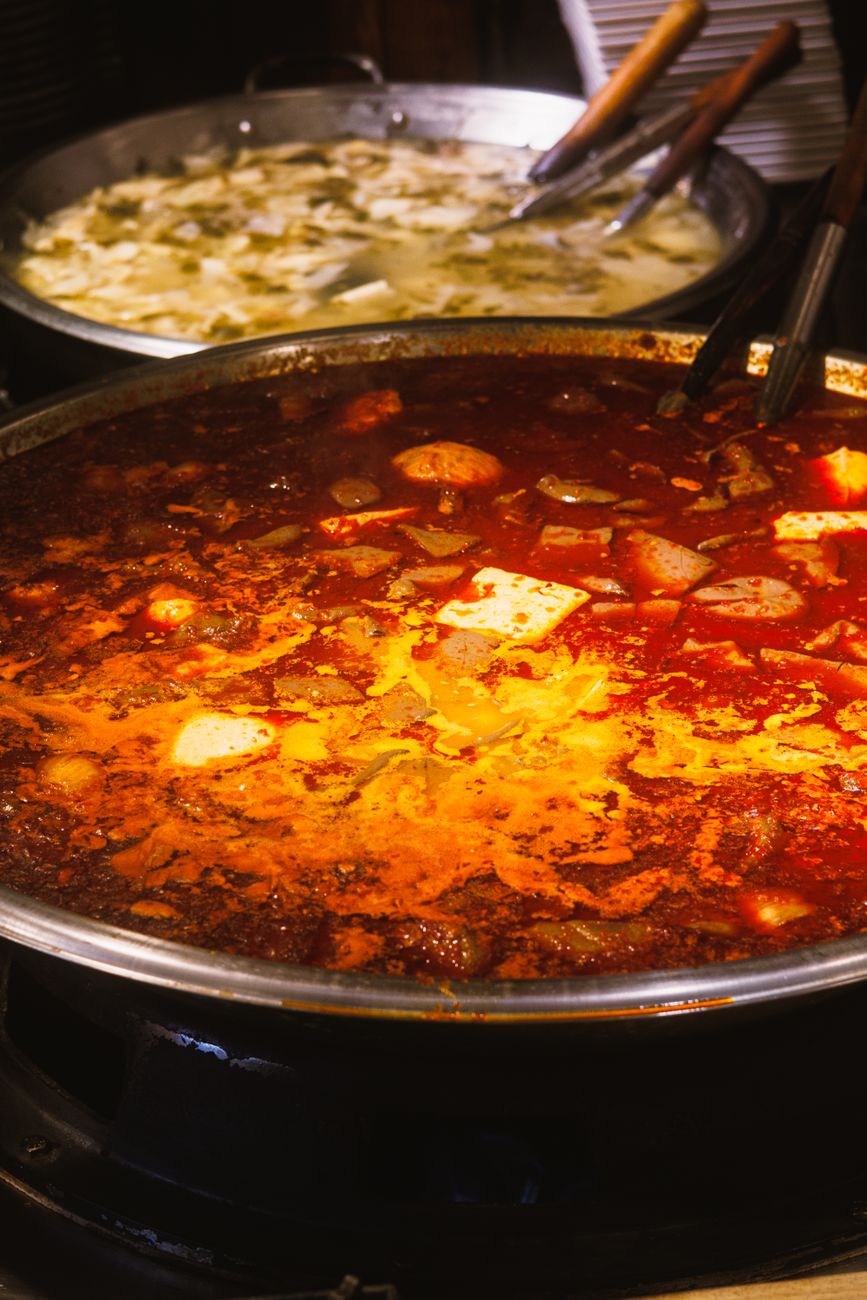
May 4, 2026Sichuan Hot Pot, Dan Dan Noodles, and Fish-Fragrant Eggplant
Sichuan hot pot, dan dan noodles, and fish-fragrant eggplant combine chili with peppercorns, fermented pastes, and contrasting textures.
Comments
Reader discussion is shared across recipes, reviews, and editorial pieces.
Comments are read-only while member sign-in is paused.