
science
Sichuan Hot Pot, Dan Dan Noodles, and Fish-Fragrant Eggplant
Sichuan hot pot, dan dan noodles, and fish-fragrant eggplant combine chili with peppercorns, fermented pastes, and contrasting textures.
Share this
Pass it around
Send this page to a friend, copy the link, or save it to a Pinterest board.

Save for later
Pin this page
Save the image with a link back to this recipe, review, or article.
The Tingle of Sichuan Peppercorns
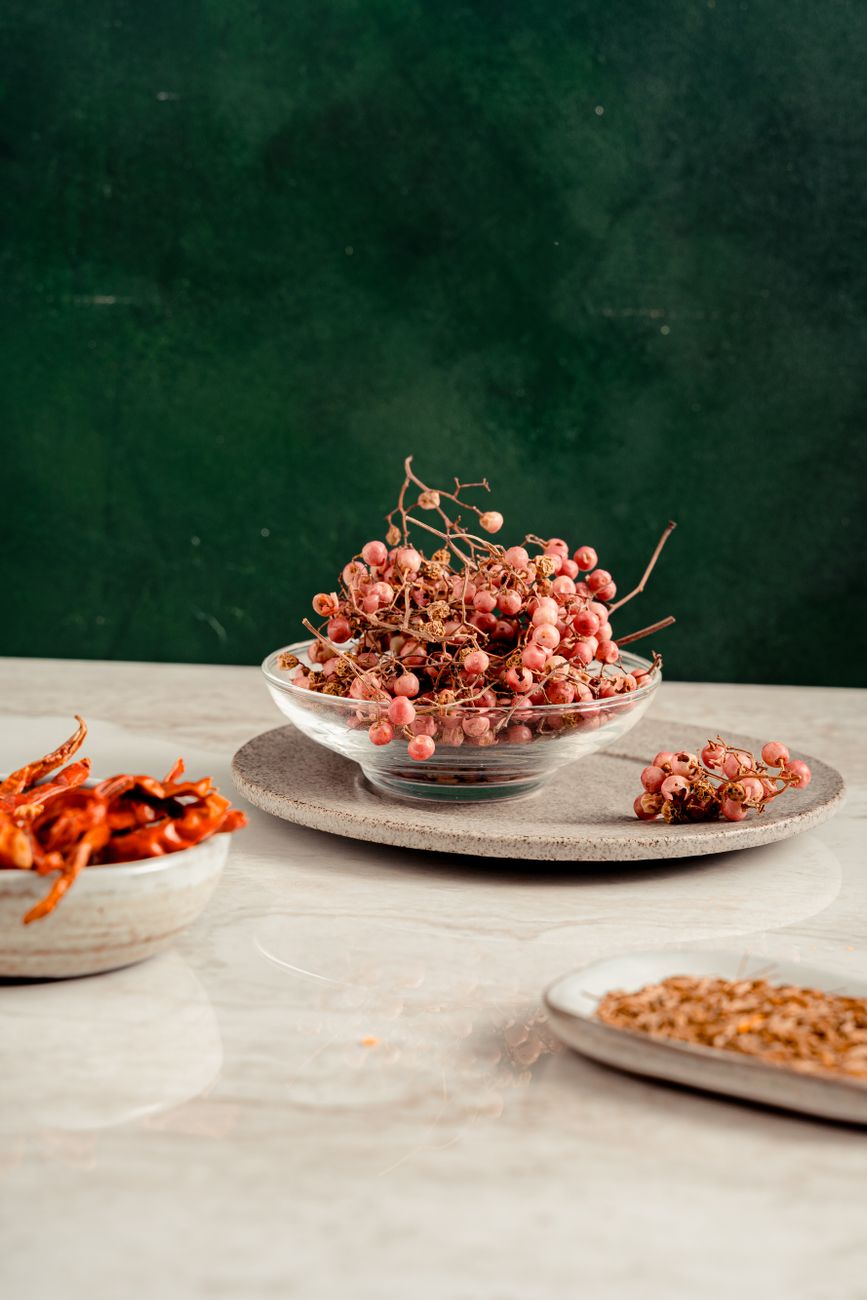
Sichuan peppercorns add a tingling, numbing sensation distinct from chili heat. Paired with chilies, they produce the combination known as mala.
Building a Hot Pot Broth
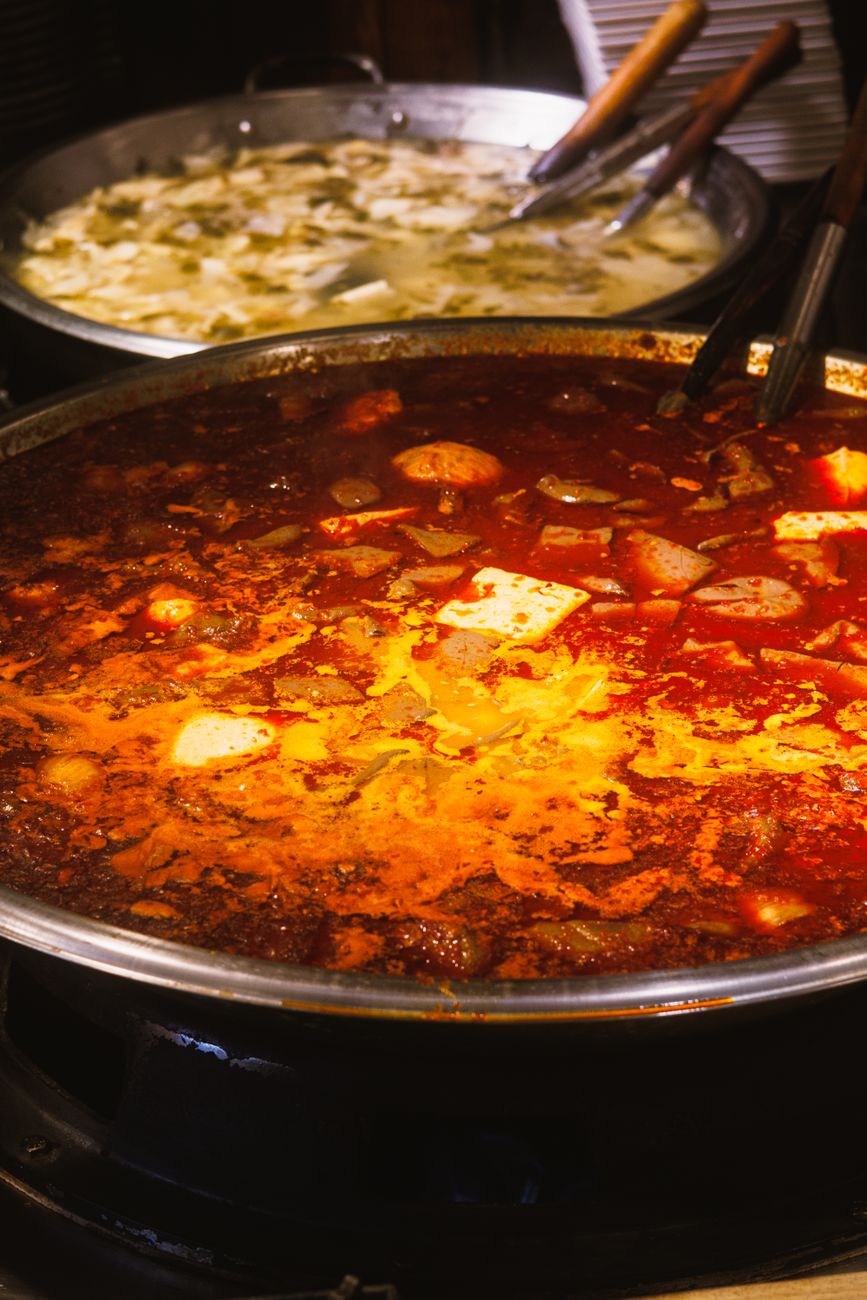
Szechuan hot pot delivers a range of heat experiences in one bowl, built from a broth with several distinct components.
The foundation is beef tallow or neutral oil, slowly heated with dried Tianjin chilies and Hanyuan Szechuan peppercorns. The supporting ingredients include fermented black beans for umami, Pixian doubanjiang for fermented depth, rock sugar to round out harsh edges, and Shaoxing wine for another layer of fermented flavor.
Different ingredients pick up the broth's heat differently. Silky tofu takes on spice lightly, while potato slices absorb much more of the chili and peppercorn flavor.
Dan Dan Noodles: Balancing Act in a Bowl
Dan dan noodles rely on a short list of ingredients balanced precisely: sesame paste, soy sauce, Chinese black vinegar, and chili oil. The ratios are where the technique matters most.
Sesame paste provides fat that carries flavor and mellows the chili's sharpness. Chinese black vinegar cuts through the richness with acidity. The chili oil brings both heat and the smoky depth that comes from chilies slowly cooked in oil.
The noodles matter too: their starch binds the sauce, and their plain flavor gives the other ingredients room to stand out. Pickled mustard greens add a different, sharper note that plays against the mala heat.
Fish Fragrant Eggplant: Sweet Heat and Seasoning
Yuxiang qiezi contains no fish—the name refers to a sauce combination traditionally used with seafood, applied here to eggplant.
The sauce balances sweet, sour, salty, and spicy. Sugar tempers the chilies' bitterness and brings out their fruitier notes, while rice vinegar adds acidity that balances the other flavors.
Eggplant works well here because its spongy texture absorbs the sauce while its mild flavor lets the seasoning come through. Wood ear mushrooms and carrots add textural contrast alongside the soft eggplant.
The Fermentation Factor
Doubanjiang, fermented black beans, and pickled vegetables aren't just flavor add-ons in Szechuan cooking—they contribute a savory depth that the other ingredients build on.
A well-made mapo tofu has layers that unfold as you eat, in part because of these fermented components, while a dish built only on fresh chilies tends to stay on one note.
Pickled mustard greens and fermented radish add acidic brightness that cuts through rich, oily dishes while contributing their own mild heat.
Szechuan cooking treats heat as one part of a larger flavor balance rather than the whole point. The numbing tingle, the fermented depth, and the chili heat are meant to work together rather than compete.
Cook with this idea
Recipes to try next.
Put these ingredients and techniques to use in your next meal.
chinese · hot
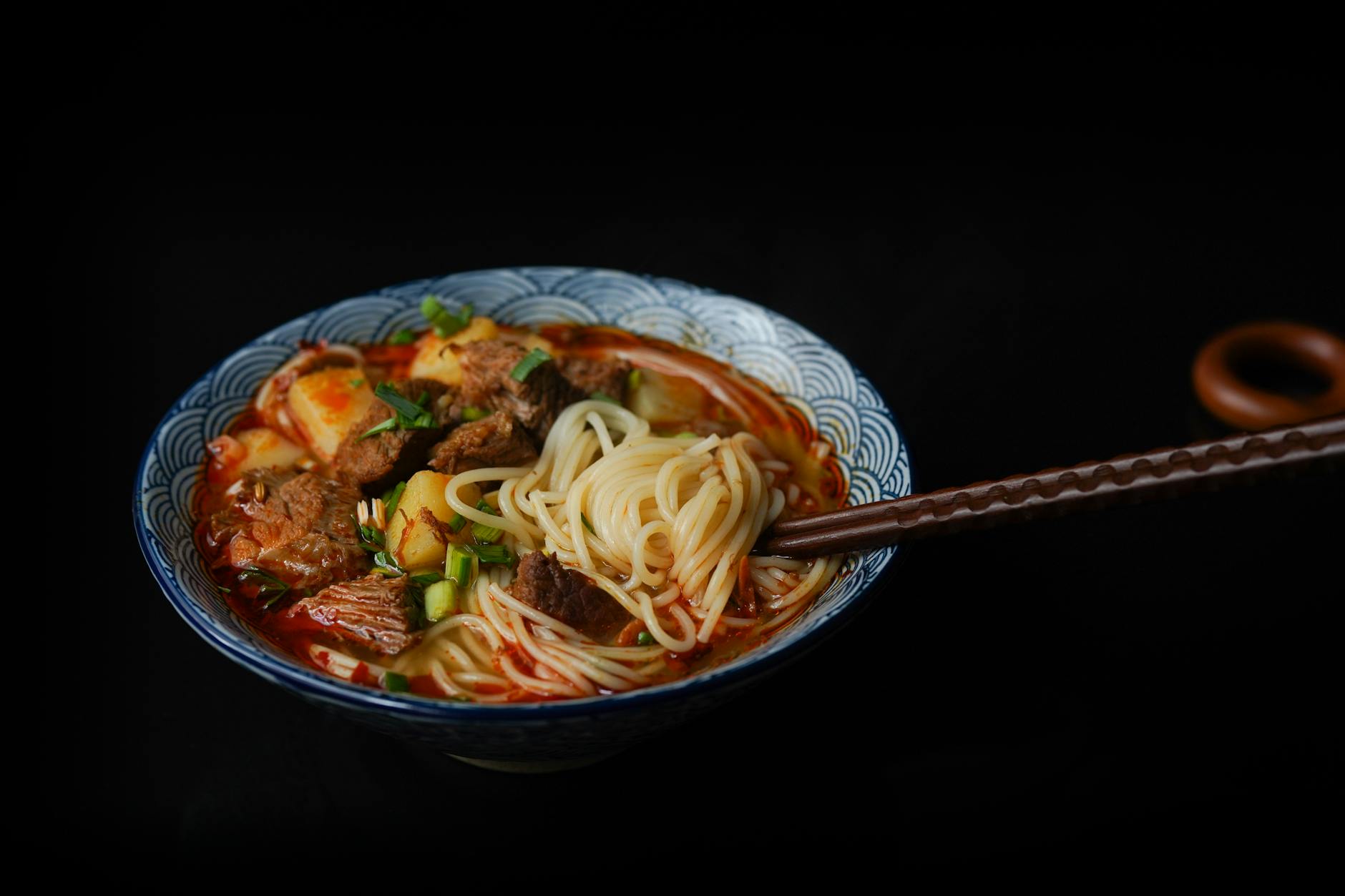
May 18, 2026Sichuan Hot Pot Beef Stew with Mala Oil
A soul-warming Chinese stew that brings the electric heat and numbing spice of Sichuan hot pot to your home kitchen, with tender beef braised in a complex sauce built on Sichuan peppercorns, dried chilies, and fermented bean paste. 140 min · 0 saves.
chinese · medium
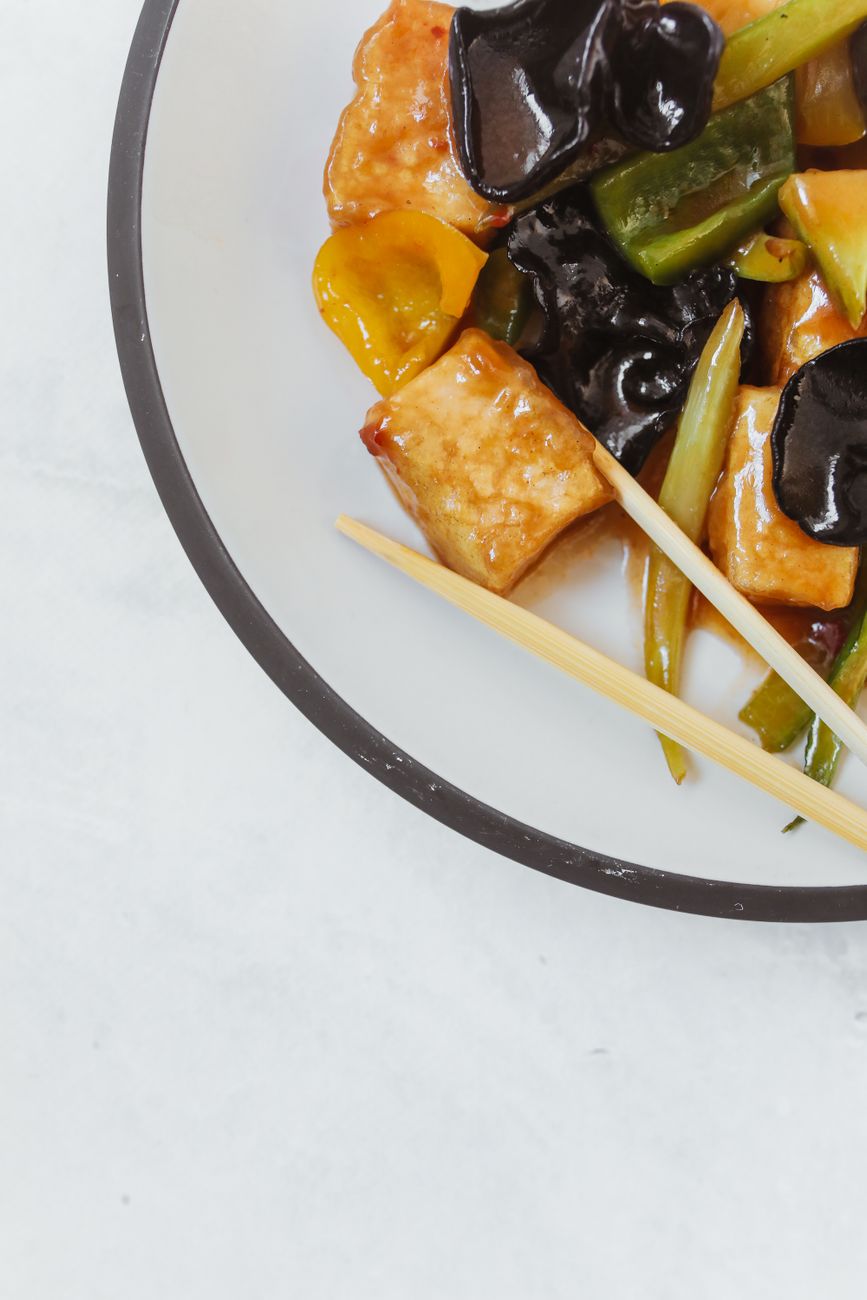
May 28, 2026Sichuan Mapo Tofu with Mushrooms
Silky tofu and meaty mushrooms braised in a numbing, aromatic sauce built on doubanjiang and Sichuan peppercorns 27 min · 0 saves.
chinese · medium
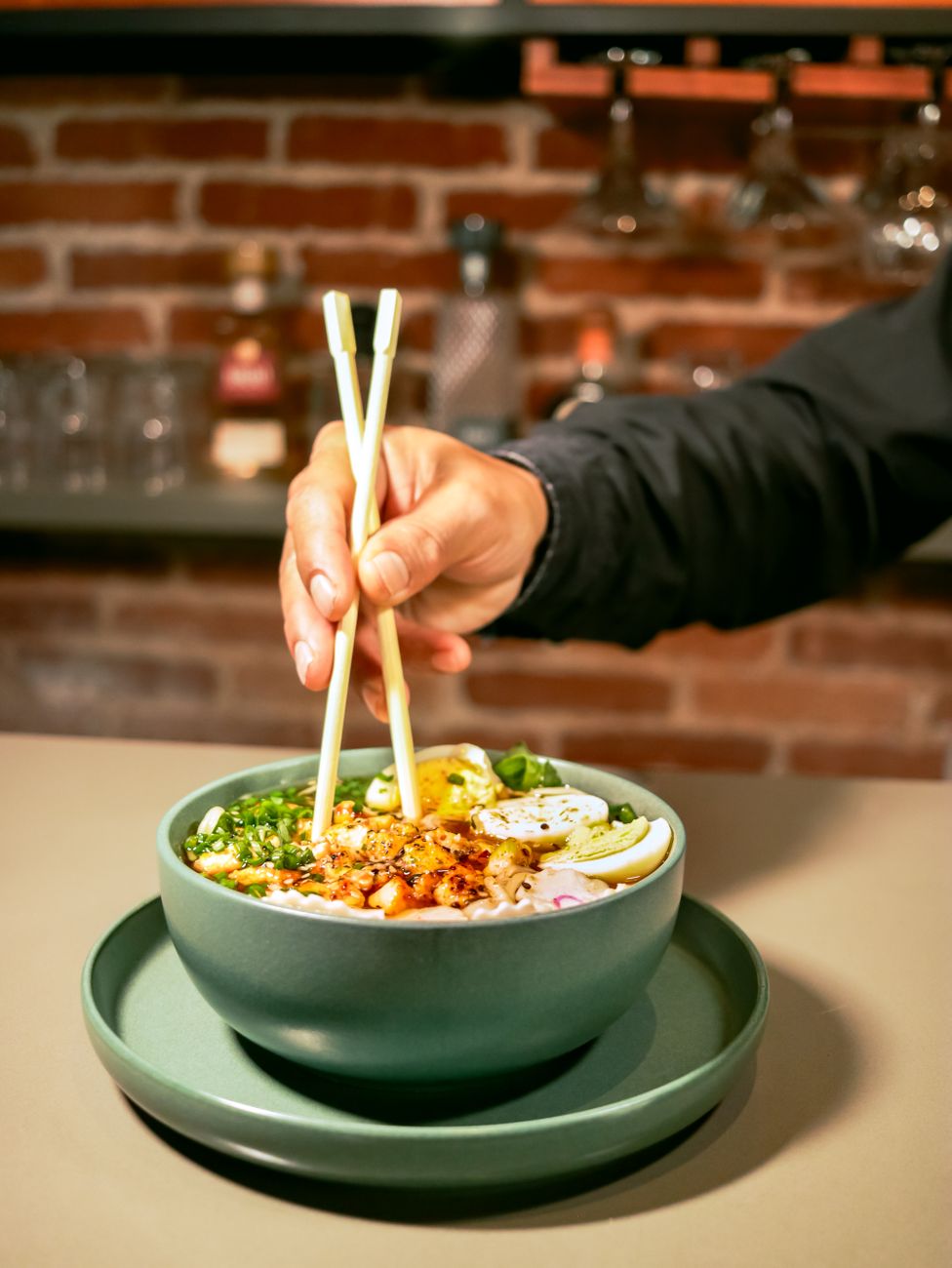
May 14, 2026Dan Dan Noodles with Sichuan Peppercorns
Silky wheat noodles bathed in a rich sesame and chili oil sauce, crowned with savory ground pork and tangy pickled mustard greens—this is the kind of Sichuan comfort food that keeps you coming back for more. 35 min · 0 saves.
Bottle picks
Related hot sauce reviews.
Explore sauces with related ingredients, flavors, and heat levels.
Yellowbird Habanero Hot Sauce Review
A bright, carrot-forward bottle with enough heat to stay lively and enough sweetness to stay versatile.
Best for tacos
Best for: Tacos and rice bowls
Skip if: Skip if you want a classic vinegar-forward table sauce with almost no sweetness.
Read review
Fly By Jing Sichuan Gold Review
A citrusy, tingly sauce with real peppercorn presence and enough versatility to move beyond dumplings.
Best for dumplings
Best for: Eggs and breakfast tacos
Skip if: Skip if you want a thick, smoky wing sauce more than a bright finishing bottle.
Read review
Queen Majesty Scotch Bonnet and Ginger Review
A bright, elegant sauce that leans on fruit, ginger, and Scotch bonnet lift instead of brute force.
Best for seafood
Best for: Seafood and fish tacos
Skip if: Skip if you want a thick, smoky wing sauce more than a bright finishing bottle.
Read review
Go deeper
Background guides that build on this.
Keep reading
More on this subject.
If this post helped, these are the next pieces most likely to keep the thread going.
science
Oct 10, 2026Why Chili Oil and Numbing Heat Drive the Spiciest Chinese Dishes Right Now
Two kinds of heat drive the spicy Chinese dishes worth craving: the numbing tingle of Sichuan peppercorn and the slow burn of infused chili oil. Learn how they work together, which dried chilies matter, and how to build layered heat that enhances flavor instead of flattening it.

science
Jun 5, 2026Mapo Tofu, Dan Dan Noodles, and Three More Sichuan Dishes
Mapo tofu, dan dan noodles, Chongqing hot pot, kung pao chicken, and Sichuan fish pair chili with different textures and seasonings.
science
Jun 3, 2026Sichuan Peppercorns, Doubanjiang, and Chili Oil
Sichuan peppercorns, doubanjiang, and chili oil add tingle, savory depth, and chili flavor. Learn where each fits in a dish.
Comments
Reader discussion is shared across recipes, reviews, and editorial pieces.
Comments are read-only while member sign-in is paused.