
FlamingFoodies recipe
Sichuan Hot Pot Beef Stew with Mala Oil
A soul-warming Chinese stew that brings the electric heat and numbing spice of Sichuan hot pot to your home kitchen, with tender beef braised in a complex sauce built on Sichuan peppercorns, dried chilies, and fermented bean paste.
Fork-tender chunks of beef chuck braised slowly in a gorgeous brick-red sauce that delivers waves of heat from habaneros and dried Tien Tsin chilies, balanced by the signature tingle of Sichuan peppercorns and the rich umami depth of fermented bean paste.
Ingredients
Beef and Marinade
- 3 lbsbeef chuck roast, cut into 2-inch chunks
- 2 tbspShaoxing wine
- 1 tbsplight soy sauce
- 1 tspcornstarch
Mala Base
- 15 piecesdried Tien Tsin chilies, stems removed, seeds kept
- 2 piecesfresh habanero peppers, minced with seeds
- 3 tbspSichuan peppercorns
- 4 tbsppeanut oil
- 6 clovesgarlic, minced
- 3 tbspfresh ginger, minced
- 3 tbspdoubanjiang, fermented broad bean paste
Braising Liquid
- 3 cupsbeef stock
- 2 tbspdark soy sauce
- 1 tbspChinese black vinegar
- 1 tspsugar
- 2 piecesstar anise
- 1 piececinnamon stick, 3-inch piece
Garnish
- 4 piecesscallions, sliced thin
- 1/4 cupfresh cilantro, chopped
- 1 tspground Sichuan peppercorns
Method
1. Marinate beef and toast spices Toss the beef chunks with Shaoxing wine, light soy sauce, and cornstarch in a bowl and let them sit while you work on the spices. Toast the Sichuan peppercorns in a dry wok over medium heat until they smell intensely fragrant and darken slightly. Transfer to a plate and give them a rough crush with the flat side of your knife.
Watch for: Those peppercorns should smell incredibly floral and citrusy when they're ready
2. Build the mala oil base Heat the peanut oil in your wok over medium-low heat. Add the dried chilies and fry them until they darken and get crispy, about 2 minutes. Add the crushed Sichuan peppercorns, minced habaneros, garlic, and ginger. Stir constantly for 30 seconds, then add the doubanjiang and cook until the oil turns that beautiful brick red.
Watch for: The oil should be deep red and smell intensely aromatic but not smoky
Tip: Keep the heat moderate or the chilies will burn and turn bitter
3. Sear beef and add braising liquid Increase the heat to medium-high and add your marinated beef to the spiced oil. Sear for 3-4 minutes without stirring to get some good color, then toss and cook another 2 minutes. Pour in the beef stock, dark soy sauce, black vinegar, and sugar. Add the star anise and cinnamon stick. Bring to a boil, then reduce to a gentle simmer.
Watch for: The liquid should bubble lazily around the edges, not roll aggressively
4. Braise until tender Cover partially and simmer for 1.5 to 2 hours, stirring occasionally and adding water if needed to keep the beef barely covered. The stew is done when the beef shreds easily with a fork and the sauce has reduced to coat the back of a spoon. Taste and adjust salt with more soy sauce if needed.
Watch for: The finished beef should fall apart when you press it with a spoon
Tip: Check liquid levels every 30 minutes and add hot water as needed
Equipment
- Large wok or heavy-bottomed Dutch oven
- Sharp knife for mincing
- Wooden spoon for stirring
Make ahead
- This is one of those stews that actually improves with time. Make it up to 3 days ahead and keep it in the fridge—the flavors deepen and the heat mellows just a touch.
Storage
- Keep it covered in the refrigerator for up to 5 days, or freeze for up to 3 months if you want to stash some away for later.
Reheat
- Warm it up gently on the stovetop over medium-low heat, adding a splash of stock if the sauce has gotten too thick in the fridge.
Top tips
- Toast your own Sichuan peppercorns rather than buying pre-ground—the difference in potency is night and day
- Fish out those whole spices before serving if you want a cleaner presentation at the table
- This stew is one of those magical dishes that tastes even better the next day once all the flavors have had time to get acquainted
Substitutions
- Try boneless short ribs instead of chuck roast if you want even richer, more luxurious flavor
- Dried chiles de árbol work great if you can't find Tien Tsin chilies
- Swap the habaneros for 3-4 Thai chilies for a different kind of heat profile
Serve with
- Serve it over steamed jasmine rice to soak up all that incredible spicy sauce
- Put out some Chinese pickled vegetables on the side—they're perfect for cutting through the heat
- Keep cold beer or iced tea handy to help cool down your palate between bites
Find another recipe
Open archive →Sichuan Hot Pot Beef Stew with Mala Oil

A soul-warming Chinese stew that brings the electric heat and numbing spice of Sichuan hot pot to your home kitchen, with tender beef braised in a complex sauce built on Sichuan peppercorns, dried chilies, and fermented bean paste.
Prep
20 min
Cook
2 hrs
Active
30 min
Total
2 hrs 20 min
Yield
6 servings
Share this
Pass it around
Send this page to a friend, copy the link, or save it to a Pinterest board.
Save for later
Pin this page
Save the image with a link back to this recipe, review, or article.
Peppers in this recipe
Recipe notes
Before you cook
This stew draws on the layered heat of Sichuan hot pot: dried chilies and habaneros, the tingle of Sichuan peppercorns, and salty doubanjiang, or fermented broad bean paste. It uses those seasonings in a stew you can make without hot-pot equipment.
Total time
2 hrs 20 min
Prep: 20 min. Cook: 2 hrs.
Yield
6 servings
The ingredient quantities below are for this yield.
Method
How to cook it
Use the step navigator to move around, or stay in cook mode and work top to bottom.
- 1
Step 1 of 4
Marinate beef and toast spices
Toss the beef chunks with Shaoxing wine, light soy sauce, and cornstarch in a bowl and let them sit while you work on the spices. Toast the Sichuan peppercorns in a dry wok over medium heat until they smell intensely fragrant and darken slightly. Transfer to a plate and give them a rough crush with the flat side of your knife.
- 2
Step 2 of 4
Build the mala oil base
Heat the peanut oil in your wok over medium-low heat. Add the dried chilies and fry them until they darken and get crispy, about 2 minutes. Add the crushed Sichuan peppercorns, minced habaneros, garlic, and ginger. Stir constantly for 30 seconds, then add the doubanjiang and cook until the oil turns that beautiful brick red.
- 3
Step 3 of 4
Sear beef and add braising liquid
Increase the heat to medium-high and add your marinated beef to the spiced oil. Sear for 3-4 minutes without stirring to get some good color, then toss and cook another 2 minutes. Pour in the beef stock, dark soy sauce, black vinegar, and sugar. Add the star anise and cinnamon stick. Bring to a boil, then reduce to a gentle simmer.
- 4
Step 4 of 4
Braise until tender
Cover partially and simmer for 1.5 to 2 hours, stirring occasionally and adding water if needed to keep the beef barely covered. The stew is done when the beef shreds easily with a fork and the sauce has reduced to coat the back of a spoon. Taste and adjust salt with more soy sauce if needed.
Troubleshooting
Tips that matter
- Toast your own Sichuan peppercorns rather than buying pre-ground—the difference in potency is night and day
- Fish out those whole spices before serving if you want a cleaner presentation at the table
- This stew is one of those magical dishes that tastes even better the next day once all the flavors have had time to get acquainted
Substitutions and variations
Storage and leftovers
Plan ahead and reheat well
Make ahead
This is one of those stews that actually improves with time. Make it up to 3 days ahead and keep it in the fridge—the flavors deepen and the heat mellows just a touch.
Storage
Keep it covered in the refrigerator for up to 5 days, or freeze for up to 3 months if you want to stash some away for later.
Reheat
Warm it up gently on the stovetop over medium-low heat, adding a splash of stock if the sauce has gotten too thick in the fridge.
At the table
Serving suggestions
- Serve it over steamed jasmine rice to soak up all that incredible spicy sauce
- Put out some Chinese pickled vegetables on the side—they're perfect for cutting through the heat
- Keep cold beer or iced tea handy to help cool down your palate between bites
FAQ
Common questions
Where can I find doubanjiang?
Your best bet is an Asian grocery store—check the condiment section. You can also order it online. Lee Kum Kee and Pixian are both widely available brands that deliver authentic flavor.
Can I make this less spicy for my family?
Absolutely! Remove the seeds from the habaneros and cut the dried chilies down to 8-10 pieces. Keep in mind that the Sichuan peppercorns give you that numbing sensation rather than burning heat, so they're not the culprit if it's too fiery.
Why doesn't my sauce look red enough?
That gorgeous red color comes from the doubanjiang and chilies working together. Make sure you're using genuine fermented bean paste, not just any old chili sauce—there's a real difference in both color and flavor.
Heat profile
Hot
The recipe is classified as hot. Check the chile quantities before you start.
Skill level
Intermediate
Check the method for steps that need to be prepared at the same time.
Total time
2 hrs 20 min
Prep: 20 min. Cook: 2 hrs.
Yield
6 servings
The ingredient quantities below are for this yield.
Cook this with
Three useful buys before you start
A sauce, a pantry ingredient, and a kitchen tool to consider for this dish.
Sauce
Sichuan Gold
Fly By Jing · Best for dumplings
Use this when you want a brighter finishing hit next to the deeper flavors already built into sichuan hot pot beef stew with mala oil.
Get the sauce used herePantry
Crunchy Chili Crisp
Texture hit
Finishing bowls and dumplings. Crunch, oil, and lingering heat for dumplings, eggs, noodles, and roasted vegetables.
Grab the pantry stapleGear
Carbon Steel Wok
Fast heat
High-heat noodles and fried rice. Built for smoky stir-fries, chili oil noodles, and any dinner that needs real burner contact.
Use this toolPair this with
The right bottle for this recipe
These sauce picks are matched to the dish itself, not dropped in at random. Use them to finish, sharpen, or push the heat where it helps.
Sichuan Gold
Use this when you want a brighter finishing hit next to the deeper flavors already built into sichuan hot pot beef stew with mala oil.
A citrusy, tingly sauce with real peppercorn presence and enough versatility to move beyond dumplings.
Los Calientes Rojo
Use this when you want a brighter finishing hit next to the deeper flavors already built into sichuan hot pot beef stew with mala oil.
Heatonist Los Calientes Rojo: flavor notes, heat level, and suggested food pairings.
Shop the pantry
Pantry staples for this recipe
Texture hit
$10-$16Crunchy Chili Crisp
Finishing bowls and dumplings. Crunch, oil, and lingering heat for dumplings, eggs, noodles, and roasted vegetables.
Check price on AmazonRoast-anything helper
$8-$15Harissa Paste
Roasts, braises, and yogurt sauces. The smoky-chili shortcut for roast carrots, meatballs, chicken thighs, and yogurt sauces that need a little menace.
Check price on AmazonSmoky shortcut
$4-$10Chipotle Peppers in Adobo
Burger sauce, chili, and taco fillings. The pantry move for smoky mayo, burger sauce, taco braises, and chili that tastes like you actually thought ahead.
Check price on AmazonRecommended equipment
Cooking tools
Fast heat
$35-$70Carbon Steel Wok
High-heat noodles and fried rice. Built for smoky stir-fries, chili oil noodles, and any dinner that needs real burner contact.
Check price on AmazonDIY hot sauce
$20-$35Fermentation Jar Kit
Homemade sauce projects. A clean starter kit for building fermented hot sauces and pepper mash at home.
Check price on AmazonCook next
More recipes with similar heat
These are the next recipes most likely to fit the same mood, pantry, or heat level once this one is in your rotation.
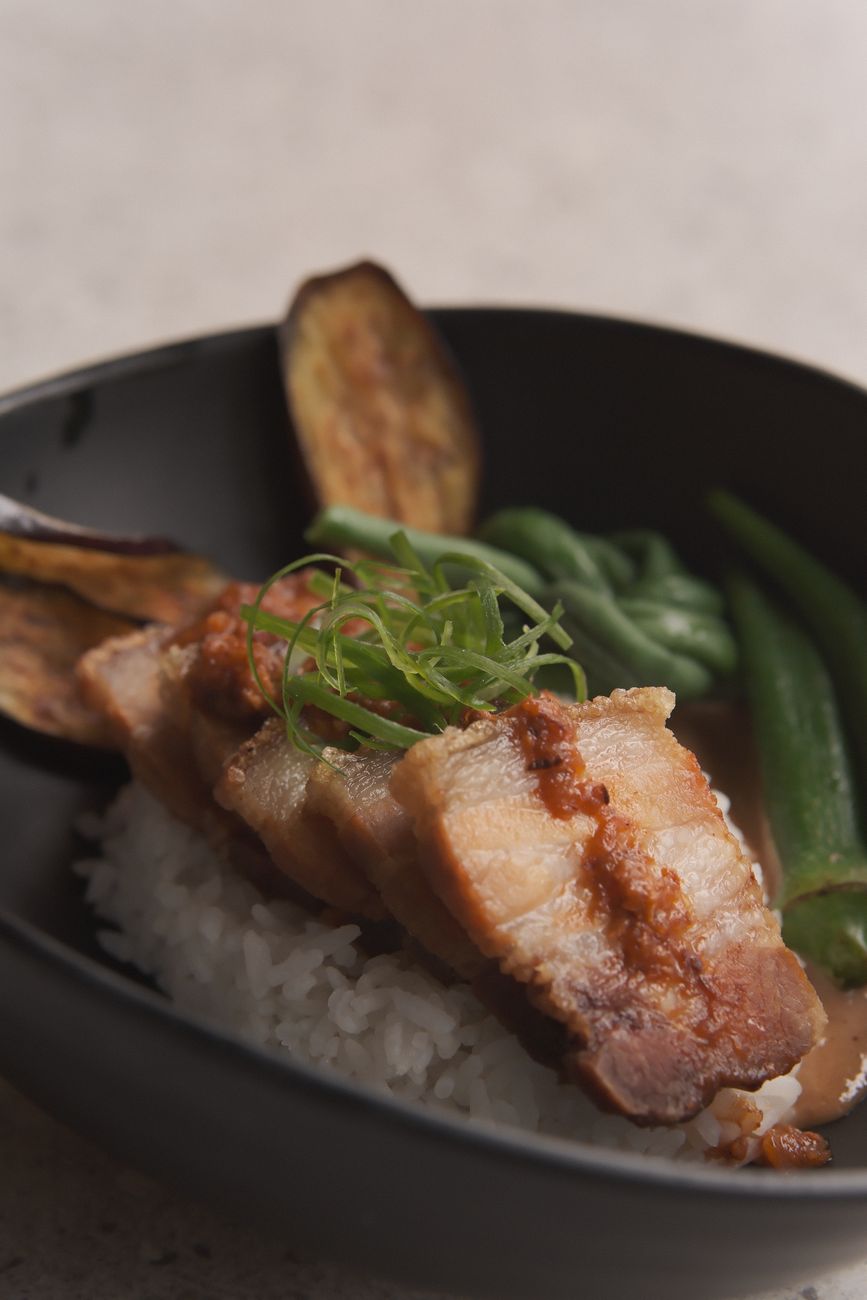
chinese · inferno
May 1, 2026Sichuan Ma La Pork Rice Bowl with Trinidad Moruga Chilies
Tender pork belly glazed in a scorching Sichuan sauce spiked with Trinidad Moruga peppers, served over jasmine rice with crisp vegetables and numbing Sichuan peppercorns. 70 min · 0 saves.
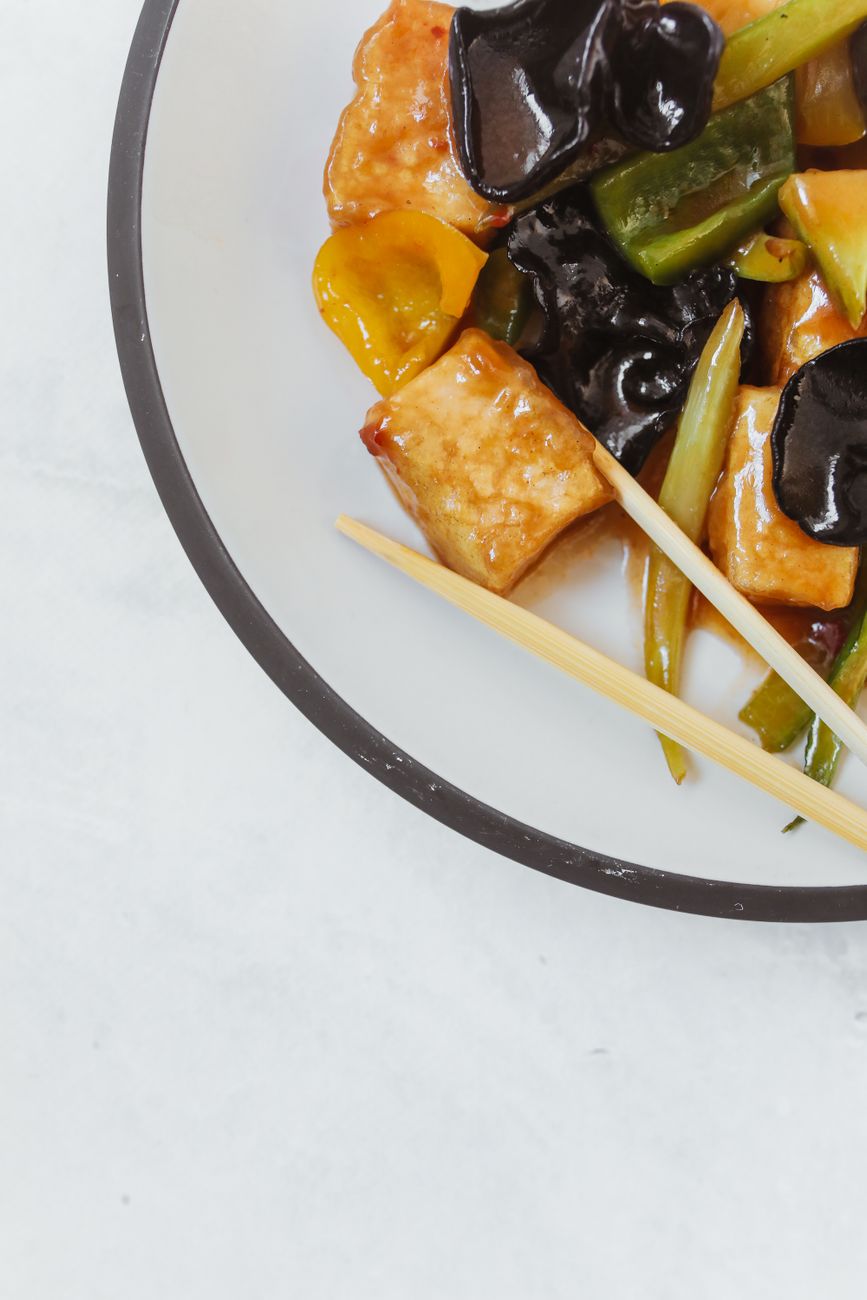
chinese · medium
May 28, 2026Sichuan Mapo Tofu with Mushrooms
Silky tofu and meaty mushrooms braised in a numbing, aromatic sauce built on doubanjiang and Sichuan peppercorns 27 min · 0 saves.

szechuan · hot
Apr 11, 2026Sichuan Mapo Tofu with Extra Chilies
Tender tofu nestled in a gorgeous brick-red sauce with ground pork, Sichuan peppercorns, and generous amounts of chilies that bring genuine warmth and fire to your table. 35 min · 0 saves.
FlamingFoodies picks
Pantry, gear, and bottle picks that fit this meal
Everyday bottle
Yellowbird Habanero Hot Sauce
Bright carrot-habanero heat with enough body to work on eggs, tacos, and roasted vegetables. Best for breakfasts, tacos, and meal prep bowls.
View on AmazonNumbing heat
Fly By Jing Sichuan Gold
A more citrusy, peppercorn-leaning sauce when you want flavor movement instead of pure capsaicin. Best for dumplings, noodles, and fried eggs.
View on AmazonFrom the blog
More about this dish
Read more about the ingredients and cuisine.
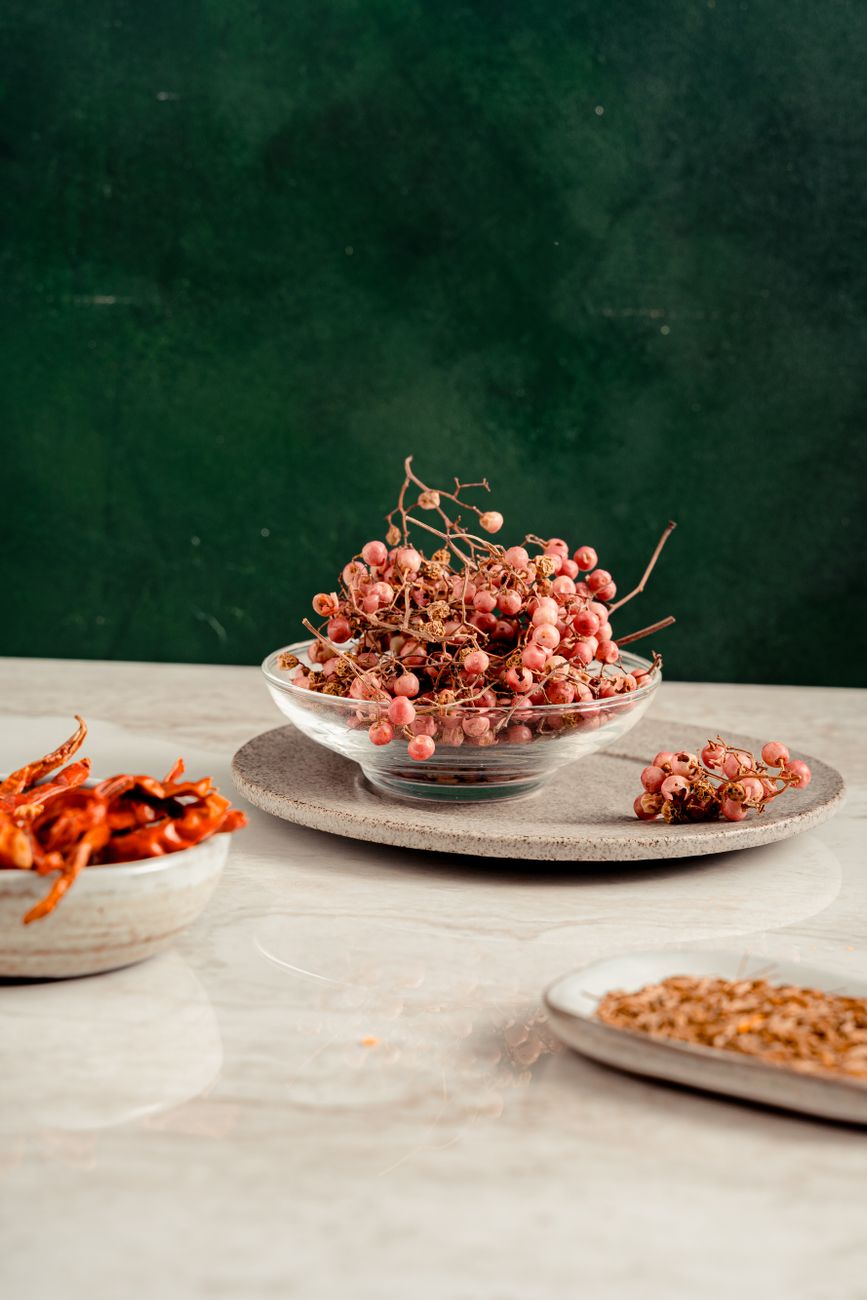
science
Oct 10, 2026Why Chili Oil and Numbing Heat Drive the Spiciest Chinese Dishes Right Now
Two kinds of heat drive the spicy Chinese dishes worth craving: the numbing tingle of Sichuan peppercorn and the slow burn of infused chili oil. Learn how they work together, which dried chilies matter, and how to build layered heat that enhances flavor instead of flattening it.
science
Jun 5, 2026Mapo Tofu, Dan Dan Noodles, and Three More Sichuan Dishes
Mapo tofu, dan dan noodles, Chongqing hot pot, kung pao chicken, and Sichuan fish pair chili with different textures and seasonings.
Background guides
Read the guide behind the technique
Learn more about the cooking techniques used here.
Community notes
Reader discussion is shared across recipes, reviews, and editorial pieces.
Comments are read-only while member sign-in is paused.