science
Sichuan Peppercorns, Doubanjiang, and Chili Oil
Sichuan peppercorns, doubanjiang, and chili oil add tingle, savory depth, and chili flavor. Learn where each fits in a dish.

Share this
Pass it around
Send this page to a friend, copy the link, or save it to a Pinterest board.

Save for later
Pin this page
Save the image with a link back to this recipe, review, or article.
Sichuan Peppercorns, Doubanjiang, and Chili Oil
A good bowl of dan dan noodles or mapo tofu rarely reads as just "spicy." The heat arrives in stages, shifts character partway through, and pulls you back for another bite. That effect comes from technique, not a single fiery ingredient.
Three methods do most of the work: the numbing-and-hot combination of Sichuan peppercorns, the slow-built depth of fermented doubanjiang, and the staged infusion behind a well-made chili oil. Each one shapes flavor differently, and understanding how they're built makes it easier to use them well at home.
Sichuan Peppercorns: Numbing Meets Heat
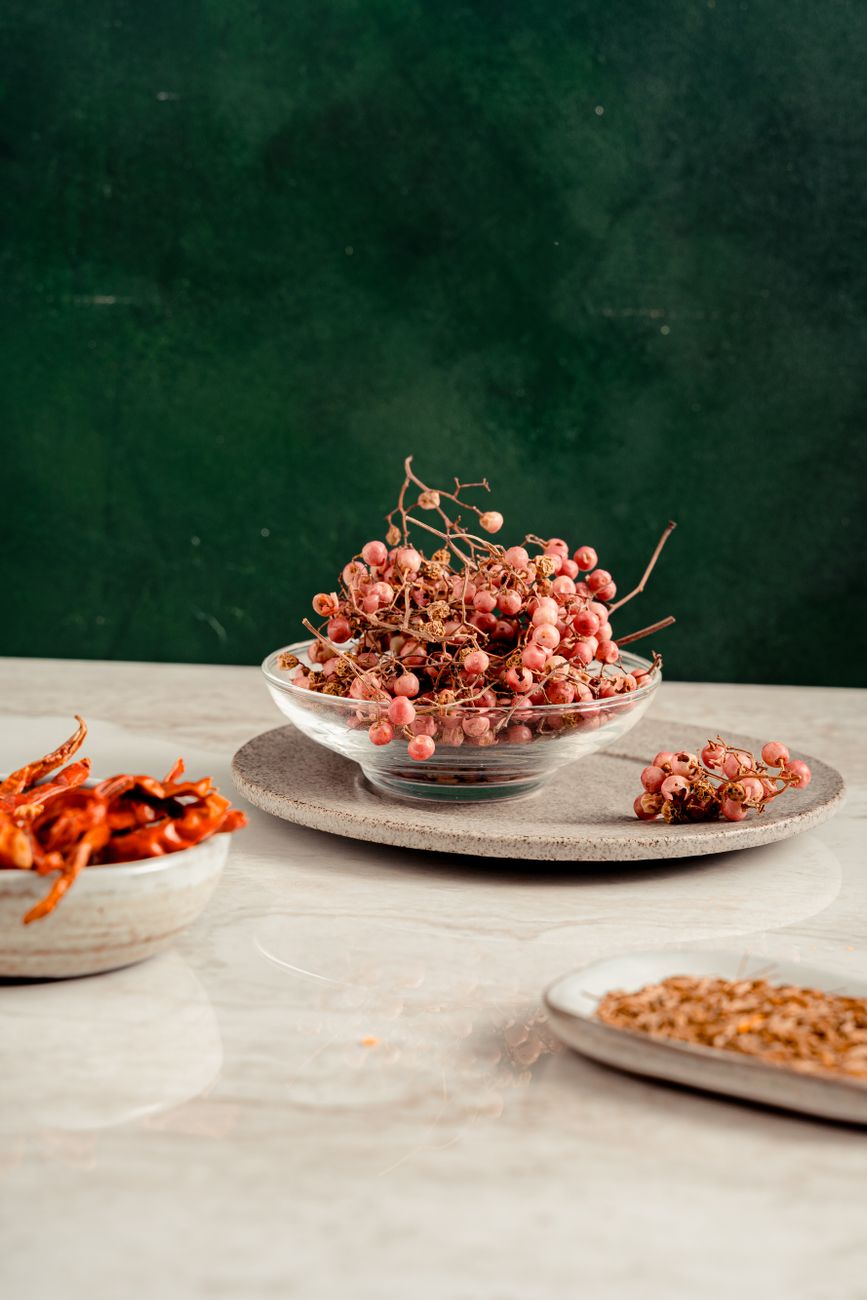
Sichuan peppercorns produce the tingling, slightly buzzing sensation known as ma. Paired with chili heat (la), that tingle changes how the heat comes across—it reads as more layered and less like a single wall of fire.
In a good bowl of mapo tofu, the peppercorns are toasted fresh and ground just before serving, since that's when the tingle is strongest. Get the ratio right: too little and the effect disappears into the background; too much and the dish turns numbing rather than balanced. The goal is a back-and-forth between ma and la that keeps each bite interesting.
This numbing effect is also part of why Sichuan cooking can carry more chili heat than dishes built on chili alone—the tingle offsets some of the sharpness, so the overall dish stays balanced even with a heavy hand on the chilies.
Doubanjiang: Fermentation Adds Depth
Doubanjiang, a fermented broad bean and chili paste, can take months or longer to develop. That fermentation is what separates it from fresh chili heat.
Good doubanjiang smells complex, almost winey, with visible bits of fermented bean mixed through the chili paste. When cooking with it, don't rush the blooming step: let it sizzle gently in oil until it darkens and mellows, which is when the fermented flavors fully open up. Pixian doubanjiang, from Sichuan's Pixian county, is widely regarded as a benchmark style, though other regional and artisanal versions are worth trying as well.
Chili Oil as Layered Infusion
A well-made chili oil isn't a single chili steeped in oil—it's often built from several chili varieties, each added at a different oil temperature to draw out different qualities.
A Shaanxi-style chili oil might start with mild Kashmiri chilies for color, add Chinese tien tsin chilies for sharper heat, and finish with Korean gochugaru for fruitier warmth, each stage timed to the oil's temperature. Different chilies vary in color, aroma and where their heat lands on the palate, so layering them this way produces an oil with more range than any single chili could give on its own.
Thick, chewy biang biang noodles are a good match for this kind of oil because their surface holds onto it well. A single bite can carry the oil's floral notes, a fruitier note from another chili, plus whatever garlic, ginger or other aromatics were built into the mix.
Layered Heat, Not Just Pain
What these three techniques share is a focus on complexity rather than sheer intensity. Numbing peppercorns, fermented paste and staged chili infusions all give a dish more than one thing happening at once—so the heat keeps changing as you eat rather than sitting at one level throughout the meal.
That's the practical difference between a dish that's simply hot and one built with technique: the second kind gives your palate something to track from the first bite to the last.
Peppers featured in this post
Cook with this idea
Recipes to try next.
Put these ingredients and techniques to use in your next meal.
chinese · hot
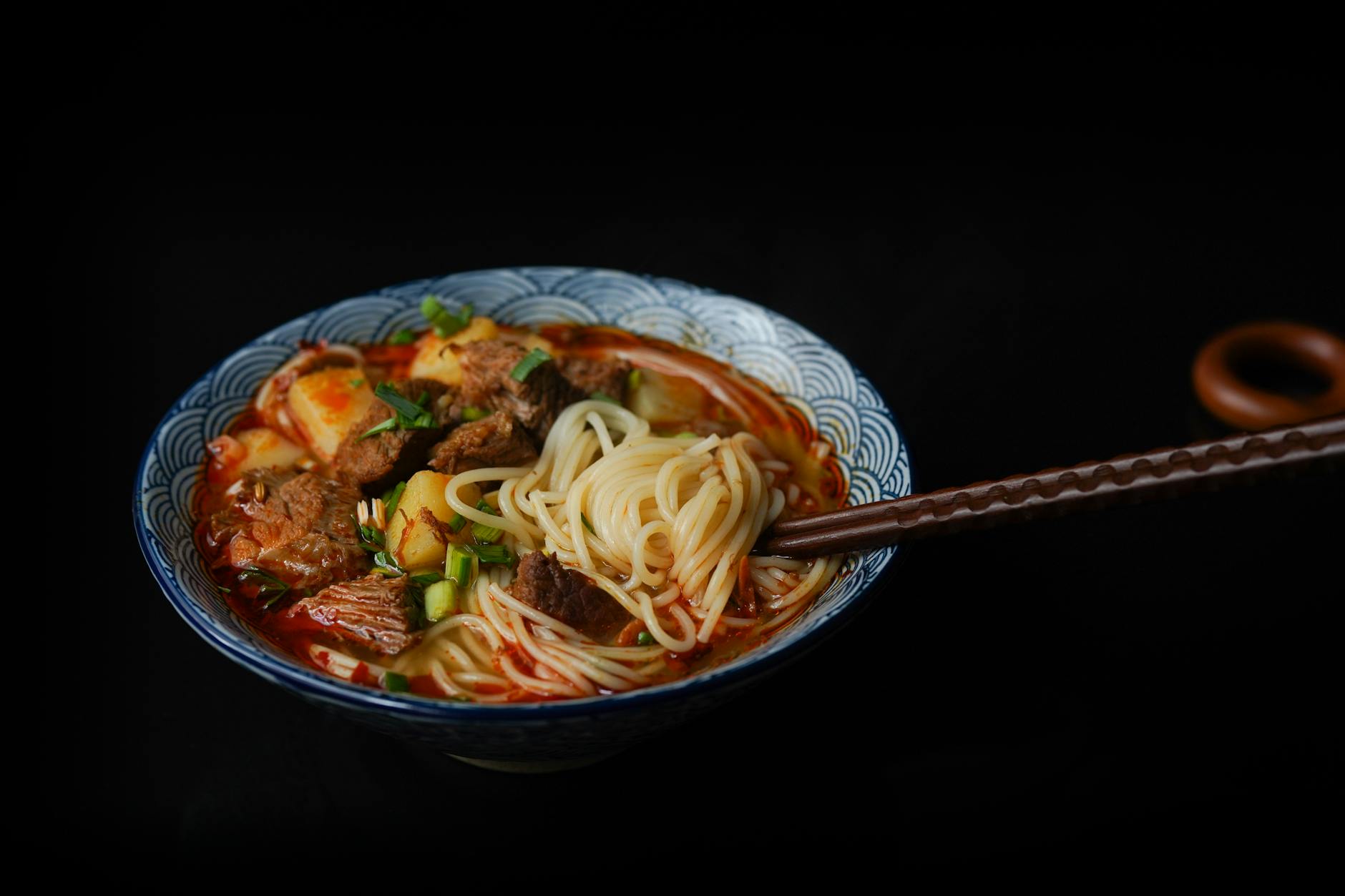
May 18, 2026Sichuan Hot Pot Beef Stew with Mala Oil
A soul-warming Chinese stew that brings the electric heat and numbing spice of Sichuan hot pot to your home kitchen, with tender beef braised in a complex sauce built on Sichuan peppercorns, dried chilies, and fermented bean paste. 140 min · 0 saves.
chinese · medium
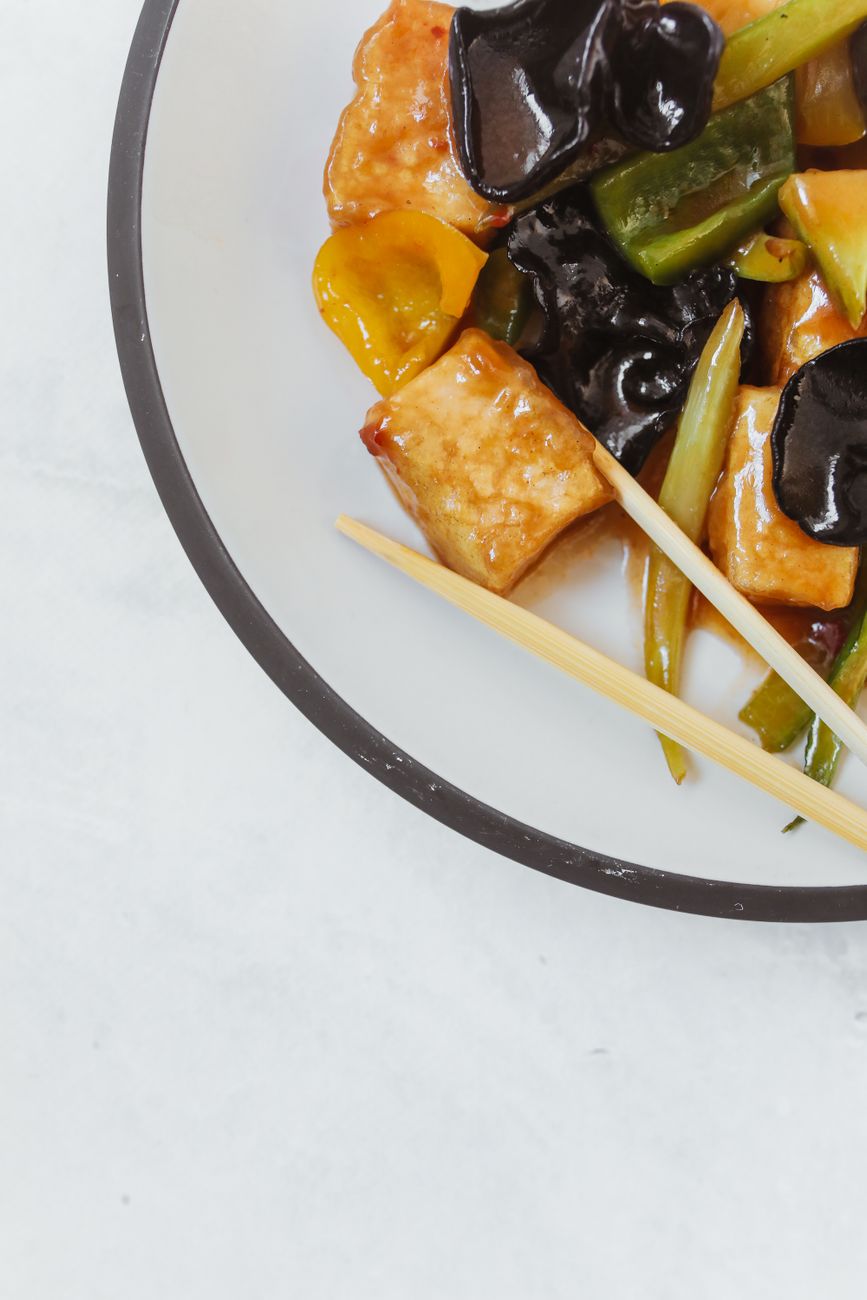
May 28, 2026Sichuan Mapo Tofu with Mushrooms
Silky tofu and meaty mushrooms braised in a numbing, aromatic sauce built on doubanjiang and Sichuan peppercorns 27 min · 0 saves.
chinese · medium
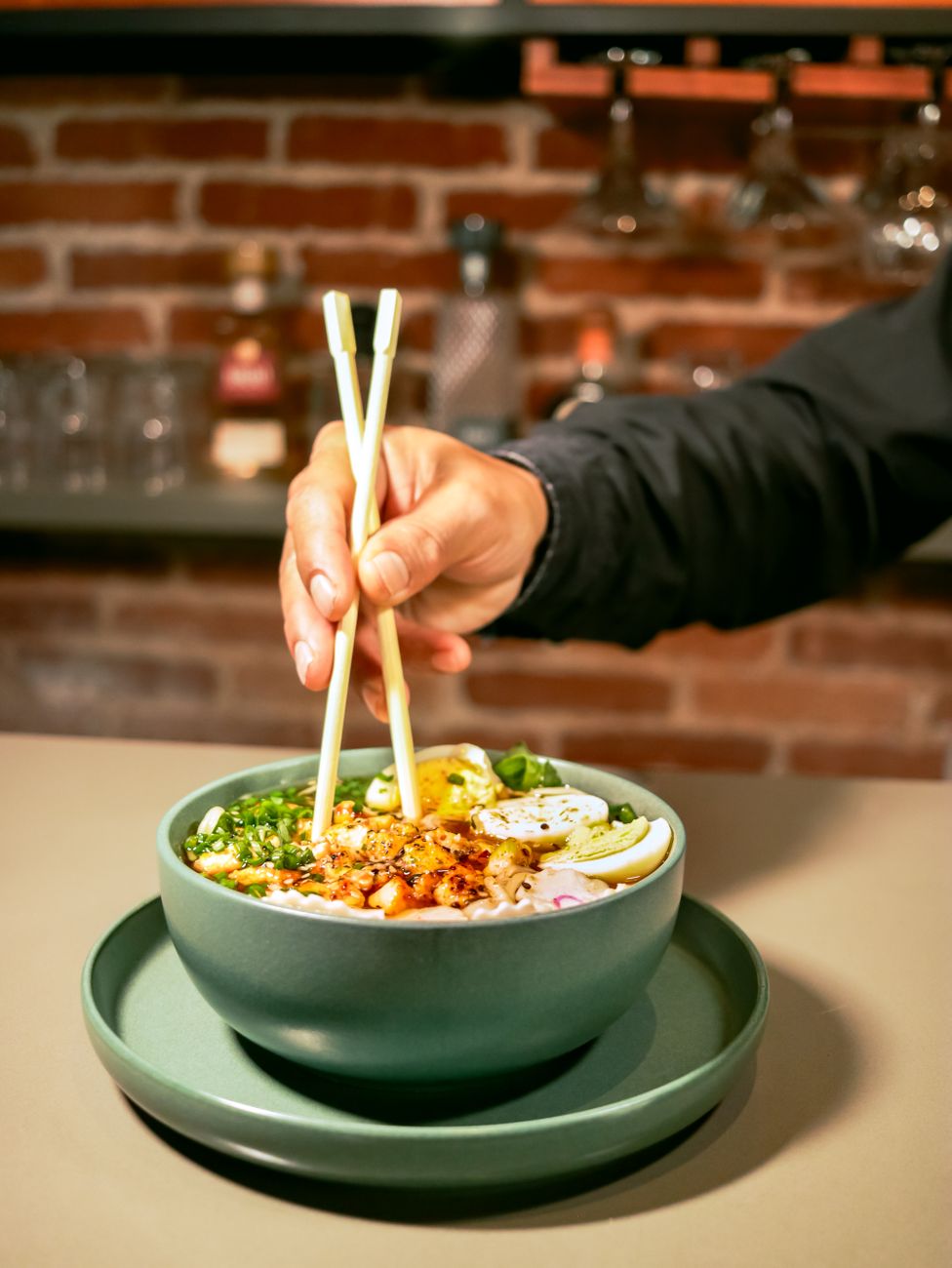
May 14, 2026Dan Dan Noodles with Sichuan Peppercorns
Silky wheat noodles bathed in a rich sesame and chili oil sauce, crowned with savory ground pork and tangy pickled mustard greens—this is the kind of Sichuan comfort food that keeps you coming back for more. 35 min · 0 saves.
Bottle picks
Related hot sauce reviews.
Explore sauces with related ingredients, flavors, and heat levels.
Fly By Jing Sichuan Gold Review
A citrusy, tingly sauce with real peppercorn presence and enough versatility to move beyond dumplings.
Best for dumplings
Best for: Eggs and breakfast tacos
Skip if: Skip if you want a thick, smoky wing sauce more than a bright finishing bottle.
Read review
Heatonist Los Calientes Rojo Review
Heatonist Los Calientes Rojo: flavor notes, heat level, and suggested food pairings.
Best for tacos
Best for: Tacos and rice bowls
Skip if: Skip if you are chasing a novelty-level heat hit or a super-special-occasion bottle.
Read review
Yellowbird Habanero Hot Sauce Review
A bright, carrot-forward bottle with enough heat to stay lively and enough sweetness to stay versatile.
Best for tacos
Best for: Tacos and rice bowls
Skip if: Skip if you want a classic vinegar-forward table sauce with almost no sweetness.
Read review
Go deeper
Background guides that build on this.
Keep reading
More on this subject.
If this post helped, these are the next pieces most likely to keep the thread going.
science
Oct 10, 2026Why Chili Oil and Numbing Heat Drive the Spiciest Chinese Dishes Right Now
Two kinds of heat drive the spicy Chinese dishes worth craving: the numbing tingle of Sichuan peppercorn and the slow burn of infused chili oil. Learn how they work together, which dried chilies matter, and how to build layered heat that enhances flavor instead of flattening it.
science
Jun 5, 2026Mapo Tofu, Dan Dan Noodles, and Three More Sichuan Dishes
Mapo tofu, dan dan noodles, Chongqing hot pot, kung pao chicken, and Sichuan fish pair chili with different textures and seasonings.
science
May 4, 2026Sichuan Hot Pot, Dan Dan Noodles, and Fish-Fragrant Eggplant
Sichuan hot pot, dan dan noodles, and fish-fragrant eggplant combine chili with peppercorns, fermented pastes, and contrasting textures.
Comments
Reader discussion is shared across recipes, reviews, and editorial pieces.
Comments are read-only while member sign-in is paused.