
FlamingFoodies recipe
Dan Dan Noodles with Sichuan Peppercorns
Silky wheat noodles bathed in a rich sesame and chili oil sauce, crowned with savory ground pork and tangy pickled mustard greens—this is the kind of Sichuan comfort food that keeps you coming back for more.
Tender wheat noodles tossed in a luscious sauce of sesame paste, chili oil, and aromatic Sichuan peppercorns, topped with golden ground pork and bright pickled vegetables for a taste of authentic Chengdu comfort.
Ingredients
Noodles
- 1 lbfresh wheat noodles, or dried ramen noodles
- 1 tspsesame oil, for tossing
Sauce
- 3 tbspChinese sesame paste, or tahini
- 2 tbspchili oil with sediment, Sichuan-style preferred
- 2 tbsplight soy sauce
- 1 tbspdark soy sauce, for color
- 1 tbspShaoxing wine, or dry sherry
- 1 tspground Sichuan peppercorns, freshly ground
- 2 tspsugar
- 1 tspblack vinegar, Chinkiang preferred
- 3 tbspchicken stock, or hot noodle water
Toppings
- 6 ozground pork, not too lean
- 2 tbsppreserved mustard greens, ya cai, minced
- 2 clovesgarlic, minced
- 2 scallionsscallions, white and green parts separated
- 1 tsplight soy sauce, for pork
Method
1. Mix the sauce base Whisk together sesame paste, chili oil, both soy sauces, Shaoxing wine, ground Sichuan peppercorns, sugar, and black vinegar in a large bowl. The mixture will look thick and slightly separated at first—that's normal. Gradually whisk in chicken stock until you have a smooth, glossy sauce that coats the back of a spoon.
Watch for: Sauce should be glossy and coat noodles without being gluey
Tip: If your sesame paste is very thick, warm it slightly first
2. Cook the pork topping Heat a wok or large skillet over medium-high heat and add the ground pork. Cook, breaking it into small pieces with a spatula as it browns. After 3-4 minutes, when the pork is mostly cooked through, add minced garlic, white parts of scallions, and preserved mustard greens. Continue cooking until the pork develops crispy, golden edges.
Watch for: Pork should sizzle and turn golden brown with crispy edges
Tip: Don't rush this step—crispy pork makes all the difference
3. Cook the noodles Bring a large pot of water to boil and cook noodles according to package directions until just tender. Before draining, reserve 1/2 cup of the hot, starchy noodle water. Drain noodles thoroughly and toss with sesame oil to prevent sticking.
Watch for: Noodles should have slight bite, not mushy
Tip: Fresh noodles cook faster than you think—usually 2-3 minutes
4. Assemble and serve Add the hot noodles to your sauce bowl and toss quickly with tongs until every strand is beautifully coated. If the sauce seems too thick, add a splash of the reserved noodle water. Divide among bowls and top with the crispy pork mixture and sliced green scallions. Serve immediately while everything is steaming hot.
Watch for: Each noodle strand should glisten with sauce
Tip: Work fast—the noodles should be steaming when served
Equipment
- large pot
- wok or large skillet
- whisk
- tongs
Make ahead
- The sauce keeps beautifully in the fridge for up to 2 days—just give it a good stir before using. You can cook the pork topping earlier in the day and gently reheat it. But definitely cook the noodles fresh for the best texture.
Storage
- Leftovers will keep for 2 days in the fridge, though the noodles lose some of their silky texture. If you think you'll have leftovers, try storing the sauce and toppings separately.
Reheat
- Reheat leftover noodles with a splash of hot water in the microwave, or toss them in a hot wok with a little oil. You might need to add a bit more sauce to bring everything back to life.
Top tips
- Toast whole Sichuan peppercorns in a dry pan before grinding—the fragrance is incredible
- Chinese sesame paste has a richer, nuttier flavor than tahini, but tahini works if that's what you have
- Ya cai (preserved mustard greens) adds that crucial salty, tangy bite—worth seeking out at Asian groceries
Substitutions
- No Chinese sesame paste? Tahini works, but add a pinch more salt to compensate
- Ground turkey or chicken makes a lighter version if you prefer
- Can't find ya cai? Chopped kimchi brings similar tangy, salty flavor
Serve with
- Serve alongside some blanched bok choy or Chinese broccoli for freshness
- Keep extra chili oil on the table for the heat seekers in your family
- A cold cucumber salad makes a perfect cooling contrast to all that rich, warming spice
Find another recipe
Open archive →Dan Dan Noodles with Sichuan Peppercorns

Silky wheat noodles bathed in a rich sesame and chili oil sauce, crowned with savory ground pork and tangy pickled mustard greens—this is the kind of Sichuan comfort food that keeps you coming back for more.
Prep
20 min
Cook
15 min
Active
25 min
Total
35 min
Yield
4 servings
Share this
Pass it around
Send this page to a friend, copy the link, or save it to a Pinterest board.
Save for later
Pin this page
Save the image with a link back to this recipe, review, or article.
Recipe notes
Before you cook
There's something magical about dan dan noodles—the way the heat builds gently on your tongue while Sichuan peppercorns add their signature tingle. This isn't about fire-breathing spice; it's about layers. Sweet sesame paste mingles with fragrant chili oil, salty preserved vegetables add depth, and that distinctive málà sensation makes every bite more compelling than the last. The silky noodles carry this complex sauce beautifully, while crispy bits of pork and crunchy pickled vegetables keep things interesting. It's street food that feels like a warm hug—the kind of bowl that turns a regular Tuesday into something special.
Total time
35 min
Prep: 20 min. Cook: 15 min.
Yield
4 servings
The ingredient quantities below are for this yield.
Method
How to cook it
Use the step navigator to move around, or stay in cook mode and work top to bottom.
- 1
Step 1 of 4
Mix the sauce base
Whisk together sesame paste, chili oil, both soy sauces, Shaoxing wine, ground Sichuan peppercorns, sugar, and black vinegar in a large bowl. The mixture will look thick and slightly separated at first—that's normal. Gradually whisk in chicken stock until you have a smooth, glossy sauce that coats the back of a spoon.
- 2
Step 2 of 4
Cook the pork topping
Heat a wok or large skillet over medium-high heat and add the ground pork. Cook, breaking it into small pieces with a spatula as it browns. After 3-4 minutes, when the pork is mostly cooked through, add minced garlic, white parts of scallions, and preserved mustard greens. Continue cooking until the pork develops crispy, golden edges.
- 3
Step 3 of 4
Cook the noodles
Bring a large pot of water to boil and cook noodles according to package directions until just tender. Before draining, reserve 1/2 cup of the hot, starchy noodle water. Drain noodles thoroughly and toss with sesame oil to prevent sticking.
- 4
Step 4 of 4
Assemble and serve
Add the hot noodles to your sauce bowl and toss quickly with tongs until every strand is beautifully coated. If the sauce seems too thick, add a splash of the reserved noodle water. Divide among bowls and top with the crispy pork mixture and sliced green scallions. Serve immediately while everything is steaming hot.
Troubleshooting
Tips that matter
- Toast whole Sichuan peppercorns in a dry pan before grinding—the fragrance is incredible
- Chinese sesame paste has a richer, nuttier flavor than tahini, but tahini works if that's what you have
- Ya cai (preserved mustard greens) adds that crucial salty, tangy bite—worth seeking out at Asian groceries
Substitutions and variations
Storage and leftovers
Plan ahead and reheat well
Make ahead
The sauce keeps beautifully in the fridge for up to 2 days—just give it a good stir before using. You can cook the pork topping earlier in the day and gently reheat it. But definitely cook the noodles fresh for the best texture.
Storage
Leftovers will keep for 2 days in the fridge, though the noodles lose some of their silky texture. If you think you'll have leftovers, try storing the sauce and toppings separately.
Reheat
Reheat leftover noodles with a splash of hot water in the microwave, or toss them in a hot wok with a little oil. You might need to add a bit more sauce to bring everything back to life.
At the table
Serving suggestions
- Serve alongside some blanched bok choy or Chinese broccoli for freshness
- Keep extra chili oil on the table for the heat seekers in your family
- A cold cucumber salad makes a perfect cooling contrast to all that rich, warming spice
FAQ
Common questions
Where do I find ya cai (preserved mustard greens)?
Check the preserved vegetable section of Chinese grocery stores—it usually comes in small cans or vacuum-sealed packages. Tianjin preserved vegetables work as a good substitute if ya cai isn't available.
Can I make this vegetarian?
Absolutely! Skip the pork and add extra preserved vegetables, or try crumbled firm tofu seasoned with soy sauce and cooked until golden and crispy.
How spicy is this really?
It's more about building warmth than immediate fire. The heat develops gradually, and the Sichuan peppercorns add that signature tingling sensation rather than straight-up burning spice.
Heat profile
Medium heat
The recipe is classified as medium. Use less chile if you prefer milder food.
Skill level
Intermediate
Check the method for steps that need to be prepared at the same time.
Total time
35 min
Prep: 20 min. Cook: 15 min.
Yield
4 servings
The ingredient quantities below are for this yield.
Cook this with
Three useful buys before you start
A sauce, a pantry ingredient, and a kitchen tool to consider for this dish.
Sauce
Sichuan Gold
Fly By Jing · Best for dumplings
It brings enough heat to cut through the richer bites without flattening the rest of the dish.
Get the sauce used herePantry
Crunchy Chili Crisp
Texture hit
Finishing bowls and dumplings. Crunch, oil, and lingering heat for dumplings, eggs, noodles, and roasted vegetables.
Grab the pantry stapleGear
Carbon Steel Wok
Fast heat
High-heat noodles and fried rice. Built for smoky stir-fries, chili oil noodles, and any dinner that needs real burner contact.
Use this toolPair this with
The right bottle for this recipe
These sauce picks are matched to the dish itself, not dropped in at random. Use them to finish, sharpen, or push the heat where it helps.
Sichuan Gold
It brings enough heat to cut through the richer bites without flattening the rest of the dish.
A citrusy, tingly sauce with real peppercorn presence and enough versatility to move beyond dumplings.
Los Calientes Rojo
It brings enough heat to cut through the richer bites without flattening the rest of the dish.
Heatonist Los Calientes Rojo: flavor notes, heat level, and suggested food pairings.
Shop the pantry
Pantry staples for this recipe
Texture hit
$10-$16Crunchy Chili Crisp
Finishing bowls and dumplings. Crunch, oil, and lingering heat for dumplings, eggs, noodles, and roasted vegetables.
Check price on AmazonClean chile hit
$7-$12Huy Fong Sambal Oelek
Fried rice, noodles, and spicy sauces. Straight chili paste for fried rice, noodle sauces, mayo mixes, and dishes that want heat without sweetness.
Check price on AmazonFlavor builder
$8-$15Chung Jung One Gochujang Paste
Layered heat with umami. Fermented chili paste for noodles, wings, marinades, and that sweet-savory Korean backbone.
Check price on AmazonRecommended equipment
Cooking tools
Fast heat
$35-$70Carbon Steel Wok
High-heat noodles and fried rice. Built for smoky stir-fries, chili oil noodles, and any dinner that needs real burner contact.
Check price on AmazonSauce lab
$35-$60Molcajete Mortar and Pestle
Fresh salsa and chunky chili pastes. The right move for salsa macha, charred pepper pastes, and rough-textured marinades with bite.
Check price on AmazonCook next
More recipes with similar heat
These are the next recipes most likely to fit the same mood, pantry, or heat level once this one is in your rotation.
szechuan · medium
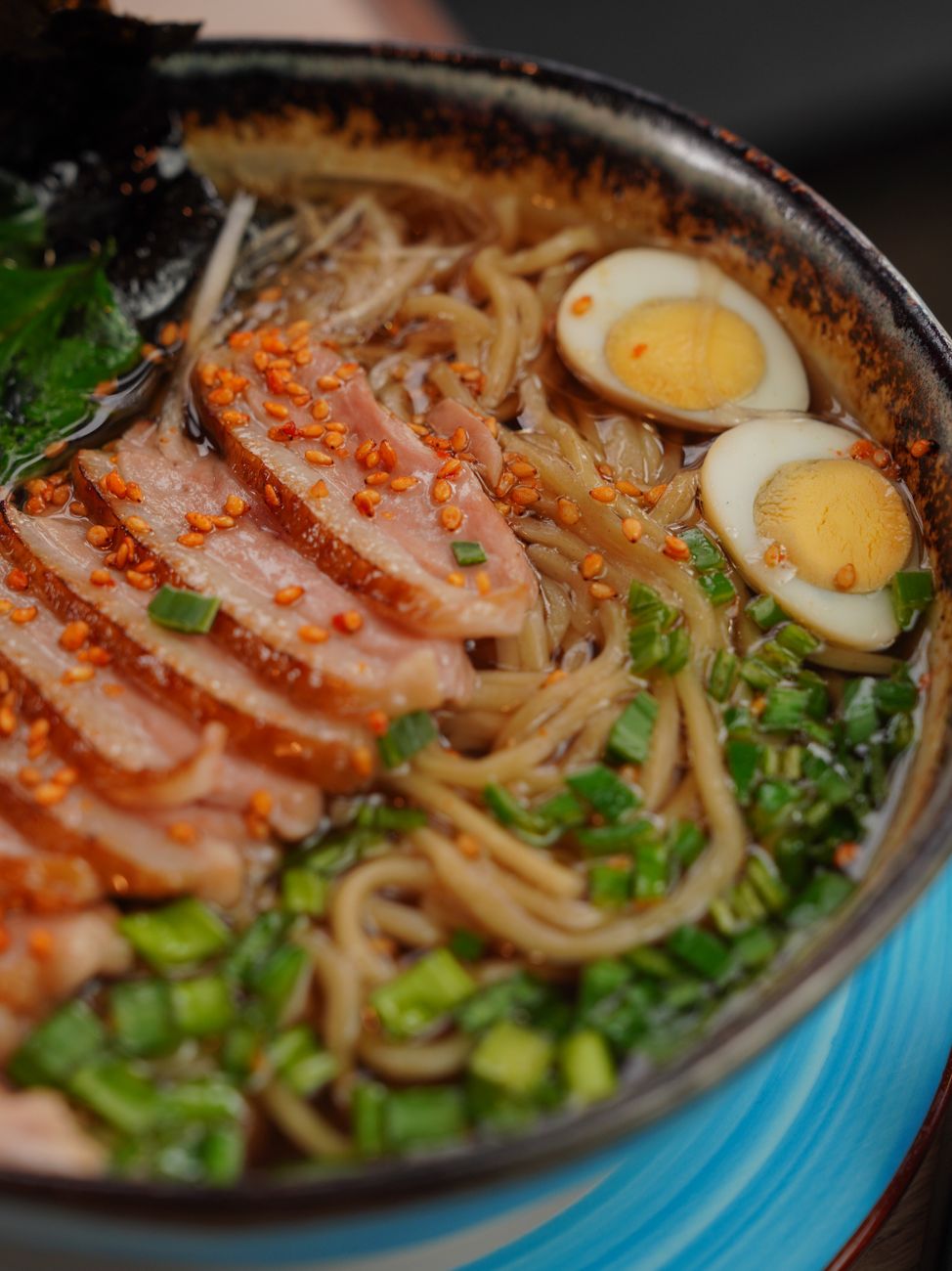
May 27, 2026Dan Dan Noodles with Sichuan Peppercorns
Silky wheat noodles bathed in a rich sesame sauce with the signature tingle of Sichuan peppercorns, topped with savory ground pork and a drizzle of aromatic chili oil. 35 min · 0 saves.

chinese · reaper
Apr 17, 2026Carolina Reaper Dan Dan Noodles
Classic Sichuan dan dan noodles taken to thrilling extremes with Carolina Reaper chili oil, while keeping all the nutty sesame richness and aromatic Shaoxing wine that makes this dish sing. 45 min · 0 saves.
chinese · inferno
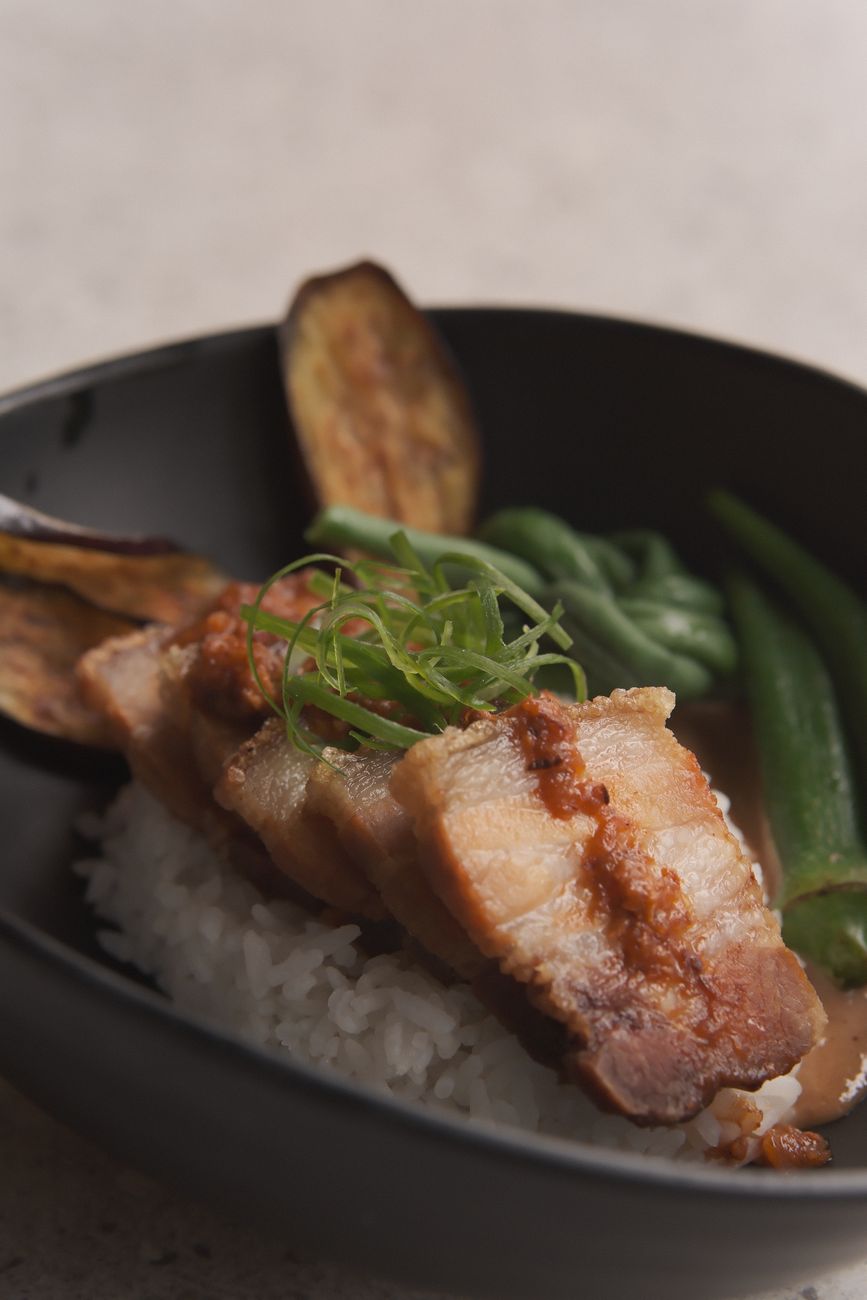
May 1, 2026Sichuan Ma La Pork Rice Bowl with Trinidad Moruga Chilies
Tender pork belly glazed in a scorching Sichuan sauce spiked with Trinidad Moruga peppers, served over jasmine rice with crisp vegetables and numbing Sichuan peppercorns. 70 min · 0 saves.
FlamingFoodies picks
Pantry, gear, and bottle picks that fit this meal
Everyday bottle
Yellowbird Habanero Hot Sauce
Bright carrot-habanero heat with enough body to work on eggs, tacos, and roasted vegetables. Best for breakfasts, tacos, and meal prep bowls.
View on AmazonNumbing heat
Fly By Jing Sichuan Gold
A more citrusy, peppercorn-leaning sauce when you want flavor movement instead of pure capsaicin. Best for dumplings, noodles, and fried eggs.
View on AmazonFrom the blog
More about this dish
Read more about the ingredients and cuisine.

culture
May 23, 2026The New Chinese Spice Wave: How Mala and Beyond Are Reshaping Heat Culture
From Sichuan's tongue-numbing mala to Hunan's clean-burning dry pots, Chinese regional spice traditions offer lessons that will transform how you think about cooking with heat. Here's what your kitchen needs to know.
science
Apr 26, 2026Mala, Wok Hei, and Sweet-Spicy Sauces in Chinese Cooking
Explore mala seasoning, high-heat wok cooking, and sweet-spicy sauces, with examples of how each technique changes a dish.
Background guides
Read the guide behind the technique
Learn more about the cooking techniques used here.
Community notes
Reader discussion is shared across recipes, reviews, and editorial pieces.
Comments are read-only while member sign-in is paused.