science
Mapo Tofu, Dan Dan Noodles, and Three More Sichuan Dishes
Mapo tofu, dan dan noodles, Chongqing hot pot, kung pao chicken, and Sichuan fish pair chili with different textures and seasonings.

Share this
Pass it around
Send this page to a friend, copy the link, or save it to a Pinterest board.

Save for later
Pin this page
Save the image with a link back to this recipe, review, or article.
Mapo Tofu, Dan Dan Noodles, and Three More Sichuan Dishes
Some spicy dishes pull you back for another bite even while your mouth is still buzzing. Chinese cooks have long combined heat with other sensations — numbness, richness, aromatic oils — that keep a dish interesting bite after bite. Here are five preparations that layer those elements together, and the ingredients and techniques that make them work.
The Numbing Pull of Mapo Tofu
The fermented black beans add umami, while the pillowy tofu cubes provide brief relief between waves of heat and numbness. That contrast — heat, then numbness, then a moment of calm from the tofu — is part of what keeps the dish interesting through the whole bowl.
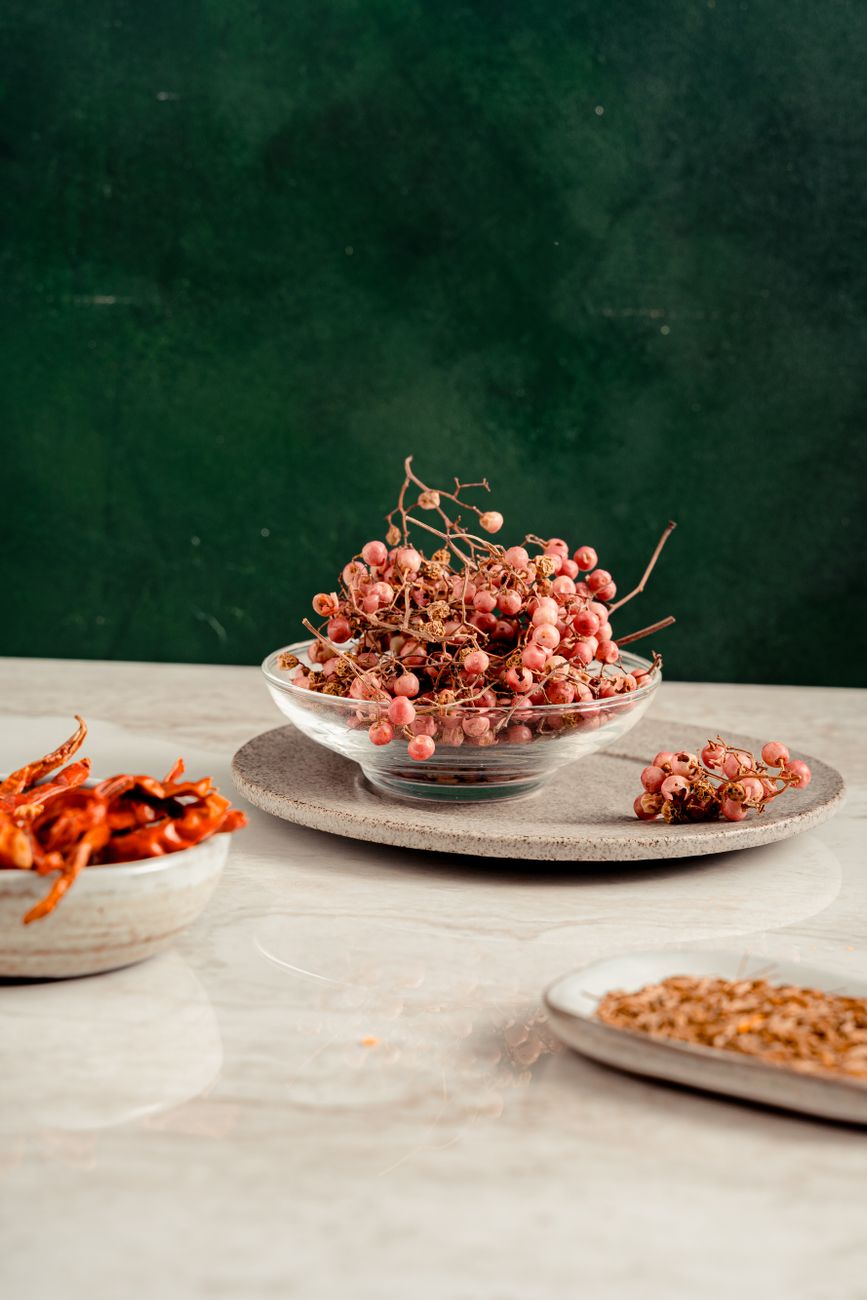
Freshly ground Sichuan peppercorns give a stronger tingling effect than pre-ground pepper, which loses potency in storage.
Why Dan Dan Noodles Hook You on the First Bite
Dan dan noodles pair chili oil with nutty sesame paste and funky ya cai (preserved mustard greens) that only partly balance the heat. The tension between richness and heat is part of the dish's appeal.
Those thick, chewy noodles grab onto every drop of sauce, carrying the chili oil to each bite. The preserved vegetables cut through the richness with salty-sour bursts that spread that oil to new corners of your mouth.
The sesame paste coats the noodles with fat that can make the heat feel manageable at first. But the burn doesn't let up as the meal goes on, so each bite can feel more intense than the last unless you balance it with more noodles and sauce.
Some restaurants offer build-your-own heat level bowls, but the traditional preparation already balances heat, sesame richness and pickled tang within itself.
Chongqing Hot Pot's Escalating Heat
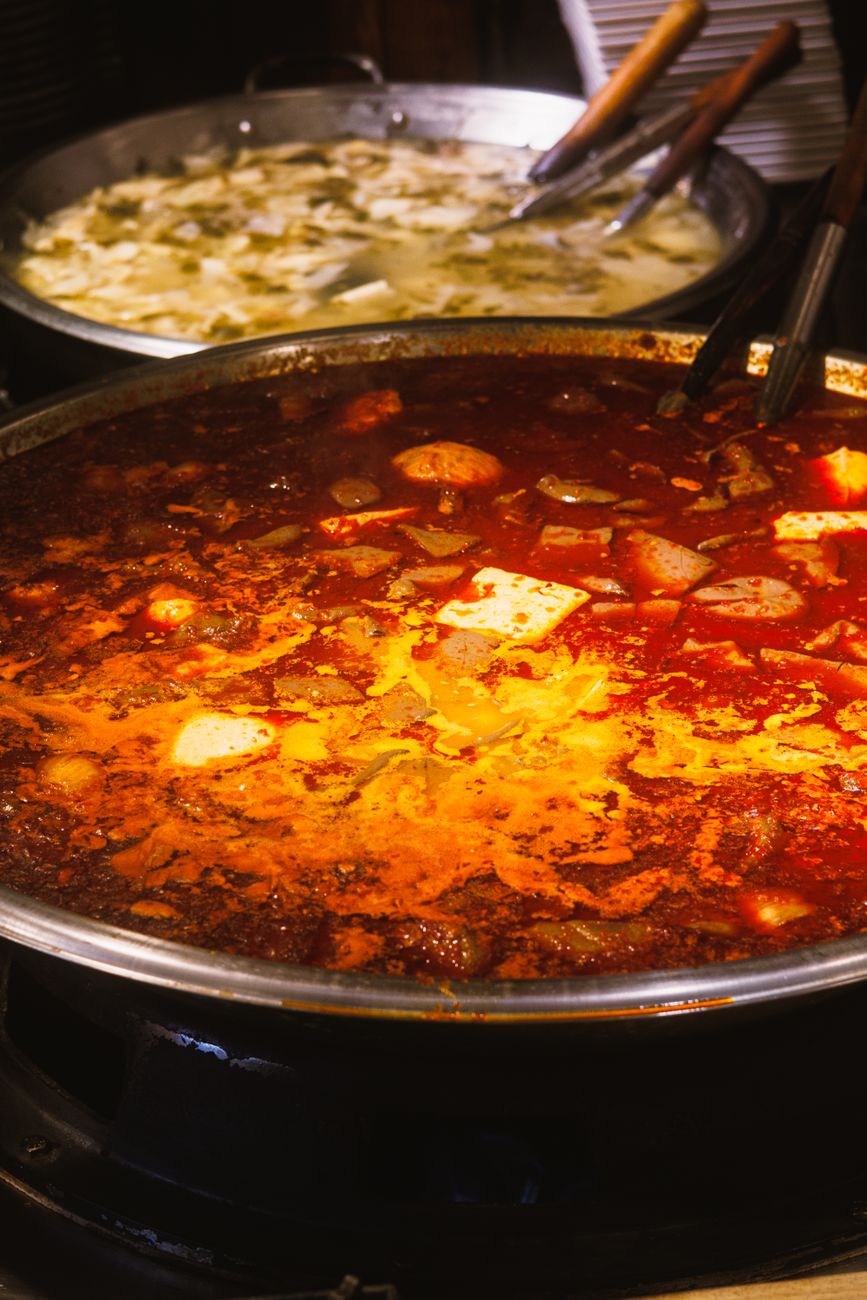
Chongqing-style hot pot builds heat over the course of a meal instead of delivering it all at once. That bubbling cauldron of chili oil and Sichuan peppercorns concentrates in flavor as you cook more meat and vegetables in it.
Chongqing broth starts with dried chilies that have been deseeded and torn, a technique that releases their fruity oils without much of the harsh bitterness of whole pods. The oil is kept just below smoking point, which preserves those flavors while still building heat.
Because the broth keeps intensifying, a meal can run long — hot pot dinners regularly stretch to two or three hours as diners keep dipping.
Eating in a group can affect how much people eat: when everyone at the table is working through the same heat, diners often pace themselves to match each other, which can mean eating more than they would alone.
Kung Pao Chicken's Layered Heat
Real kung pao chicken shows how dried chilies create a different kind of heat than fresh ones. Whole tien tsin chilies infuse the oil with smoky heat while adding almost no moisture to the dish.
You're not meant to eat those charred chilies whole — they're there mainly for aroma, released when the wok gets very hot. The actual heat in the dish comes from chili oil absorbed by the chicken and peanuts during the fast stir-fry.
Texture plays a role too: tender chicken, crunchy peanuts and slightly softened chilies create different ways of experiencing the same heat in one dish. The peanuts add fat and protein that stretch out the burn, and their crunch keeps you chewing, working the chili oil around your mouth.
A touch of black vinegar and sugar rounds out the dish without masking the chili heat.
Sichuan Fish: When Oil Becomes the Star
Sichuan boiled fish (shui zhu yu) turns chili oil into the main event of the dish. Delicate fish fillets float in what looks like a small red sea studded with chilies and peppercorns.
This oil-poaching technique keeps the fish tender while infusing each piece with the surrounding spices. The oil stays gentle enough to cook the fish through but hot enough to keep releasing flavor from the chilies and peppercorns.
You end up eating spoonfuls of seasoned chili oil along with the fish, since the oil carries much of the dish's flavor.
Restaurants often serve this with extra rice, useful for soaking up the sauce once the fish is gone.
What Ties These Dishes Together
These five dishes combine heat with other elements — numbness, richness, aromatic oil, textural contrast — rather than relying on chili alone. That combination is part of why they can feel different from simpler hot sauces or single-note spicy dishes, where the heat is more likely to feel repetitive by the end of the meal.
Cook with this idea
Recipes to try next.
Put these ingredients and techniques to use in your next meal.
chinese · hot
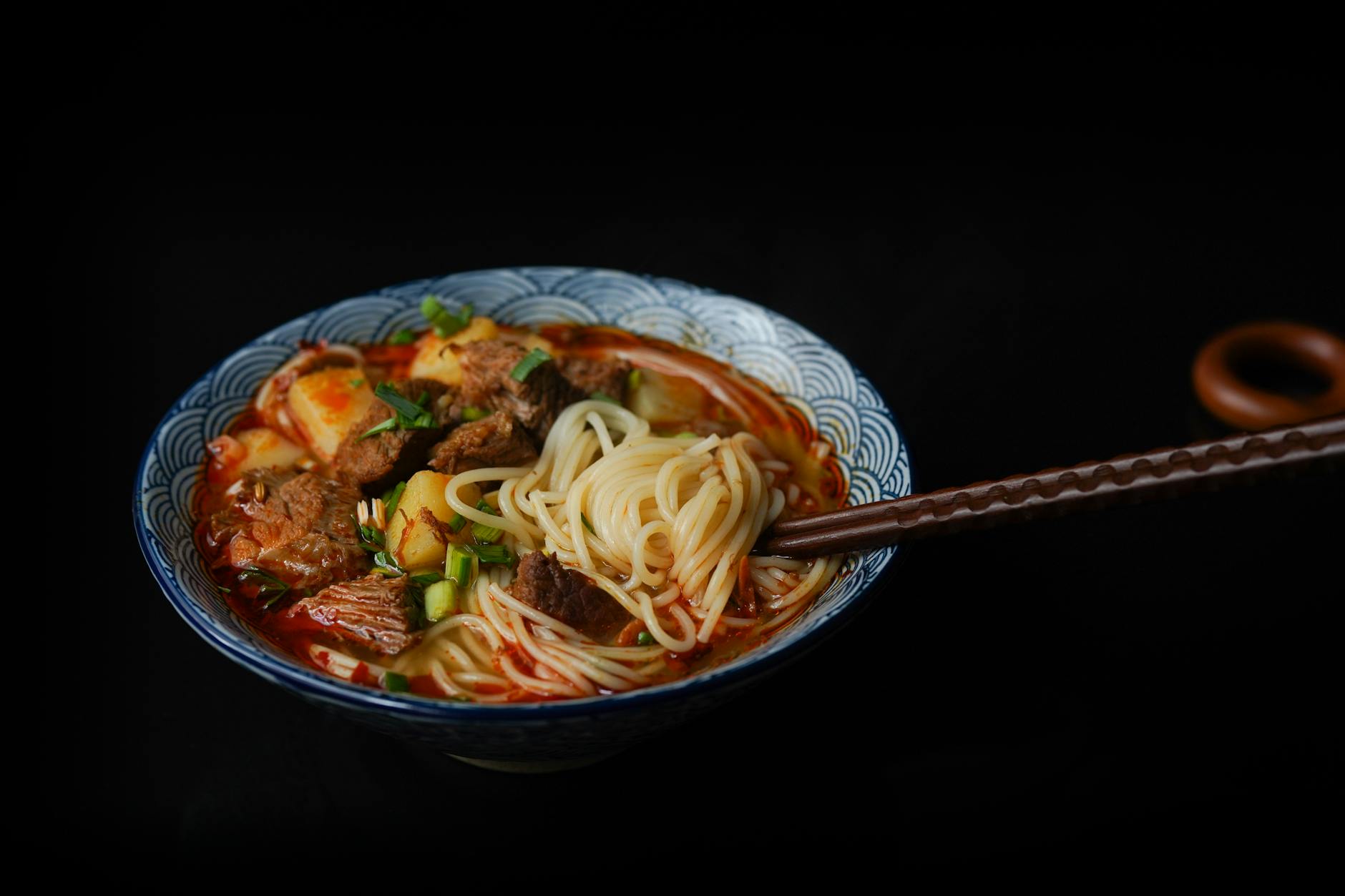
May 18, 2026Sichuan Hot Pot Beef Stew with Mala Oil
A soul-warming Chinese stew that brings the electric heat and numbing spice of Sichuan hot pot to your home kitchen, with tender beef braised in a complex sauce built on Sichuan peppercorns, dried chilies, and fermented bean paste. 140 min · 0 saves.
chinese · medium
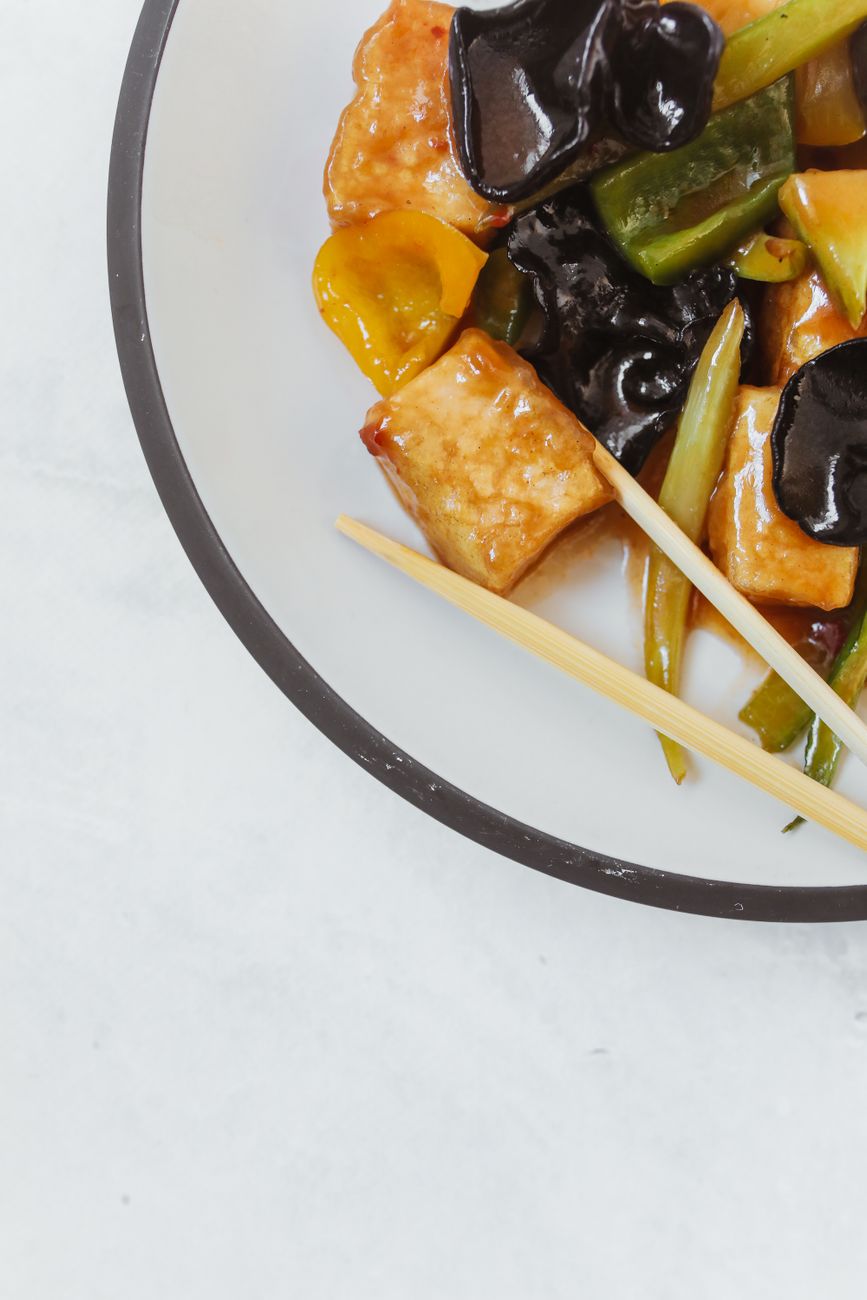
May 28, 2026Sichuan Mapo Tofu with Mushrooms
Silky tofu and meaty mushrooms braised in a numbing, aromatic sauce built on doubanjiang and Sichuan peppercorns 27 min · 0 saves.
chinese · medium
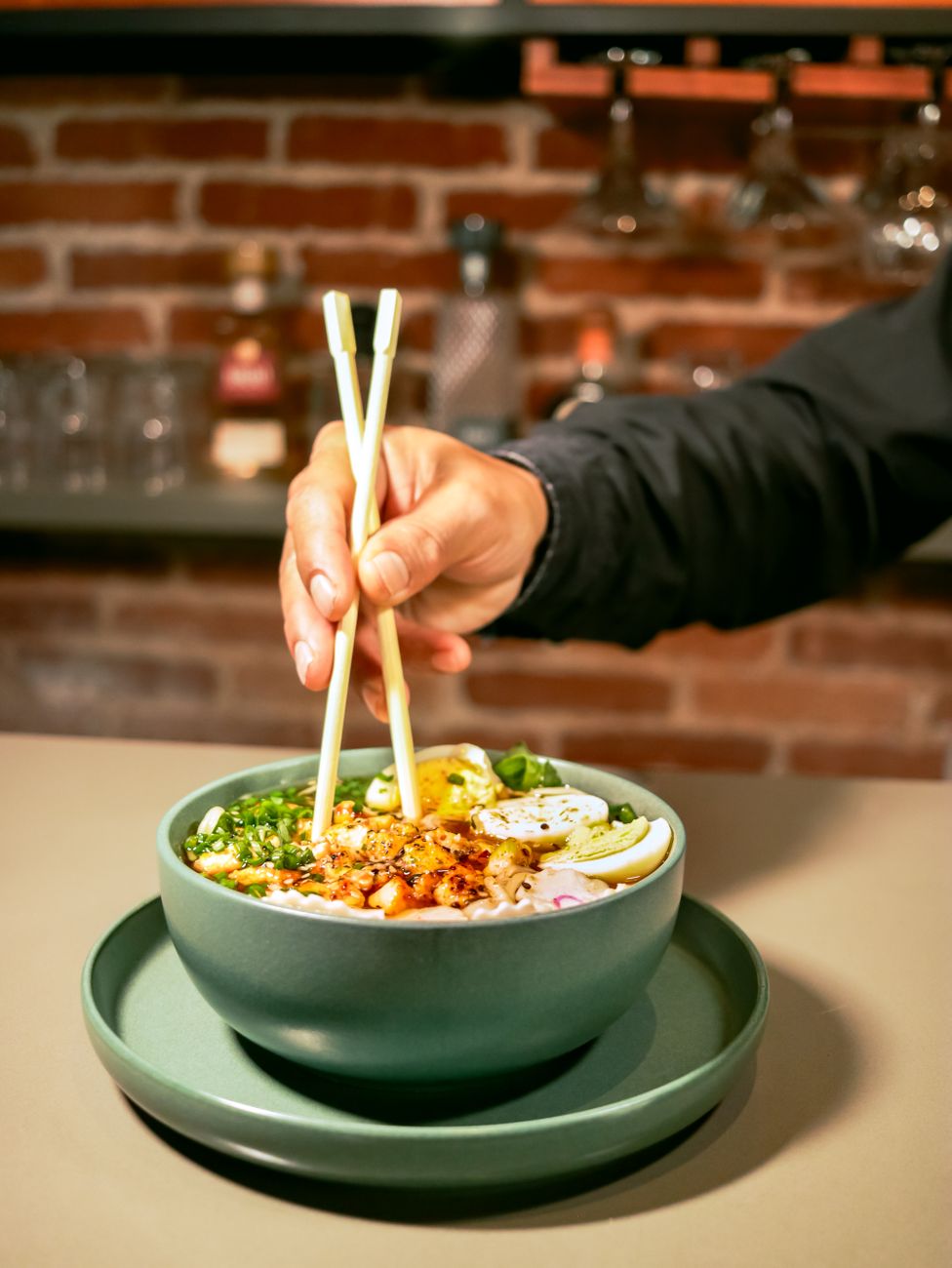
May 14, 2026Dan Dan Noodles with Sichuan Peppercorns
Silky wheat noodles bathed in a rich sesame and chili oil sauce, crowned with savory ground pork and tangy pickled mustard greens—this is the kind of Sichuan comfort food that keeps you coming back for more. 35 min · 0 saves.
Bottle picks
Related hot sauce reviews.
Explore sauces with related ingredients, flavors, and heat levels.
Yellowbird Habanero Hot Sauce Review
A bright, carrot-forward bottle with enough heat to stay lively and enough sweetness to stay versatile.
Best for tacos
Best for: Tacos and rice bowls
Skip if: Skip if you want a classic vinegar-forward table sauce with almost no sweetness.
Read review
Queen Majesty Scotch Bonnet and Ginger Review
A bright, elegant sauce that leans on fruit, ginger, and Scotch bonnet lift instead of brute force.
Best for seafood
Best for: Seafood and fish tacos
Skip if: Skip if you want a thick, smoky wing sauce more than a bright finishing bottle.
Read review
Fly By Jing Sichuan Gold Review
A citrusy, tingly sauce with real peppercorn presence and enough versatility to move beyond dumplings.
Best for dumplings
Best for: Eggs and breakfast tacos
Skip if: Skip if you want a thick, smoky wing sauce more than a bright finishing bottle.
Read review
Go deeper
Background guides that build on this.
Keep reading
More on this subject.
If this post helped, these are the next pieces most likely to keep the thread going.
science
Oct 10, 2026Why Chili Oil and Numbing Heat Drive the Spiciest Chinese Dishes Right Now
Two kinds of heat drive the spicy Chinese dishes worth craving: the numbing tingle of Sichuan peppercorn and the slow burn of infused chili oil. Learn how they work together, which dried chilies matter, and how to build layered heat that enhances flavor instead of flattening it.
science
Jun 3, 2026Sichuan Peppercorns, Doubanjiang, and Chili Oil
Sichuan peppercorns, doubanjiang, and chili oil add tingle, savory depth, and chili flavor. Learn where each fits in a dish.
science
May 4, 2026Sichuan Hot Pot, Dan Dan Noodles, and Fish-Fragrant Eggplant
Sichuan hot pot, dan dan noodles, and fish-fragrant eggplant combine chili with peppercorns, fermented pastes, and contrasting textures.
Comments
Reader discussion is shared across recipes, reviews, and editorial pieces.
Comments are read-only while member sign-in is paused.