
science
Using Nduja and Calabrian Chiles in Pasta and Pizza
Stir nduja into a sauce or use Calabrian chiles on pasta and pizza, keeping garlic, tomato, cheese, and other flavors in balance.
Share this
Pass it around
Send this page to a friend, copy the link, or save it to a Pinterest board.

Save for later
Pin this page
Save the image with a link back to this recipe, review, or article.
Something shifted in Italian-American kitchens over the past few years. Where menus once offered gentle heat—red pepper flakes, a mild crushed chili in arrabbiata—more restaurants now serve Calabrian chile oil, 'nduja spread thick on bread and pizza, and pasta dishes with real heat behind them.
This isn't only a matter of chasing a trend. The technique behind these dishes—how heat gets built into fat, sauce, and dough rather than shaken on at the table—explains a lot of what makes them work, and it's worth understanding if you want to cook this way at home.
Roman Classics, Reimagined
Rome's iconic pasta dishes earned their reputation through restraint and technique. Versions that add chile heat work best when they respect that restraint, layering warmth onto the original dish rather than covering it up.
Properly reserved pasta water still does its usual job here: the starch helps emulsify the cheese and spreads the chile flakes evenly through the sauce, so the heat lands consistently bite to bite instead of in random hot spots.
This same approach shows up in other Roman riffs:
- Carbonara with a spoonful of 'nduja whisked into the egg mixture
- Amatriciana using fresh Calabrian peppers alongside the guanciale
- Aglio e olio where chile oil replaces plain olive oil
Each variation keeps the original dish's fat-starch-salt balance intact while layering in heat.
Pizza Beyond the Shaker
For a long time, American pizza treated spice as an afterthought—dried flakes from a shaker, applied after the fact. The alternative is to build heat into the dough, sauce, or toppings before the pizza goes into the oven.
Hot honey gets most of the attention, and the appeal is straightforward: sweetness against heat is a contrast plenty of dishes rely on, and drizzling it over a finished pizza is an easy way to add both at once.
The more interesting technique happens earlier in the process. Some pizzaiolos brush dough with Calabrian chile oil before adding toppings, or blend chile paste directly into the tomato sauce, so the chile cooks alongside everything else in a hot oven. Heat added this way becomes part of the sauce or crust itself rather than something sitting on top of the finished pie.
Familiar Bases, New Heat
Spicy Italian dishes work partly because they start from something already familiar. Pasta, tomatoes, and cheese are comfort-food staples in Italian-American cooking, and adding chile heat to that base changes the dish without abandoning what makes it recognizable.
That familiarity is likely part of why these dishes show up on menus as regulars rather than one-off specials: the heat is additive to a dish people already know, not a replacement for it.
Cooking With This Approach
Fat is your heat delivery system—olive oil, butter, rendered guanciale fat, or 'nduja itself. Build heat through cooking rather than adding it all at the end. Use starchy pasta water as an emulsifier to help distribute chile flakes or oil evenly through the dish.
Seek out actual Calabrian chile paste or oil rather than a generic hot sauce. The pepper variety brings a fruity sweetness alongside the heat, which balances better in tomato-based dishes than sharper, more aggressive chiles.
Peppers featured in this post
Cook with this idea
Recipes to try next.
Put these ingredients and techniques to use in your next meal.
italian · medium
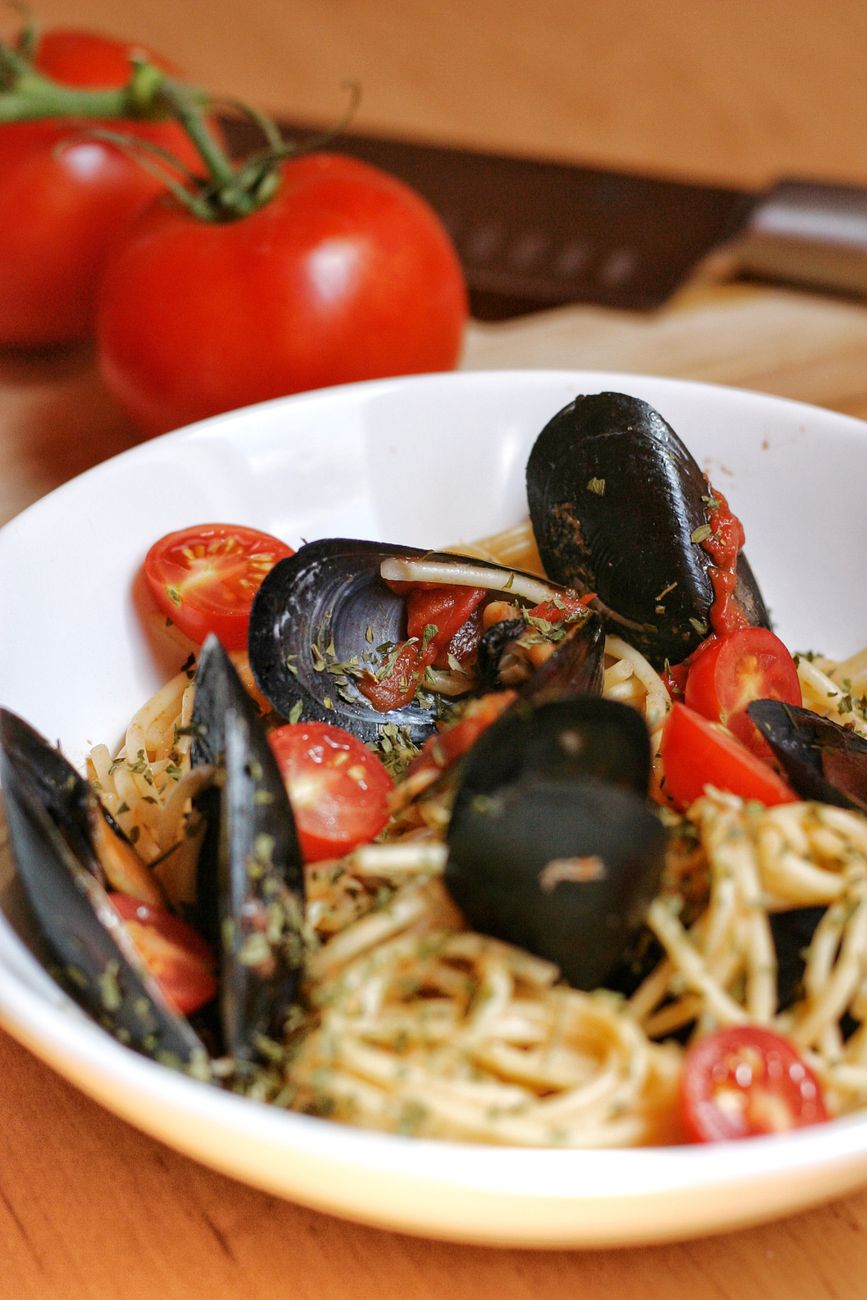
Jun 10, 2026Spaghetti all'Arrabbiata with Mussels
Fresh mussels tossed with spicy arrabbiata sauce and spaghetti for a fiery Roman-style seafood pasta that balances briny sweetness with cayenne heat. 35 min · 0 saves.

italian · medium
Mar 25, 2026Calabrian Chili Vodka Rigatoni
Creamy rigatoni with tomato depth, Calabrian chile fruitiness, and enough heat to keep it from tasting too plush. 35 min · 477 saves.
italian · hot
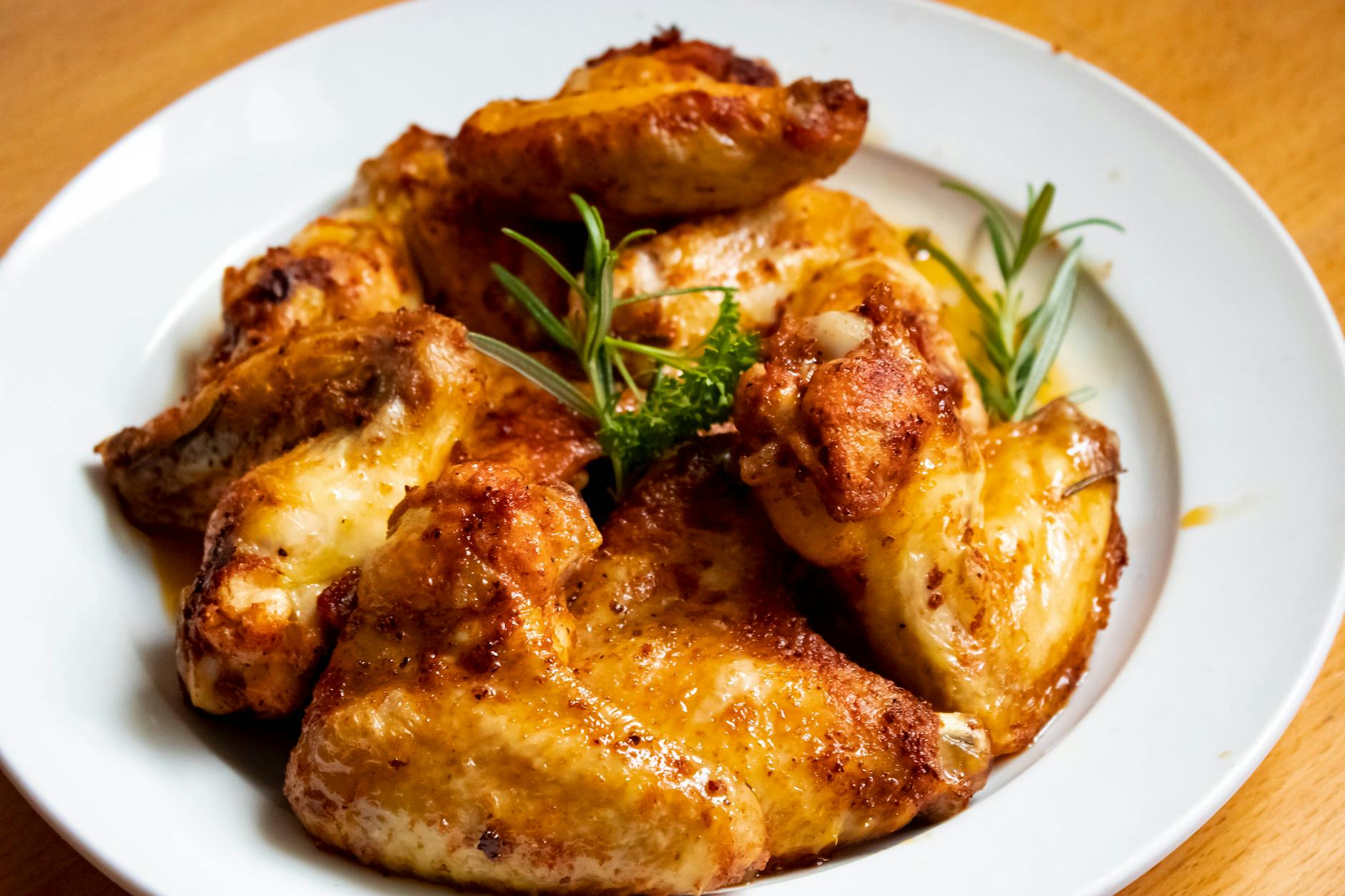
May 15, 2026Calabrian Chile Wings with Spicy Honey Glaze
Chicken wings tossed in a fiery Calabrian chile paste and finished with hot honey for the kind of heat that builds beautifully with each bite. 60 min · 0 saves.
Bottle picks
Related hot sauce reviews.
Explore sauces with related ingredients, flavors, and heat levels.
Mike's Hot Honey Review
Sweet heat done right: sticky, quick, and versatile enough to become a finishing move instead of a novelty.
Best for gifting
Best for: Pizza and fried chicken
Skip if: Skip if you want a classic vinegar-forward table sauce with almost no sweetness.
Read review
Heatonist Los Calientes Rojo Review
Heatonist Los Calientes Rojo: flavor notes, heat level, and suggested food pairings.
Best for tacos
Best for: Tacos and rice bowls
Skip if: Skip if you are chasing a novelty-level heat hit or a super-special-occasion bottle.
Read review
Yellowbird Habanero Hot Sauce Review
A bright, carrot-forward bottle with enough heat to stay lively and enough sweetness to stay versatile.
Best for tacos
Best for: Tacos and rice bowls
Skip if: Skip if you want a classic vinegar-forward table sauce with almost no sweetness.
Read review
Go deeper
Background guides that build on this.
Keep reading
More on this subject.
If this post helped, these are the next pieces most likely to keep the thread going.

science
Oct 6, 2026Why Spicy Italian Cooking is Becoming Harder to Ignore
Southern Italian cooks have always used peperoncini as a core seasoning, not a novelty. Here's how heat works in regional Italian cooking, why it's becoming more visible, and how to use dried peppers to sharpen flavor rather than overwhelm it.

science
Jun 7, 2026Nduja and Calabrian Chile Oil: Texture and Cooking Uses
Learn about the texture and culinary uses of nduja and Calabrian chile oil, from spreading on bread to seasoning pasta.

science
May 20, 2026Nduja, Arrabbiata, and Aglio e Olio: Italian Chili Dishes
Nduja, arrabbiata, and aglio e olio offer different ways to pair chili with pasta, tomatoes, garlic, and olive oil.
Comments
Reader discussion is shared across recipes, reviews, and editorial pieces.
Comments are read-only while member sign-in is paused.