
culture
Why Brazil's Fiery Regional Cooking Is Having Its Moment
From malagueta-spiked moqueca to pimenta-de-cheiro stews, Brazilian heat culture offers complexity beyond the ubiquitous jalapeño. Here's what makes these dishes so craveable—and why your dinner table needs this kind of warmth.

Share this
Pass it around
Send this page to a friend, copy the link, or save it to a Pinterest board.

Save for later
Pin this page
Save the image with a link back to this recipe, review, or article.
Brazilian spice culture runs deeper than most of us realize. While we've gotten comfortable with our jalapeños and serranos, Brazil's regional heat traditions offer something entirely different: a sophisticated dance between indigenous peppers, African techniques, and Portuguese soul that creates dishes where the heat actually serves the flavor.
The timing couldn't be better for Brazilian spicy food to find its way to more American tables. After years of those ridiculous heat-for-heat's-sake challenges, people want complexity in their spice. Brazilian dishes deliver exactly that—layers of flavor where peppers enhance rather than assault.
The Malagueta Pepper Revolution in Bahian Cooking
Malagueta peppers define Bahian cuisine in ways that go well beyond simple heat. These small, potent beauties—roughly equivalent to cayenne in intensity but with this distinctly fruity bite—show up in practically every traditional dish from Salvador and beyond.
Moqueca represents everything malagueta can do. This coconut milk-based seafood stew relies on malagueta to cut through the richness of dendê oil and coconut, creating balance rather than just fire. The pepper's brightness lifts the entire dish without bullying delicate fish or shrimp into submission.
Vatapá showcases malagueta in an even more nuanced role. This thick, gorgeous stew combines ground cashews, peanuts, bread, coconut milk, and dried shrimp into something that could easily become heavy and cloying. Malagueta provides the acidic counterpoint that makes each spoonful interesting instead of monotonous.
What makes malagueta particularly appealing is its versatility with ingredients we already love. Unlike some specialty peppers that require entirely new cooking techniques, malagueta works beautifully in familiar applications—tossed into marinades for grilled chicken, blended into hot sauces, or minced into rice dishes.
Pimenta-de-Cheiro: The Habanero's Sophisticated Cousin
Pimenta-de-cheiro brings serious heat with an almost floral complexity that sets it apart from the more common habanero. Popular throughout northern Brazil, particularly in Amazonian cooking, this pepper typically measures between 100,000 and 350,000 Scoville units—putting it in habanero territory for heat but with a completely different personality.
The pepper shines most prominently in tacaca, that iconic Amazonian soup combining jambu (a local herb that creates a tingling mouth sensation), dried shrimp, and tucumã. Pimenta-de-cheiro provides the heat foundation that supports these unusual flavors without steamrolling them.
Brazilian cooks also rely on pimenta-de-cheiro in slow-cooked meat stews where its heat has time to mellow and integrate. Unlike jalapeños, which can turn bitter with long cooking, pimenta-de-cheiro develops deeper, almost smoky notes that enhance rather than muddy the overall flavor.
For those ready to experiment, pimenta-de-cheiro works particularly well in:
- Slow-braised pork shoulder with citrus and herbs
- Coconut-based curry-style dishes
- Hot sauces where you want complexity beyond pure heat
- Marinades for grilled fish or chicken
The Art of Pepper Preservation and Condiment Culture
Brazilian hot sauce culture operates on completely different principles than our American tradition. Rather than creating shelf-stable products designed for mass distribution, Brazilian pepper condiments tend to be fresh, regionally specific, and designed to complement particular dishes.
Pimenta malagueta sauce—typically just peppers, lime juice, salt, and sometimes garlic—stays fresh in the refrigerator for weeks and provides a bright, clean heat that works with everything from grilled meats to black beans. The simplicity is the point: you taste the pepper itself, not a complex blend of vinegars and stabilizers.
Azeite de dendê with peppers represents another approach entirely. This palm oil-based condiment infuses malagueta or other local peppers into the oil itself, creating a finishing sauce that adds both heat and richness. A few drops transform simple rice and beans into something much more compelling.
Molho de pimenta varies significantly by region, but the best versions share a commitment to showcasing the specific peppers rather than masking them. Northern Brazilian versions often include regional fruits like caju or mangaba, creating sweet-heat combinations that work particularly well with grilled foods.
Why Brazilian Heat Culture Matters Now
The appeal of Brazilian spicy food extends well beyond novelty. These dishes represent a mature heat culture—one that developed over centuries of mixing indigenous ingredients with African cooking techniques and Portuguese soul.
Unlike cuisines where peppers were added later or where heat serves mainly as machismo, Brazilian cooking treats peppers as essential flavoring ingredients. The heat serves specific culinary purposes: cutting richness in coconut-heavy dishes, brightening heavy stews, or providing contrast in sweet preparations.
This approach offers something valuable for cooks who've moved beyond the jalapeño-habanero-ghost pepper arms race but want more than just increased intensity. Brazilian techniques show how to use unfamiliar peppers in ways that enhance rather than overwhelm other flavors.
The timing also benefits from increased availability of Brazilian ingredients. Malagueta peppers show up increasingly in specialty stores and online sources. Dendê oil, once nearly impossible to find outside Brazilian neighborhoods, appears in more mainstream stores.
Brazilian spicy food culture also offers a refreshing alternative to the testosterone-fueled heat-challenge approach that dominates much American hot sauce marketing. These dishes assume that everyone at the table wants to enjoy their food rather than endure it. The heat serves the meal, not the ego.
For cooks ready to explore beyond familiar pepper territory, Brazilian dishes provide a sophisticated entry point into a heat culture that prizes complexity over intensity. The peppers are certainly hot enough to satisfy serious spice lovers, but they're deployed with enough finesse to welcome more cautious palates to the table.
That balance—serious heat with culinary sophistication—explains why Brazilian spicy dishes feel so right for this moment. They offer exactly the kind of grown-up approach to peppers that many of us are ready to embrace.
Peppers featured in this post
Cook with this idea
Recipes to try next.
Put these ingredients and techniques to use in your next meal.
other · medium
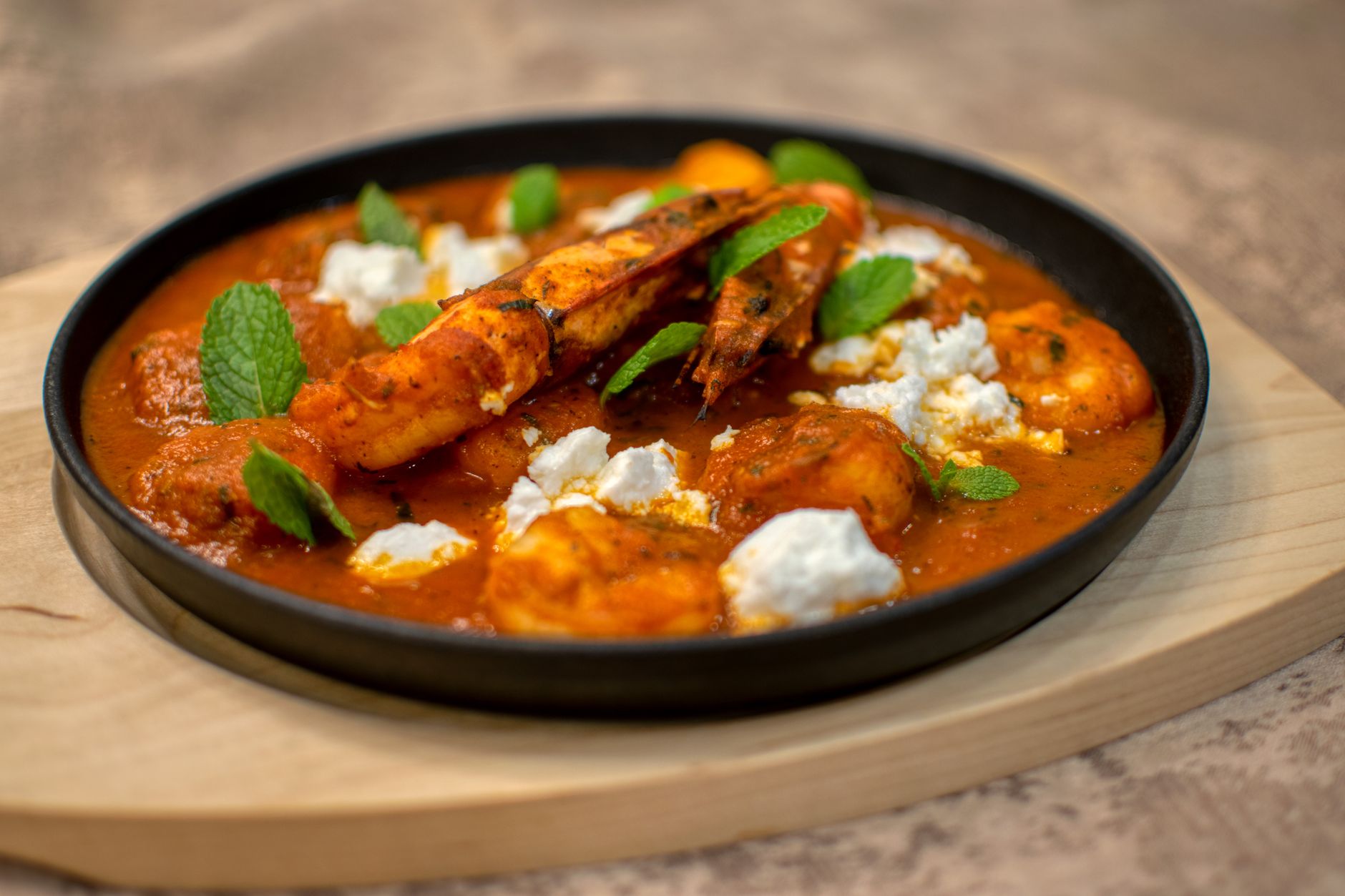
Oct 19, 2026Shrimp Saganaki with Chilli and Feta
Pan-seared shrimp finished with a warm tomato sauce, crumbled feta, and dried chilli heat—a Greek seafood dish that cooks in one skillet. 25 min · 0 saves.

other · medium
Oct 11, 2026Rendang Daging (Malaysian Beef Rendang)
A slow-braised beef stew where fresh red chillies, garlic, ginger and galangal break down into a paste, then simmer in coconut milk until the liquid reduces to a glossy, spiced glaze clinging to each piece of meat. The beef becomes tender enough to break with a spoon, and the heat builds gradually from the chillies and warm spices—cardamom, cloves, cinnamon—rather than arriving sharp and alone. 115 min · 0 saves.
other · medium
Oct 9, 2026Moqueca de Camarão com Pimenta
A Brazilian seafood stew where shrimp braise gently in coconut milk with red peppers, garlic, coriander, and fresh malagueta chillies. The heat builds slowly from the whole peppers simmered in the sauce, so you taste the shrimp's sweetness and the garlic's depth before any burn catches up. 40 min · 0 saves.
Bottle picks
Related hot sauce reviews.
Explore sauces with related ingredients, flavors, and heat levels.
Fly By Jing Sichuan Gold Review
A citrusy, tingly sauce with real peppercorn presence and enough versatility to move beyond dumplings.
Best for dumplings
Best for: Eggs and breakfast tacos
Skip if: Skip if you want a thick, smoky wing sauce more than a bright finishing bottle.
Read review
Mike's Hot Honey Review
Sweet heat done right: sticky, quick, and versatile enough to become a finishing move instead of a novelty.
Best for gifting
Best for: Pizza and fried chicken
Skip if: Skip if you want a classic vinegar-forward table sauce with almost no sweetness.
Read review
Heatonist Los Calientes Rojo Review
Heatonist Los Calientes Rojo: flavor notes, heat level, and suggested food pairings.
Best for tacos
Best for: Tacos and rice bowls
Skip if: Skip if you are chasing a novelty-level heat hit or a super-special-occasion bottle.
Read review
Go deeper
Background guides that build on this.
Keep reading
More on this subject.
If this post helped, these are the next pieces most likely to keep the thread going.
culture
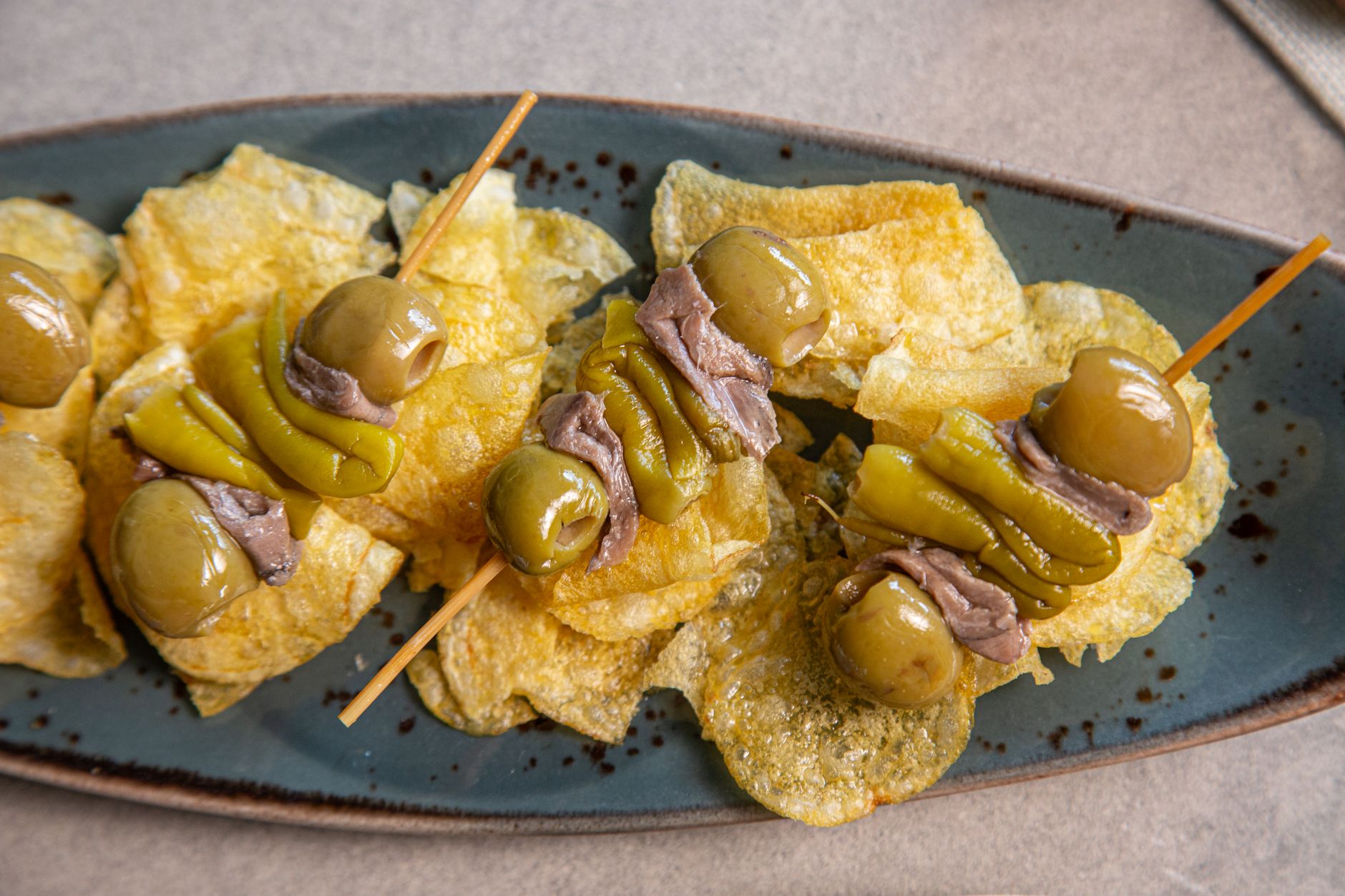
Oct 20, 2026Why Spicy Greek Dishes Are Having a Moment
Greek cooking has always built heat into its foundations. Florina peppers, Aleppo chilies, and fresh green varieties have shaped regional cooking for centuries—and now diners are discovering what Greek tables have always known.

culture
Jun 11, 2026Greek Fire: The Spicy Side of Hellenic Cooking That's Finally Getting Its Due
Greek cooking has always packed more heat than the world gives it credit for. From pepper-rich island specialties to chili-spiked mainland classics, these are the fiery dishes that deserve a spot at your table.
culture
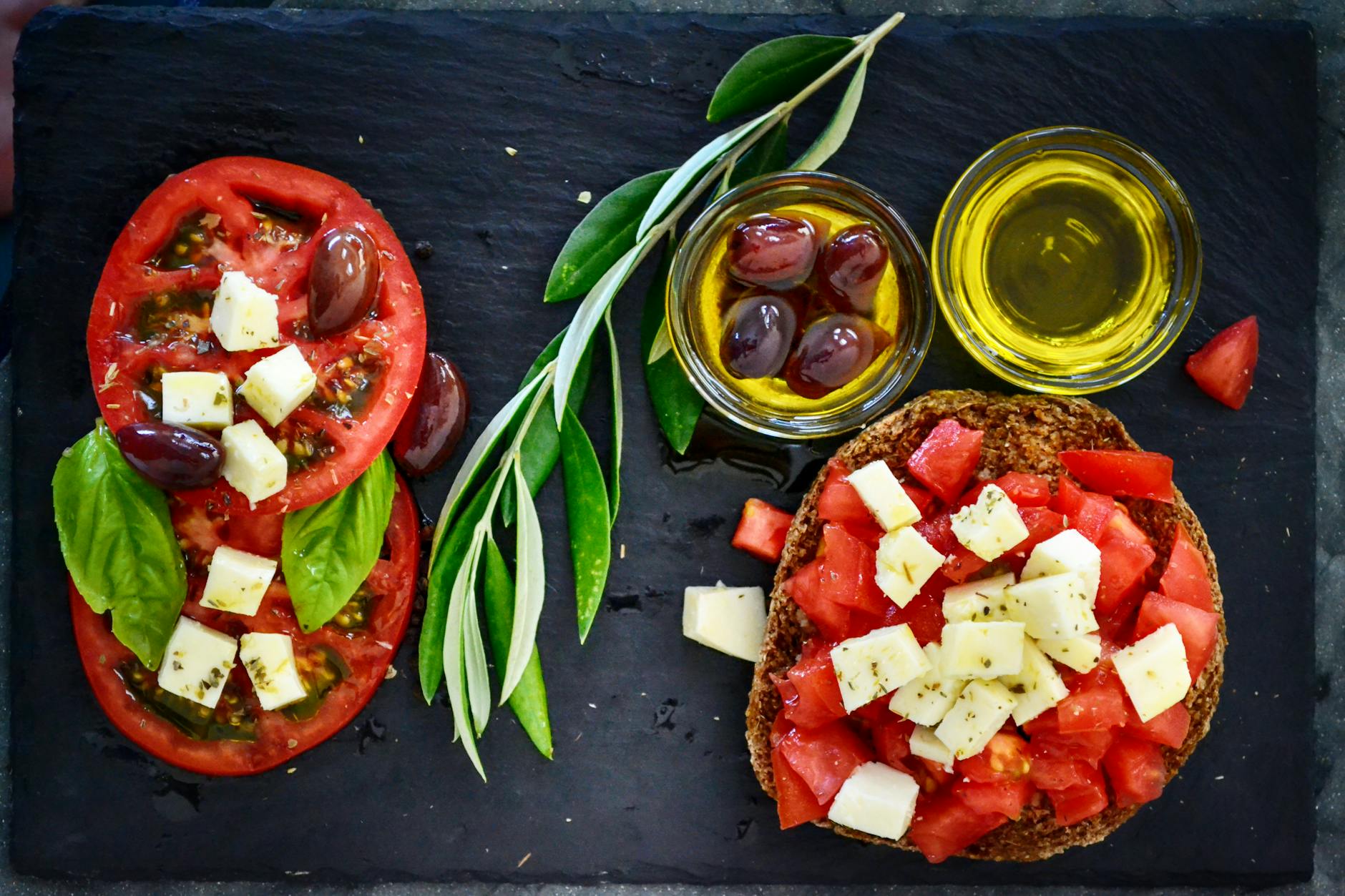
Jun 6, 2026Greek Heat: Three Spicy Regional Styles That Deserve Your Attention
From northern Greece's soul-warming paprika braises to island pepper preparations that pack both heat and tang, discover the spicy side of Greek cuisine that goes far beyond those ubiquitous red pepper flakes.
Comments
Reader discussion is shared across recipes, reviews, and editorial pieces.
Comments are read-only while member sign-in is paused.