science
What Makes Nigerian Spicy Dishes So Addictive: The Science of Heat and Umami
Nigerian spiced cooking combines two distinct peppers, slow-fried pastes, and umami-rich broths to build heat that feels complex rather than punishing. Learn which peppers matter, how technique shapes the heat, and why these dishes linger in memory.
Share this
Pass it around
Send this page to a friend, copy the link, or save it to a Pinterest board.

Save for later
Pin this page
Save the image with a link back to this recipe, review, or article.
Nigerian spiced cooking relies on a specific combination of peppers, aromatics, and cooking methods that create sustained heat and depth rather than sharp burn. Understanding what's actually happening in these dishes helps you cook them with intention.
The Peppers That Define Nigerian Heat
Two peppers dominate Nigerian spicy cooking: Scotch bonnet peppers (habanero-family, 100,000–350,000 Scoville units) and African bird's eye chiles (60,000–100,000 Scoville units). Both deliver fruity undertones alongside capsaicin, which sets them apart from the flat, pure burn of jalapeños or serranos.
Scotch bonnets bring a tropical fruitiness and slower heat buildup; African bird's eye chiles snap faster and cleaner. Nigerian cooks often use both in the same dish, layering heat types so the warmth feels complex rather than punishing. The seeds and white placental tissue—where most capsaicin concentrates—are typically left in during grinding or cooking, intensifying the effect.
When you buy peppers for Nigerian dishes, fresh Scotch bonnets and bird's eye chiles are preferable to dried substitutes. The fruity volatile compounds that make these peppers distinctive deteriorate quickly when dried. If fresh peppers aren't available, frozen whole peppers preserve more flavor than powders, though both will work in cooked preparations like stews and soups.
How Nigerian Cooking Technique Shapes the Heat
Nigerian spice doesn't sit on top of a dish—it integrates into the base through a deliberate grinding and cooking process. Peppers are typically ground into a paste with onions, tomatoes, and sometimes garlic, then fried slowly in oil. This stage is where technique matters most: frying the paste mellows the raw edge of capsaicin while releasing fat-soluble flavor compounds that increase how long the heat lingers and how evenly it spreads across your palate.
The oils released during frying are crucial to how the heat feels. Capsaicin binds to lipids; eating spice with fat prolongs the sensation and softens the sharp edge. Nigerian dishes—jollof rice, pepper soups, stews—are built on this principle. They use enough oil that the heat feels rounded and present, rather than jagged.
Long, slow simmering transforms the dish further. As a pepper soup or stew cooks for 30–60 minutes, the capsaicin disperses evenly into the broth or sauce, creating an all-over warmth rather than isolated hot spots. This even distribution is why the heat feels intentional and enjoyable instead of accidental or punishing.
The Umami Layer
The reason these dishes linger in memory goes beyond the peppers themselves. Nigerian spiced cooking layers umami—savory depth from glutamates and other compounds—alongside heat. Stock made from meat or fish, dried shrimp, tomato paste, and long cooking times all contribute these savory compounds. When capsaicin activates heat receptors in your mouth, these savory elements activate at the same time, making the experience feel rewarding rather than threatening.
Tomato paste, used in most Nigerian spiced preparations, contributes both acid and natural glutamates. Fermented or aged ingredients like dawadawa (locust bean paste) or fermented shrimp further amplify this savory depth. These aren't accidents of tradition; they're part of how the dish is constructed.
Adjusting Heat Without Losing Structure
If you're adjusting Nigerian recipes for your heat tolerance, understand what you're actually tuning. Removing the seeds and white tissue from peppers reduces capsaicin significantly while keeping fruity flavors. Using fewer peppers by count but keeping the cooking method—frying the paste until it smells nutty and sweet, then simmering long—preserves the structure of the dish better than diluting with stock or cream, which muddies the defined heat and savory layers.
Adding more fat—extra oil, coconut milk, or stock made with meat—doesn't reduce heat but does soften how the heat is perceived by slowing capsaicin absorption. Acid from lime juice or vinegar added at the end brightens the dish without changing heat level.
The spice in Nigerian cooking is meant to build gradually through a meal, not spike immediately. If a dish feels harsh rather than deep, the execution is usually the issue. The difference between rough heat and pleasant warmth often comes down to how thoroughly you fry the pepper paste before the long simmer begins.
Peppers featured in this post
Cook with this idea
Recipes to try next.
Put these ingredients and techniques to use in your next meal.

other · hot
Oct 8, 2026Sambal Udang Petai
Stir-fried prawns with stink beans and fiery sambal, built on shallots, garlic and bird's eye chillis. A weeknight dinner that delivers serious heat without lengthy prep. 18 min · 0 saves.
other · hot
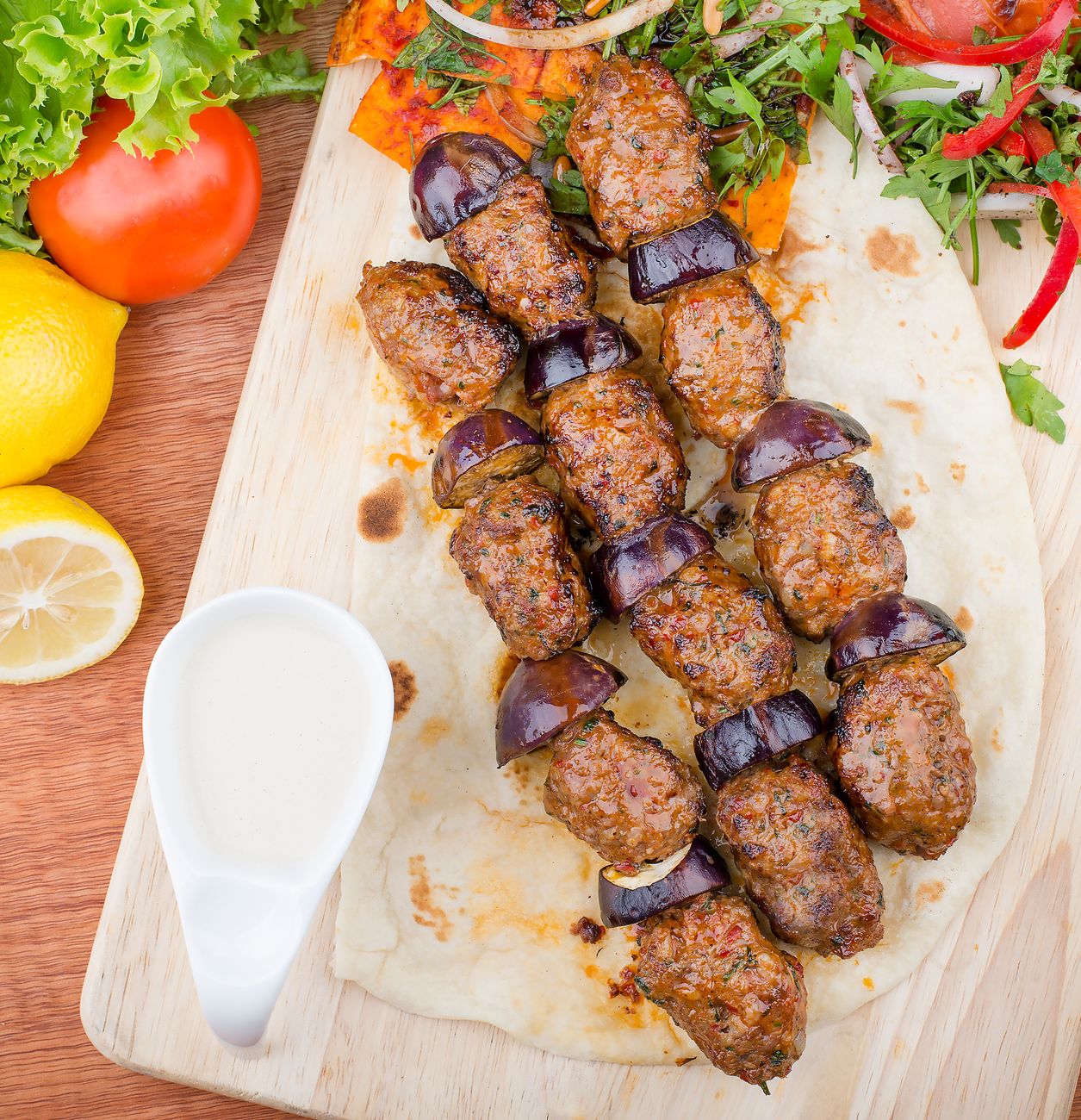
Sep 7, 2026Adana Kebab with Charred Chilli and Sumac
Ground lamb pressed onto flat metal skewers and grilled hard over flame until blackened and crackling on the outside, tender and juicy within. This Turkish street classic gets its serious kick from fresh red chilli ground into the meat and dried Aleppo chilli that brings warmth and fruity depth. The grill is non-negotiable—charcoal or gas flame gives you the char and smoke that makes this dish sing. 32 min · 0 saves.

other · hot
Jun 8, 2026Moqueca de Camarão with Malagueta Fire
Brazilian coconut shrimp stew spiked with fresh malagueta and habanero peppers for serious heat 35 min · 0 saves.
Bottle picks
Related hot sauce reviews.
Explore sauces with related ingredients, flavors, and heat levels.
Yellowbird Habanero Hot Sauce Review
A bright, carrot-forward bottle with enough heat to stay lively and enough sweetness to stay versatile.
Best for tacos
Best for: Tacos and rice bowls
Skip if: Skip if you want a classic vinegar-forward table sauce with almost no sweetness.
Read review
Queen Majesty Scotch Bonnet and Ginger Review
A bright, elegant sauce that leans on fruit, ginger, and Scotch bonnet lift instead of brute force.
Best for seafood
Best for: Seafood and fish tacos
Skip if: Skip if you want a thick, smoky wing sauce more than a bright finishing bottle.
Read review
Fly By Jing Sichuan Gold Review
A citrusy, tingly sauce with real peppercorn presence and enough versatility to move beyond dumplings.
Best for dumplings
Best for: Eggs and breakfast tacos
Skip if: Skip if you want a thick, smoky wing sauce more than a bright finishing bottle.
Read review
Go deeper
Background guides that build on this.
Keep reading
More on this subject.
If this post helped, these are the next pieces most likely to keep the thread going.

science
Jun 14, 2026Filipino Cooking with Chili, Vinegar, and Coconut Milk
Explore the use of chili, vinegar, coconut milk, and fermented ingredients in Filipino dishes such as Bicol express and laing.
science
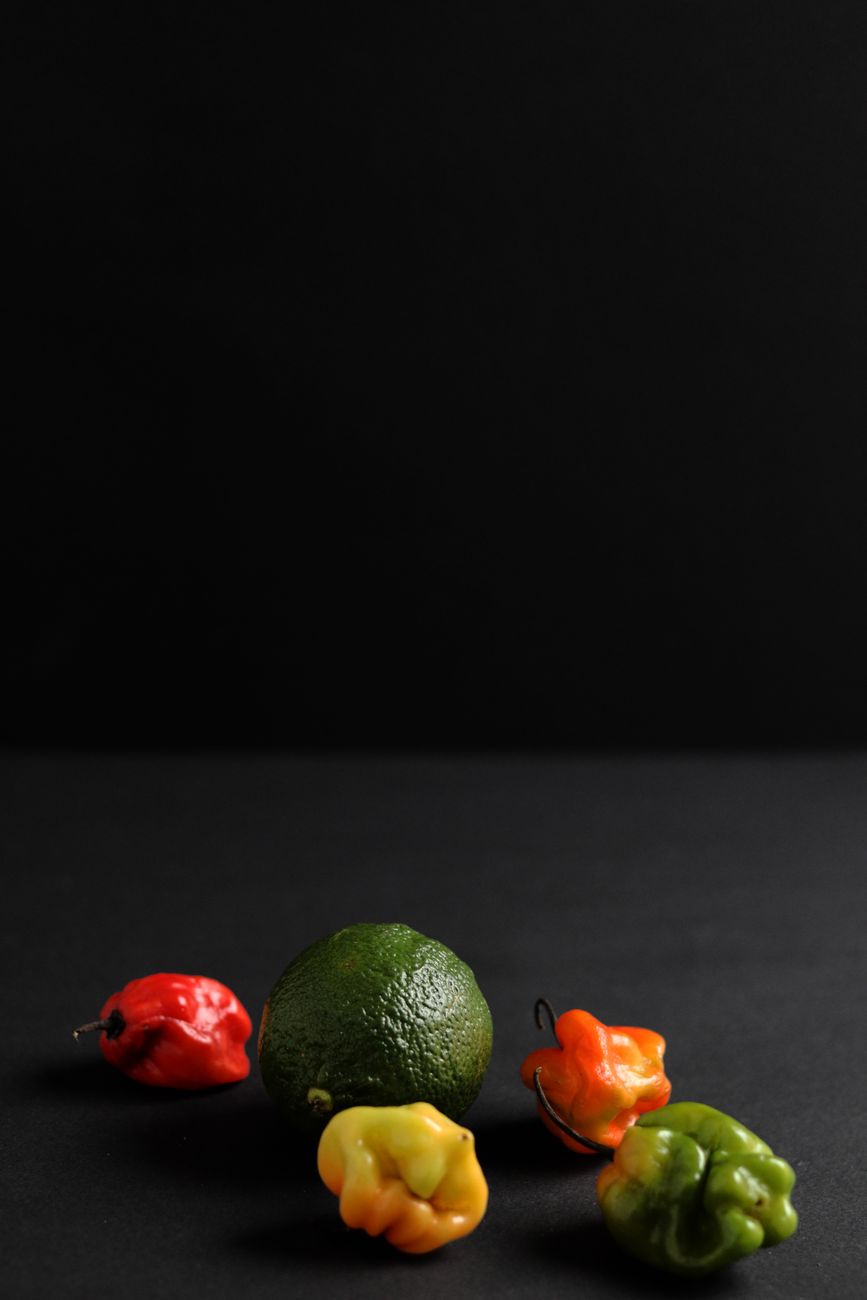
May 25, 2026Scotch Bonnets, Palm Oil, and Fermented Seasonings in Nigerian Cooking
Learn how scotch bonnets, palm oil, and fermented seasonings are used in Nigerian dishes, with practical ideas for adjusting the heat.
science
May 21, 2026Nigerian Pepper Soup: Peppers, Broth, and Aromatics
Look inside a pot of Nigerian pepper soup: its peppers, clear broth, and aromatic seasonings, plus ways to adjust the seasoning.
Comments
Reader discussion is shared across recipes, reviews, and editorial pieces.
Comments are read-only while member sign-in is paused.