science
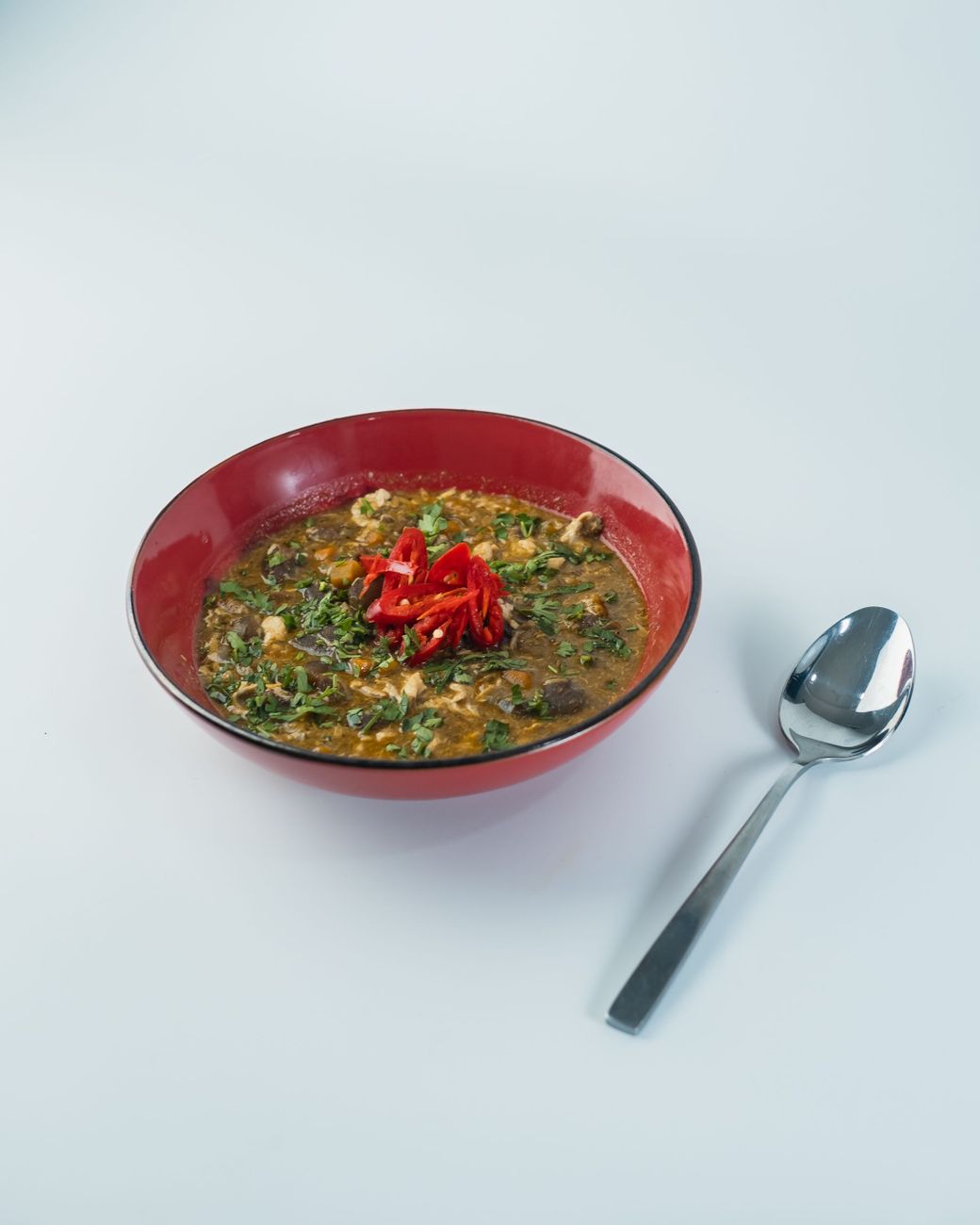
Nigerian Pepper Soup: Peppers, Broth, and Aromatics
Look inside a pot of Nigerian pepper soup: its peppers, clear broth, and aromatic seasonings, plus ways to adjust the seasoning.
Share this
Pass it around
Send this page to a friend, copy the link, or save it to a Pinterest board.

Save for later
Pin this page
Save the image with a link back to this recipe, review, or article.
Nigerian Pepper Soup: Peppers, Broth, and Aromatics
Nigerian cooks combine several sources of heat with aromatic spices in a specific order, so the warmth changes as you eat instead of sitting flat across the whole bowl. That contrast is what keeps a spoonful of pepper soup interesting well past the first few bites.
The Pepper Trinity That Keeps You Coming Back
Walk into any Nigerian kitchen making pepper soup, and you'll find three types of heat working together: scotch bonnet peppers, black pepper, and dried hot peppers like ata rodo. Each one hits your palate differently, and that's the whole point.
The scotch bonnet comes first—bright, fruity heat that makes your tongue sit up and pay attention. Then black pepper spreads its sharp warmth across the mouth. Finally, those dried peppers provide the slow burn that builds in the background, the heat that's still there after the first two have faded.
Because each pepper releases its heat at a slightly different point, no single note dominates the whole bowl. Just as one type of heat settles, another one steps forward.
The aromatics don't just add flavor—they change how the heat reads on the palate:
- Uda (Negro pepper) brings earthy depth that makes the heat feel grounded, not aggressive
- Ehuru (calabash nutmeg) adds subtle warmth that sits between spice and pepper heat
- Uziza seeds deliver their own peppery bite, distinct from the burn of the chiles
- Utazi leaves contribute bitter complexity that makes the fruity scotch bonnet notes more noticeable
- Ginger and garlic add their own sharp, warm background notes
Those bitter utazi leaves in particular tend to make the sweet, fruity qualities in scotch bonnets stand out more by contrast.
Why the Cooking Method Makes All the Difference
Watch an experienced Nigerian cook build pepper soup, and you'll notice they don't just dump everything in at once. There's a rhythm to it—each heat source joins at a different stage.
Whole scotch bonnets often go in early with the meat or fish, letting their heat infuse the broth gradually without turning bitter. Ground dried peppers get their moment midway through cooking—long enough to bloom and develop complexity, not so long they become harsh. Fresh pepper paste might go in near the end for a brighter, more immediate hit.
This staggered approach means individual spoonfuls can vary—some milder, some sharper—simply because the pot isn't perfectly uniform. It keeps the bowl from tasting the same from first spoonful to last.
How Jollof Rice Creates Its Own Kind of Craving
Jollof rice handles heat differently—through integration rather than layering. Here, the tomato base isn't just a vehicle for the peppers; it's an active partner that changes how the heat comes across.
The key stage is the "burning" or reduction, when the tomato-pepper mixture cooks down until it concentrates and starts to catch at the bottom of the pot. This intense cooking concentrates both the pepper heat and the natural savory elements in the tomatoes, so the spice reads as part of the base rather than something added on top.
Nigerian cooks balance fresh scotch bonnets with dried pepper powder, but the proportions matter. Too much fresh pepper and the dish turns harsh. Too much dried pepper and it goes bitter. Get it right, and the heat works with the rice's natural nuttiness instead of covering it up.
Every grain of rice absorbs these concentrated flavors as it cooks. Unlike dishes where the heat sits mostly on the surface, a well-made jollof carries the spice all the way through—there's no eating around the hot parts.
Why These Flavors Keep You Coming Back
The pull of these dishes comes down to how many things are happening in the bowl at once: fruity heat, earthy spice, bitterness, sharp aromatics, and a broth or sauce that carries all of it to your nose as you eat. That combination reads as more complex than a single-note hot sauce, which is part of why people keep going back for more.
The umami from ingredients like locust beans and reduced tomato also plays a role—these are savory, appetite-driving flavors in their own right, independent of the heat.
How the food is served matters too. Nigerian pepper soup is often brought to the table in a shared pot or bowl, and the act of eating together is part of the experience for many households, separate from anything happening on the palate.
For anyone wanting to recreate this at home, start with less pepper than you think you need, taste as you go, and build gradually. The goal isn't maximum burn—it's heat balanced enough that you're scraping the bottom of the bowl and reaching for seconds.
Peppers featured in this post
Cook with this idea
Recipes to try next.
Put these ingredients and techniques to use in your next meal.

other · hot
Oct 8, 2026Sambal Udang Petai
Stir-fried prawns with stink beans and fiery sambal, built on shallots, garlic and bird's eye chillis. A weeknight dinner that delivers serious heat without lengthy prep. 18 min · 0 saves.
other · hot
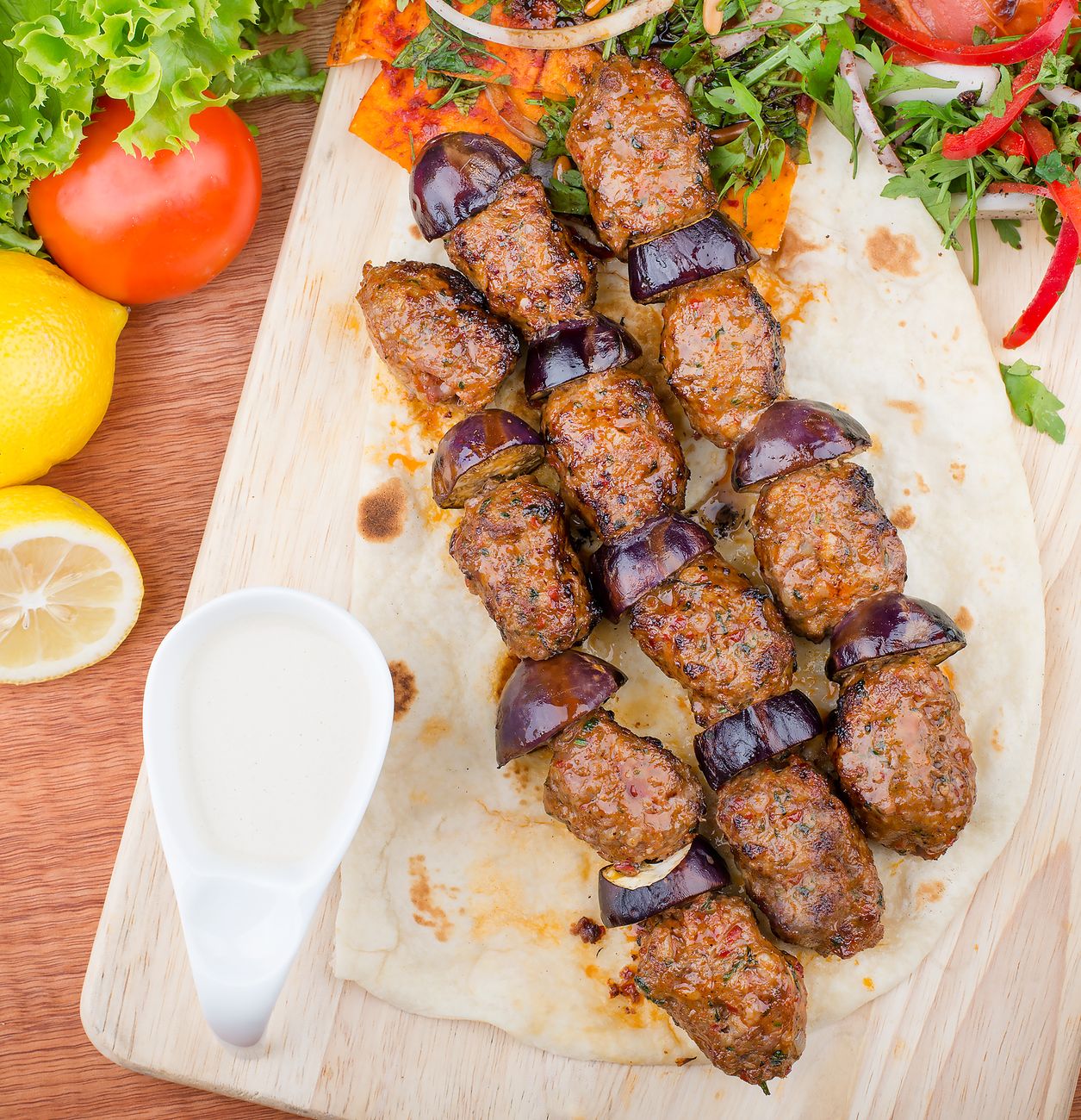
Sep 7, 2026Adana Kebab with Charred Chilli and Sumac
Ground lamb pressed onto flat metal skewers and grilled hard over flame until blackened and crackling on the outside, tender and juicy within. This Turkish street classic gets its serious kick from fresh red chilli ground into the meat and dried Aleppo chilli that brings warmth and fruity depth. The grill is non-negotiable—charcoal or gas flame gives you the char and smoke that makes this dish sing. 32 min · 0 saves.

other · hot
Jun 8, 2026Moqueca de Camarão with Malagueta Fire
Brazilian coconut shrimp stew spiked with fresh malagueta and habanero peppers for serious heat 35 min · 0 saves.
Bottle picks
Related hot sauce reviews.
Explore sauces with related ingredients, flavors, and heat levels.
Yellowbird Habanero Hot Sauce Review
A bright, carrot-forward bottle with enough heat to stay lively and enough sweetness to stay versatile.
Best for tacos
Best for: Tacos and rice bowls
Skip if: Skip if you want a classic vinegar-forward table sauce with almost no sweetness.
Read review
Queen Majesty Scotch Bonnet and Ginger Review
A bright, elegant sauce that leans on fruit, ginger, and Scotch bonnet lift instead of brute force.
Best for seafood
Best for: Seafood and fish tacos
Skip if: Skip if you want a thick, smoky wing sauce more than a bright finishing bottle.
Read review
Fly By Jing Sichuan Gold Review
A citrusy, tingly sauce with real peppercorn presence and enough versatility to move beyond dumplings.
Best for dumplings
Best for: Eggs and breakfast tacos
Skip if: Skip if you want a thick, smoky wing sauce more than a bright finishing bottle.
Read review
Go deeper
Background guides that build on this.
Keep reading
More on this subject.
If this post helped, these are the next pieces most likely to keep the thread going.

science
Jun 14, 2026Filipino Cooking with Chili, Vinegar, and Coconut Milk
Explore the use of chili, vinegar, coconut milk, and fermented ingredients in Filipino dishes such as Bicol express and laing.
science
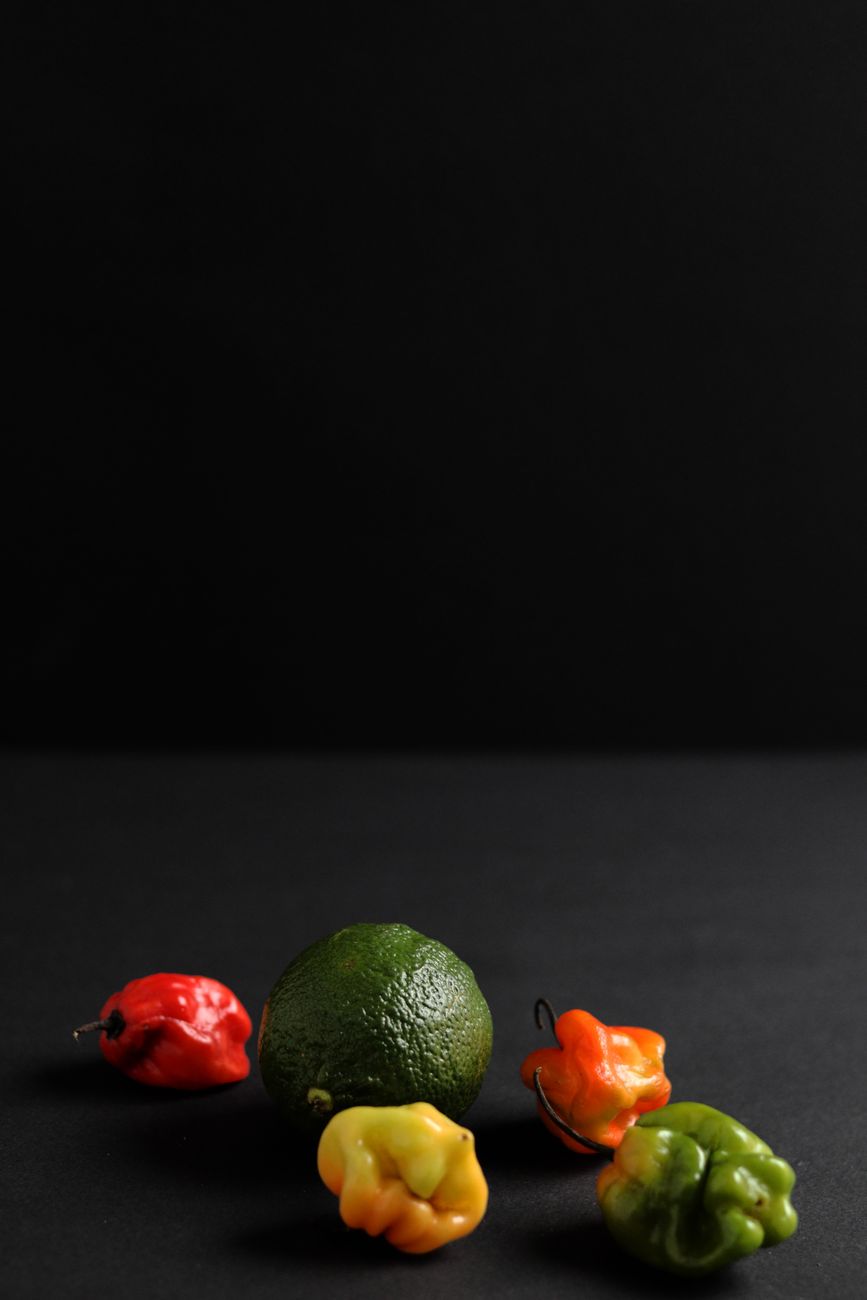
May 25, 2026Scotch Bonnets, Palm Oil, and Fermented Seasonings in Nigerian Cooking
Learn how scotch bonnets, palm oil, and fermented seasonings are used in Nigerian dishes, with practical ideas for adjusting the heat.
science
Apr 29, 2026Nigerian Spice Blends for Suya, Jollof Rice, and Pepper Soup
Peppers, peanuts, aromatics, and fermented seasonings play different roles in suya, jollof rice, and Nigerian pepper soup.
Comments
Reader discussion is shared across recipes, reviews, and editorial pieces.
Comments are read-only while member sign-in is paused.