science
Scotch Bonnets, Palm Oil, and Fermented Seasonings in Nigerian Cooking
Learn how scotch bonnets, palm oil, and fermented seasonings are used in Nigerian dishes, with practical ideas for adjusting the heat.
Share this
Pass it around
Send this page to a friend, copy the link, or save it to a Pinterest board.

Save for later
Pin this page
Save the image with a link back to this recipe, review, or article.
Nigerian spicy dishes are known for a heat that keeps people coming back, but the appeal isn't just about how hot a dish is. It comes down to how peppers, oils, and fermented ingredients are combined and prepared, using techniques that have been refined across generations of home cooking.
The secret isn't just piling on the heat. It's about understanding how peppers, oils, and fermented ingredients work together to create complexity that goes far beyond simple burn.
Why Scotch Bonnets Are the Perfect Nigerian Pepper
When scotch bonnets are fried in hot palm oil, their flavor shifts noticeably from what you get with raw pepper paste. This is one reason ata dindin (fried pepper sauce) tastes so different from an uncooked pepper blend, even when the same peppers go into both.
Timing matters here, and Nigerian cooks have this down to an art. Add the peppers too early, and their brighter aromatic notes cook off. Add them too late, and the oil doesn't have enough time to draw out and carry the pepper's flavor through the dish. Get it right, and you get heat that builds gradually and carries through every bite rather than hitting all at once.
Watch this play out in proper jollof rice. The scotch bonnets bloom in oil alongside onions and tomatoes, creating a spicy base that gets absorbed by the rice during steaming. The result: every grain carries some heat, but it's cushioned by the starch—present enough to notice, not so much that it overwhelms the dish.
How the Ingredients Work Together
Fermented ingredients are a key part of how Nigerian cooks build spicy dishes that feel layered rather than one-note. Iru (fermented locust beans) is a good example—days of fermentation give it a deep, savory character that works alongside pepper heat rather than competing with it.
Ewedu soup shows this principle well. The fermented locust beans create a savory foundation that makes the scotch bonnet heat feel more rounded out. The jute leaves, meanwhile, add a mucilaginous texture that coats the mouth and changes how the heat is experienced across a spoonful.
Fermented fish adds another layer. As the fish cures, it develops a concentrated savory character that pairs well with the locust beans and the pepper heat, contributing to soups and stews that taste rich well beyond what the pepper alone would provide.
The fermented powerhouses in Nigerian spicy cooking:
- Iru (locust beans): Ferments over 3-5 days to develop a deep, savory flavor
- Smoked fish: Brings a concentrated savory quality plus smoky notes
- Palm wine vinegar: Adds acidity that brightens and sharpens pepper heat
- Fermented yam flour (elubo): Creates textural interest while carrying spice throughout
Why Palm Oil Is Actually Perfect for Heat
Palm oil is a traditional choice for Nigerian cooking partly because it holds up well at high heat, and its natural color contributes to the deep red look of many pepper-based dishes.
Palm oil is also good at carrying pepper flavor evenly through a dish, coating ingredients so that heat is distributed consistently rather than pooling unevenly. This is part of why Nigerian pepper soups tend to deliver steady heat from spoonful to spoonful rather than uneven bursts.
Pepper soup also showcases how palm oil works with other indigenous spices. Uda pods, grains of selim, calabash nutmeg—these aromatic spices blend into the oil and round out the dish with fragrance and warmth that complements, rather than adds to, the pepper heat.
Temperature control separates confident pepper soup cooks from beginners. Too cool, and the spices don't release much aroma. Too hot, and delicate aromatics can cook off, leaving mostly harsh heat behind. Cooks who've made this dish many times learn by feel how much heat brings out the best in the spices without overdoing it.
How Nigerian Families Build Heat Tolerance
Nigerian families often introduce children to spicy food gradually, starting with pepper-infused palm oil stirred into rice—just enough to get used to the flavor without being overwhelming. Over time, through regular family meals, kids work their way up to dishes made with scotch bonnets directly.
This isn't a dramatic rite of passage so much as a routine: consistent, moderate exposure to pepper across everyday meals rather than one dramatic test of tolerance.
The communal eating style helps too. When everyone's eating from shared bowls, individuals can moderate their own heat intake by choosing how much pepper sauce or stew to add, while still eating the same meal as everyone else at the table.
What stands out about Nigerian spicy dishes is how they build in their own heat management. Starchy bases—rice, yam, plantain—absorb and moderate pepper heat naturally. Fermented ingredients add savory depth alongside the heat rather than just more spice. Together, this makes the food approachable for people building up their tolerance while still delivering plenty of heat for those who want it.
The result is food where spice supports the overall flavor rather than overwhelming it—heat that's part of a layered dish rather than the whole point of it.
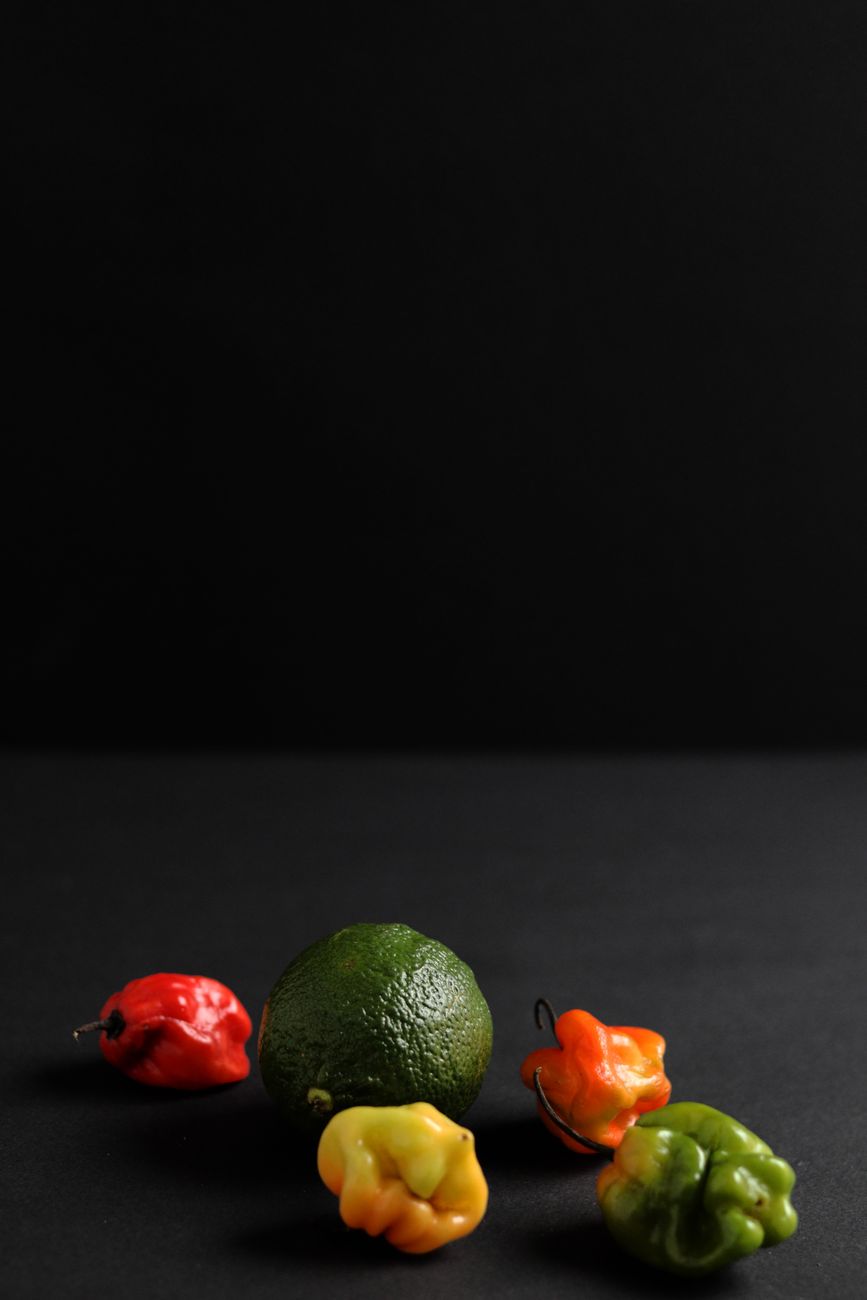
Peppers featured in this post
Cook with this idea
Recipes to try next.
Put these ingredients and techniques to use in your next meal.

other · hot
Oct 8, 2026Sambal Udang Petai
Stir-fried prawns with stink beans and fiery sambal, built on shallots, garlic and bird's eye chillis. A weeknight dinner that delivers serious heat without lengthy prep. 18 min · 0 saves.
other · hot
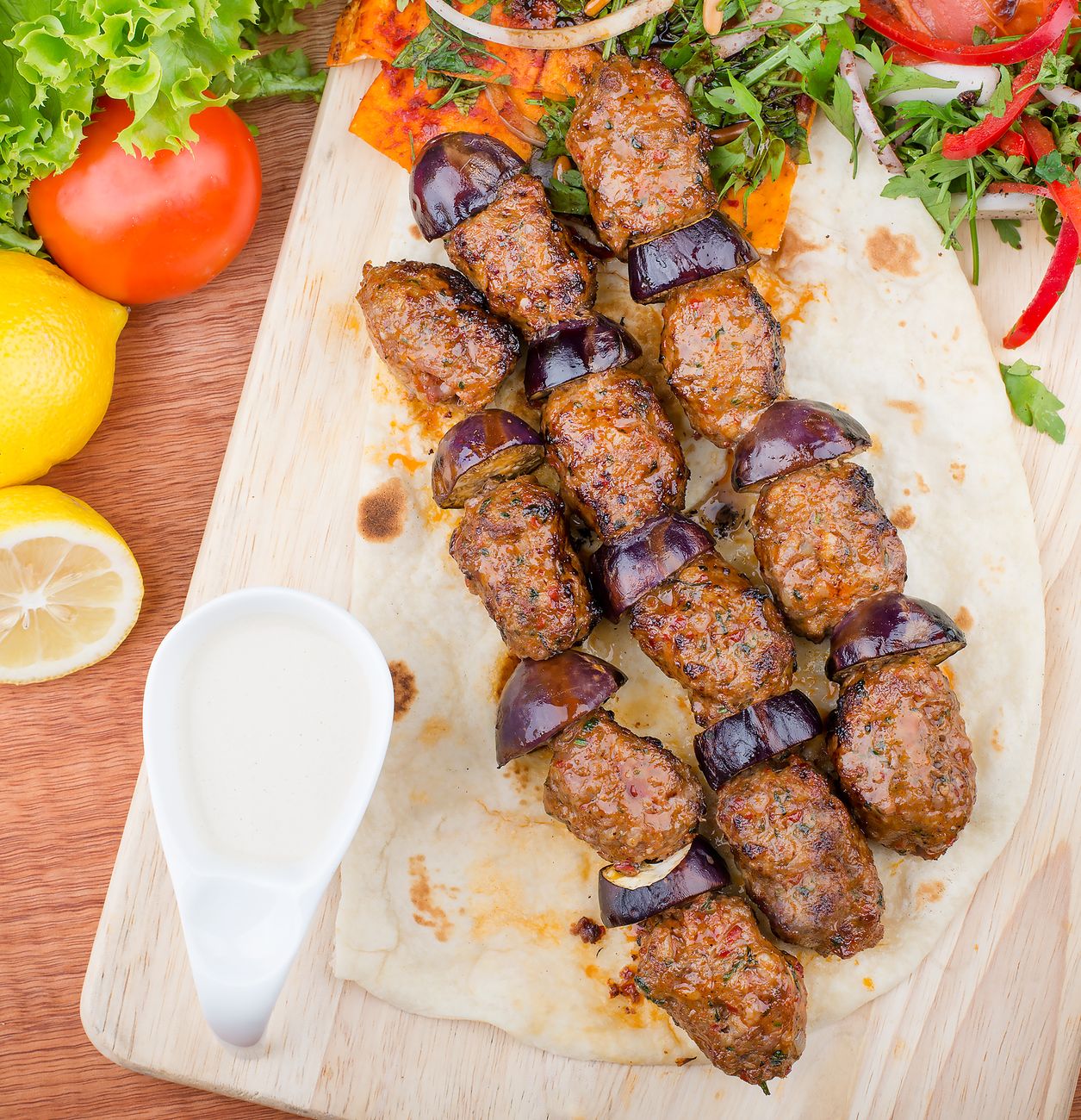
Sep 7, 2026Adana Kebab with Charred Chilli and Sumac
Ground lamb pressed onto flat metal skewers and grilled hard over flame until blackened and crackling on the outside, tender and juicy within. This Turkish street classic gets its serious kick from fresh red chilli ground into the meat and dried Aleppo chilli that brings warmth and fruity depth. The grill is non-negotiable—charcoal or gas flame gives you the char and smoke that makes this dish sing. 32 min · 0 saves.

other · hot
Jun 8, 2026Moqueca de Camarão with Malagueta Fire
Brazilian coconut shrimp stew spiked with fresh malagueta and habanero peppers for serious heat 35 min · 0 saves.
Bottle picks
Related hot sauce reviews.
Explore sauces with related ingredients, flavors, and heat levels.
Yellowbird Habanero Hot Sauce Review
A bright, carrot-forward bottle with enough heat to stay lively and enough sweetness to stay versatile.
Best for tacos
Best for: Tacos and rice bowls
Skip if: Skip if you want a classic vinegar-forward table sauce with almost no sweetness.
Read review
Fuego Box Monthly Subscription Review
A reliable discovery box for people who want more than supermarket sauces without going full novelty heat gimmick.
Best for gifting
Best for: Sauce subscription
Skip if: Skip if you need one exact everyday bottle instead of a discovery-style gift.
Read review
Queen Majesty Scotch Bonnet and Ginger Review
A bright, elegant sauce that leans on fruit, ginger, and Scotch bonnet lift instead of brute force.
Best for seafood
Best for: Seafood and fish tacos
Skip if: Skip if you want a thick, smoky wing sauce more than a bright finishing bottle.
Read review
Go deeper
Background guides that build on this.
Keep reading
More on this subject.
If this post helped, these are the next pieces most likely to keep the thread going.
science
Oct 20, 2026What Makes Nigerian Spicy Dishes So Addictive: The Science of Heat and Umami
Nigerian spiced cooking combines two distinct peppers, slow-fried pastes, and umami-rich broths to build heat that feels complex rather than punishing. Learn which peppers matter, how technique shapes the heat, and why these dishes linger in memory.

science
Jun 14, 2026Filipino Cooking with Chili, Vinegar, and Coconut Milk
Explore the use of chili, vinegar, coconut milk, and fermented ingredients in Filipino dishes such as Bicol express and laing.
science
May 21, 2026Nigerian Pepper Soup: Peppers, Broth, and Aromatics
Look inside a pot of Nigerian pepper soup: its peppers, clear broth, and aromatic seasonings, plus ways to adjust the seasoning.
Comments
Reader discussion is shared across recipes, reviews, and editorial pieces.
Comments are read-only while member sign-in is paused.