
culture
Three West African Spice Traditions That Deserve a Spot on Your Table
From Senegal's thieboudienne to Nigeria's pepper soup culture, explore the complex heat traditions that make West African cooking irresistible—and surprisingly approachable for home cooks.
Share this
Pass it around
Send this page to a friend, copy the link, or save it to a Pinterest board.

Save for later
Pin this page
Save the image with a link back to this recipe, review, or article.
The Real Story Behind West African Heat
West African cooking doesn't shout about its spice the way some cuisines do. Instead, it builds complex layers of heat that sneak up on you, then keep you coming back. The scotch bonnet and bird's eye chili might pack serious punch, but they're just two players in a much bigger orchestra of warming spices, fermented pastes, and aromatic pepper blends that create some of the most craveable food on the planet.
Three particular styles stand out for their ability to translate beautifully to home kitchens while delivering that distinctive West African approach to heat—one that's less about proving your tolerance and more about creating food that makes people gather around the table.
Senegalese Thieboudienne: The Art of Gentle Fire
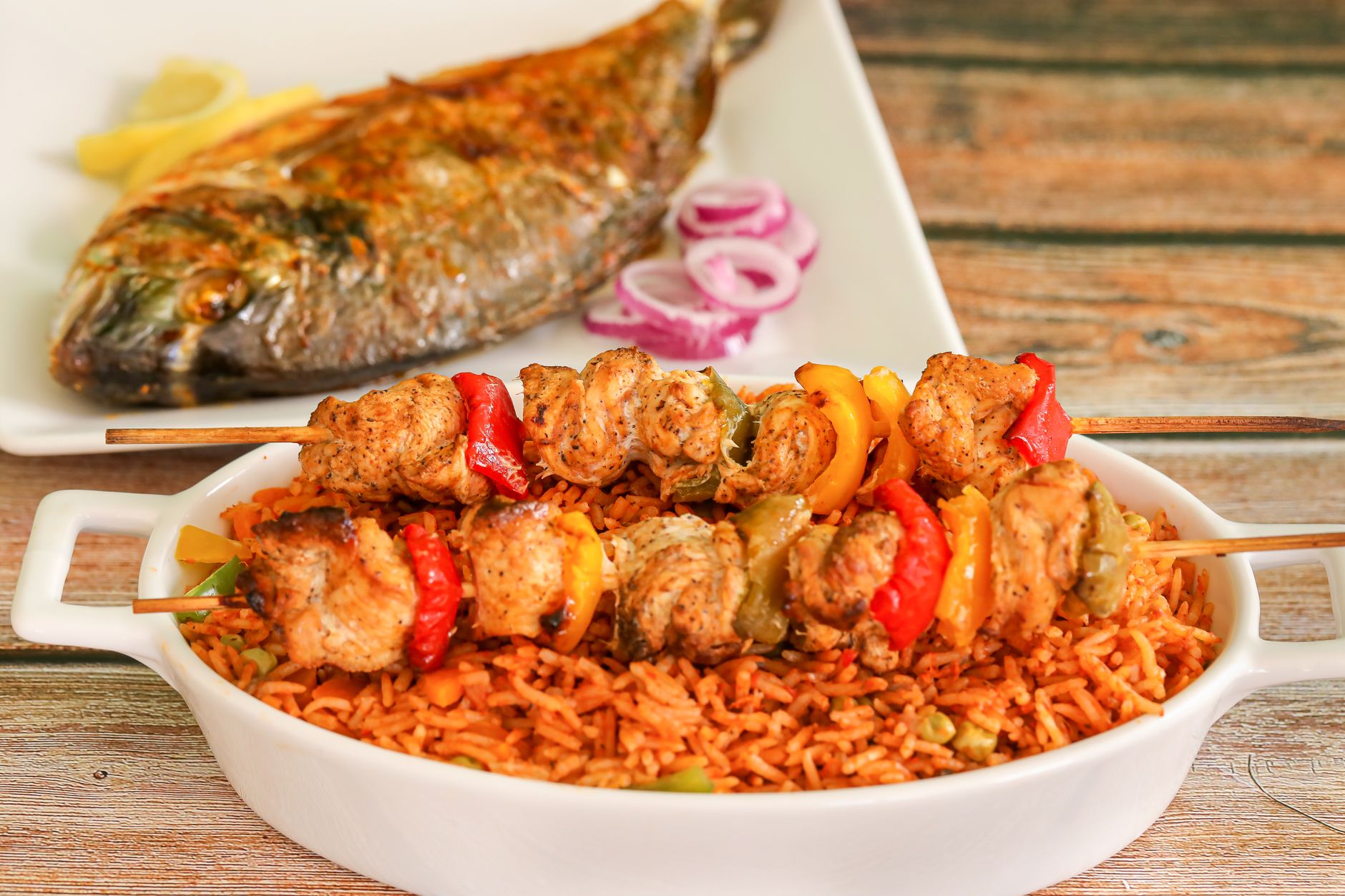
Thieboudienne (pronounced "cheh-boo-jen") might be Senegal's national dish, but it's the technique behind it that deserves your attention. This isn't the kind of rice dish where everything gets dumped together and hoped for the best. The heat builds systematically, starting with a sofrito-like base called "roux" that blooms tomato paste, onions, and garlic until they're deeply caramelized.
The magic happens when cooks add their pepper blend—usually a combination of scotch bonnets, black pepper, and sometimes a touch of grains of paradise. But here's what makes it brilliant: the peppers get cooked down until they're almost jammy, which mellows their sharp heat while concentrating their fruity undertones. The result tastes like summer and smoke had a baby.
What makes this approachable for your kitchen is the control factor. You can dial the scotch bonnet way back (or substitute with habanero or even jalapeño) and still get that characteristic warmth from the black pepper and long cooking time. The technique works whether you're feeding heat-seekers or people who think black pepper is adventurous.
The vegetables matter here too. Traditional versions use African eggplant, okra, and carrots, but the principle holds with whatever's good at your market. Each vegetable gets added at precisely the right moment so nothing turns to mush, and everything picks up that layered spice base.
Nigerian Pepper Soup: Medicine Disguised as Comfort Food
If thieboudienne is about gentle persuasion, Nigerian pepper soup takes a more direct approach—but not in the way you might expect. This isn't just "throw hot peppers in broth and call it soup." The heat comes from a specific blend of indigenous spices that most people have never heard of: uda (Negro pepper), uziza (West African black pepper), and ehuru (Calabash nutmeg).
These spices create a tingling, almost numbing sensation that's completely different from capsaicin heat. Think of it like the Sichuan peppercorn's African cousin—warming and complex rather than just burn-your-mouth hot. The scotch bonnets (and there are usually several) provide the actual fire, but they're balanced by the aromatic spices and whatever protein is swimming in there.
Traditional proteins run the gamut:
- Goat meat (the gold standard)
- Catfish or tilapia
- Chicken (most accessible for home cooking)
- Beef or lamb
The cooking method stays consistent regardless. The meat gets simmered until tender, then the spice blend goes in, followed by the scotch bonnets. Some cooks blend the peppers smooth, others leave them in chunks so people can navigate around them if needed. Both approaches work.
What's brilliant about pepper soup culture is how it functions as both everyday comfort food and special occasion medicine. Feeling under the weather? Pepper soup. Celebrating something? Pepper soup. Want to warm up on a cold day? You get the idea.
For home cooks who can't source uda and uziza easily, a combination of black peppercorns, cubeb pepper (if you can find it), and a tiny amount of clove creates something in the same neighborhood. Not authentic, but it captures that warming, aromatic quality that makes pepper soup so distinctive.
Ghanaian Shito Culture: The Condiment That Rules Everything
Shito might look like just another hot sauce, but it's actually closer to a complete flavor system. This thick, dark condiment combines dried fish, dried shrimp, ginger, garlic, and a specific blend of peppers into something that's simultaneously sauce, seasoning, and protein booster.
The pepper component usually centers on dried cayenne or bird's eye chili, but fresh scotch bonnets often join the party. The key difference from other hot sauces is the umami foundation—all that dried seafood gets ground up and cooked down until it's almost paste-like, creating a base that's salty, fishy, and deeply savory before any heat enters the picture.
Good shito demands patience. The onions need to cook until they're almost black. The tomato paste has to darken and concentrate. The peppers get added in stages—dried ones early for depth, fresh ones later for brightness. The whole thing simmers low and slow until the oil starts separating out, which can take an hour or more.
What makes shito culture so compelling is its versatility. It's not just a condiment you add to finished food—though it excels at that. It's also a cooking base for stews, a marinade for grilled meats, and a flavor foundation for fried rice or noodles. Many Ghanaian families have their own version, with some emphasizing the seafood elements, others cranking up the pepper quotient, and still others adding ingredients like dawadawa (fermented locust beans) for extra funk.
The beauty of making shito at home is that you control every element. Vegetarians can skip the dried fish and shrimp (though they'll miss some complexity). Heat-sensitive cooks can reduce the pepper quantities. The technique remains the same: cook everything low and slow until the flavors meld into something greater than the sum of its parts.
Why These Styles Work for Your Table
These three approaches to West African heat succeed because they're built on solid cooking principles rather than gimmicks. They create complexity through technique, not just by adding more peppers. They're designed to bring people together around food, not to separate the brave from the timid.
Most importantly, they scale beautifully for real life. You can make thieboudienne for two or twenty. Pepper soup works as a quick weeknight dinner or a weekend project. Shito keeps in the fridge for months, getting better as it ages.
The ingredients might seem exotic, but the techniques are foundational—building flavor bases, balancing heat with other elements, and using time and temperature to develop complexity. That's not exotic cooking. That's just good cooking that happens to transport your dinner table somewhere wonderful.
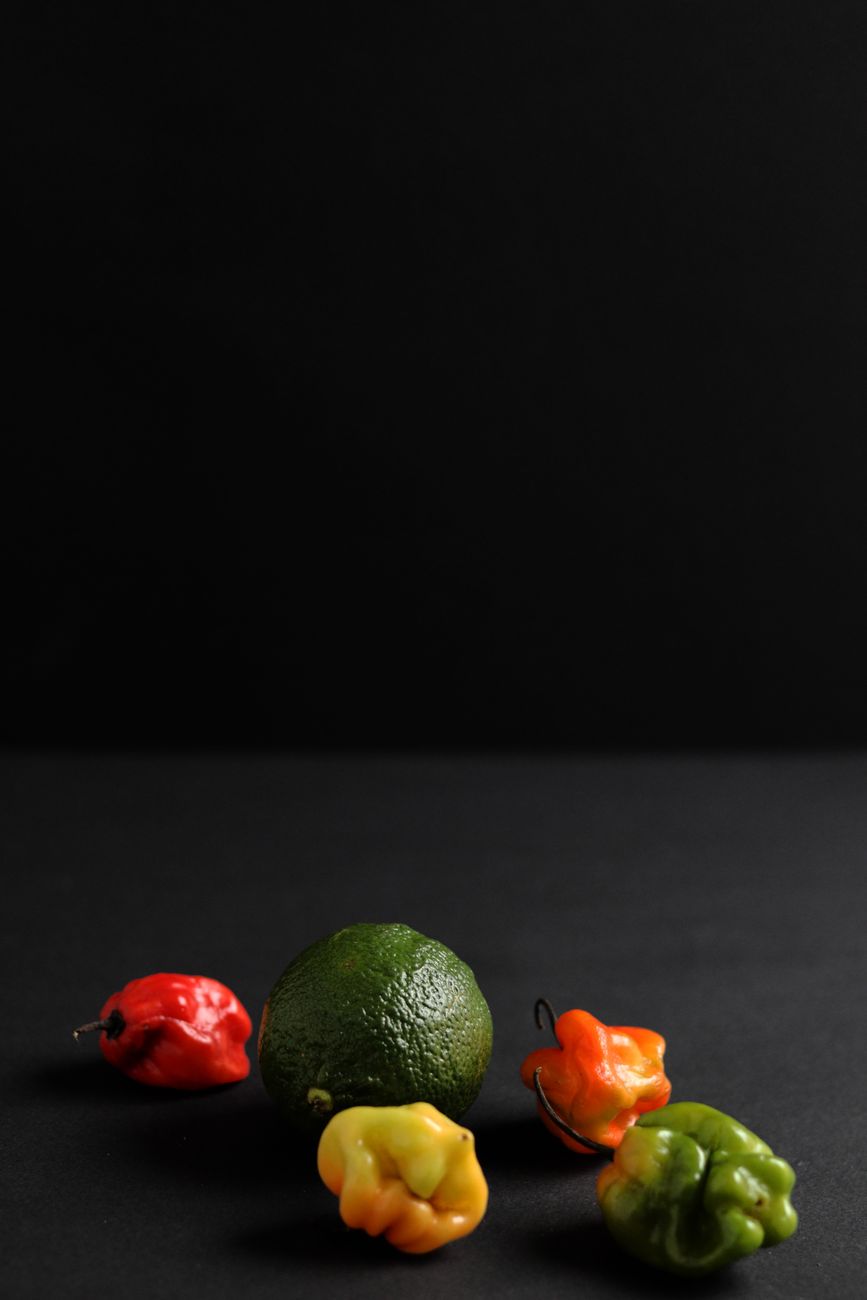
Peppers featured in this post
Cook with this idea
Recipes to try next.
Put these ingredients and techniques to use in your next meal.

west_african · medium
May 21, 2026Grilled Senegalese Chicken with Yassa Marinade
Juicy chicken thighs swimming in a golden marinade of caramelized onions, bright mustard, and just enough chile heat to make you reach for seconds. 65 min · 0 saves.
west_african · mild
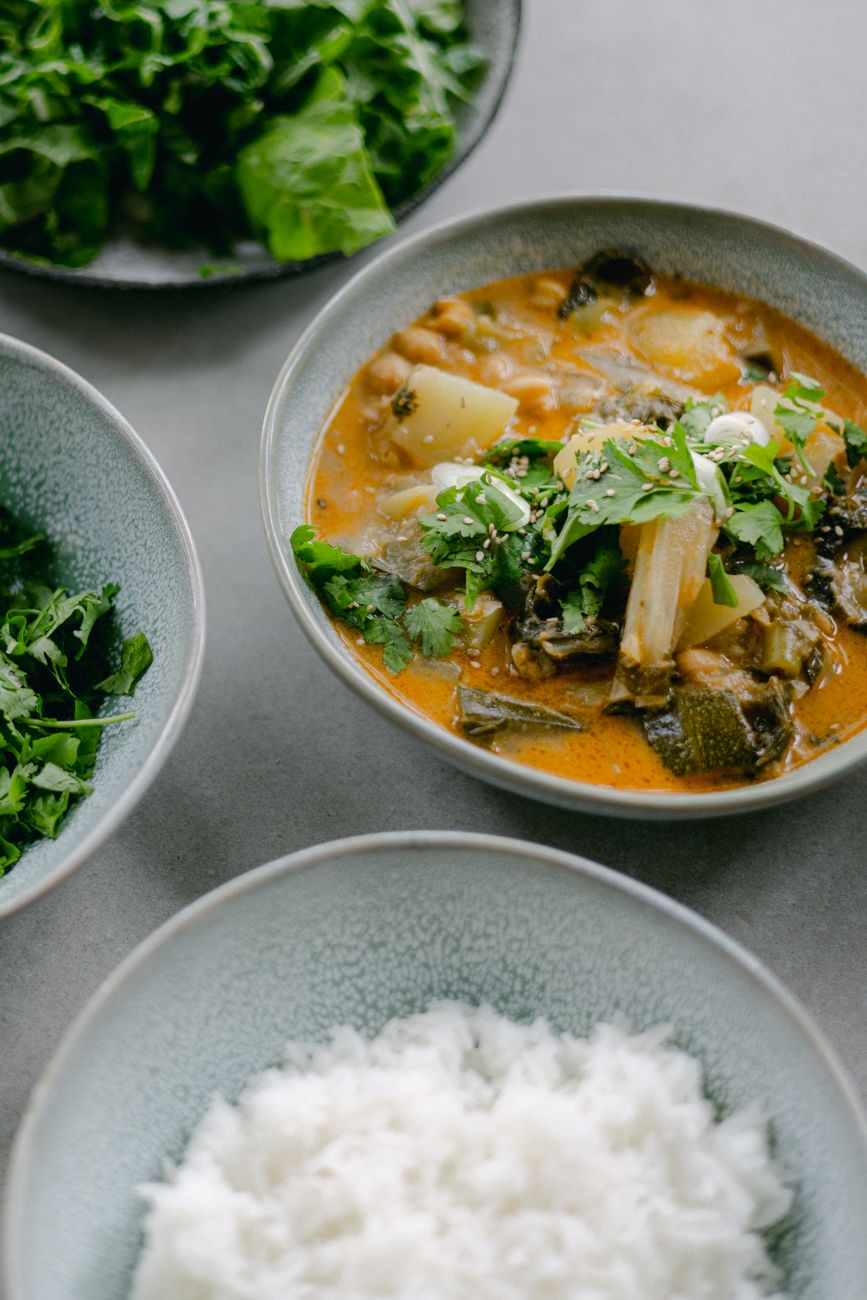
May 14, 2026Groundnut Stew with Sweet Potatoes and Greens
A rich, warming West African stew built on peanut butter, tomatoes, and aromatic spices, with tender sweet potatoes and hearty greens providing substance. 55 min · 0 saves.
west_african · mild
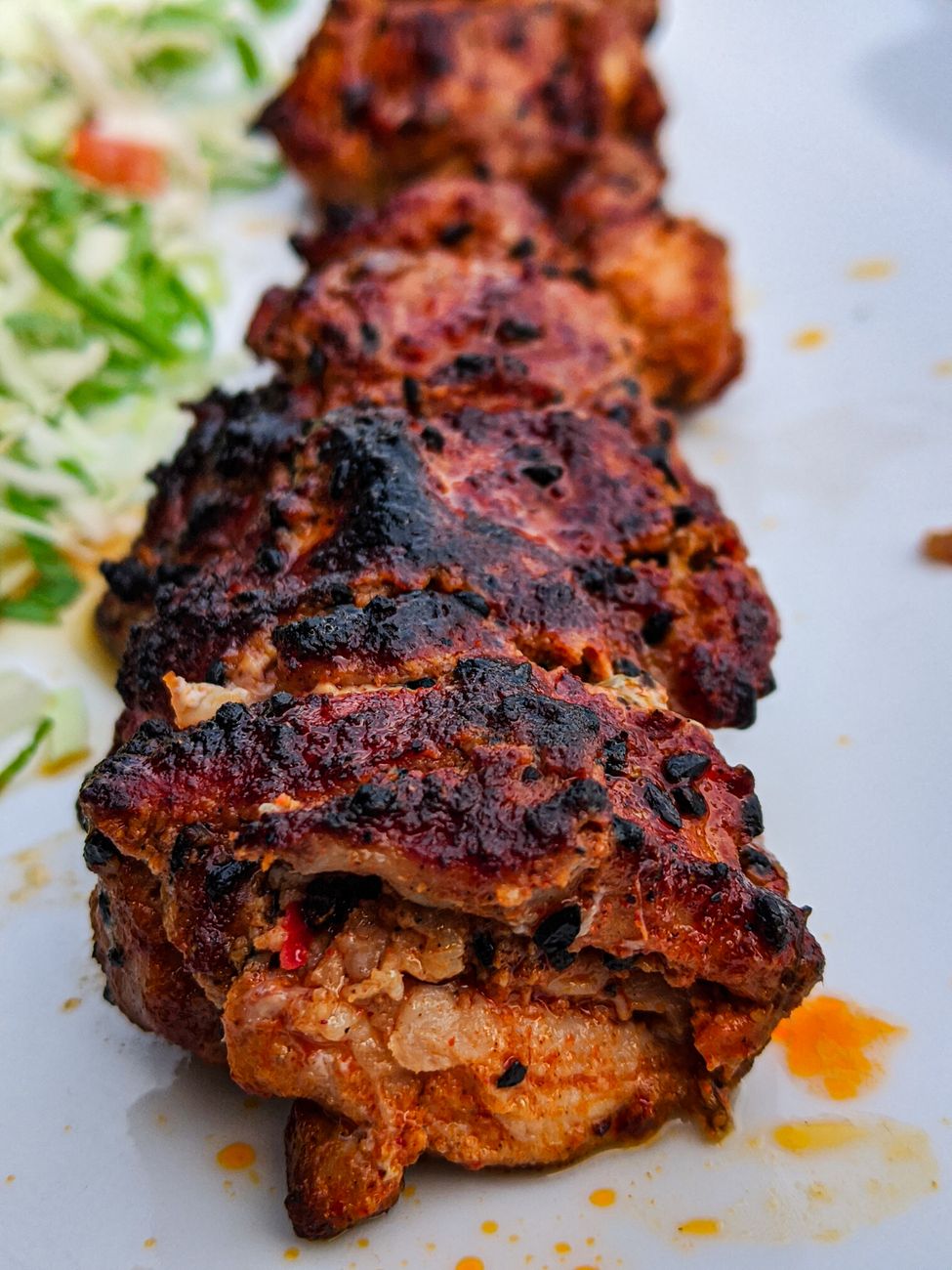
May 10, 2026Grilled West African Suya-Style Chicken with Yaji Spice
Juicy chicken pieces kissed by flame and coated in yaji—a fragrant West African spice blend that marries roasted peanuts with gentle chilies and warming ginger for a dish that's approachable yet deeply flavorful. 35 min · 0 saves.
Bottle picks
Related hot sauce reviews.
Explore sauces with related ingredients, flavors, and heat levels.
Fly By Jing Sichuan Gold Review
A citrusy, tingly sauce with real peppercorn presence and enough versatility to move beyond dumplings.
Best for dumplings
Best for: Eggs and breakfast tacos
Skip if: Skip if you want a thick, smoky wing sauce more than a bright finishing bottle.
Read review
Mike's Hot Honey Review
Sweet heat done right: sticky, quick, and versatile enough to become a finishing move instead of a novelty.
Best for gifting
Best for: Pizza and fried chicken
Skip if: Skip if you want a classic vinegar-forward table sauce with almost no sweetness.
Read review
Heatonist Los Calientes Rojo Review
Heatonist Los Calientes Rojo: flavor notes, heat level, and suggested food pairings.
Best for tacos
Best for: Tacos and rice bowls
Skip if: Skip if you are chasing a novelty-level heat hit or a super-special-occasion bottle.
Read review
Go deeper
Background guides that build on this.
Keep reading
More on this subject.
If this post helped, these are the next pieces most likely to keep the thread going.
culture
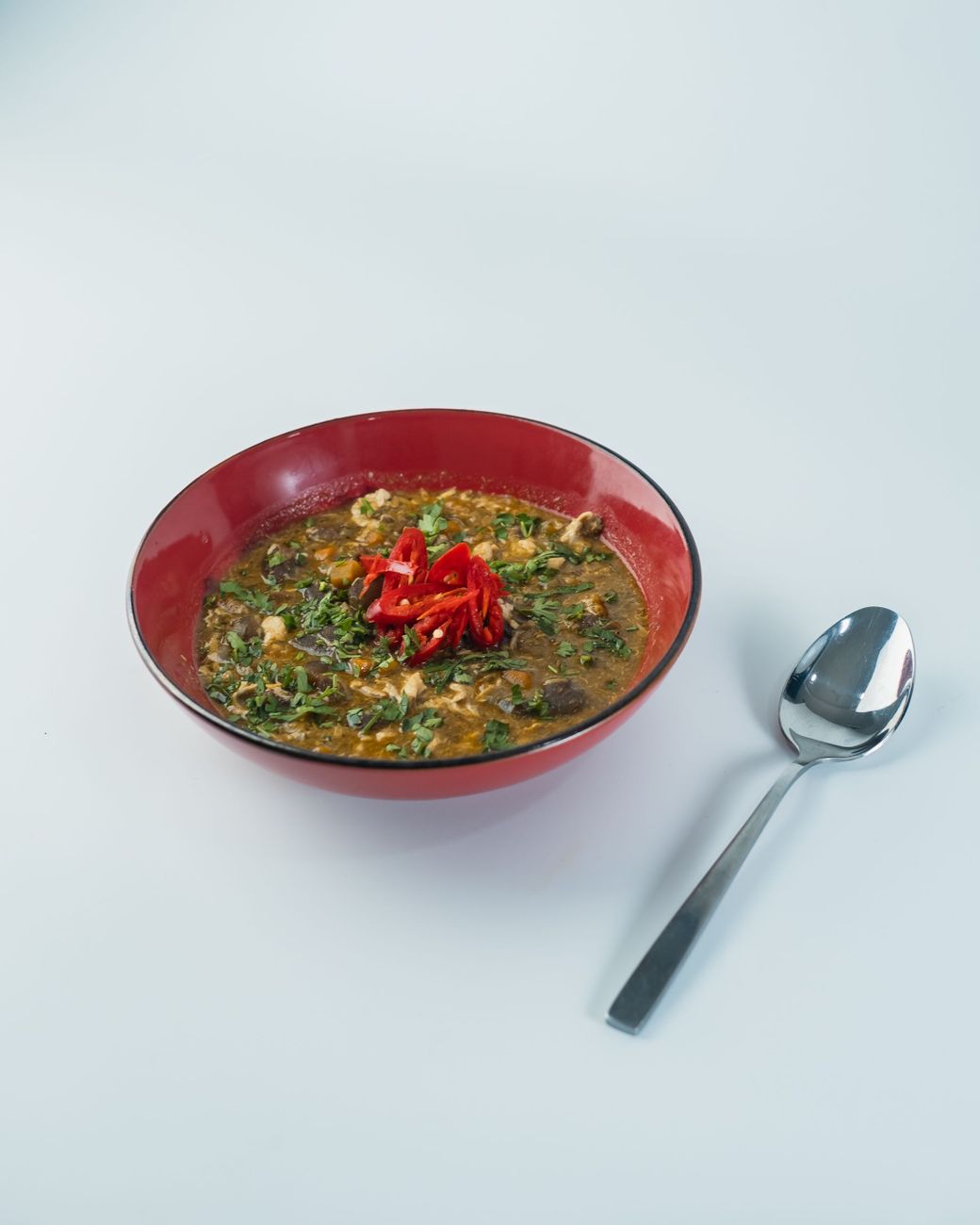
May 9, 2026Beyond Jollof: West Africa's Most Craveable Spicy Dishes Taking Over Tables Right Now
From Senegal's soul-warming thieboudienne to Nigeria's sinus-clearing pepper soup, these West African dishes prove that the most craveable heat comes from layering spices, not just turning up the fire.
culture
Apr 18, 2026West African Heat: The Spicy Dishes Reshaping How We Crave Fire
From Nigeria's pepper-kissed jollof to Ghana's soul-warming shito, West African kitchens have cracked the code on heat that hugs rather than punishes. Here's why these spice-forward dishes are winning over tables everywhere.

culture
Jun 15, 2026Four Middle Eastern Heat Styles That Should Be on Your Radar Right Now
From harissa's patient burn to zhug's bright herb-fire, these Middle Eastern heat styles teach us that the best spicy food builds complexity alongside warmth—and they'll change how your family thinks about heat.
Comments
Reader discussion is shared across recipes, reviews, and editorial pieces.
Comments are read-only while member sign-in is paused.