
culture
West African Heat: The Spicy Dishes Reshaping How We Crave Fire
From Nigeria's pepper-kissed jollof to Ghana's soul-warming shito, West African kitchens have cracked the code on heat that hugs rather than punishes. Here's why these spice-forward dishes are winning over tables everywhere.
Share this
Pass it around
Send this page to a friend, copy the link, or save it to a Pinterest board.

Save for later
Pin this page
Save the image with a link back to this recipe, review, or article.
The Kind of Heat That Invites You Back
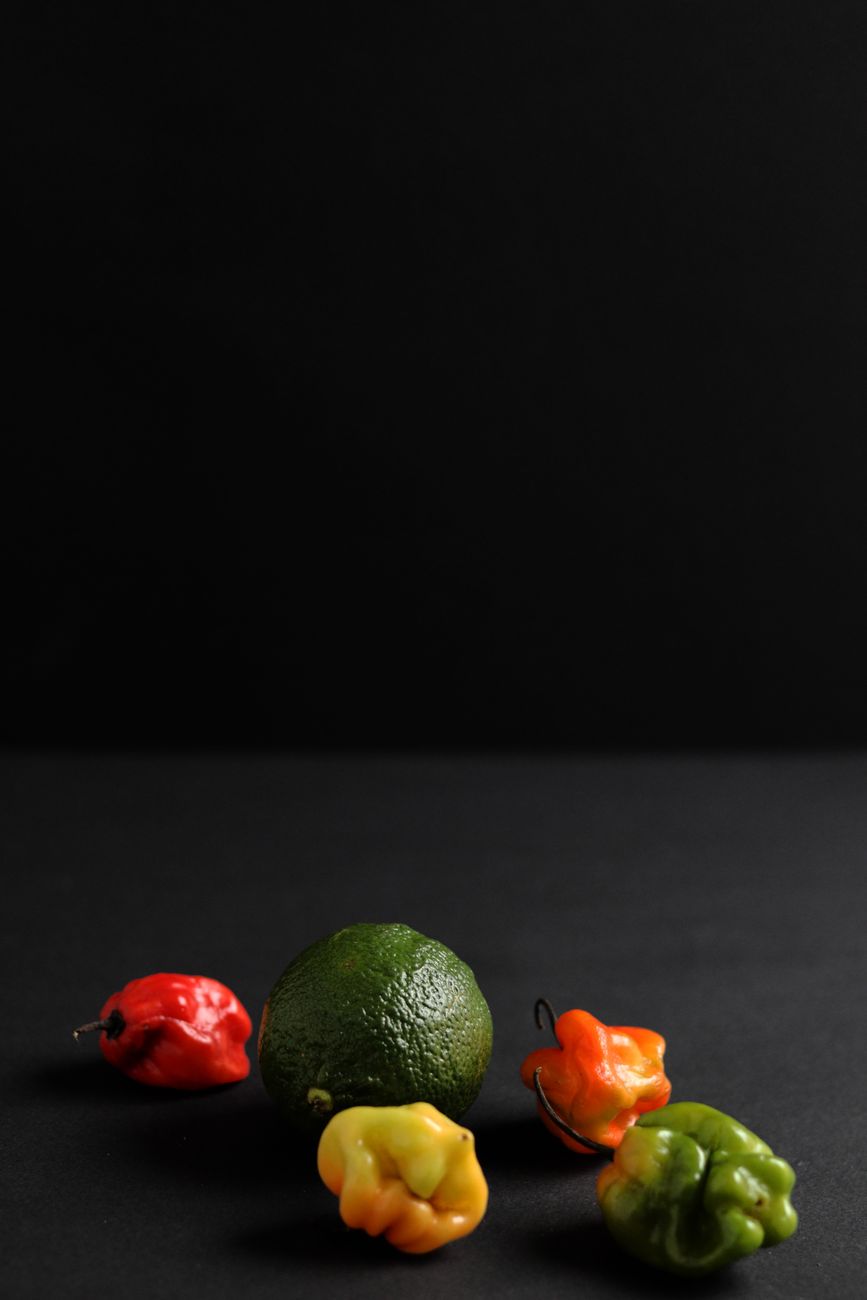
There's something West African cooks have always known that the rest of us are finally catching on to: real heat doesn't just burn—it beckons. Walk into any Nigerian or Ghanaian kitchen, and you'll smell the difference immediately. Those scotch bonnets and habaneros sizzling in palm oil aren't there to punish anyone. They're building something warmer and more welcoming than that.
I've watched friends who swear they "can't handle spicy food" go back for thirds of a well-made jollof rice. The secret isn't lower heat—those scotch bonnets pack the same Scoville punch whether they're in your grandmother's kitchen in Lagos or your local West African spot. The difference is how that heat gets woven into the dish, becoming part of the conversation instead of shouting over everything else.
This is heat with manners. It builds slowly, settles into your bones like a good story, and leaves you reaching for another spoonful before the fire even fades. While so many cuisines treat spice like a dare, West African cooking treats it like an invitation.
Jollof Rice: Your Passport to Proper Heat
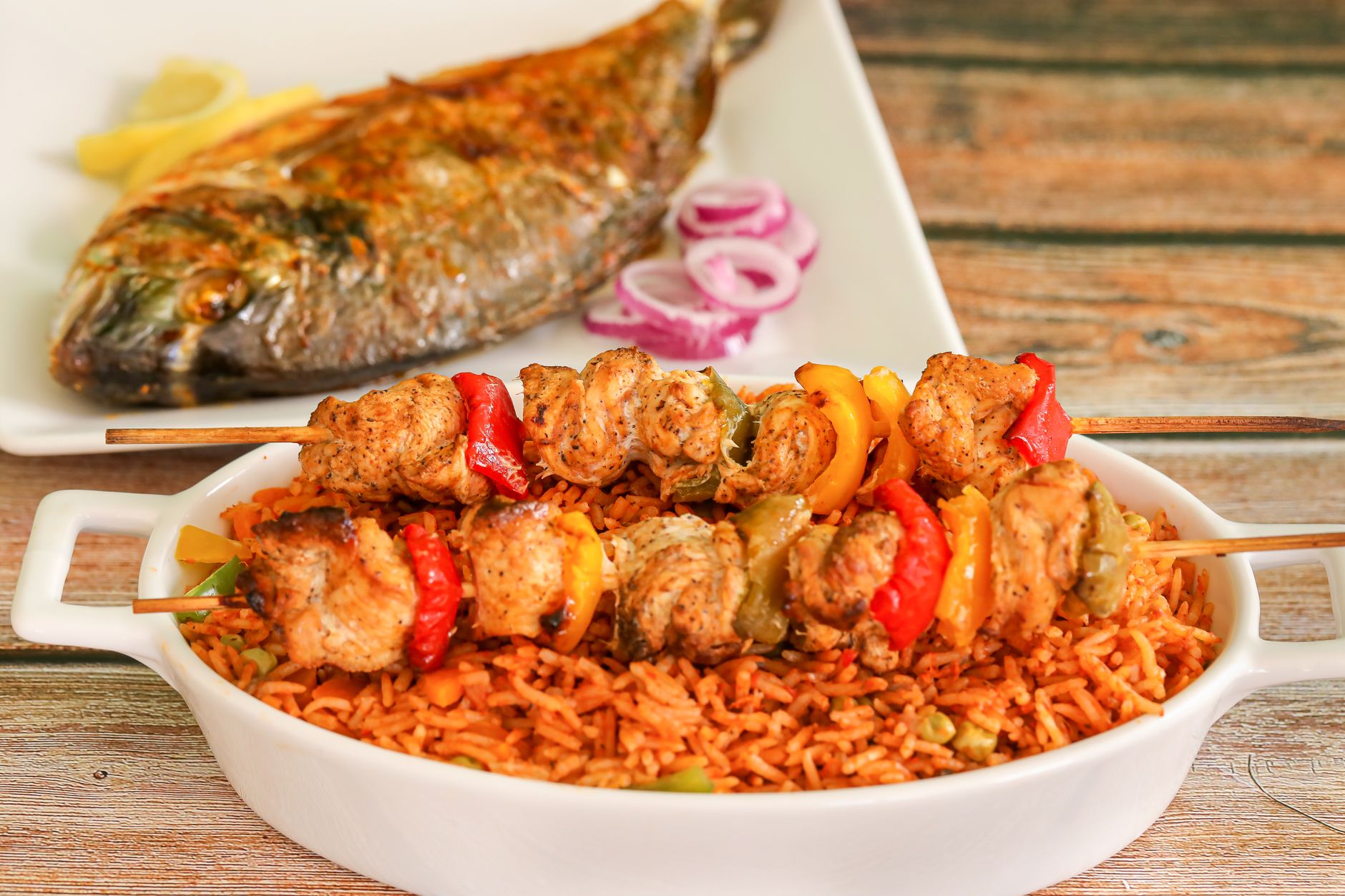
If you want to understand West African spice philosophy, start with jollof rice. This isn't just throwing hot sauce on rice and calling it a day. The pepper work happens at the foundation level, where scotch bonnets and habaneros get blended with tomatoes and onions into a paste that becomes the dish's soul.
Here's what makes it brilliant: that pepper base hits the hot oil first, blooming and mellowing before the rice even shows up. By the time you're eating, the heat has had time to make friends with every other flavor in the pot. It's not sitting on top like an afterthought—it's woven right through every grain.
Nigerian versions tend to run hotter than Ghanaian ones, often doubling down with dried cayenne or bird's eye chilies. But whether you're team Nigeria or team Ghana (and yes, people have strong feelings about this), both styles understand that the heat should lift up that rich tomato base, not bulldoze over it.
The genius is in how the spice builds as you eat. Those first few bites might lull you into thinking you can handle anything. Halfway through your plate, you realize you're committed to this particular heat journey—and you wouldn't want to be anywhere else.
Pepper Soup: When Heat Becomes Medicine
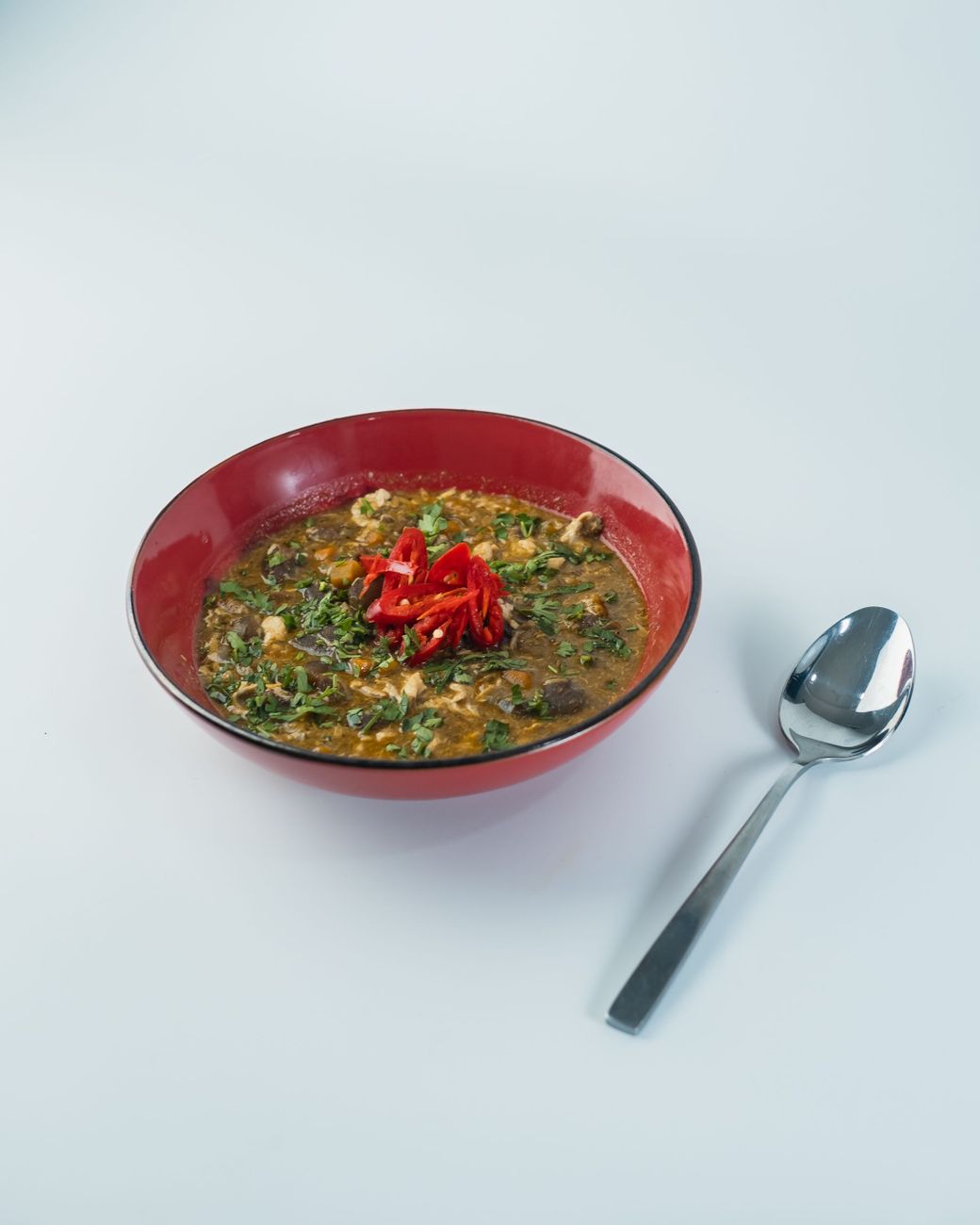
West African pepper soup is where spicy cooking gets serious about its day job. These broths don't just taste good—they work. One bowl when you're feeling under the weather, and you understand why generations of West African families have trusted this liquid fire to set things right.
The pepper combination here is where things get interesting. Sure, there are scotch bonnets for that fruity heat we love. But then come the supporting players: dried African peppers for depth, uziza seeds that bite like black pepper's more interesting cousin, uda pods that warm you like nutmeg with attitude, and ehuru seeds that add just enough bitter edge to keep things honest.
What emerges is a soup that can clear your sinuses from three feet away but somehow remains completely drinkable. The heat doesn't just sit on your tongue—it opens up pathways you didn't know you had, making space to appreciate whether you're sipping the fish version, the goat version, or the chicken.
This is heat with a purpose beyond pleasure, though the pleasure is undeniable. Your grandmother knew what she was doing when she ladled this into a bowl and told you it would fix whatever was wrong.
Shito: The Graduate Course in Fermented Fire
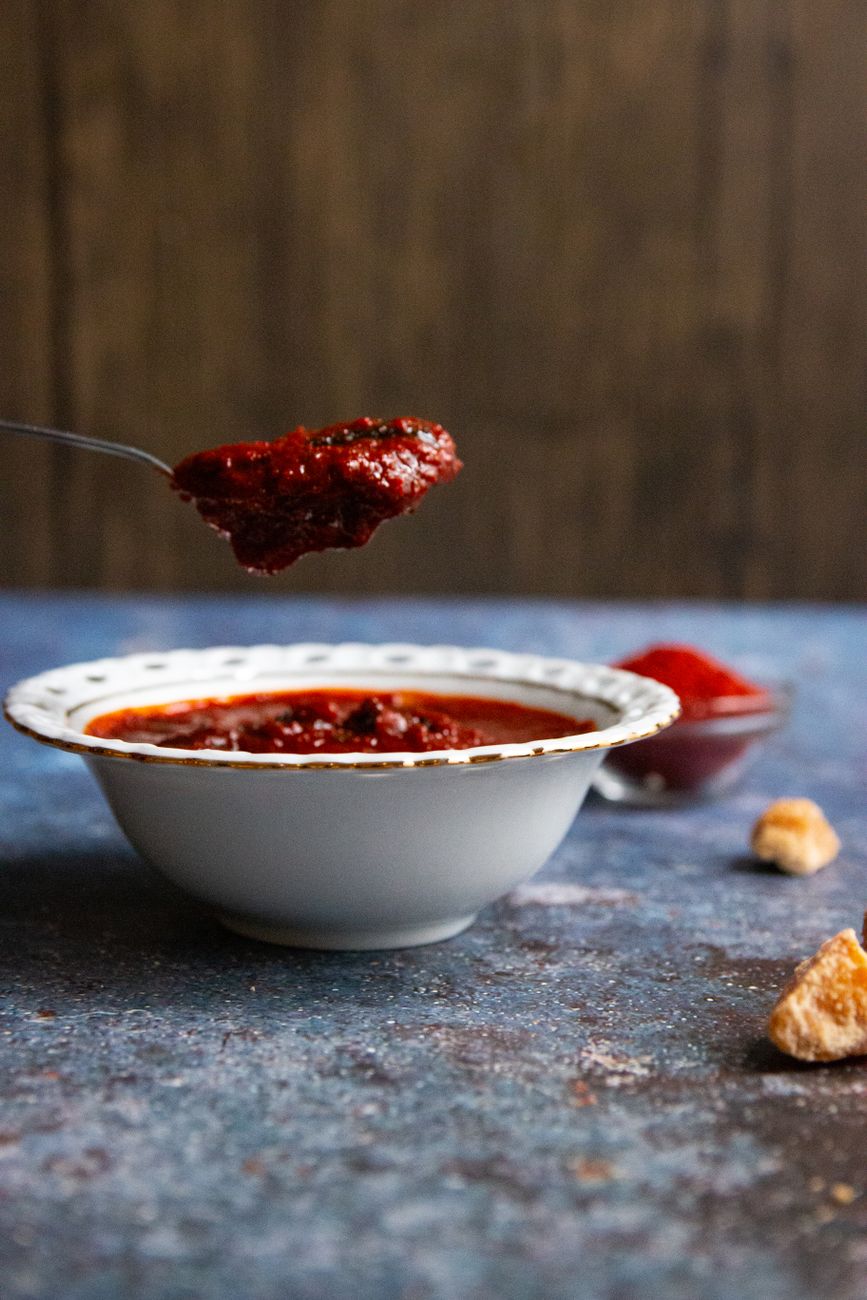
If pepper soup is West African heat at its most medicinal, Ghanaian shito is heat at its most sophisticated. This black pepper sauce takes the long view—dried chilies, shrimp, ginger, and garlic getting acquainted over time, often fermented until they develop the kind of complex relationship that only comes with patience.
Shito doesn't hit you with fresh pepper brightness. Instead, it delivers heat with depth, umami richness from those dried shrimp, and a slight funkiness that speaks to time well spent. The chile blend—usually bird's eye peppers playing with other dried varieties—creates the kind of sustained burn that doesn't quit halfway through your meal.
But here's what makes shito special: it works as hard as a cooking ingredient as it does as a condiment. Stir a spoonful into your rice and beans for instant complexity. Use it as a marinade and watch it work its way into every fiber of your protein. This is heat as foundation, not afterthought.
The fermentation process does something magical, too—it smooths out the peppers' sharpest edges while concentrating their power. You get intensity with wisdom, fire with experience. It's the difference between a young wine and something that's had time to figure itself out.
Why This Approach Wins Every Time
The reason West African heat techniques are showing up in restaurants and home kitchens everywhere isn't just because they taste good—though they absolutely do. It's because they're fundamentally generous. This is spice that wants to feed you, not defeat you.
Don't mistake generous for gentle. A proper Nigerian pepper soup or a scotch bonnet-loaded jollof can easily match anything coming out of Thailand or India for pure heat units. But those scotch bonnets and habaneros bring their own cooling system—fruity sweetness that provides relief right alongside the fire. It's like having a conversation with someone who challenges your thinking but never makes you feel stupid.
This built-in balance means you can push the heat envelope without creating something nobody wants to eat. The tomato base in jollof, the broth in pepper soup, the oil in shito—they're all there as cooling agents, letting the heat do its work without burning down the house.
If you want to try these techniques at home, start with whole scotch bonnets or habaneros in your braises and stews. You can fish them out before serving, which gives you more control than ground spices ever will. Build up slowly, taste as you go, and trust that the peppers want to work with you, not against you.
The real wisdom of West African spicy cooking is understanding that heat serves the dish, not the other way around. These are techniques that create the kind of spicy food that leaves you satisfied rather than just sweating—and planning your next bite rather than reaching for the milk.
Peppers featured in this post
Cook with this idea
Recipes to try next.
Put these ingredients and techniques to use in your next meal.
west_african · hot
Apr 11, 2026Ghanaian Pepper Sauce (Shito) with Scotch Bonnet Heat
A fierce and smoky Ghanaian pepper sauce that brings genuine heat and depth to your table, made with scotch bonnet peppers, dried fish, and warm spices. 55 min · 0 saves.

west_african · hot
Apr 11, 2026Ghanaian Spicy Palm Nut Soup with Scotch Bonnets
A rich, fiery palm nut soup with tender goat meat and whole scotch bonnets that don't hide their heat. This traditional Ghanaian comfort food delivers exactly the kind of warming fire your family will remember. 115 min · 0 saves.

west_african · medium
May 21, 2026Grilled Senegalese Chicken with Yassa Marinade
Juicy chicken thighs swimming in a golden marinade of caramelized onions, bright mustard, and just enough chile heat to make you reach for seconds. 65 min · 0 saves.
Bottle picks
Related hot sauce reviews.
Explore sauces with related ingredients, flavors, and heat levels.
Yellowbird Habanero Hot Sauce Review
A bright, carrot-forward bottle with enough heat to stay lively and enough sweetness to stay versatile.
Best for tacos
Best for: Tacos and rice bowls
Skip if: Skip if you want a classic vinegar-forward table sauce with almost no sweetness.
Read review
Queen Majesty Scotch Bonnet and Ginger Review
A bright, elegant sauce that leans on fruit, ginger, and Scotch bonnet lift instead of brute force.
Best for seafood
Best for: Seafood and fish tacos
Skip if: Skip if you want a thick, smoky wing sauce more than a bright finishing bottle.
Read review
Hot Ones Lineup Collection Review
A curated shelf-builder for tasting nights, gifts, and anyone who wants to compare heat styles side by side.
Best for gifting
Best for: Sauce subscription
Skip if: Skip if you need one exact everyday bottle instead of a discovery-style gift.
Read review
Go deeper
Background guides that build on this.
Keep reading
More on this subject.
If this post helped, these are the next pieces most likely to keep the thread going.
culture
May 9, 2026Beyond Jollof: West Africa's Most Craveable Spicy Dishes Taking Over Tables Right Now
From Senegal's soul-warming thieboudienne to Nigeria's sinus-clearing pepper soup, these West African dishes prove that the most craveable heat comes from layering spices, not just turning up the fire.
culture
May 27, 2026Three West African Spice Traditions That Deserve a Spot on Your Table
From Senegal's thieboudienne to Nigeria's pepper soup culture, explore the complex heat traditions that make West African cooking irresistible—and surprisingly approachable for home cooks.
culture
Oct 18, 2026Spicy Jamaican Dishes That Define Heat and Flavor Right Now
Jamaican cooking builds heat intentionally, not as theater. Scotch bonnets anchor the tradition—fruity, complex peppers that shape everything from jerk seasoning to table sauces. Learn how to choose them, use them, and understand why this approach to spice has stayed central to the cuisine.
Comments
Reader discussion is shared across recipes, reviews, and editorial pieces.
Comments are read-only while member sign-in is paused.