
culture
Beyond Jollof: West Africa's Most Craveable Spicy Dishes Taking Over Tables Right Now
From Senegal's soul-warming thieboudienne to Nigeria's sinus-clearing pepper soup, these West African dishes prove that the most craveable heat comes from layering spices, not just turning up the fire.
Share this
Pass it around
Send this page to a friend, copy the link, or save it to a Pinterest board.

Save for later
Pin this page
Save the image with a link back to this recipe, review, or article.
Why West African Cooks Get Heat Right
Here's what I love about West African spicy food: it's never just about proving you can handle the burn. Instead, cooks build heat the way you'd construct a good story—with layers, patience, and a clear sense of where everything's heading.
While the rest of us are still debating jollof rice (and yes, that conversation will never end), there's a whole world of West African dishes that deploy serious spice in ways that'll make you rethink everything you know about cooking with chiles. These aren't the kind of dishes that dare you to finish them. They're the kind that make you scrape the bowl clean, then start planning when you can make them again.
The secret? Multiple heat sources working together instead of one screaming pepper doing all the work. It's sophisticated in the best way—the kind of sophisticated that makes dinner better, not more complicated.
Thieboudienne: How Senegal Perfected Spicy Rice
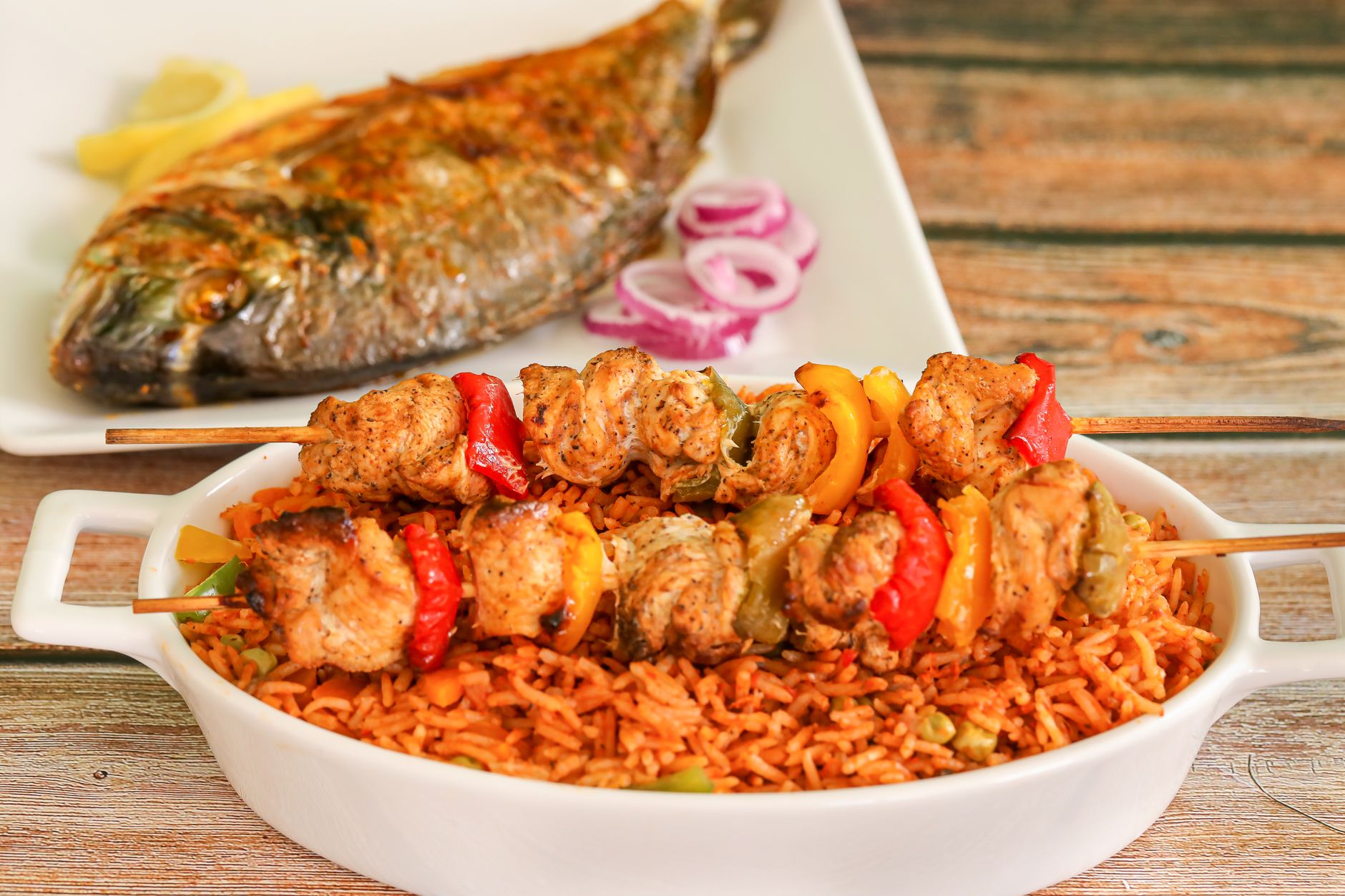
Forget everything you think you know about spiced rice dishes. Senegal's thieboudienne ("che-boo-jen" if you're keeping track) is what happens when centuries of cooks perfect the art of making rice absorb exactly the right amount of fire.
The magic happens in the "roff"—that deep, rust-colored sauce that becomes the rice's cooking liquid. It's built from tomatoes, fish stock, and a carefully orchestrated pepper symphony: dried habanero-type chiles called "piment," black pepper for bite, and sometimes "nokoss," a fermented locust bean paste that brings both umami and a gentle heat that sneaks up on you.
What gets me every time is how the heat moves through each forkful. The rice gives you that baseline warmth, sweet vegetables cool things down just enough, and chunks of fish provide richness that lets you keep going. It's heat with a strategy, designed to keep you at the table longer instead of sending you running for bread.
The meat version (thiebou yapp) typically brings more fire, while white thieboudienne drops the tomatoes but doubles down on the pepper complexity. Either way, you're looking at a dish that understands heat as hospitality, not punishment.
Nigeria's Pepper Soup: Liquid Fire That Actually Makes Sense
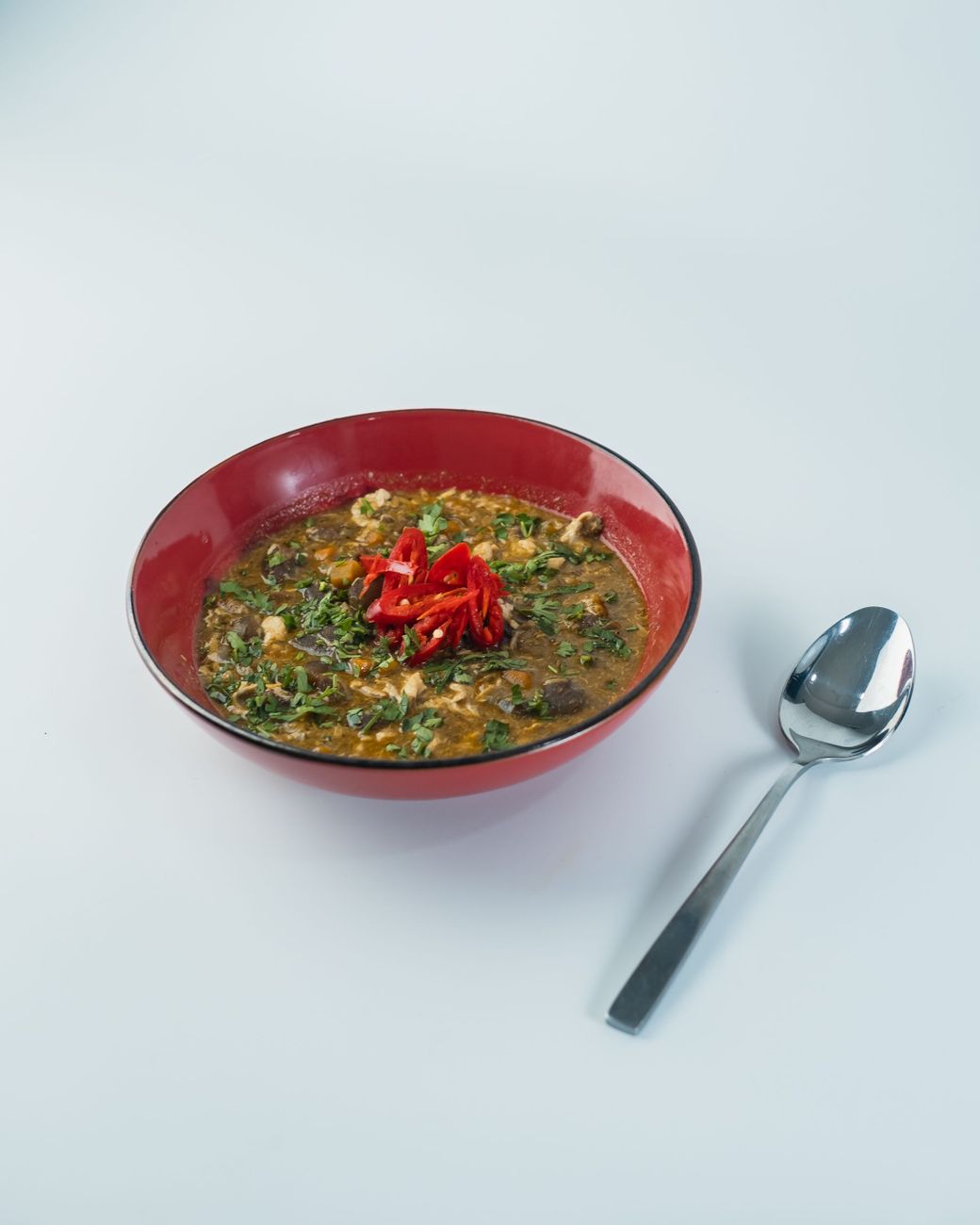
Call it "pepper soup" and you might think you know what you're getting. You don't. Nigeria's version is what happens when you treat broth like a canvas for chile artistry, building something that simultaneously clears your head and feeds your soul.
The genius is in the combination: fresh scotch bonnets for that immediate wake-up call, dried cameroon peppers for the warmth that lingers after you swallow, black peppercorns for aromatic punch, and indigenous spices like uda and ehuru that add layers without cranking up the Scoville count.
The fish's richness creates perfect balance against the aggressive spicing, and somehow the whole thing manages to be both medicinal and deeply comforting. It's the kind of soup that makes you understand why people cook through fevers and heartbreak.
Goat pepper soup runs considerably hotter—celebration food that assumes you're ready for the full experience. Chicken versions offer the gentlest entry point, though we're still talking about substantially more heat than most Western soups would dare attempt.
Ghana's Shito: The Condiment That Changes Everything
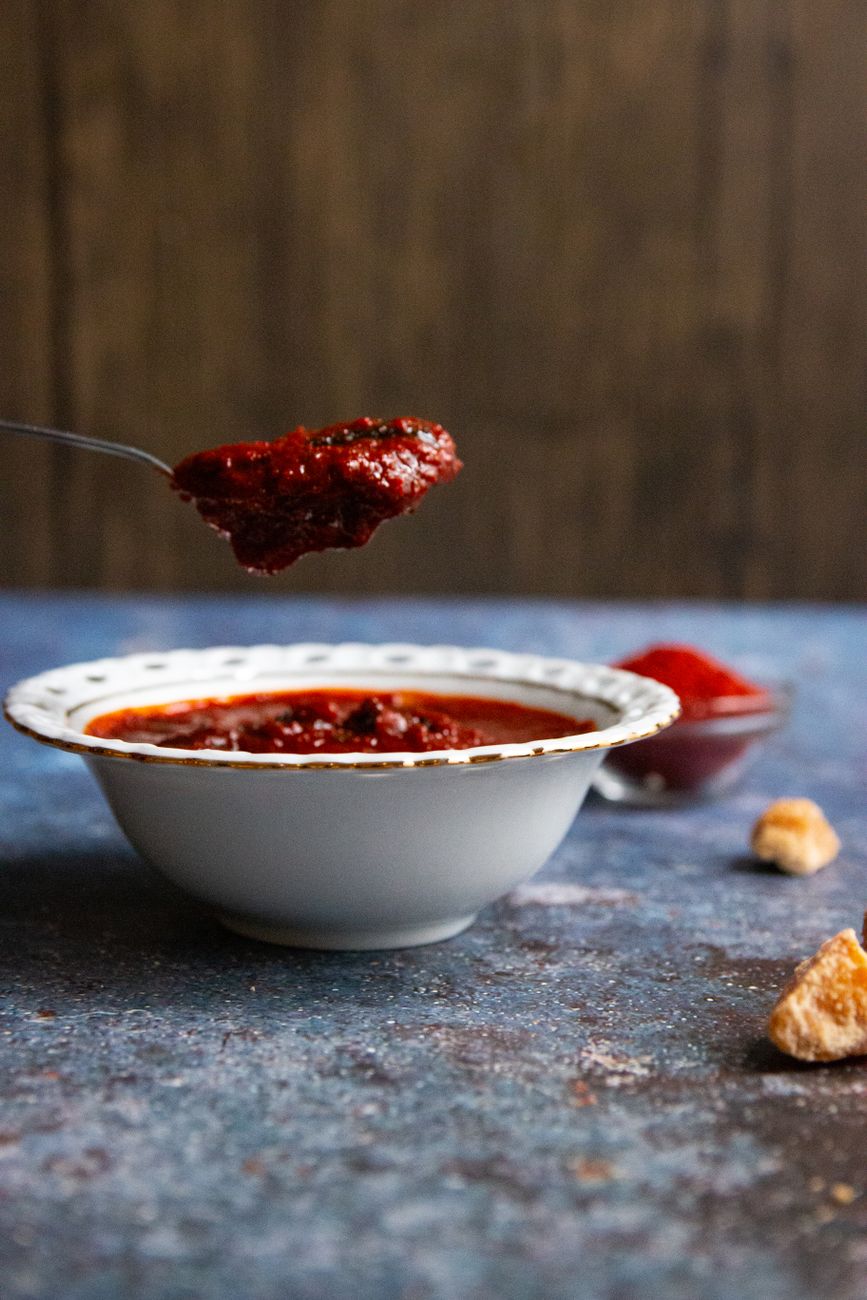
If you've never experienced proper shito, you're missing one of the world's great chile preparations. This isn't hot sauce as afterthought—it's a slow-cooked, deeply concentrated paste that functions as both cooking ingredient and table condiment.
The traditional method involves frying dried chiles, ginger, and garlic in palm oil until everything darkens and the kitchen smells like heaven with an edge. The best versions include dried fish or shrimp, which add protein depth and help the chile oils coat your tongue properly. Some cooks add tomatoes for brightness; others stay focused on pure pepper intensity.
What makes shito brilliant is its flexibility. Stir a spoonful into rice and beans (waakye) and watch a humble meal transform into something you'll crave for days. Use it as a marinade for grilled fish, or just dip plantains directly into the jar when no one's looking.
I've been seeing interesting variations lately—shito compound butter for grilled corn, fermented versions that develop funk alongside fire. It's exciting to watch cooks push the tradition forward while keeping that essential heat-first philosophy.
The Scotch Bonnet Difference
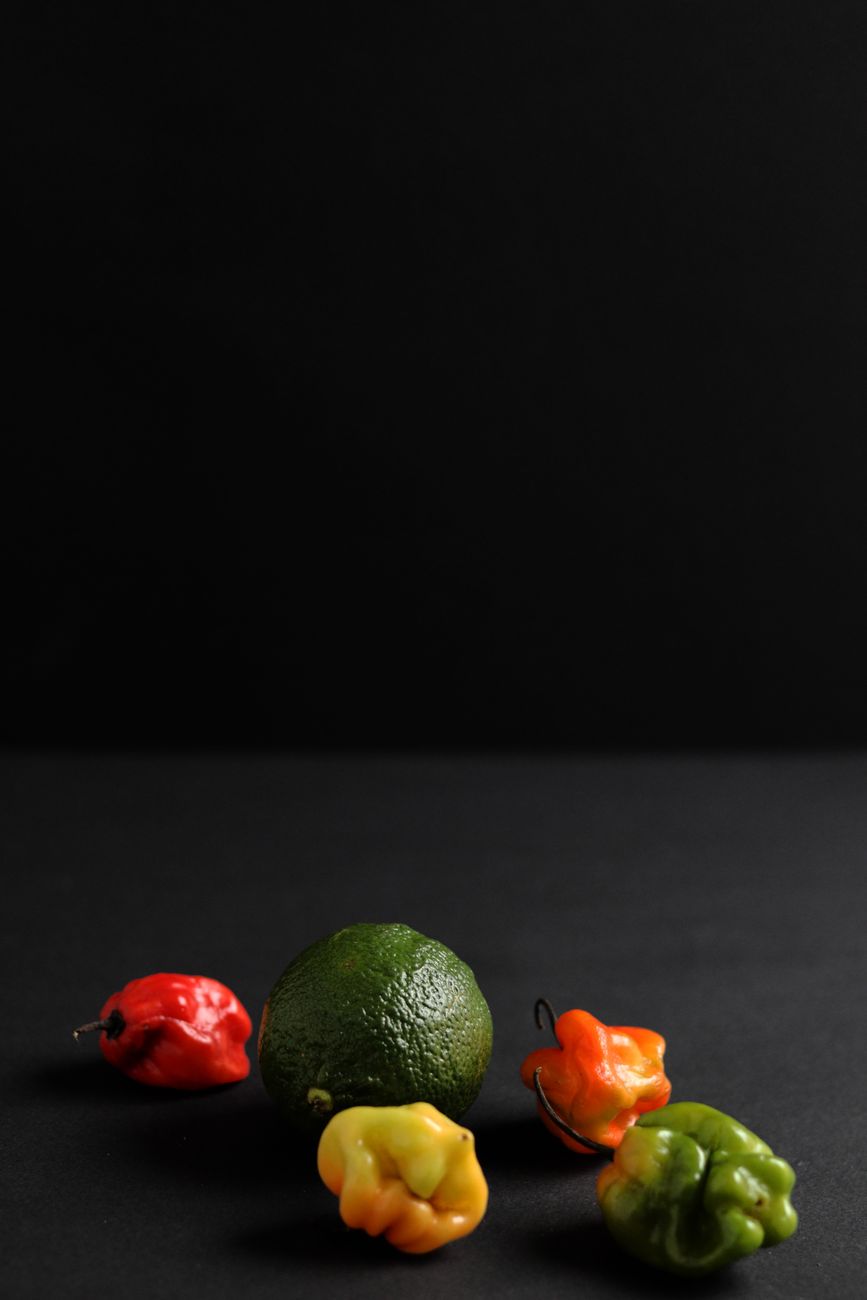
Here's why these dishes work so well: they're built around scotch bonnet peppers, which might be the most underappreciated chiles in the world outside of the Caribbean and West Africa. Unlike their habanero cousins, scotch bonnets bring fruity sweetness that actually improves other flavors instead of just adding heat on top.
This is why West African spicy food rarely needs cooling elements. The peppers provide their own balance, which means cooks can push heat levels surprisingly high while keeping everything delicious rather than punishing. It's a completely different philosophy from the clean heat of Thai bird chiles or the smoky complexity of chipotles.
Scaling Heat for Real Kitchens
The beautiful thing about this layered approach to spicing is that it's actually easier to modify than single-chile dishes. Since the warmth comes from multiple sources, you can dial back individual components without losing the soul of the dish.
For thieboudienne, cut the dried peppers in half but keep the black pepper and aromatics. Pepper soup stays true to itself with fewer scotch bonnets as long as you maintain the other spices. Shito can be stretched with extra palm oil or mellowed with additional garlic and ginger.
The point isn't heat tolerance—it's about understanding how spice builds flavor instead of just adding challenge. Once you get that perspective, these dishes become approachable for anyone curious enough to expand their comfort zone without signing up for pure suffering.
These West African preparations do something most spicy cuisines don't quite achieve: they make heat serve the meal instead of dominating it. That's the difference between food that challenges you and food that calls you back to the table. And honestly, that's why they deserve serious consideration from anyone who thinks they understand spicy food.
Peppers featured in this post
Cook with this idea
Recipes to try next.
Put these ingredients and techniques to use in your next meal.
west_african · hot
Apr 11, 2026Ghanaian Pepper Sauce (Shito) with Scotch Bonnet Heat
A fierce and smoky Ghanaian pepper sauce that brings genuine heat and depth to your table, made with scotch bonnet peppers, dried fish, and warm spices. 55 min · 0 saves.

west_african · hot
Apr 11, 2026Ghanaian Spicy Palm Nut Soup with Scotch Bonnets
A rich, fiery palm nut soup with tender goat meat and whole scotch bonnets that don't hide their heat. This traditional Ghanaian comfort food delivers exactly the kind of warming fire your family will remember. 115 min · 0 saves.

west_african · medium
May 21, 2026Grilled Senegalese Chicken with Yassa Marinade
Juicy chicken thighs swimming in a golden marinade of caramelized onions, bright mustard, and just enough chile heat to make you reach for seconds. 65 min · 0 saves.
Bottle picks
Related hot sauce reviews.
Explore sauces with related ingredients, flavors, and heat levels.
Yellowbird Habanero Hot Sauce Review
A bright, carrot-forward bottle with enough heat to stay lively and enough sweetness to stay versatile.
Best for tacos
Best for: Tacos and rice bowls
Skip if: Skip if you want a classic vinegar-forward table sauce with almost no sweetness.
Read review
Queen Majesty Scotch Bonnet and Ginger Review
A bright, elegant sauce that leans on fruit, ginger, and Scotch bonnet lift instead of brute force.
Best for seafood
Best for: Seafood and fish tacos
Skip if: Skip if you want a thick, smoky wing sauce more than a bright finishing bottle.
Read review
Hot Ones Lineup Collection Review
A curated shelf-builder for tasting nights, gifts, and anyone who wants to compare heat styles side by side.
Best for gifting
Best for: Sauce subscription
Skip if: Skip if you need one exact everyday bottle instead of a discovery-style gift.
Read review
Go deeper
Background guides that build on this.
Keep reading
More on this subject.
If this post helped, these are the next pieces most likely to keep the thread going.
culture
Apr 18, 2026West African Heat: The Spicy Dishes Reshaping How We Crave Fire
From Nigeria's pepper-kissed jollof to Ghana's soul-warming shito, West African kitchens have cracked the code on heat that hugs rather than punishes. Here's why these spice-forward dishes are winning over tables everywhere.
culture
May 27, 2026Three West African Spice Traditions That Deserve a Spot on Your Table
From Senegal's thieboudienne to Nigeria's pepper soup culture, explore the complex heat traditions that make West African cooking irresistible—and surprisingly approachable for home cooks.
culture
Oct 18, 2026Spicy Jamaican Dishes That Define Heat and Flavor Right Now
Jamaican cooking builds heat intentionally, not as theater. Scotch bonnets anchor the tradition—fruity, complex peppers that shape everything from jerk seasoning to table sauces. Learn how to choose them, use them, and understand why this approach to spice has stayed central to the cuisine.
Comments
Reader discussion is shared across recipes, reviews, and editorial pieces.
Comments are read-only while member sign-in is paused.