
culture
Why Louisiana's Boldest Cajun Dishes Are Having a Spicy Renaissance
Louisiana kitchens are turning up the heat on beloved Cajun classics, layering ghost peppers and habaneros into time-honored jambalaya, gumbo, and crawfish boils without losing the soul that makes these dishes sing.
Share this
Pass it around
Send this page to a friend, copy the link, or save it to a Pinterest board.

Save for later
Pin this page
Save the image with a link back to this recipe, review, or article.
Why Louisiana's Boldest Cajun Dishes Are Having a Spicy Renaissance
Walk into any Louisiana kitchen worth its salt right now, and you'll find something fascinating happening. The sacred trinity of celery, onions, and bell peppers is still there—nobody's messing with that. But those sweet bell peppers? They're sharing space with jalapeños, serranos, and poblanos. Grandmère's roux is getting bloomed with whole dried chiles. And that finishing drizzle on the gumbo might just make you reach for your sweet tea a little faster than usual.
This isn't some trend cooked up by food magazines. It's Louisiana cooks doing what they've always done: taking something good and making it better. The foundation stays solid—that careful balance of fat, aromatics, and time that makes Cajun food sing. But now there's an extra layer of complexity, a deeper burn that builds and lingers in the most satisfying way.
The New Heat Heroes: Jambalaya and Gumbo
Good jambalaya has always had teeth, but the versions making people talk right now build heat like a proper story—with layers and patience. Instead of relying solely on cayenne stirred in at the end, the smartest cooks I know are toasting whole dried chiles (guajillos, anchos, even chipotles), grinding them fresh, and blooming them right into that sofrito base.
This matters more than you might think. Fresh-ground chile has oils and complexity that dusty cayenne from a year-old jar simply can't match. When you bloom those chiles in oil with your trinity, you're creating something that will perfume every grain of rice. Add genuinely spicy andouille—not the mild grocery store stuff—and smoked paprika alongside the regular, and you've got jambalaya that tells a complete story from first bite to last.
Gumbo, though—that's where things get really interesting. That dark roux everyone fusses over? It can handle serious heat because all that slow, careful cooking smooths out harsh edges and marries flavors in ways that quick cooking never could. I've watched cooks slip whole scotch bonnets or habaneros into the pot during that long simmer, fishing them out before serving. What you're left with is this fruity, complex heat woven throughout the entire pot.
The file powder trick is even better. Take that traditional sassafras thickener and mix it with just a touch of ground ghost pepper or habanero powder. A tablespoon stirred in at the very end gives you gumbo with a delayed-reaction heat that sneaks up and builds with each spoonful. It's the kind of heat that makes conversation pause—in the best possible way.
Crawfish Season Gets Fiercer
Crawfish boils have always been a test of communal heat tolerance, but the spice blends floating around Louisiana right now would make your uncle who "can handle anything" reconsider his bravado. The basic cayenne-salt-garlic formula is growing up, incorporating ghost pepper flakes, smoked habanero powder, Carolina reaper salt, and Thai chile oil drizzled over the final pile like some kind of beautiful, dangerous garnish.
Timing is everything here. Those hottest spices go in during the final minutes of boiling—any longer and they turn bitter, overwhelming the sweet delicacy of properly cooked crawfish. The best boil masters I know set up stations with different heat levels so the whole family can participate, from the kids who think black pepper is spicy to the cousins who collect hot sauces like some people collect wine.
Crawfish étouffee benefits from this same thoughtful approach to heat. That blonde roux base is incredibly forgiving and actually loves having fresh habaneros or serranos incorporated right into the cooking fat. As the étouffee simmers, those peppers break down and distribute their heat evenly, creating layers of warmth rather than just surface burn. Finish with a drizzle of fermented hot sauce, and you've got something that honors tradition while making it completely your own.
Beyond the Bayou: Boudin and Jambalaya's Spicy Cousins
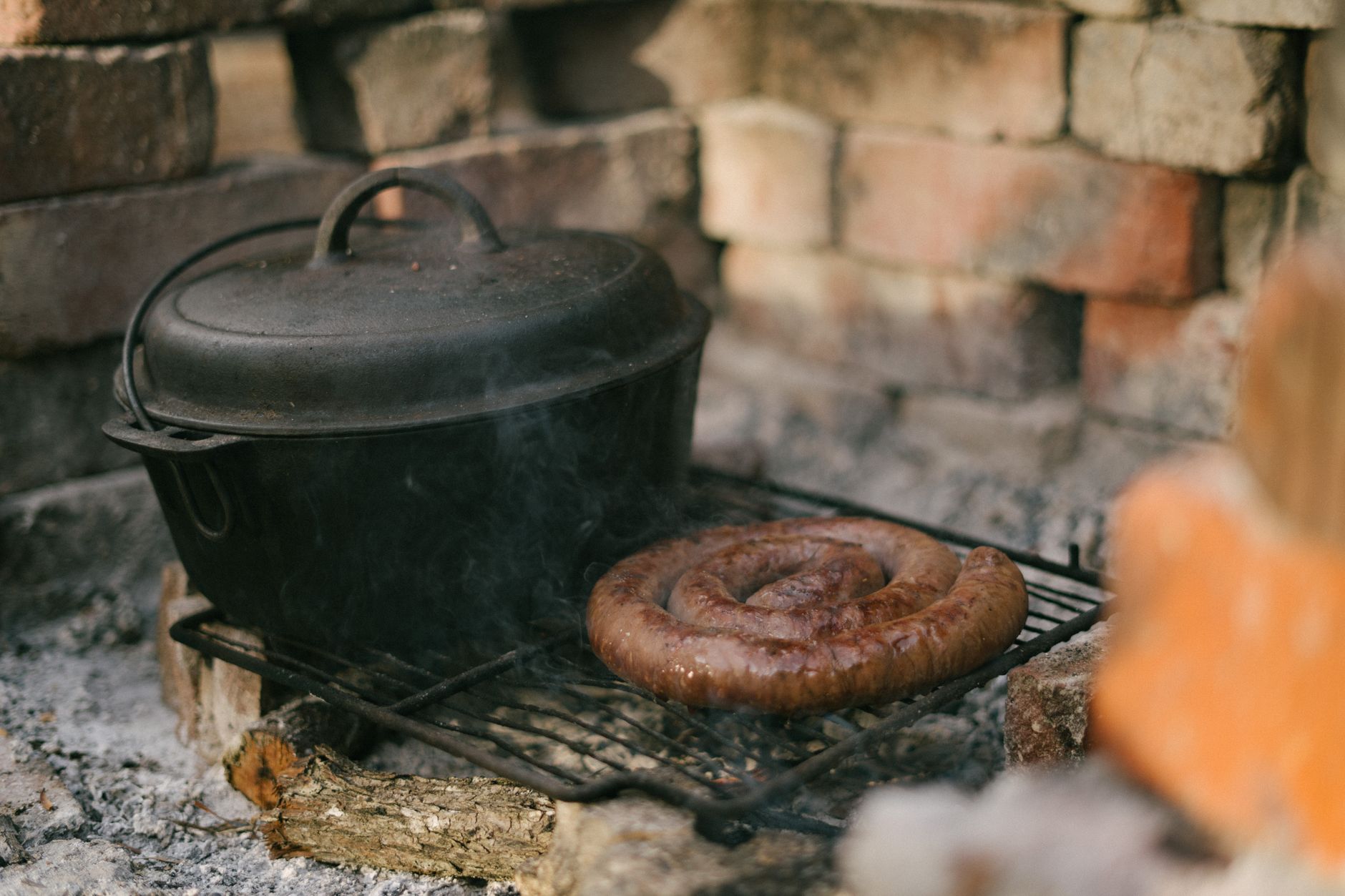
Boudin—that perfect marriage of rice, meat, and spice stuffed into sausage casing—is having its own heat moment. Traditional versions rely on white pepper and cayenne for their kick, but the versions worth seeking out now have fresh jalapeños or serranos mixed directly into the rice filling. The casing protects everything during cooking, then releases this burst of integrated heat when you bite through.
I've had boudin with ghost pepper worked into the rice mixture that didn't feel like a stunt at all. The rice absorbs and gentles the heat while the pork fat carries those flavors into every bite. It's still recognizably boudin, just with more personality.
Red beans and rice—that sacred Monday meal across Louisiana—is getting similar treatment. Instead of depending entirely on andouille for heat, cooks are building it into the sofrito base with fresh chiles, using hot smoked paprika, and finishing with pepper-infused vinegar. That long, slow cooking process that makes red beans creamy works the same magic on aggressive heat, turning it into something complex and welcoming.
The Heat Balance That Actually Works
What makes this whole spicy renaissance work—what keeps it from being just another gimmick—is the restraint paired with real technique. The best Cajun cooks understand how different chiles behave in traditional preparations. Fresh chiles like jalapeños work beautifully in quick-cooking dishes or added toward the end of longer braises. Dried chiles shine when they're toasted and ground fresh, then bloomed properly in oil. Pepper powders and hot sauces work as finishing touches that let each person at the table find their own comfort zone.
The other secret weapon here is fat. Cajun cooking's traditional emphasis on roux, oil-based seasonings, and rich proteins means there's always something to carry and temper the heat. This isn't the aggressive, palate-numbing approach you find in those ridiculous food challenges. It's heat that enhances everything else on the plate, that makes you want another bite even as you're reaching for more bread.
Building Your Own Spicy Cajun Kitchen
If this sounds like something you want to try at home, start with these fundamentals that actually make a difference:
- Toast and grind whole dried chiles instead of relying only on pre-ground cayenne
- Layer heat throughout the cooking process rather than adding it all at once
- Use fat strategically to carry and mellow pepper flavors
- Finish with acid (vinegar-based hot sauces, pickle juice) to brighten the heat
The goal here isn't to prove anything or punish anyone's palate. It's about taking the complex, layered approach that makes Cajun cooking special in the first place and extending it into spicier territory. When it works—and it really works—you get dishes that feel both completely traditional and genuinely exciting. Food that honors where it came from while making you sweat just a little bit more.
Peppers featured in this post
Cook with this idea
Recipes to try next.
Put these ingredients and techniques to use in your next meal.
cajun · hot
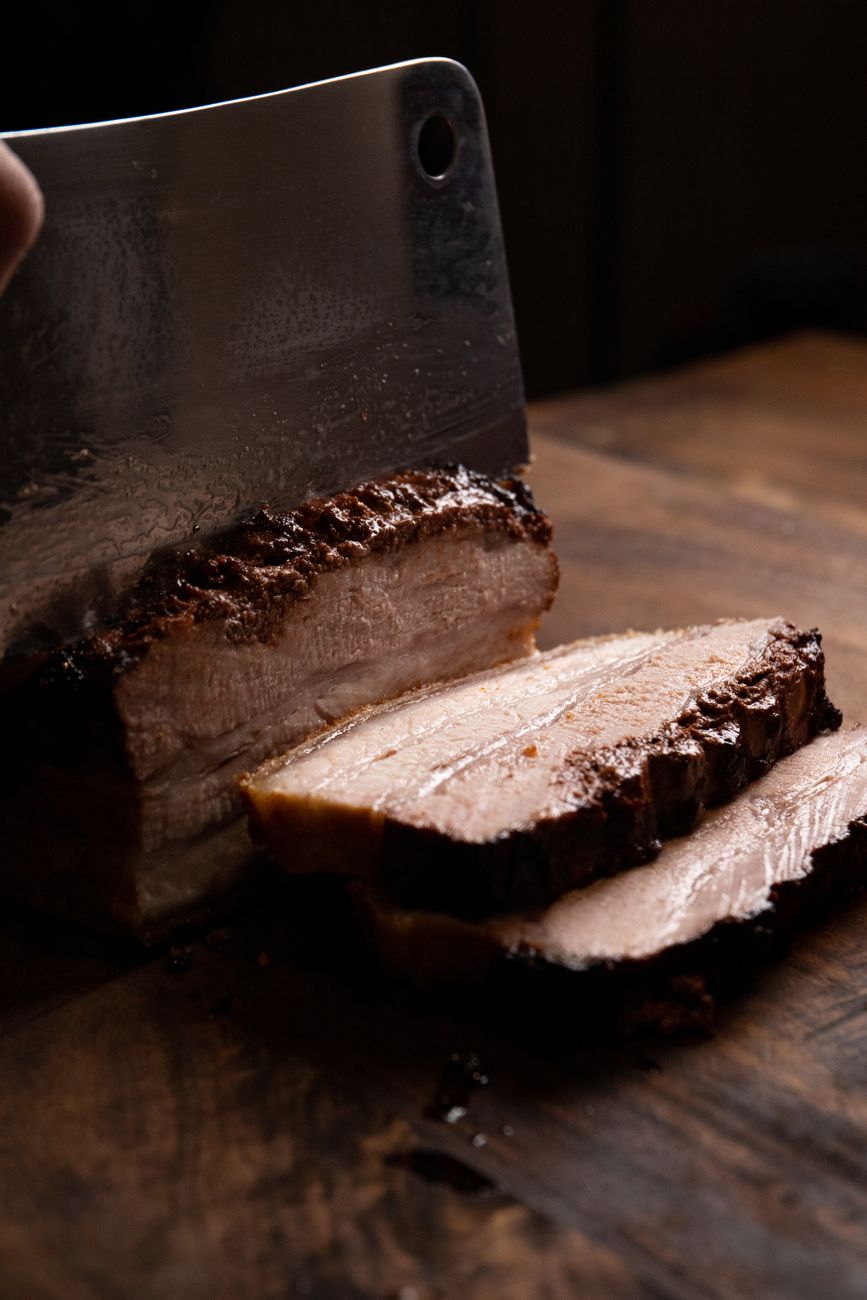
Apr 22, 2026Char-Grilled Cajun Pork Shoulder with Habanero-Molasses Glaze
A bone-in pork shoulder gets the full Cajun treatment with a scorching habanero-spiked dry rub, then slow-roasted on the grill until tender and finished with a sticky molasses glaze that caramelizes into glossy, fiery perfection. 330 min · 0 saves.
cajun · hot
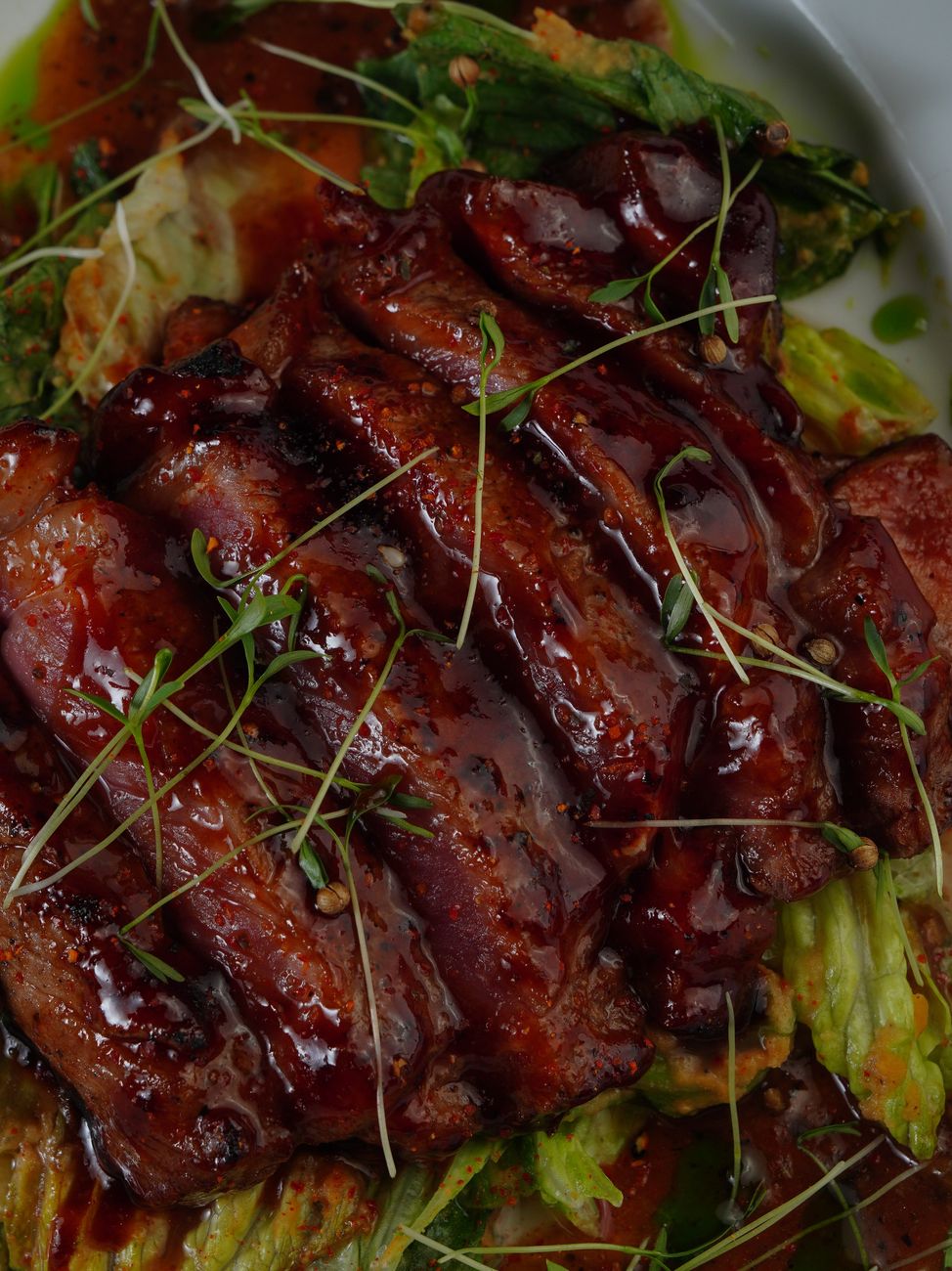
Apr 21, 2026Fire-Charred Cajun Pork Shoulder with Scotch Bonnet Glaze
A grilled and roasted pork shoulder where scotch bonnet peppers bring the heat twice—first in a bold Cajun rub, then in a glossy caramelized glaze that'll wake up your whole table. 320 min · 0 saves.
cajun · medium
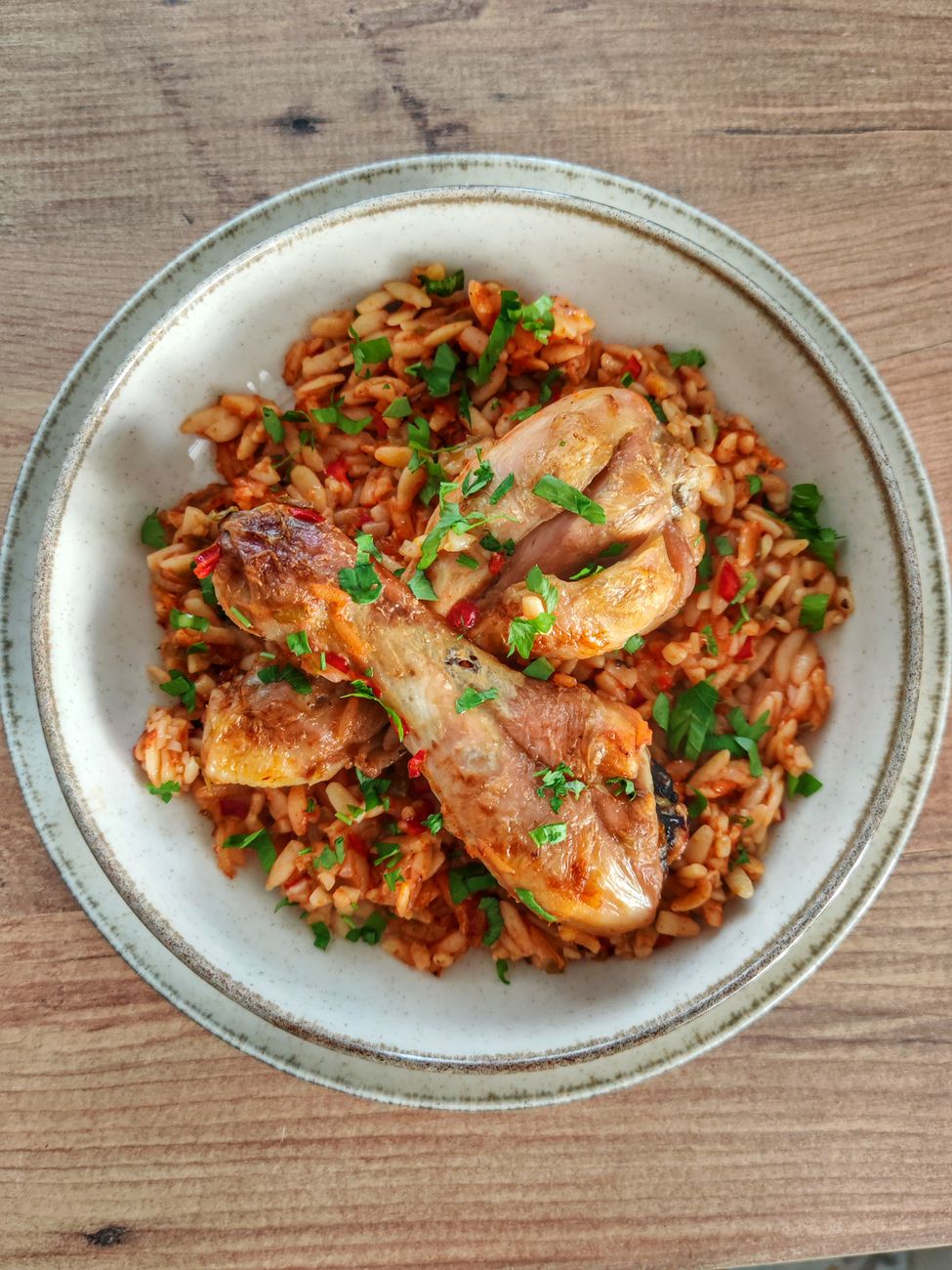
Oct 6, 2026Cajun Chicken and Sausage Rice Bowl with Creole Sauce
A one-bowl meal built on seasoned rice with andouille sausage, chicken thighs, and the trinity of onion, celery and bell pepper, finished with a medium-heat Creole sauce and fresh scallions. 55 min · 0 saves.
Bottle picks
Related hot sauce reviews.
Explore sauces with related ingredients, flavors, and heat levels.
Yellowbird Habanero Hot Sauce Review
A bright, carrot-forward bottle with enough heat to stay lively and enough sweetness to stay versatile.
Best for tacos
Best for: Tacos and rice bowls
Skip if: Skip if you want a classic vinegar-forward table sauce with almost no sweetness.
Read review
Queen Majesty Scotch Bonnet and Ginger Review
A bright, elegant sauce that leans on fruit, ginger, and Scotch bonnet lift instead of brute force.
Best for seafood
Best for: Seafood and fish tacos
Skip if: Skip if you want a thick, smoky wing sauce more than a bright finishing bottle.
Read review
Hot Ones Lineup Collection Review
A curated shelf-builder for tasting nights, gifts, and anyone who wants to compare heat styles side by side.
Best for gifting
Best for: Sauce subscription
Skip if: Skip if you need one exact everyday bottle instead of a discovery-style gift.
Read review
Go deeper
Background guides that build on this.
Keep reading
More on this subject.
If this post helped, these are the next pieces most likely to keep the thread going.
culture
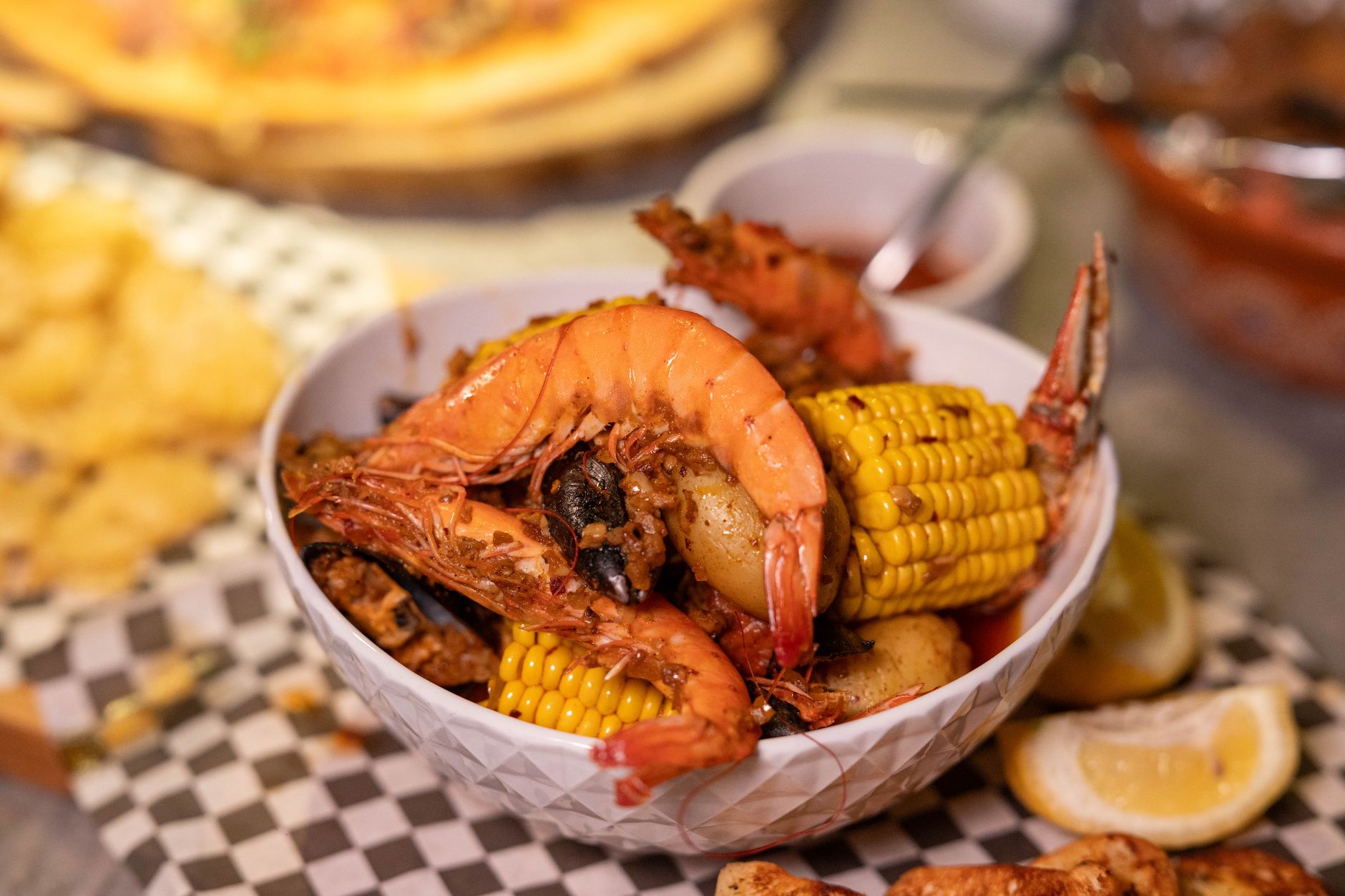
Jun 13, 2026Boudin, Crawfish Boils, and Cajun-Inspired Dishes
Boudin, crawfish boils, and Cajun-inspired dishes offer different textures and seasoning choices, from rice sausage to spiced seafood.
culture
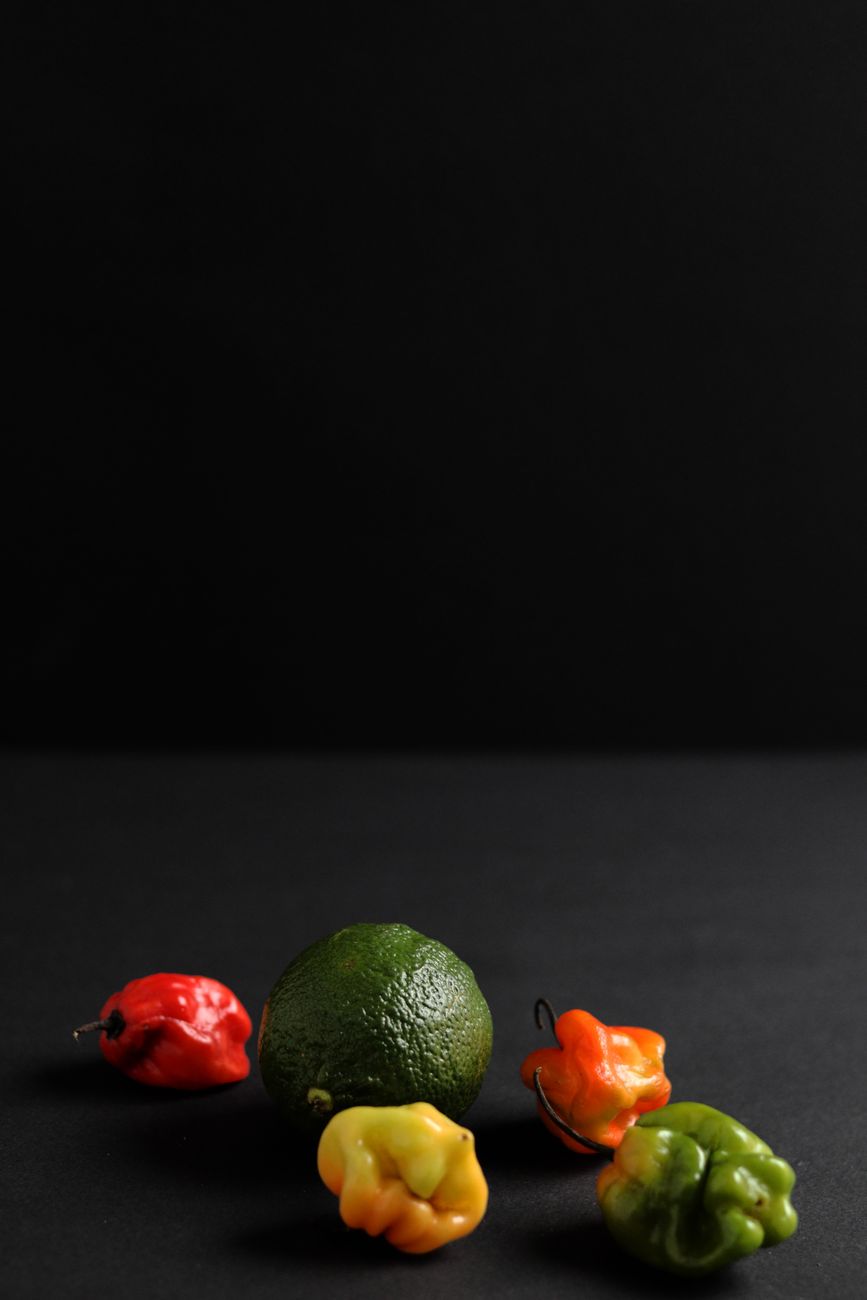
Oct 18, 2026Spicy Jamaican Dishes That Define Heat and Flavor Right Now
Jamaican cooking builds heat intentionally, not as theater. Scotch bonnets anchor the tradition—fruity, complex peppers that shape everything from jerk seasoning to table sauces. Learn how to choose them, use them, and understand why this approach to spice has stayed central to the cuisine.
culture
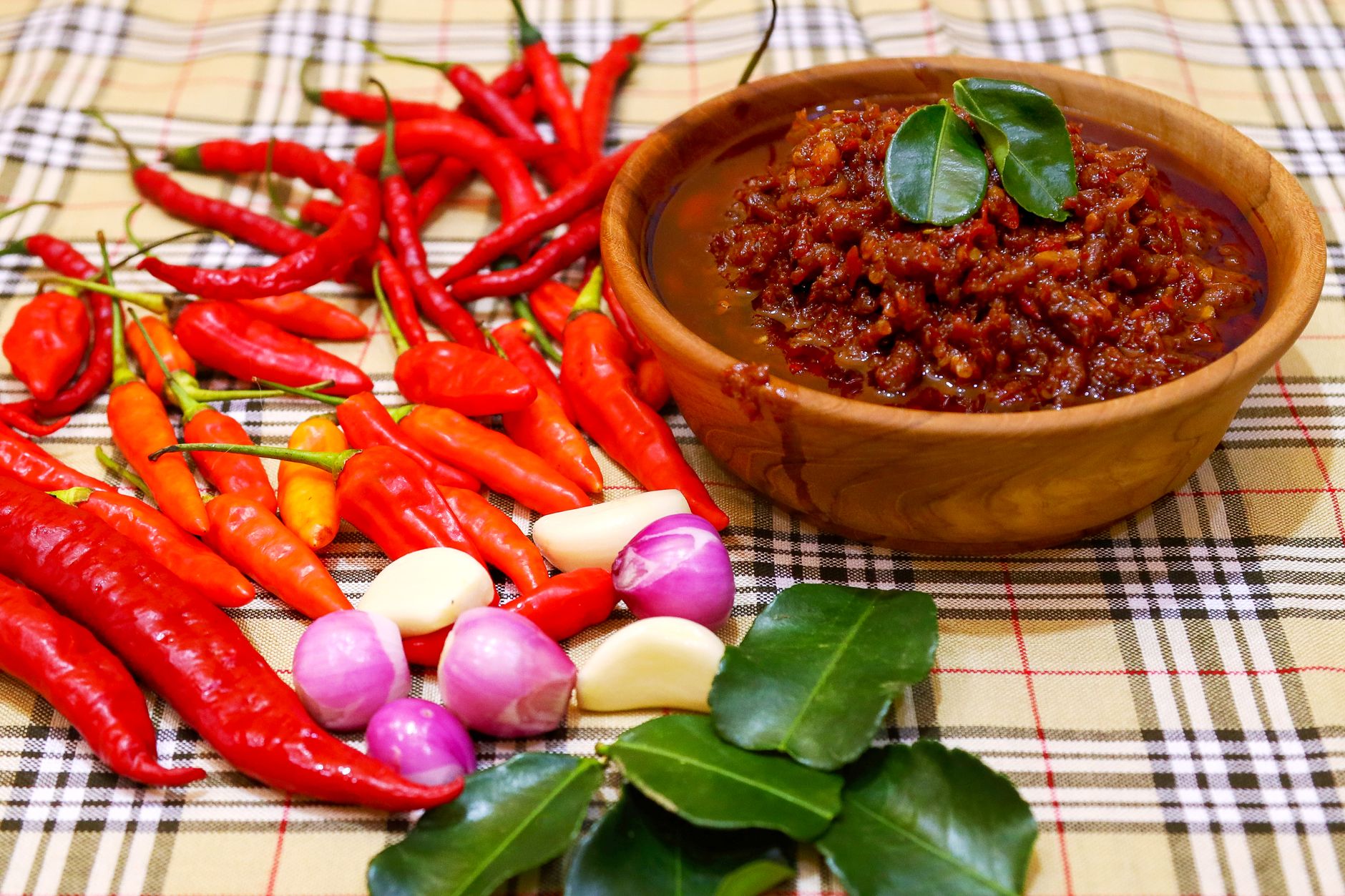
Oct 12, 2026What Malaysian Spicy Dishes Are Drawing Cooks Right Now
Malaysian heat builds in layers—through chile pastes, aromatics, and the way coconut milk carries spice. These dishes work because you can taste as you go, adjusting heat without losing the flavor underneath.
Comments
Reader discussion is shared across recipes, reviews, and editorial pieces.
Comments are read-only while member sign-in is paused.