
science
Miso, Sesame, and Fermented Chili Pastes in Japanese-Inspired Dishes
Miso, sesame, dashi, and fermented chili pastes provide a savory base for Japanese-inspired noodle bowls and other spicy dishes.

Share this
Pass it around
Send this page to a friend, copy the link, or save it to a Pinterest board.

Save for later
Pin this page
Save the image with a link back to this recipe, review, or article.
Miso, Sesame, and Fermented Chili Pastes in Japanese-Inspired Dishes
Looking at how these dishes are actually built shows techniques that apply well beyond Japanese cooking, whether you're working with doubanjiang, gochugaru, or a jar of cayenne from the pantry.
Building Umami Before the Heat
Consider tantanmen, which adapts Sichuan dan dan noodles. The base is sesame paste married with miso, before any chili enters the picture. Both ingredients add savory depth that carries through once the doubanjiang (fermented bean paste) and rayu (chili oil) are added, so the heat arrives already balanced by fermented flavor instead of standing alone.
Spicy miso ramen works on the same principle. The tare layers white and red miso with gochugaru, building savory flavor before the chili heat becomes noticeable. By the time the gochugaru's heat comes through, it reads as an extension of that richness rather than a separate element.
Why Aromatic Complexity Wins
Japanese spicy cooking rarely relies on heat alone. Aromatics round out the chili component so a dish reads as complex rather than simply hot.
Take spicy karaage. There's cayenne in the coating, but a lot of the flavor comes from togarashi blends that include yuzu peel, sesame seeds, and nori. These aromatics add layers of scent and flavor beyond the chili itself, so the dish reads as more than "chicken with hot stuff on it."
This layered approach means there's usually another flavor note to notice beyond the initial heat.
How Fermentation Shapes the Heat
Many Japanese spicy dishes lean heavily on fermented ingredients like miso, doubanjiang, and gochujang.
Fermented chili pastes such as doubanjiang or gochujang bring savory, aged flavor alongside the heat that fresh chilies don't have on their own.
Spicy Japanese curry shows this clearly. The curry roux incorporates multiple fermented elements—miso, soy sauce, sometimes kimchi—building a savory foundation before the chili heat joins in. This layering lets Japanese curry carry noticeable heat while still tasting rounded rather than sharp.
Miso-based hot pots follow the same approach. That fermented soybean paste adds savory depth that balances the chili heat rather than leaving it as the only flavor in the pot.
Building These Flavors at Home
You don't need a specialty grocery store to apply these principles. The key is building a savory base before introducing heat:
- Lead with fermented flavors: Start with miso, soy sauce, or fermented bean paste before adding any chili
- Choose aromatic chili preparations: Reach for togarashi, rayu, or homemade chili oil with garlic and ginger instead of plain cayenne
- Add textural interest: Sesame seeds, nori flakes, or crispy garlic add texture and aroma alongside the heat
- Layer umami sources: Bonito flakes, kombu, or mushroom powder create a savory foundation
For a fast version, mix white miso with gochugaru and sesame oil to make a spicy glaze for roasted vegetables. The miso provides fermented depth while the gochugaru delivers fruity, moderate heat.
Spicy mayo follows the same idea on a smaller scale. Kewpie mayo, made with egg yolks and a touch of MSG according to the manufacturer, has a savory backbone that carries togarashi or sriracha well.
The Common Thread
Across tantanmen, karaage, mapo tofu, and miso-based hot pots, the pattern repeats: umami and aromatic ingredients go in before or alongside the chili, so the heat is never the only thing on the plate.
That sequencing is the main takeaway for home cooking—building a savory, fermented, or aromatic base first changes how the finished dish tastes, whether or not the recipe is Japanese.
Peppers featured in this post
Cook with this idea
Recipes to try next.
Put these ingredients and techniques to use in your next meal.

japanese · medium
Jun 7, 2026Spicy Karaage Chicken Rice Bowl with Togarashi Mayo
Crispy Japanese fried chicken glazed with sweet-spicy sauce over seasoned rice, topped with crunchy vegetables and creamy togarashi mayo. 40 min · 0 saves.
japanese · medium
Apr 30, 2026Shichimi Togarashi Katsu Burger with Spicy Mayo
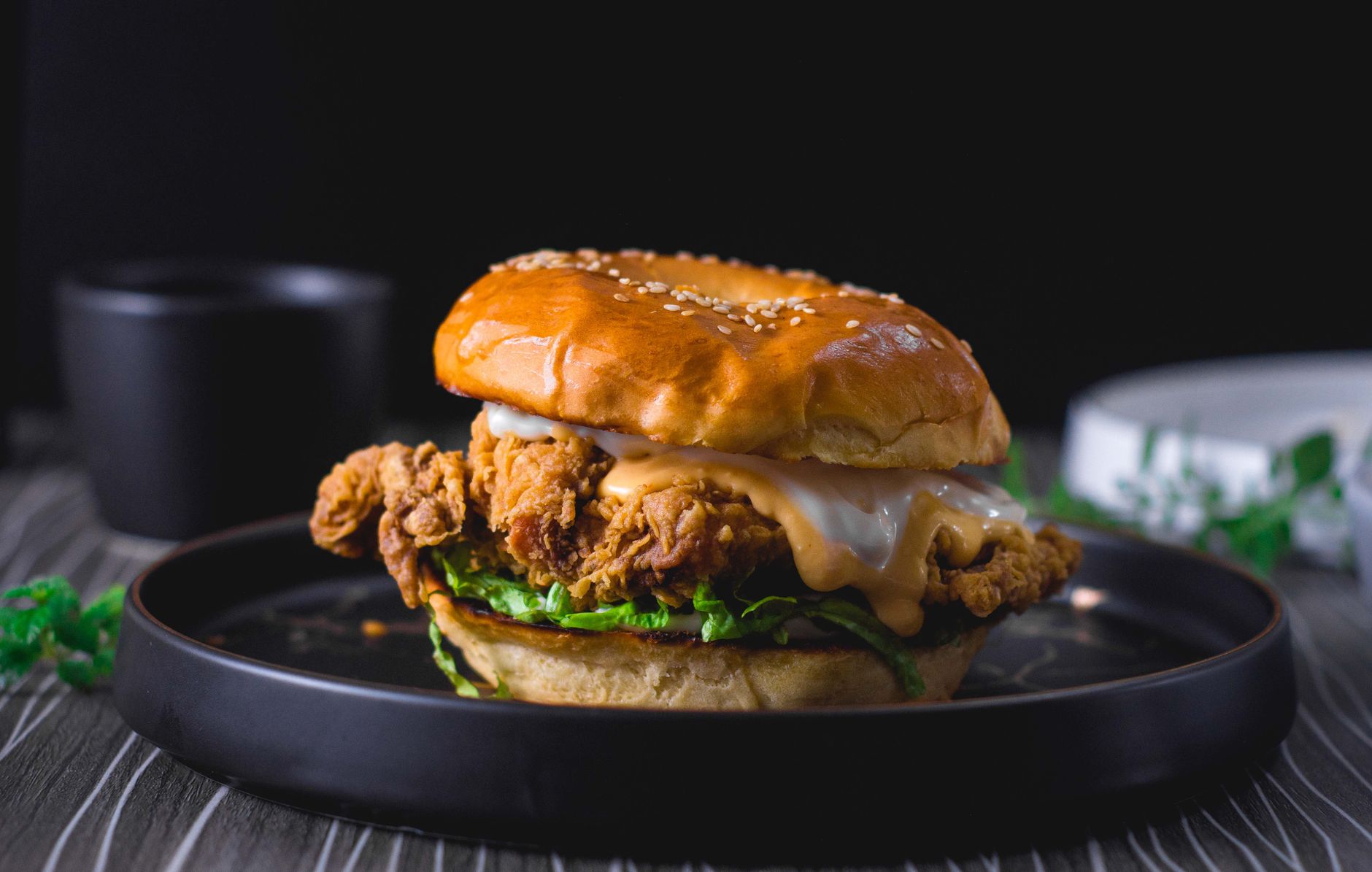
Crispy chicken katsu meets American comfort food in this Japanese-inspired burger, with shichimi togarashi adding aromatic heat and homemade spicy mayo bringing everything together. 40 min · 0 saves.
japanese · medium
Apr 14, 2026Spicy Miso Ramen with Togarashi Oil
Rich, warming ramen with fermented chili-miso broth and aromatic togarashi oil that builds gentle heat with each spoonful. 70 min · 0 saves.
Bottle picks
Related hot sauce reviews.
Explore sauces with related ingredients, flavors, and heat levels.
Fly By Jing Sichuan Gold Review
A citrusy, tingly sauce with real peppercorn presence and enough versatility to move beyond dumplings.
Best for dumplings
Best for: Eggs and breakfast tacos
Skip if: Skip if you want a thick, smoky wing sauce more than a bright finishing bottle.
Read review
Heatonist Los Calientes Rojo Review
Heatonist Los Calientes Rojo: flavor notes, heat level, and suggested food pairings.
Best for tacos
Best for: Tacos and rice bowls
Skip if: Skip if you are chasing a novelty-level heat hit or a super-special-occasion bottle.
Read review
Yellowbird Habanero Hot Sauce Review
A bright, carrot-forward bottle with enough heat to stay lively and enough sweetness to stay versatile.
Best for tacos
Best for: Tacos and rice bowls
Skip if: Skip if you want a classic vinegar-forward table sauce with almost no sweetness.
Read review
Go deeper
Background guides that build on this.
Keep reading
More on this subject.
If this post helped, these are the next pieces most likely to keep the thread going.
science
Oct 9, 2026Why Japanese Spicy Dishes Have Become Impossible to Put Down
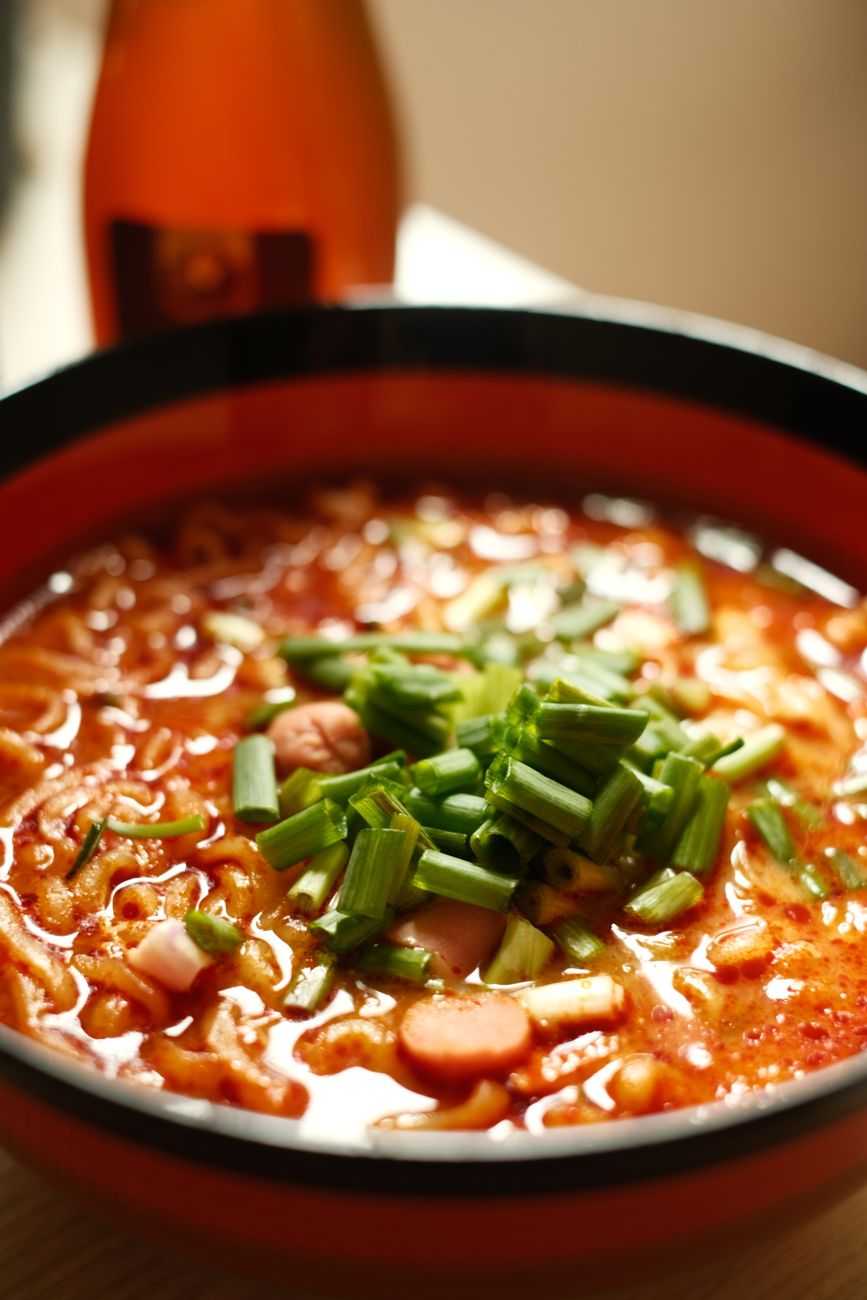
Japanese cooks have long used chili as an accent, but the current wave of spicy dishes—ramen, miso-based bowls, karaage—works because heat is layered with umami, fat, and salt. Learn how capsaicin behaves in oil versus broth, why rayu (chili oil) builds flavor rather than just fire, and how multiple applications of heat keep a dish craveable instead of numbing.
science
May 9, 2026Japanese Spicy Noodles: Miso, Sesame, and Chili Seasonings
Miso, sesame, chili oil, and mustard give Japanese spicy noodle dishes different kinds of seasoning. Compare their uses at the table.
science
May 5, 2026Tantanmen, Mapo Tofu, and Spicy Karaage
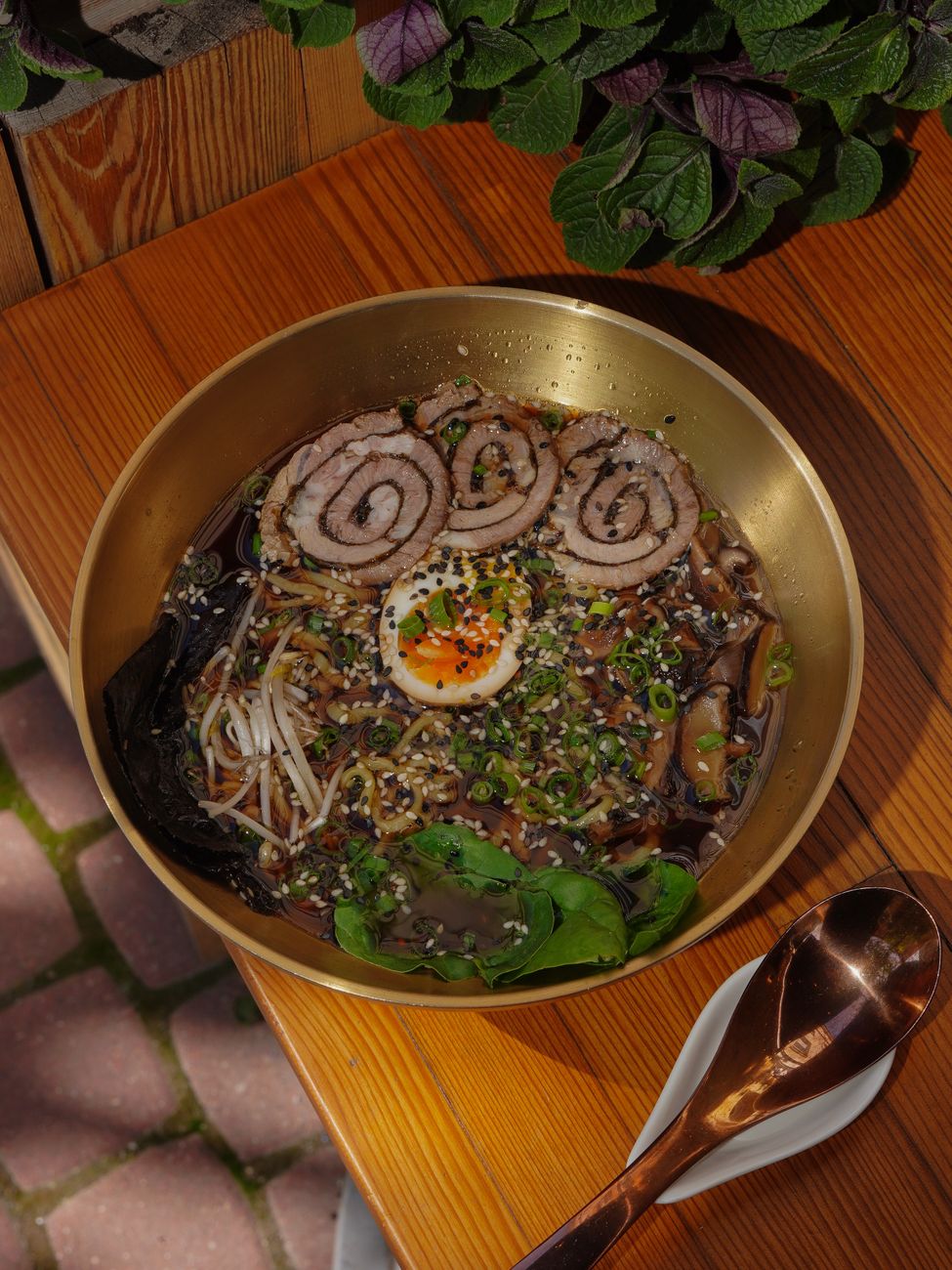
Sesame, fermented chili paste, and crisp coatings play different roles in tantanmen, mapo tofu, and spicy karaage.
Comments
Reader discussion is shared across recipes, reviews, and editorial pieces.
Comments are read-only while member sign-in is paused.