
culture
The Heat Revolution: Why Nigerian Spicy Food Is Having Its Moment
From warming pepper soups to scotch bonnet-loaded jollof, Nigerian cooks have mastered the art of building heat that actually enhances flavor—and the rest of us are finally catching on.
Share this
Pass it around
Send this page to a friend, copy the link, or save it to a Pinterest board.

Save for later
Pin this page
Save the image with a link back to this recipe, review, or article.
Nigerian cooks have always known something the rest of us are just figuring out: real heat isn't about punishment. It's about building layers of warmth that make you close your eyes on the first bite, then immediately reach for another. While we've been treating spice like a dare, Nigerian kitchens have been using scotch bonnets, habaneros, and indigenous peppers like ata rodo the way French cooks use herbs—as essential building blocks of flavor.
The dishes that are winning over converts aren't just hot for shock value. They're the ones that make you understand why serious cooks consider heat another ingredient, not just a challenge.
Pepper Soup: The Broth That Rewrites the Rules
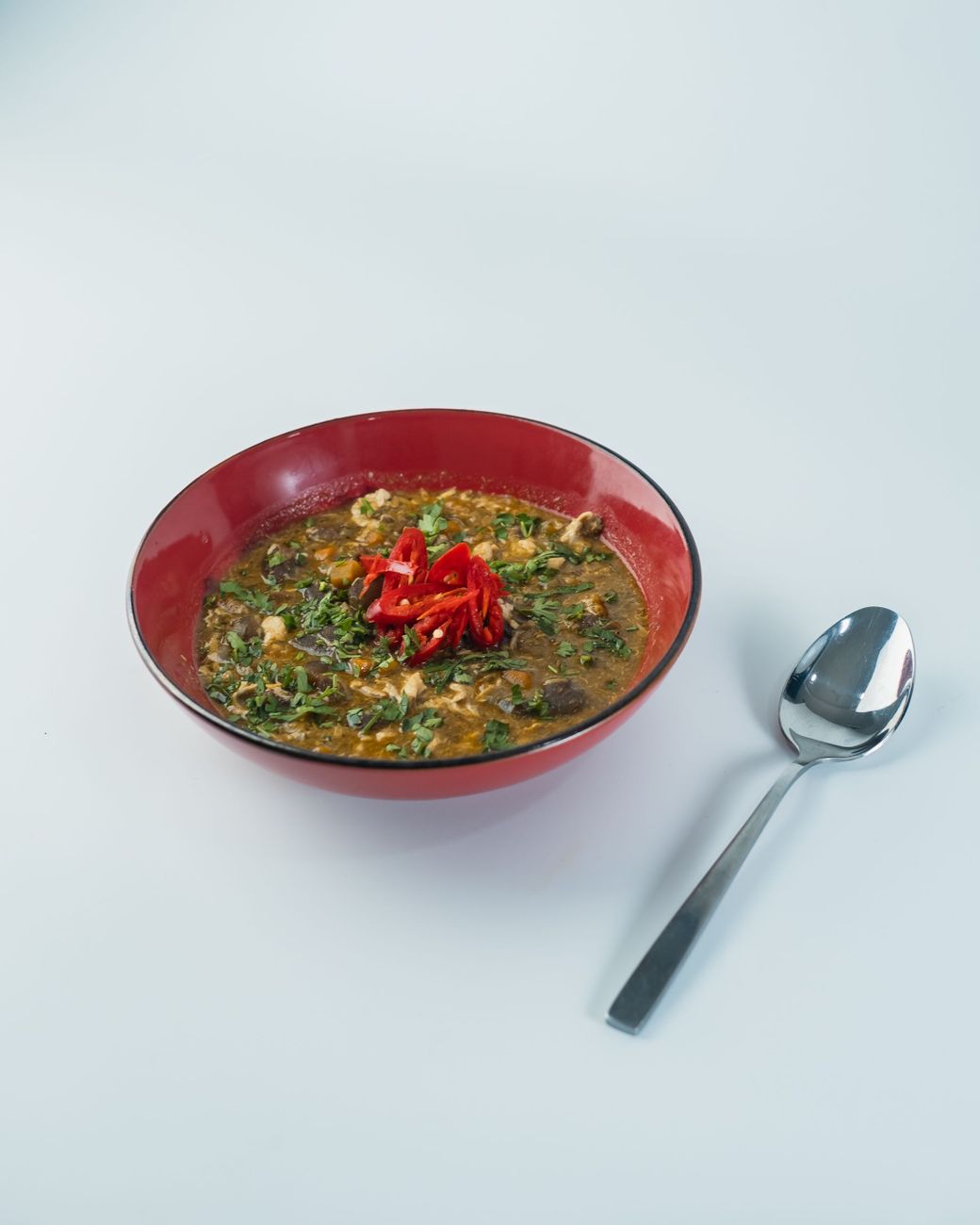
Forget everything you think you know about spicy soup. Nigerian pepper soup isn't thick or creamy—it's a crystal-clear broth that hits you with wave after wave of complex heat. The magic happens in the spice blend: scotch bonnets team up with black pepper and traditional seeds like uda and uziza to create something that works on multiple levels at once.
Here's what happens when you eat it properly. That first spoonful feels almost gentle—aromatic, warm, manageable. By the fourth spoonful, you're experiencing heat the way it was meant to be experienced: starting in your chest, spreading through your whole body, making you feel more alive rather than just tortured.
The scotch bonnets bring fruity heat that's completely different from the sharp tingle of black pepper working on your tongue and throat. And because there's no cream or starch to weigh you down, you finish a bowl feeling energized rather than stuffed.
Most versions fall somewhere between seriously spicy and genuinely hot, but here's the insider tip: fish pepper soup tends to be more forgiving than goat meat versions if you're still building your tolerance.
Jollof Rice That Doesn't Apologize for Its Heat
Every West African country makes jollof rice, but Nigerian cooks do something particularly smart with scotch bonnets: they make them disappear into the dish's foundation instead of treating them as an add-on. The peppers get blended into the tomato base and cooked down until they're inseparable from the sauce that colors every grain of rice.
This is heat as architecture, not accident. When it's done right, every forkful carries that scotch bonnet warmth—not in random hot spots, but woven throughout. The peppers need at least twenty minutes of slow cooking with the tomatoes to lose their harsh edges while keeping their essential fire.
The smartest cooks balance all that heat with bay leaves and thyme, creating something aromatic enough that the spice enhances rather than overwhelms. You want that gentle burn that builds gradually, making you slow down and pay attention to what you're eating.
Bad spicy jollof hits you immediately then fades. Good spicy jollof keeps revealing new layers of complexity as the heat develops on your palate.
Suya Spice: Heat You Can Hold
Suya takes a completely different approach to Nigerian heat—dry, smoky, and impossible to ignore. The grilled meat gets coated in yaji, a spice blend that combines ground peanuts, ginger, garlic, and plenty of cayenne into something that clings to beef, chicken, or ram like edible sandpaper.
This is more straightforward heat than you'll find in pepper soup—cayenne doesn't mess around the way scotch bonnets do. But the ground peanuts add richness that keeps it from being one-dimensional, while ginger brings a different kind of fire that works more on your sinuses than your tongue.
The real genius happens during grilling. Direct heat caramelizes the peanuts slightly while intensifying the cayenne, creating pockets of concentrated spice that hit differently than the milder bites. You're constantly balancing the cooling effect of the meat against the building heat of the coating.
Most suya vendors give you extra yaji on the side, which means you can control your own adventure. Start conservative, then add more as your confidence builds.
Your Personal Heat Journey
If Nigerian-level spicing sounds intimidating, these dishes reward patience:
- Begin with jollof rice—the starch buffers the heat while you adjust
- Graduate to fish pepper soup—cleaner heat, more manageable intensity
- Try chicken suya—controllable spice levels, bread available for emergencies
- Embrace goat meat pepper soup—the full experience, no training wheels
Here's what makes Nigerian spicy food different from the stuff that's just trying to hurt you: every pepper serves a purpose. Scotch bonnets and habaneros bring fruity notes that play beautifully with palm oil and locust beans. Cayenne provides clean heat that doesn't interfere with other flavors. Black pepper adds aromatic warmth that works completely differently from capsaicin heat.
Once you understand these distinctions, you start to see why people become devoted to these dishes. The heat isn't random—it's essential to achieving the balance that makes everything work. Try a mild version of the same dish and it doesn't just feel less spicy; it feels incomplete.
That's the real revolution happening right now. People aren't just discovering that Nigerian food can be incredibly hot—they're discovering that it's hot for incredibly good reasons. And once you experience heat that actually makes food taste better rather than just testing your endurance, there's really no going back.
Peppers featured in this post
Cook with this idea
Recipes to try next.
Put these ingredients and techniques to use in your next meal.
other · hot
Sep 7, 2026Adana Kebab with Charred Chilli and Sumac
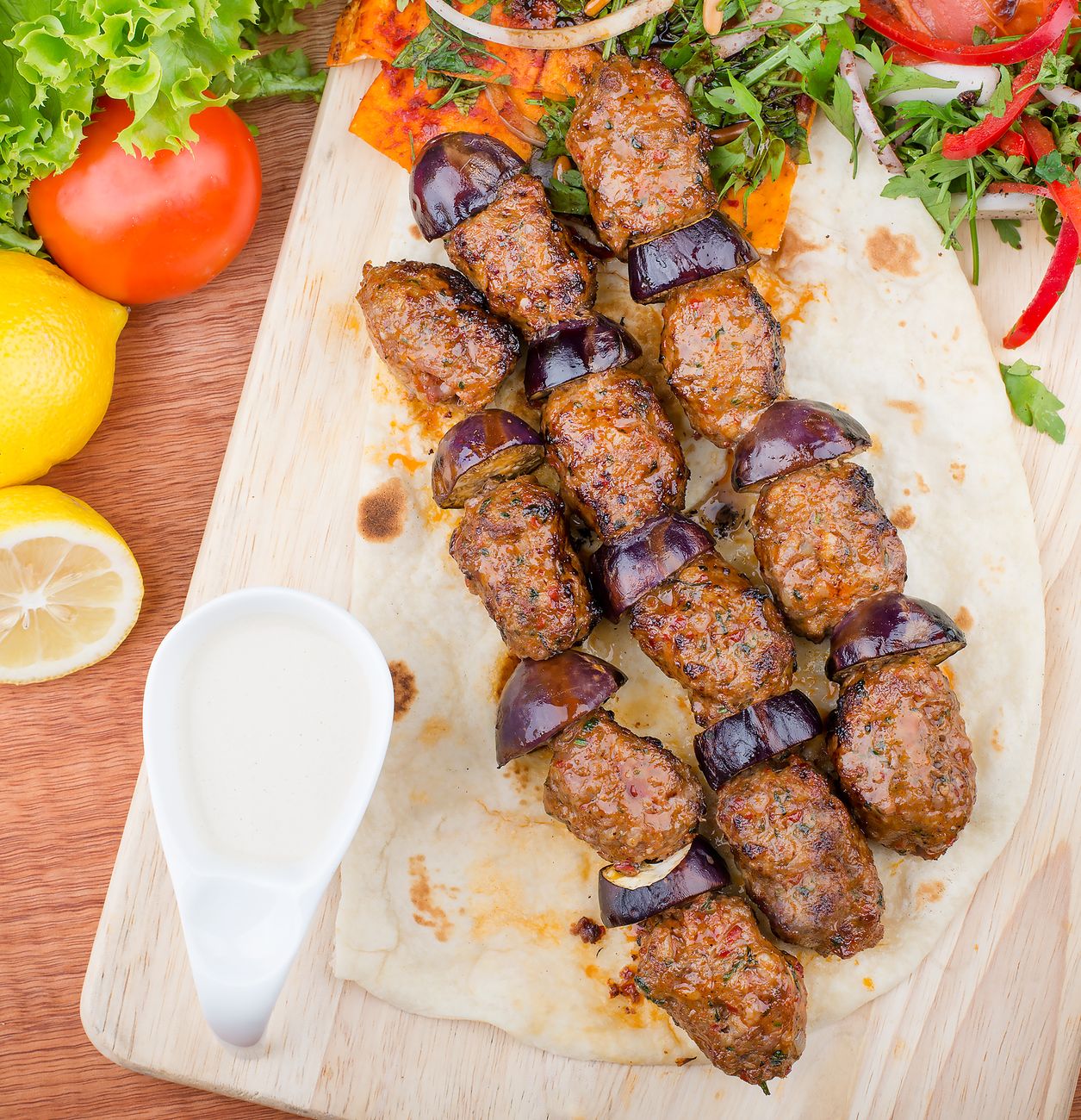
Ground lamb pressed onto flat metal skewers and grilled hard over flame until blackened and crackling on the outside, tender and juicy within. This Turkish street classic gets its serious kick from fresh red chilli ground into the meat and dried Aleppo chilli that brings warmth and fruity depth. The grill is non-negotiable—charcoal or gas flame gives you the char and smoke that makes this dish sing. 32 min · 0 saves.

other · hot
Jun 8, 2026Moqueca de Camarão with Malagueta Fire
Brazilian coconut shrimp stew spiked with fresh malagueta and habanero peppers for serious heat 35 min · 0 saves.

other · hot
May 16, 2026Nigerian Scotch Bonnet Noodle Stir-Fry with Palm Oil
A beautiful collision of flavors where Nigerian heat meets Chinese noodles—scotch bonnet peppers aren't here for decoration, they're bringing genuine fire that builds with each satisfying bite. 35 min · 0 saves.
Bottle picks
Related hot sauce reviews.
Explore sauces with related ingredients, flavors, and heat levels.
Yellowbird Habanero Hot Sauce Review
A bright, carrot-forward bottle with enough heat to stay lively and enough sweetness to stay versatile.
Best for tacos
Best for: Tacos and rice bowls
Skip if: Skip if you want a classic vinegar-forward table sauce with almost no sweetness.
Read review
Queen Majesty Scotch Bonnet and Ginger Review
A bright, elegant sauce that leans on fruit, ginger, and Scotch bonnet lift instead of brute force.
Best for seafood
Best for: Seafood and fish tacos
Skip if: Skip if you want a thick, smoky wing sauce more than a bright finishing bottle.
Read review
Fuego Box Monthly Subscription Review
A reliable discovery box for people who want more than supermarket sauces without going full novelty heat gimmick.
Best for gifting
Best for: Sauce subscription
Skip if: Skip if you need one exact everyday bottle instead of a discovery-style gift.
Read review
Go deeper
Background guides that build on this.
Keep reading
More on this subject.
If this post helped, these are the next pieces most likely to keep the thread going.

culture
Jun 4, 2026Beyond Kebab: Turkish Dishes That Pack Serious Heat
Turkish cuisine's real spice story lives in the regional dishes that most people never encounter—smoky Urfa preparations, chile-built Antep specialties, and the precision heat of true Adana kebab. These aren't the mild kebabs you know, but centuries-old techniques for building serious, sophisticated fire.
culture
May 15, 2026Malaysian Heat: The Five Spicy Styles Taking Over Tables Right Now
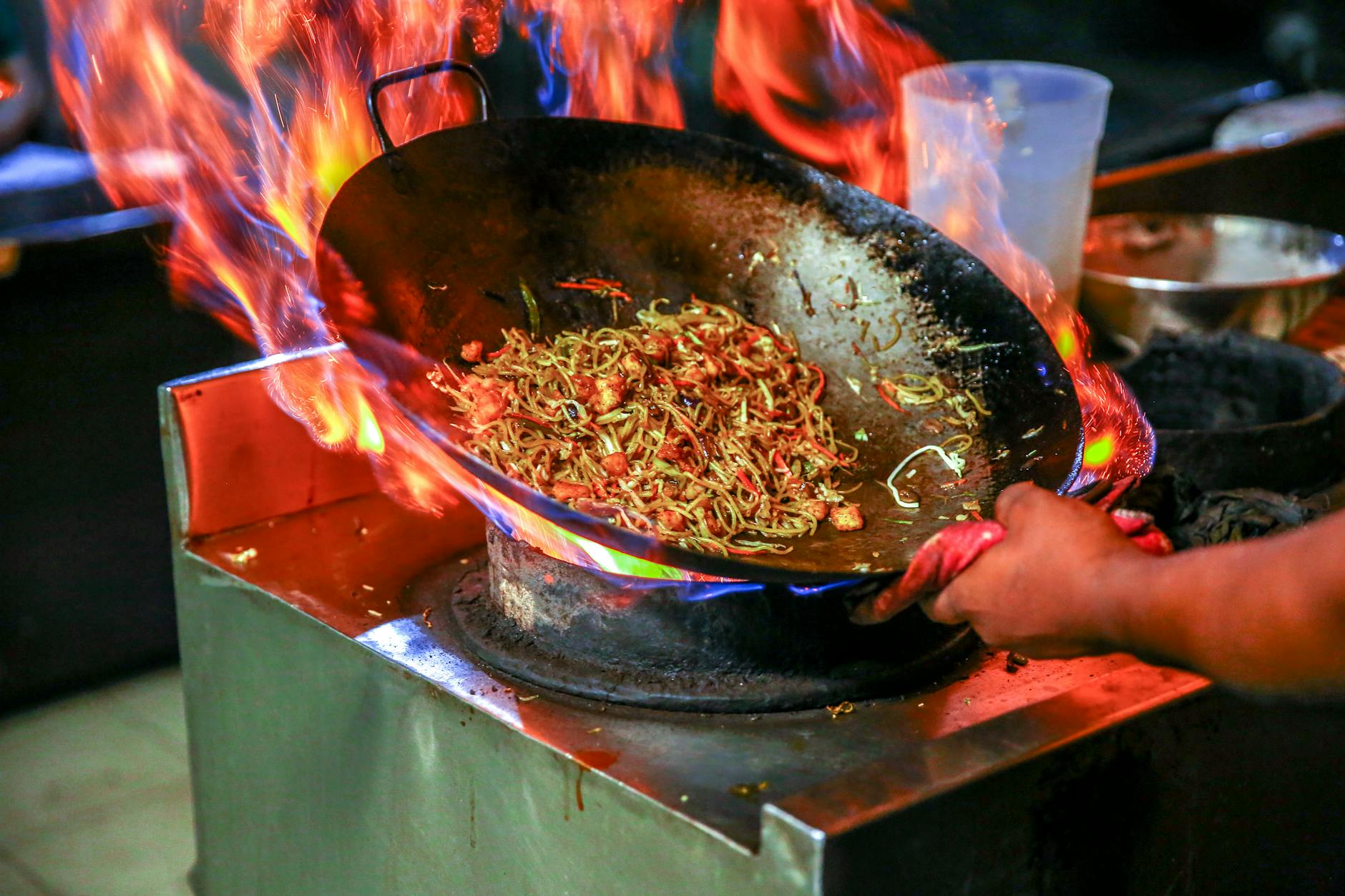
From sambal-slicked noodles to coconut-cooled curries, these Malaysian spicy dishes represent the complex, layered heat that's captivating cooks and diners worldwide.
culture
May 12, 2026Beyond Bicol Express: The Spicy Filipino Dishes Everyone's Talking About
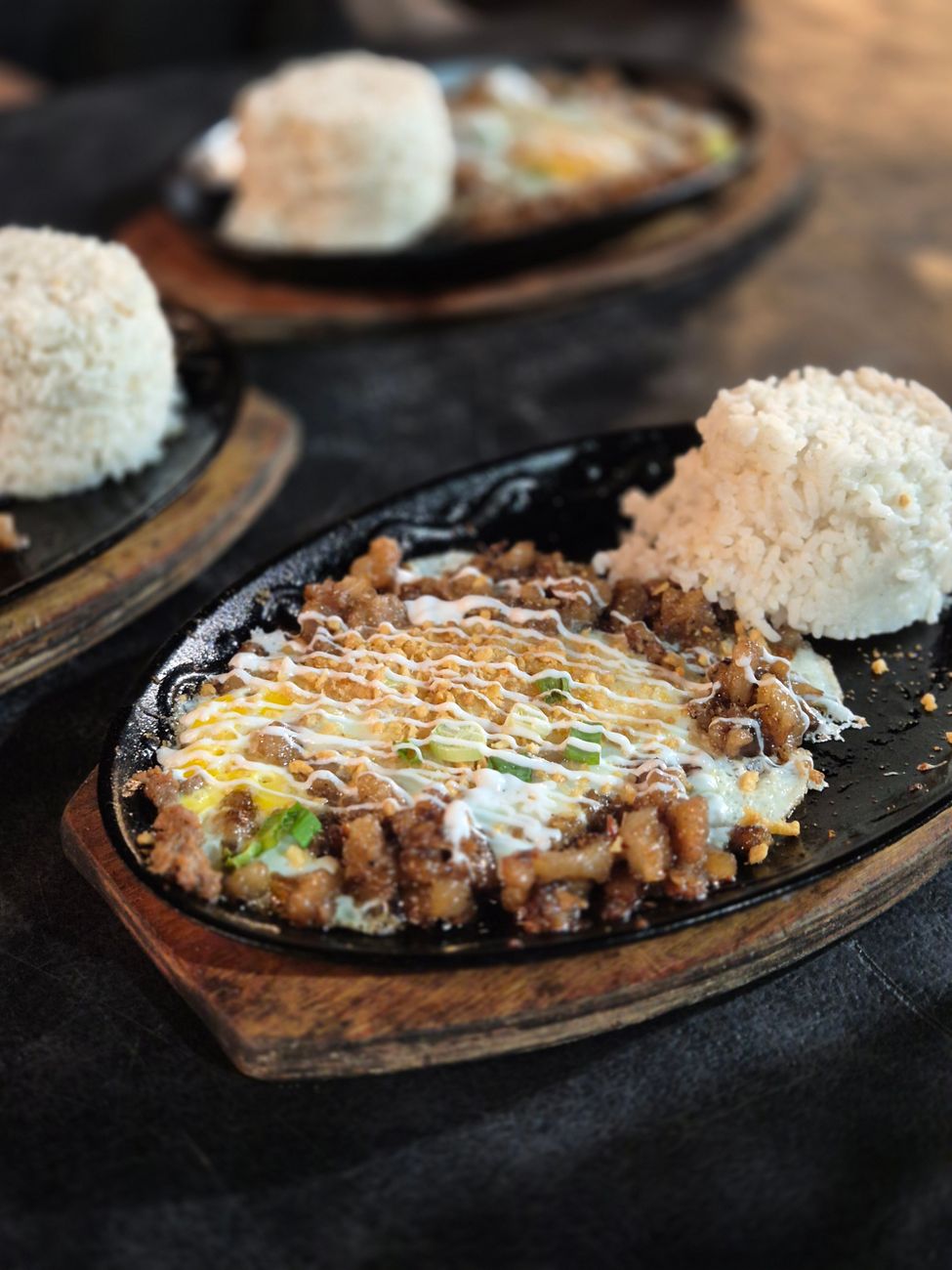
The spicy Filipino dishes that deserve a place at your table—from sizzling plates that concentrate heat through clever technique to fermented funk that builds complexity you can't get anywhere else.
Comments
Reader discussion is shared across recipes, reviews, and editorial pieces.
Comments are read-only while member sign-in is paused.