science
Mala, Wok Hei, and Sweet-Spicy Sauces in Chinese Cooking
Explore mala seasoning, high-heat wok cooking, and sweet-spicy sauces, with examples of how each technique changes a dish.

Share this
Pass it around
Send this page to a friend, copy the link, or save it to a Pinterest board.

Save for later
Pin this page
Save the image with a link back to this recipe, review, or article.
Chinese cooks have spent centuries developing spicy dishes that layer heat instead of delivering a single blast of it. The techniques behind mala, wok hei, and sweet heat explain why a good Sichuan or Hunan dish feels different from simply adding hot sauce to a plate.
Combining Peppercorn Tingle and Chili Heat
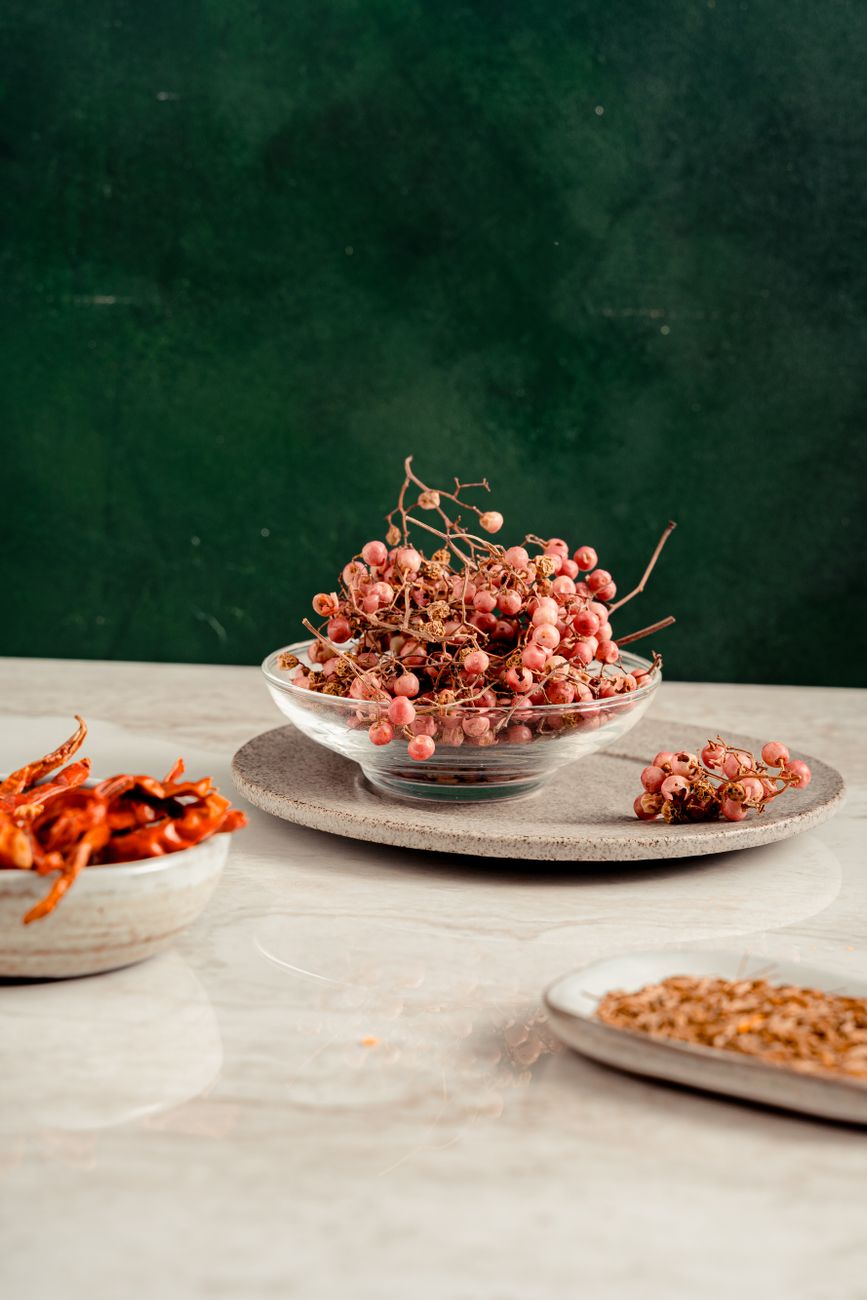
Sichuan's mala relies on combining chili heat with the tingling numbness of Sichuan peppercorns, which aren't related to black pepper or chili peppers at all. Biting into one produces a distinctive buzzing, numbing sensation on the tongue and lips.
Cooks pair this numbing effect with chili heat so the two sensations build together instead of one simply overpowering the other. Dishes like Chongqing hotpot and dan dan noodles rely on this layering: heat, numbness, and tingle arrive in waves rather than a single spike, which is part of why these dishes read as more complex than straight chili heat.
The best mala dishes layer these elements thoughtfully:
- Cold Sichuan noodles where the mala oil settles into every strand
- Dry-fried green beans with enough whole peppercorns to make your tongue dance
- Fish-fragrant eggplant that balances sweet, sour, and deeply numbing heat
These work because the mala elements are woven throughout every component, not just sprinkled on top as an afterthought.
Wok Hei and High-Heat Cooking
There's a reason a Hunan-style dry-fried chili dish is hard to recreate at home, and it comes down to heat. Wok hei, the flavor associated with a well-seasoned wok cooking over very high heat, depends on temperatures well beyond what most home stoves can produce.
When fresh chilies, garlic, and ginger hit a wok running at 500°F or higher, they cook and caramelize within seconds. Garlic and ginger brown quickly enough to add sweetness and depth alongside their raw aromatic bite, and chilies char slightly at the edges while staying tender inside.
Restaurant wok burners can reach 100,000 BTUs, compared to roughly 15,000 BTUs on a typical home range. That gap matters for browning and caramelization: the fast, intense heat that produces good wok hei is difficult to replicate on lower-powered burners, which is one reason stir-fries made at home can taste flatter than restaurant versions even when the recipe is followed closely.
Sweet Heat: The Art of Strategic Sugar
The most effective Chinese spicy cooking uses sweetness to balance and round out heat rather than mask it. Rock sugar provides clean sweetness that doesn't muddy chili flavors. Maltose adds body and helps spicy sauces cling properly to ingredients. Shaoxing wine contributes subtle sweetness while building savory depth alongside the heat.
The most successful dishes layer these sweetness sources strategically:
- Caramelized aromatics (onions, garlic, ginger) provide initial sweetness
- Rock sugar or maltose creates structural sweetness that balances acidity
- Fermented elements like bean pastes add complex, developed sweetness
- Dried fruits like tangerine peel contribute bright, aromatic sweetness
Kung Pao chicken shows this balance when it's made well. The sweetness doesn't compete with the chilies—it rounds out each bite instead of leaving straight heat on its own.
The Fermentation Advantage: Heat That Builds Character
Fermentation adds another layer to Chinese spicy cooking. Fresh chilies deliver immediate heat, while fermented chili pastes and aged chili oils develop more complexity over time.
Doubanjiang, the fermented broad bean and chili paste from Sichuan, is a good example. During fermentation, proteins break down and the chili flavors mature, producing a paste that's deeply savory as well as spicy, with heat that builds gradually rather than hitting all at once.
Dishes built around these fermented elements—mapo tofu, twice-cooked pork, hot and sour soup—tend to deliver a longer, more developed flavor than dishes relying on fresh chilies alone. These dishes also pair naturally with plain rice, which provides a neutral base alongside the rich, fermented sauce.
The most compelling Chinese spicy dishes aren't accidents. They combine numbing spice, high-heat cooking, layered sweetness, and fermentation deliberately, which is part of why they read as more complex than a dish that's simply hot.
Cook with this idea
Recipes to try next.
Put these ingredients and techniques to use in your next meal.
chinese · medium
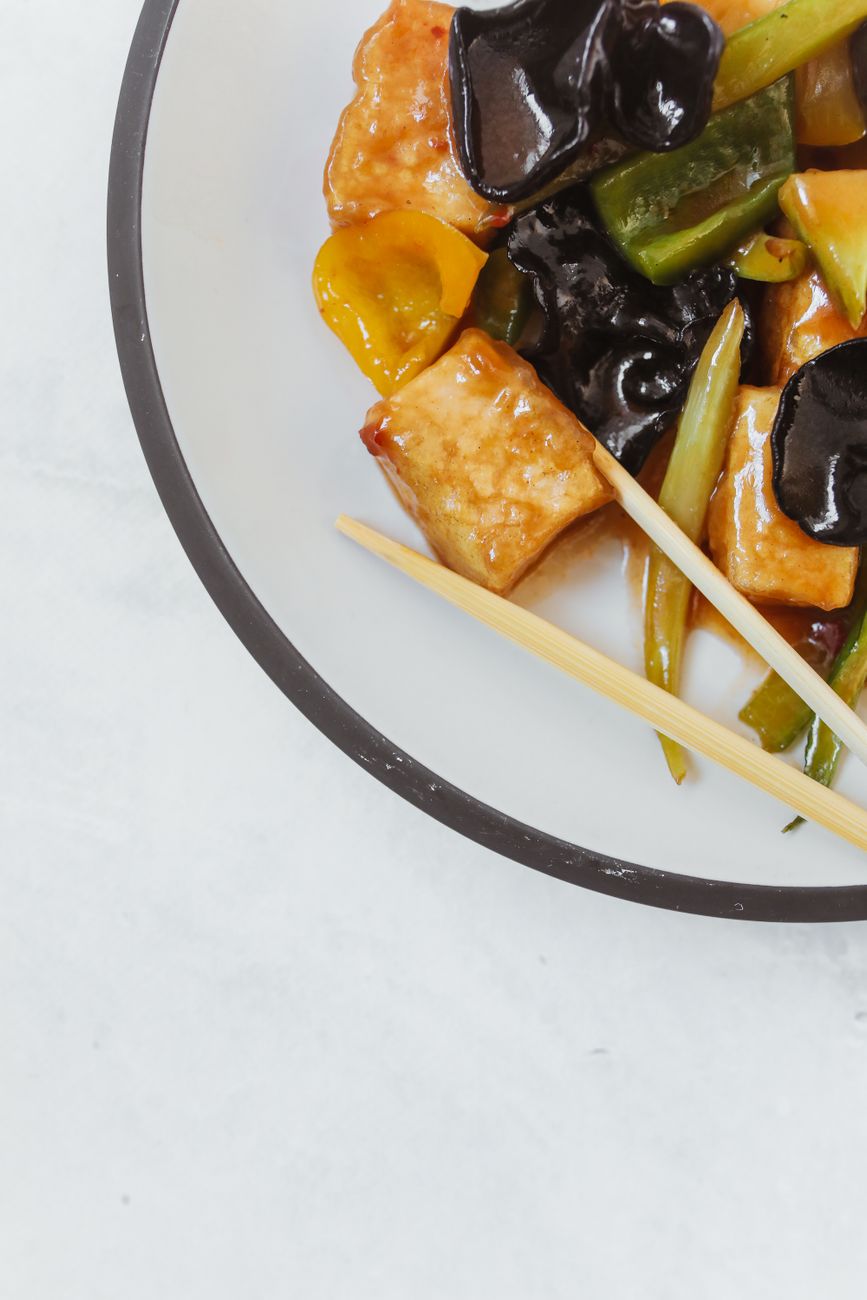
May 28, 2026Sichuan Mapo Tofu with Mushrooms
Silky tofu and meaty mushrooms braised in a numbing, aromatic sauce built on doubanjiang and Sichuan peppercorns 27 min · 0 saves.
chinese · medium
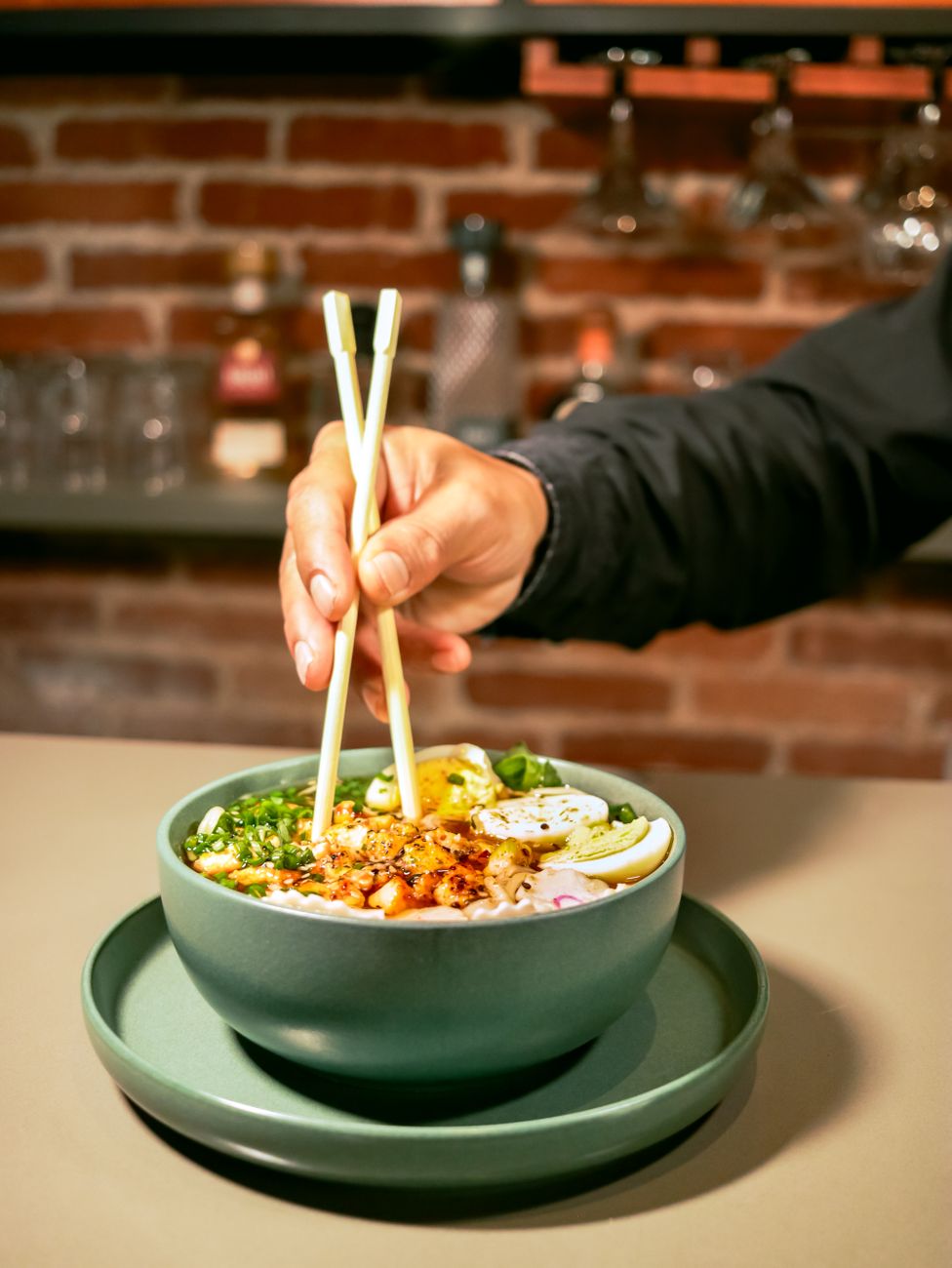
May 14, 2026Dan Dan Noodles with Sichuan Peppercorns
Silky wheat noodles bathed in a rich sesame and chili oil sauce, crowned with savory ground pork and tangy pickled mustard greens—this is the kind of Sichuan comfort food that keeps you coming back for more. 35 min · 0 saves.
chinese · medium
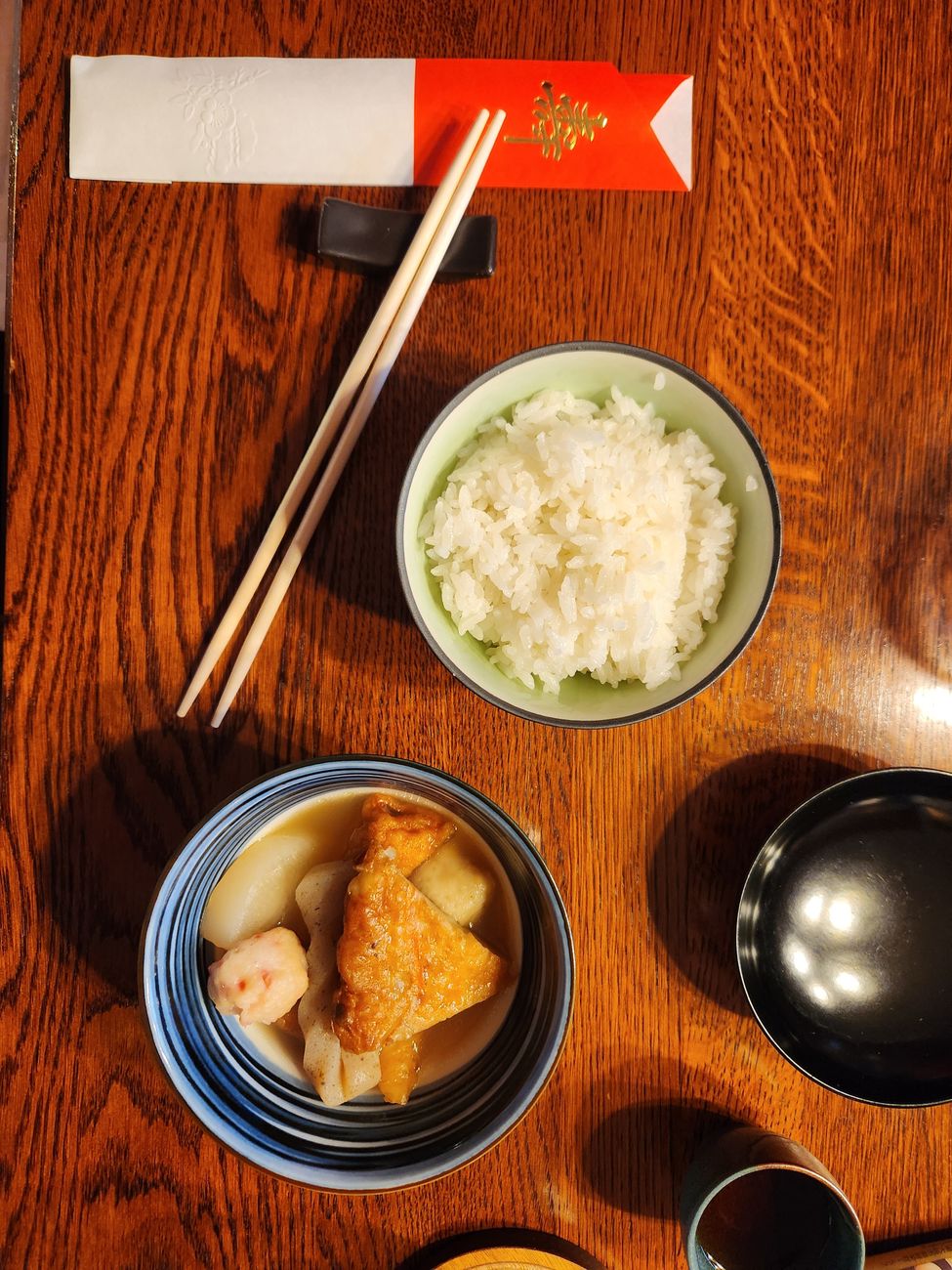
May 8, 2026Sichuan-Style Fish and Tofu Stew with Doubanjiang
A soul-warming Chinese fish stew that builds its magic on fermented bean paste, with silky tofu and tender white fish swimming in a beautifully balanced sauce that whispers heat while shouting umami. 45 min · 0 saves.
Bottle picks
Related hot sauce reviews.
Explore sauces with related ingredients, flavors, and heat levels.
Fly By Jing Sichuan Gold Review
A citrusy, tingly sauce with real peppercorn presence and enough versatility to move beyond dumplings.
Best for dumplings
Best for: Eggs and breakfast tacos
Skip if: Skip if you want a thick, smoky wing sauce more than a bright finishing bottle.
Read review
Mike's Hot Honey Review
Sweet heat done right: sticky, quick, and versatile enough to become a finishing move instead of a novelty.
Best for gifting
Best for: Pizza and fried chicken
Skip if: Skip if you want a classic vinegar-forward table sauce with almost no sweetness.
Read review
Heatonist Los Calientes Rojo Review
Heatonist Los Calientes Rojo: flavor notes, heat level, and suggested food pairings.
Best for tacos
Best for: Tacos and rice bowls
Skip if: Skip if you are chasing a novelty-level heat hit or a super-special-occasion bottle.
Read review
Go deeper
Background guides that build on this.
Keep reading
More on this subject.
If this post helped, these are the next pieces most likely to keep the thread going.

science
Apr 15, 2026Sichuan Peppercorns, Mala, and Doubanjiang
Learn what Sichuan peppercorns add to mala dishes and how chili oil, doubanjiang, and cooling sides fit into the meal.
science
Oct 10, 2026Why Chili Oil and Numbing Heat Drive the Spiciest Chinese Dishes Right Now
Two kinds of heat drive the spicy Chinese dishes worth craving: the numbing tingle of Sichuan peppercorn and the slow burn of infused chili oil. Learn how they work together, which dried chilies matter, and how to build layered heat that enhances flavor instead of flattening it.
science
Jun 5, 2026Mapo Tofu, Dan Dan Noodles, and Three More Sichuan Dishes
Mapo tofu, dan dan noodles, Chongqing hot pot, kung pao chicken, and Sichuan fish pair chili with different textures and seasonings.
Comments
Reader discussion is shared across recipes, reviews, and editorial pieces.
Comments are read-only while member sign-in is paused.