science
Cooking with Sichuan Peppercorns: A Guide to Mala
Learn to recognize mala's peppercorn tingle and chili heat, then explore ways to use the combination in noodles and tofu dishes.

Share this
Pass it around
Send this page to a friend, copy the link, or save it to a Pinterest board.

Save for later
Pin this page
Save the image with a link back to this recipe, review, or article.
Cooking with Sichuan Peppercorns: A Guide to Mala
Anyone who has eaten dan dan noodles or mapo tofu knows the sensation: lips and tongue going numb and tingly while the chili heat keeps building. That combination has a name in Szechuan cooking—ma la, roughly "numbing and spicy." It comes from pairing Szechuan peppercorns with chili oil and other bold ingredients, and it's worth understanding if you want to cook these dishes well.
What Ma La Actually Feels Like
In a well-made mapo tofu, the peppercorns don't just add a background hum of spice—the numbing sensation changes how the rest of the dish reads, so the same amount of chili and seasoning feels more pronounced than it would without it.
Dishes Built Around Ma La
Mapo Tofu: Numbness and Texture Together
Mapo tofu combines ground pork, silky tofu, and a sauce built on doubanjiang and Szechuan peppercorns. One common technique is to toast whole Szechuan peppercorns until they smell lemony and floral, grind them fresh, and add them at two points: once while the sauce cooks, and again sprinkled on top just before serving. This gives the dish two distinct waves of numbing rather than one flat level of it.
The contrast between the silky tofu and the crumbly meat is easier to notice once your mouth is dealing with that tingling numbness—texture becomes a more obvious part of the dish.
Vegetarian versions work well with mushrooms or crumbled tempeh in place of the pork. Keep the Szechuan peppercorns and doubanjiang in either version; the fermented bean paste is what gives the dish its savory backbone.
Dan Dan Noodles: Several Flavors at Once
Dan dan noodles layer several strong flavors in one sauce:
- Szechuan peppercorns for numbing
- Chili oil for heat
- Chinese black vinegar for acidity that cuts through the richness
- Sesame paste for nutty depth
- Preserved vegetables for umami
Thin, alkaline wheat noodles pick up sauce unevenly strand to strand, so some bites carry more numbing or more chili than others. Getting the ratio right matters: too much Szechuan peppercorn and the chili heat gets lost under the numbness; too little and you're left with a plain spicy noodle dish rather than one with ma la character.
Hot Pot: Ma La Over a Long Meal
Hot pot broth changes over the course of a meal. As more peppercorns and chili oil sit in the simmering liquid, later ingredients pick up more of that flavor than the first ones did. Eating over a couple of hours also gives your palate time to adjust to the heat level, which is part of why hot pot meals can handle spicier broths as they go.
The best hot pot broths often use both whole Szechuan peppercorns and ground powder: the powder delivers numbing right away, and the whole peppercorns keep releasing flavor into the broth as the meal continues.
How to Cook With Szechuan Peppercorns
Timing changes the effect. Add Szechuan peppercorns early in cooking and they create a subtler, background numbing that lets other flavors stand out. Add them at the end—toasted and freshly ground, sprinkled over the finished dish—and you get a sharper, more immediate tingling.
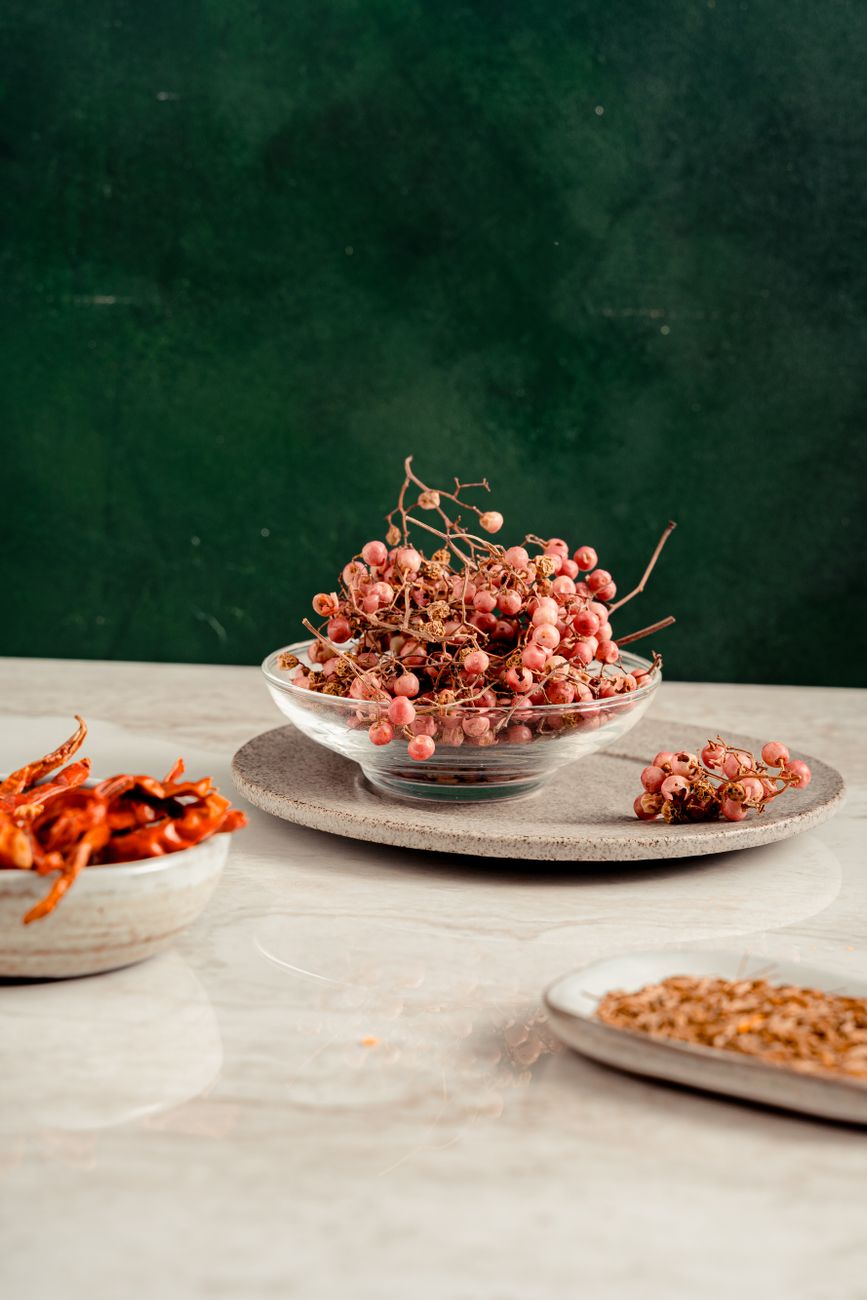
Toasting matters. Under-toasted peppercorns taste woody and bitter. Toast them just until they smell lemony and floral, before they darken much, and they develop citrusy notes that pair well with chili heat.
Freshly ground Szechuan peppercorns have a stronger numbing effect than peppercorns that were ground days earlier and left sitting in a jar or spice rack. Grind only what you need for a dish, and store the whole peppercorns in an airtight container away from light. When buying peppercorns, look for ones that smell citrusy and floral rather than dusty or stale—that's a sign of freshness.
Balancing Ma La in Your Cooking
The goal in Szechuan cooking isn't to maximize heat or numbing on their own—it's to use them together so they highlight the other flavors in the dish rather than covering them up. Start with good-quality Szechuan peppercorns, try adding them at different points in a recipe, and taste as you go to find a balance that lets the doubanjiang, vinegar, sesame, or other seasonings still come through clearly.
Cook with this idea
Recipes to try next.
Put these ingredients and techniques to use in your next meal.
chinese · hot
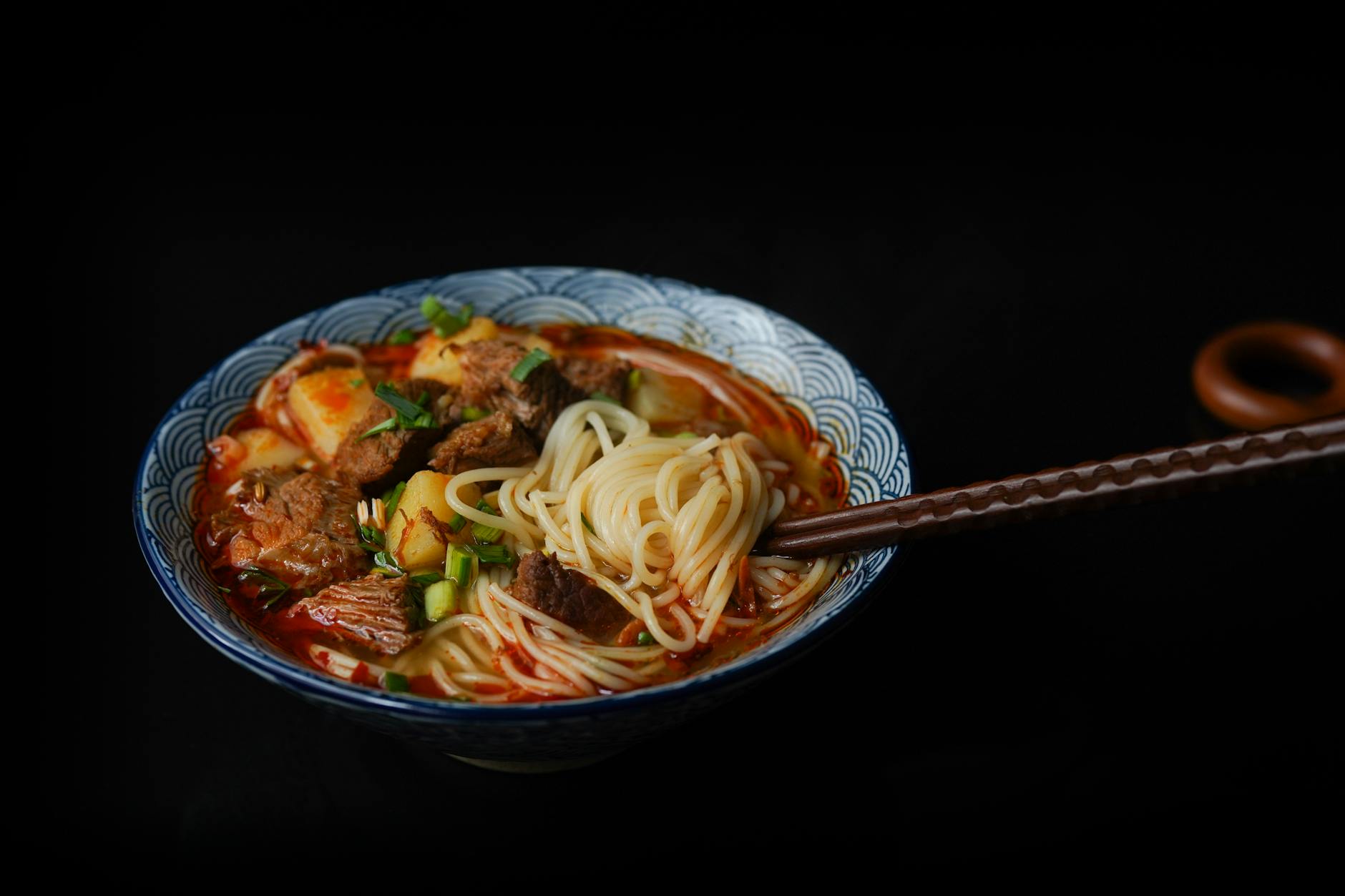
May 18, 2026Sichuan Hot Pot Beef Stew with Mala Oil
A soul-warming Chinese stew that brings the electric heat and numbing spice of Sichuan hot pot to your home kitchen, with tender beef braised in a complex sauce built on Sichuan peppercorns, dried chilies, and fermented bean paste. 140 min · 0 saves.
chinese · medium
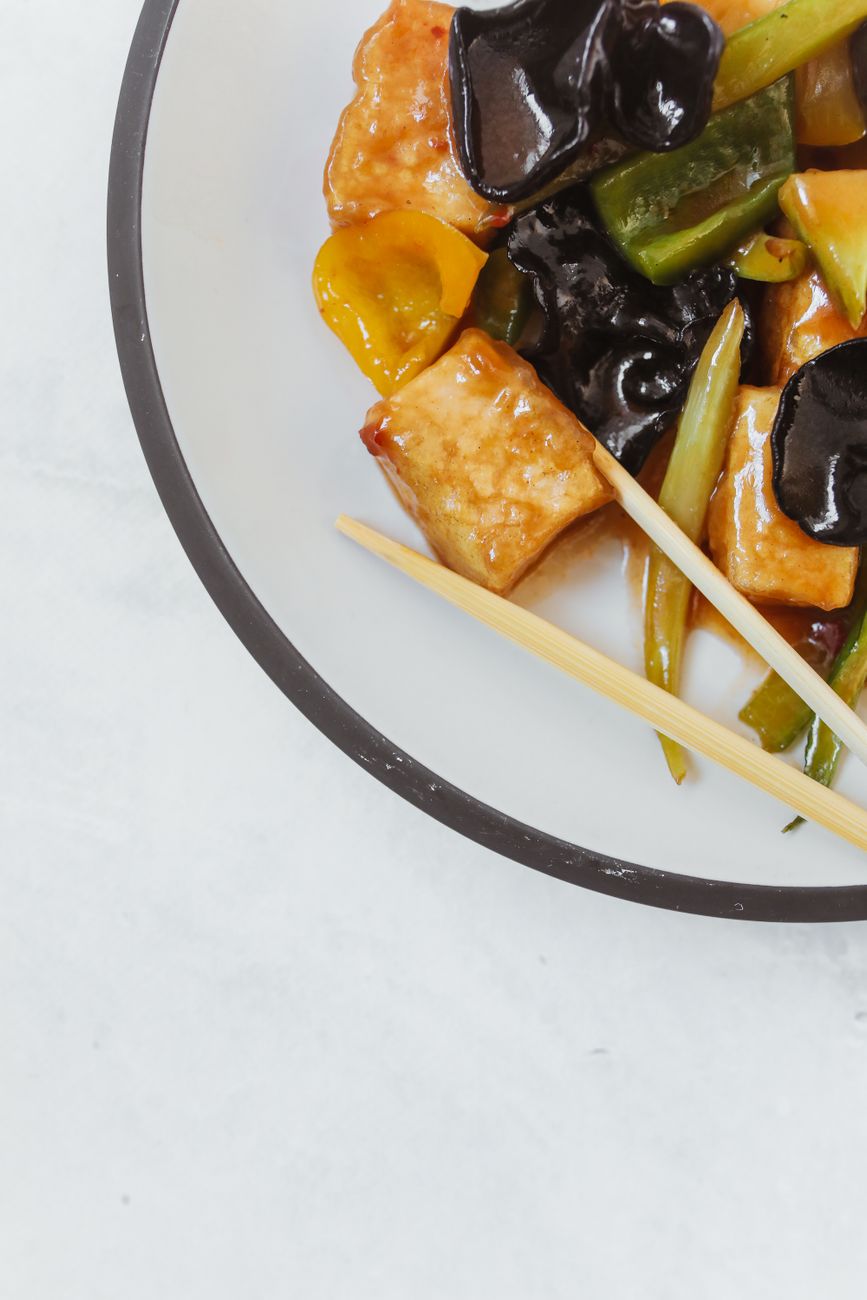
May 28, 2026Sichuan Mapo Tofu with Mushrooms
Silky tofu and meaty mushrooms braised in a numbing, aromatic sauce built on doubanjiang and Sichuan peppercorns 27 min · 0 saves.
chinese · medium
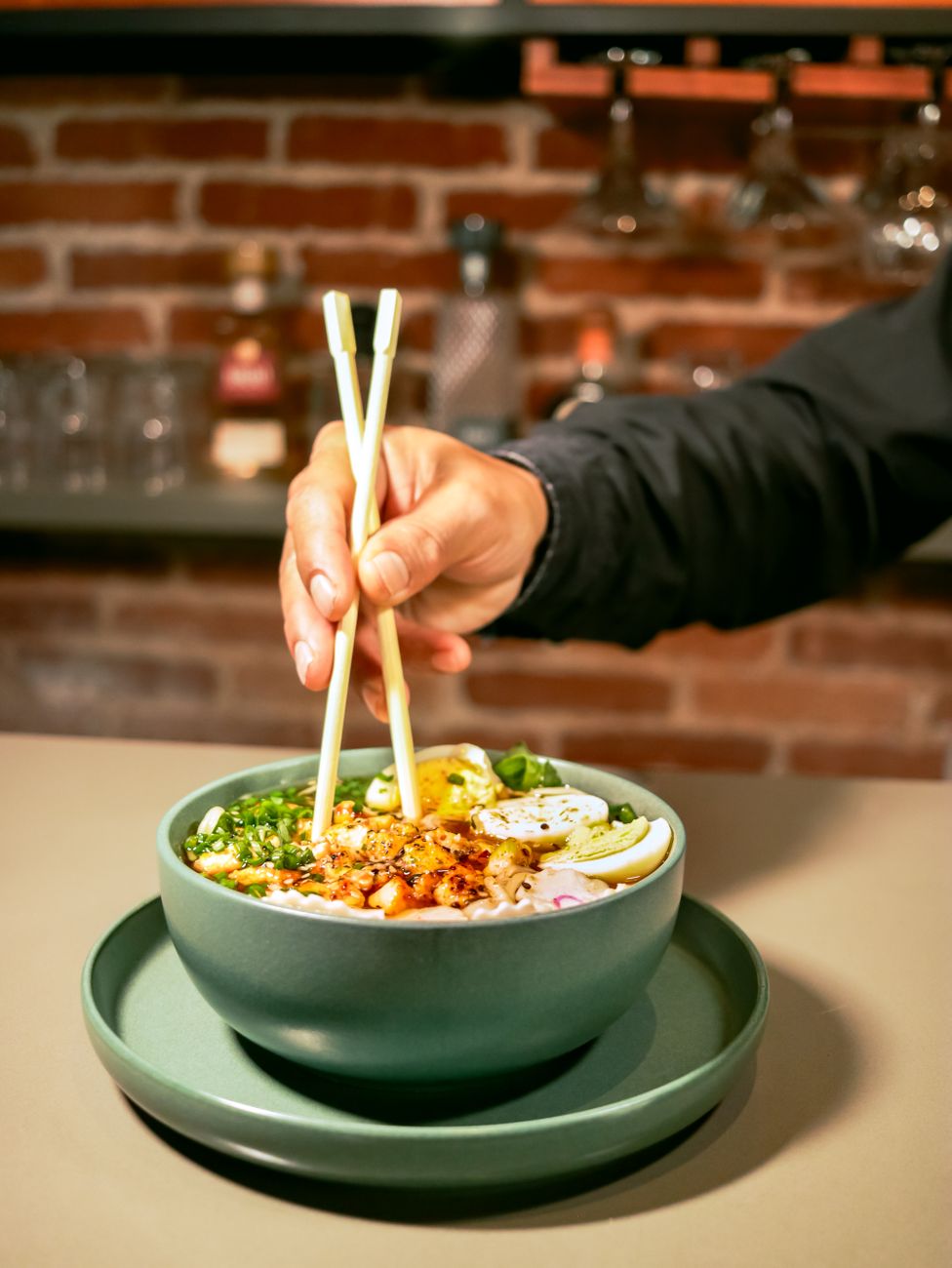
May 14, 2026Dan Dan Noodles with Sichuan Peppercorns
Silky wheat noodles bathed in a rich sesame and chili oil sauce, crowned with savory ground pork and tangy pickled mustard greens—this is the kind of Sichuan comfort food that keeps you coming back for more. 35 min · 0 saves.
Bottle picks
Related hot sauce reviews.
Explore sauces with related ingredients, flavors, and heat levels.
Queen Majesty Scotch Bonnet and Ginger Review
A bright, elegant sauce that leans on fruit, ginger, and Scotch bonnet lift instead of brute force.
Best for seafood
Best for: Seafood and fish tacos
Skip if: Skip if you want a thick, smoky wing sauce more than a bright finishing bottle.
Read review
Fly By Jing Sichuan Gold Review
A citrusy, tingly sauce with real peppercorn presence and enough versatility to move beyond dumplings.
Best for dumplings
Best for: Eggs and breakfast tacos
Skip if: Skip if you want a thick, smoky wing sauce more than a bright finishing bottle.
Read review
Hot Ones Lineup Collection Review
A curated shelf-builder for tasting nights, gifts, and anyone who wants to compare heat styles side by side.
Best for gifting
Best for: Sauce subscription
Skip if: Skip if you need one exact everyday bottle instead of a discovery-style gift.
Read review
Go deeper
Background guides that build on this.
Keep reading
More on this subject.
If this post helped, these are the next pieces most likely to keep the thread going.
science
Oct 10, 2026Why Chili Oil and Numbing Heat Drive the Spiciest Chinese Dishes Right Now
Two kinds of heat drive the spicy Chinese dishes worth craving: the numbing tingle of Sichuan peppercorn and the slow burn of infused chili oil. Learn how they work together, which dried chilies matter, and how to build layered heat that enhances flavor instead of flattening it.
science
Jun 5, 2026Mapo Tofu, Dan Dan Noodles, and Three More Sichuan Dishes
Mapo tofu, dan dan noodles, Chongqing hot pot, kung pao chicken, and Sichuan fish pair chili with different textures and seasonings.
science
Jun 3, 2026Sichuan Peppercorns, Doubanjiang, and Chili Oil
Sichuan peppercorns, doubanjiang, and chili oil add tingle, savory depth, and chili flavor. Learn where each fits in a dish.
Comments
Reader discussion is shared across recipes, reviews, and editorial pieces.
Comments are read-only while member sign-in is paused.