
culture
Why Peru's Spiciest Dishes Are Having Their Big Moment
From ají de gallina to anticuchos, Peru's most craveable spicy dishes are finally getting the attention they deserve. Here's what makes these heat-forward flavors so compelling right now.

Share this
Pass it around
Send this page to a friend, copy the link, or save it to a Pinterest board.

Save for later
Pin this page
Save the image with a link back to this recipe, review, or article.
Peru's culinary reputation has traveled far beyond ceviche and pisco sours, and honestly, it's about time. The country's complex relationship with chiles—from smoky ají panca to fiery rocoto peppers—creates layers of heat that build rather than assault. Right now, three particular styles of Peruvian cooking are drawing serious attention from home cooks and chefs who want spice with substance.
These aren't the Instagram-famous dishes that dominated food media five years ago. Instead, they represent Peru's deeper tradition of using heat strategically, where chiles add earthiness, fruitiness, and yes, serious warmth, but always in service of the overall dish. The timing makes sense: people are cooking more adventurously at home, seeking out ingredients beyond the typical jalapeño-habanero-cayenne trinity, and craving the kind of complex heat that actually enhances other flavors.
Ají-Based Sauces That Actually Build Layers
Here's what I love about Peruvian spicy cooking: different ají peppers create entirely different flavor foundations. Ají amarillo brings fruity heat with an almost tropical brightness that works beautifully in cream-based dishes. Ají panca offers deep, smoky undertones with moderate warmth—think of it as Peru's answer to chipotle, but with more complexity.
Ají de gallina exemplifies this approach perfectly. The dish uses ají amarillo to create a golden, creamy sauce where the pepper's heat mingles with bread, milk, and chicken stock. The result delivers warmth that builds slowly, letting you taste the pepper's fruity characteristics before the heat settles in. It's the kind of spice level that works for a mixed crowd—present enough for heat lovers, manageable enough that it won't scare off more cautious eaters.
What makes these ají-forward dishes particularly compelling right now is their flexibility. The same ají amarillo paste that goes into traditional papa a la huancaína can transform a simple roasted vegetable dish or serve as the base for a weeknight chicken sauce. Unlike many regional spicy cuisines that require specialized techniques, Peruvian ají cooking adapts beautifully to home kitchens.
The key lies in treating the peppers as primary ingredients rather than afterthoughts. Good ají paste—whether you make it fresh or buy it prepared—should taste like the pepper first, with heat as a supporting player.
Anticuchos and the Art of Spiced Marinades
Peru's anticucho tradition represents a completely different approach to incorporating heat. These beef heart skewers rely on marinades built around ají panca, cumin, garlic, and vinegar to create layers of flavor that penetrate the meat completely.
The marinade technique translates beautifully to other cuts of meat, and frankly, to vegetables and tofu as well. The combination of ají panca's smoky heat with acidic vinegar and warm spices creates the kind of complex flavor profile that makes you want to keep eating.
Traditional anticucho marinades include:
- Ají panca paste as the heat foundation
- Red wine vinegar for acid and tenderizing
- Cumin and garlic for earthiness
- A touch of soy sauce for umami depth
- Sometimes beer for additional tenderizing and subtle sweetness
What sets this style apart from other spicy marinades is the patience it requires. The flavors need time to develop and penetrate, which means planning ahead. But the payoff justifies the wait—you get heat that comes from within the protein rather than sitting on top of it.
The smoky quality of ají panca also means these marinades work exceptionally well with grilling or high-heat cooking methods. The peppers' natural sugars caramelize beautifully, creating those appealing charred edges that make anticuchos so visually striking.
Rocoto Relleno: When You Want Real Fire
For those seeking more intense heat, rocoto peppers deliver serious warmth wrapped in deceptive sweetness. Rocoto relleno—rocotos stuffed with spiced meat and cheese—represents the upper end of traditional Peruvian heat levels.
Rocoto peppers look like small bell peppers, but their heat level sits somewhere between jalapeño and habanero, with a distinctly fruity flavor that develops as the initial burn subsides. The thick walls make them ideal for stuffing, while their heat level ensures that a little goes a long way.
The traditional preparation involves blanching the rocotos to remove some bitterness and excess heat, then stuffing them with a mixture of ground meat, onions, garlic, and spices. The filling often includes hard-boiled eggs and cheese, which provide cooling contrast to the pepper's fire.
What makes rocoto relleno particularly appealing is how the cooking process moderates the heat. Raw rocotos pack serious fire, but roasting them develops their sweetness and makes the heat more approachable. The cheese and egg in the filling provide built-in cooling elements, creating a dish that delivers real warmth without overwhelming the palate.
This technique of using dairy and eggs to balance intense pepper heat appears throughout Peruvian cooking, suggesting a sophisticated understanding of how different ingredients can work together to create complex heat experiences.
Why These Styles Work So Well Right Now
Peru's approach to spicy cooking offers something that much of the current hot sauce culture lacks: integration. Instead of adding heat as a finishing touch, these dishes build spice into their fundamental structure. The peppers aren't fighting for attention—they're working with other ingredients to create something more interesting than the sum of its parts.
The technique also scales beautifully for home cooking. Unlike some regional spicy cuisines that require hard-to-find ingredients or specialized equipment, most Peruvian ají-based cooking needs only a blender or food processor and access to the right peppers. Ají amarillo and ají panca are increasingly available in paste form at Latin markets and online.
Perhaps most importantly, these dishes respect the reality that most tables include people with different heat tolerances. The complexity of flavor means that even those who don't seek out spicy food can appreciate what's happening, while the genuine warmth satisfies those who want their food to have some fire.
That balance between accessibility and authenticity explains why Peruvian spicy dishes are finding their moment right now. They offer a path into serious heat that doesn't require bravado or endurance tests—just an appreciation for how the right peppers can make everything else taste better.
Peppers featured in this post
Cook with this idea
Recipes to try next.
Put these ingredients and techniques to use in your next meal.

peruvian · medium
May 17, 2026Aji Amarillo Chicken and Rice Bowl with Cilantro-Lime Crema
Tender chicken pieces bathed in Peru's beloved aji amarillo pepper sauce, nestled over fragrant cilantro rice with cooling lime crema and tangy pickled onions. 60 min · 0 saves.

peruvian · medium
May 3, 2026Ají Amarillo Glazed Chicken Wings
Crispy baked chicken wings coated in a vibrant ají amarillo glaze that delivers Peru's signature fruity heat with hints of garlic and lime. 65 min · 0 saves.
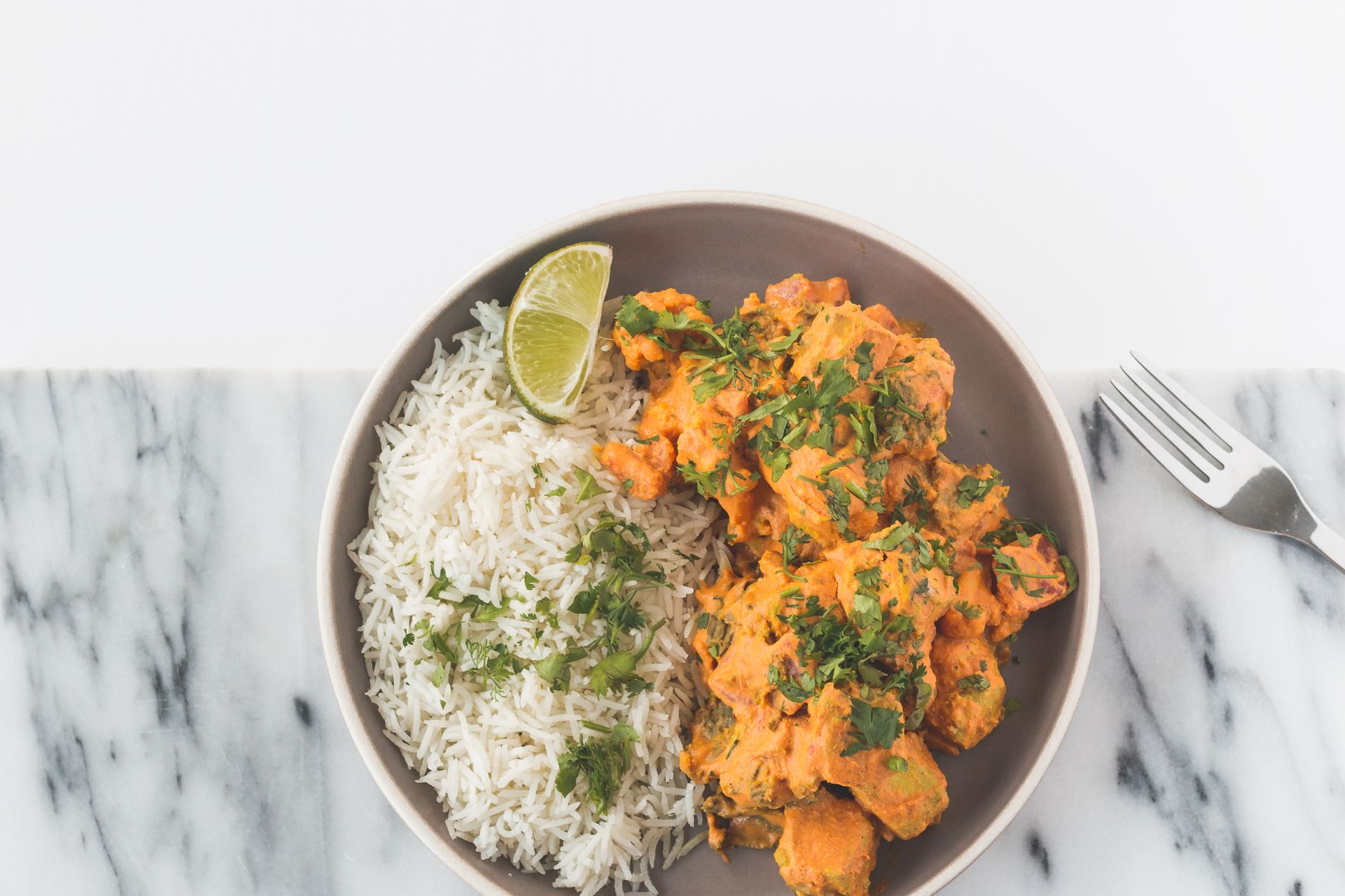
peruvian · hot
Oct 19, 2026Ají de Gallina with Habanero
Peruvian creamed chicken thickened with ground walnuts and bread, finished with habanero heat. Serve over boiled potatoes and rice for a weeknight dinner with serious spice. 55 min · 0 saves.
Bottle picks
Related hot sauce reviews.
Explore sauces with related ingredients, flavors, and heat levels.
Fly By Jing Sichuan Gold Review
A citrusy, tingly sauce with real peppercorn presence and enough versatility to move beyond dumplings.
Best for dumplings
Best for: Eggs and breakfast tacos
Skip if: Skip if you want a thick, smoky wing sauce more than a bright finishing bottle.
Read review
Mike's Hot Honey Review
Sweet heat done right: sticky, quick, and versatile enough to become a finishing move instead of a novelty.
Best for gifting
Best for: Pizza and fried chicken
Skip if: Skip if you want a classic vinegar-forward table sauce with almost no sweetness.
Read review
Heatonist Los Calientes Rojo Review
Heatonist Los Calientes Rojo: flavor notes, heat level, and suggested food pairings.
Best for tacos
Best for: Tacos and rice bowls
Skip if: Skip if you are chasing a novelty-level heat hit or a super-special-occasion bottle.
Read review
Go deeper
Background guides that build on this.
Keep reading
More on this subject.
If this post helped, these are the next pieces most likely to keep the thread going.
culture
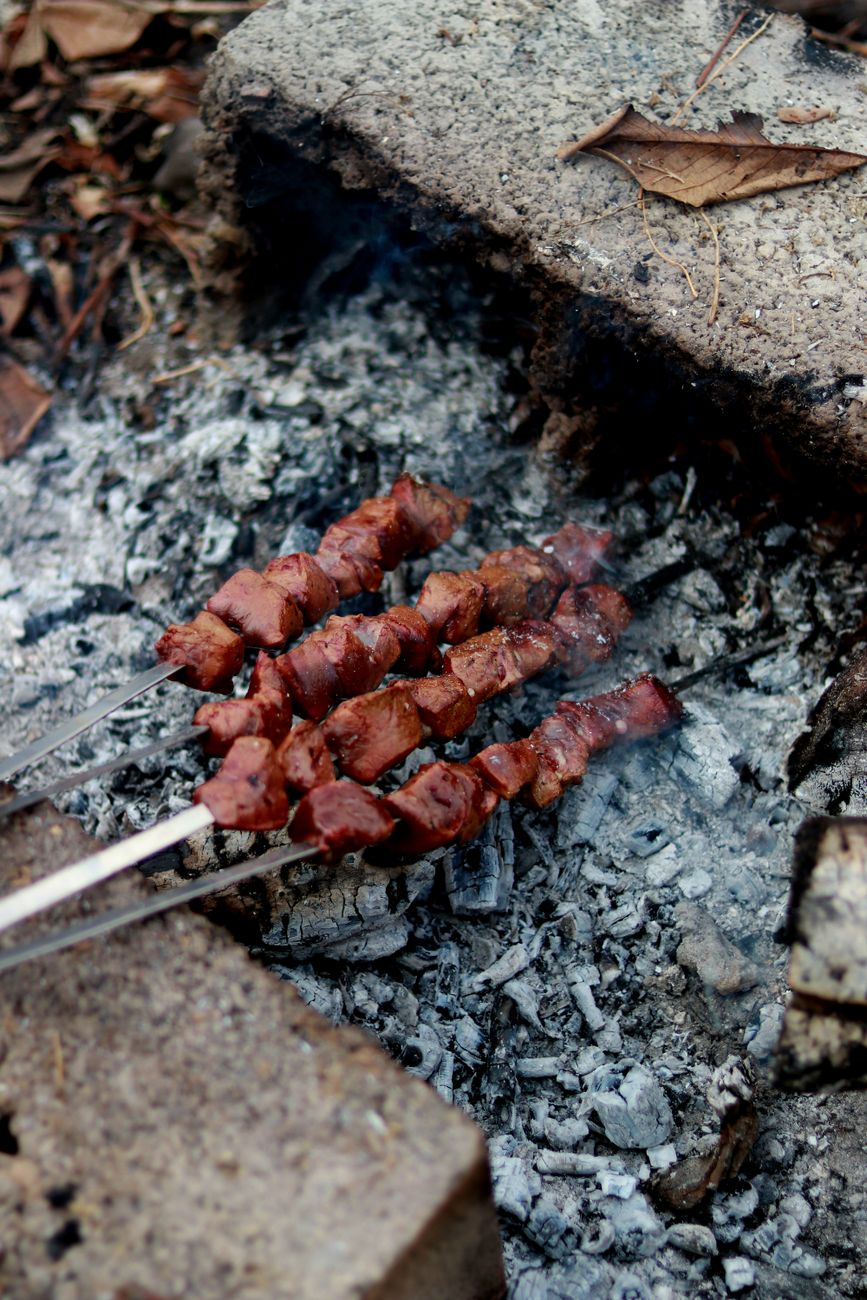
Jun 12, 2026Why Peruvian Spice Is Having Its Moment: Three Dishes That Show How Heat Works in Lima
From ají amarillo's golden fire to rocoto's sneaky burn, Peruvian kitchens understand heat like nowhere else. Here's why anticuchos, causa limeña, and ají de gallina should be on your table—and how their brilliant balance of spice and soul is winning over everyone from timid eaters to serious chile heads.
culture
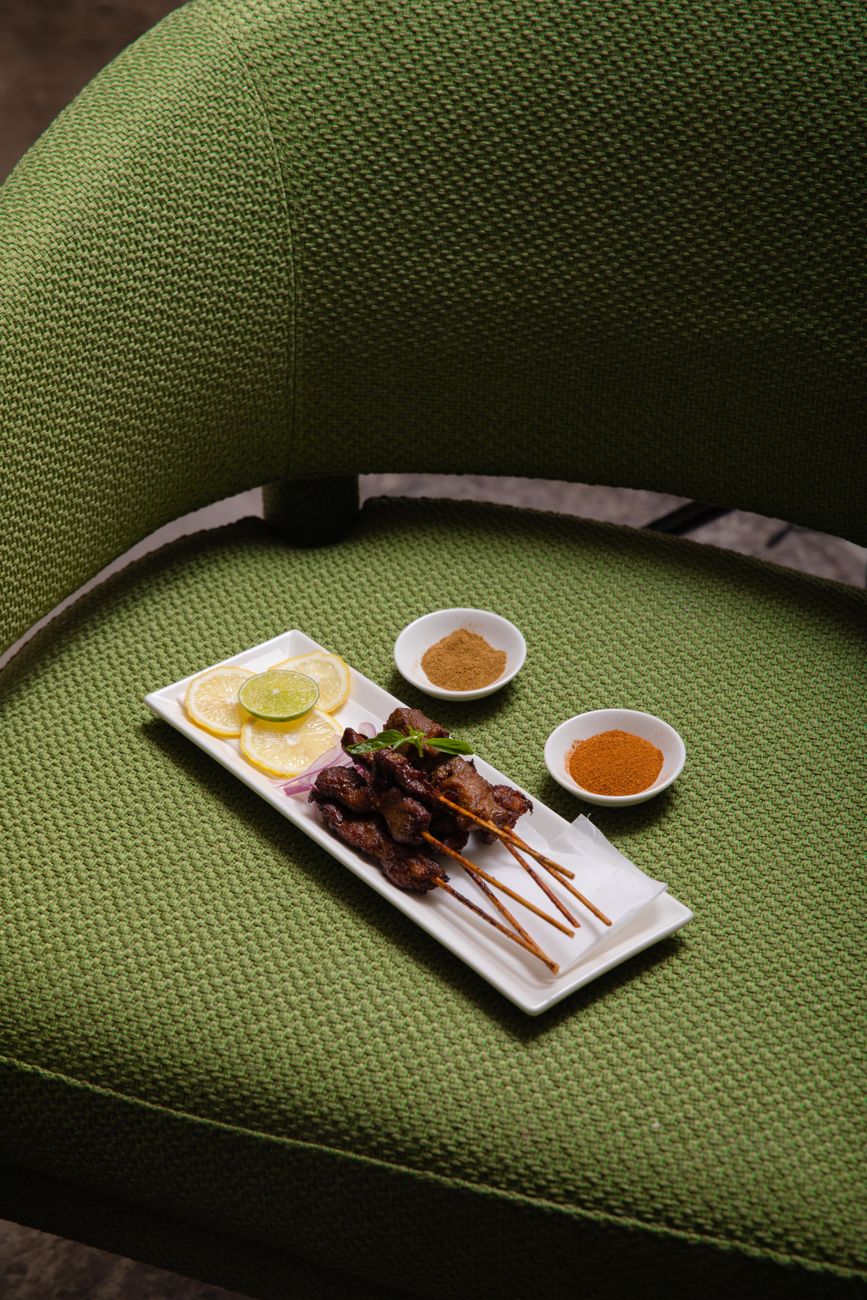
Jun 9, 2026Peru's Spicy Soul Food: Why These Heat-Driven Dishes Are Taking Over Tables
From ají amarillo-spiked anticuchos to rocoto-stuffed peppers, Peru's most craveable spicy dishes offer complex heat that goes far beyond the burn. Here's what makes them so addictive and why they deserve a spot at your table.
culture
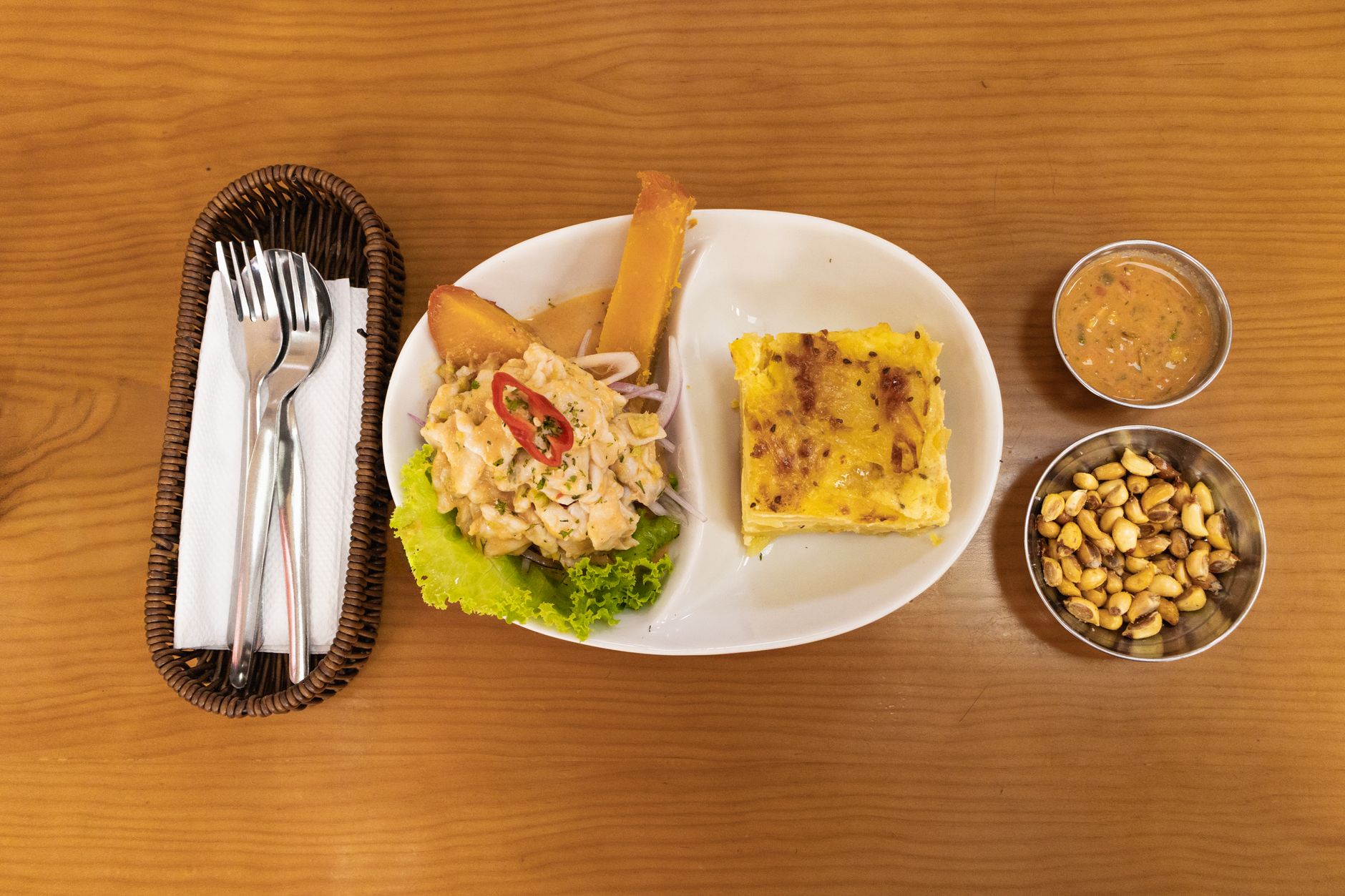
May 20, 2026Cooking with Ají Amarillo, Rocoto, and Ají Panca
Compare ají amarillo, rocoto, and ají panca, including their textures and the dishes that put their different flavors to use.
Comments
Reader discussion is shared across recipes, reviews, and editorial pieces.
Comments are read-only while member sign-in is paused.