
culture
The Peruvian Heat Wave: Why These Three Spicy Dish Styles Are Taking Over
From ají amarillo-laden tiraditos to smoky anticuchos straight off the grill, Peru's most soul-stirring spicy dishes are finally getting their due. Here's why these three styles deserve a spot at your table.

Share this
Pass it around
Send this page to a friend, copy the link, or save it to a Pinterest board.

Save for later
Pin this page
Save the image with a link back to this recipe, review, or article.
The Peruvian Heat Wave: Why These Three Spicy Dish Types Are Taking Over
Peru doesn't mess around when it comes to heat. While most of us are still figuring out the difference between jalapeños and serranos, Peruvian cooks have been working with an entire rainbow of peppers—from the sunny warmth of ají amarillo to the knockout punch of rocoto. What's exciting is that these incredible spicy dishes are finally making their way from Lima's bustling markets to tables everywhere.
These aren't Instagram moments masquerading as food. These are dishes that have been feeding families and filling hearts for generations, built around peppers that deliver flavors most of us have never experienced. The three styles everyone's talking about right now each tell a different story about Peruvian heat—and honestly, they'll ruin you for boring spicy food forever.
Nikkei-Style Tiradito: When Japanese Precision Meets Peruvian Soul
Tiradito might be the most beautiful thing to happen to raw fish since someone first squeezed lime over it. Born from Peru's Japanese community over a century ago, it marries the precise knife work of sashimi with Peru's genius for pepper-forward sauces.
Here's the magic: pristine fish, sliced thin as paper, gets dressed with leche de tigre—that electric, spicy "tiger's milk" that makes your mouth water just thinking about it. But unlike ceviche, where the citrus slowly "cooks" chunky fish, tiradito is all about the moment. The sauce hits the fish just before it hits your table.
Ají amarillo is the star here, painting everything sunset orange while delivering heat that's fruity and bright—think poblano warmth with serrano attitude. Blend it with lime, ginger, garlic, and a whisper of soy sauce, and you've got something that tastes like the ocean having a conversation with a volcano.
The genius is in the contrast. The fish stays silky and clean while the sauce builds layers of heat that make you slow down and savor every bite. This is sophisticated spice—the kind that makes you understand why people become obsessed with Peruvian food.
Anticuchos: The Street Food That Ruined All Other Street Food
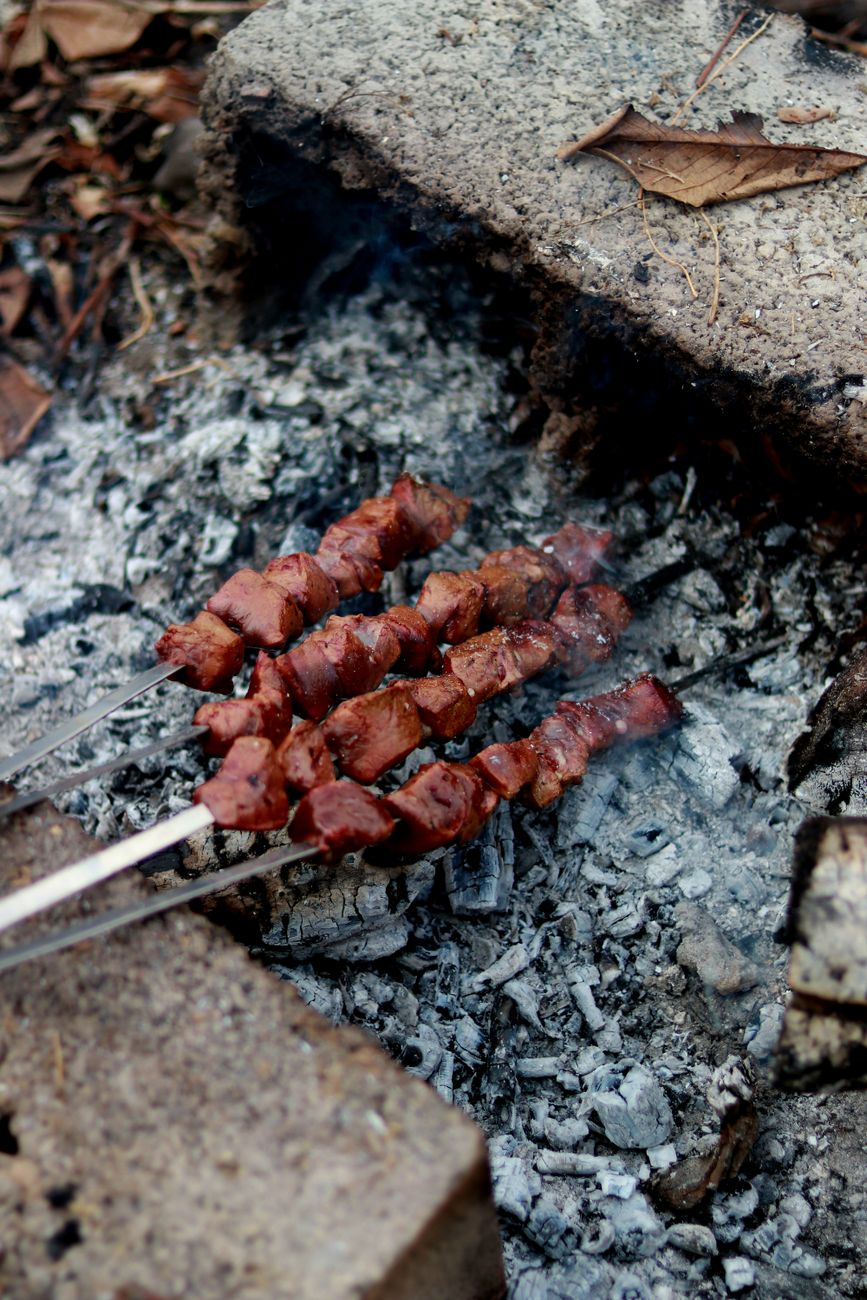
If tiradito is refined heat, anticuchos are pure, joyful fire. These beef heart skewers, marinated in smoky ají panca and grilled over charcoal until they're crusty on the outside and tender within, represent everything I love about Peruvian street food.
Ají panca is the secret here—a dried purple pepper that tastes like raisins had a baby with smoke. It's deeper than chipotle, earthier than anything in your spice rack, with gentle heat that lets all those complex flavors shine through. The marinade builds on that foundation:
- Ají panca paste (this is non-negotiable)
- Red wine vinegar for that bright cut
- Cumin and oregano for warmth
- Plenty of garlic
- A splash of soy sauce for depth
Beef heart sounds intimidating until you taste it—lean, meaty, and sturdy enough to handle bold marinades and high heat without falling apart on the grill. When it's done right, you get this incredible crust giving way to tender meat that's been completely transformed by that smoky, complex marinade.
The beautiful thing about anticuchos is how flexible they are with heat. That ají panca base stays constant, but you can dial up the intensity with rocoto or ají amarillo depending on your crowd. Same technique, endless possibilities.
Rocoto Relleno: The Stuffed Pepper That Fights Back
Rocoto relleno takes everything you think you know about stuffed peppers and throws it out the window. The rocoto looks harmless enough—round, red, about the size of a small bell pepper. This innocent appearance has led to some memorable dinner table moments, because rocoto packs habanero heat with a completely different personality.
Instead of tropical fruitiness, rocoto brings clean, almost apple-like heat that announces itself immediately and sticks around for the conversation. Those thick walls make it perfect for stuffing, but they also concentrate the heat in ways that will get your attention.
The filling is comfort food at its finest: ground beef, onions, garlic, and hard-boiled eggs, seasoned with cumin, oregano, and often a touch of ají amarillo for extra complexity. Top it with cheese, slide it into the oven, and wait for magic.
What I love about rocoto relleno is how the cooking process tames the pepper just enough to make it welcoming while keeping its fire. The cheese and egg create cooling moments that let you appreciate the rocoto's unique heat instead of just surviving it. It's spicy food that invites you in rather than daring you to finish.
Why This Matters for Your Kitchen
These dishes work because they're built on principles that make all food better: balance, technique, and genuine respect for ingredients. They're not about proving anything or punishing anyone. They're about showing how peppers can be the foundation of flavor, not just the afterthought.
The best news? Ají amarillo, panca, and rocoto are showing up in more markets, both fresh and as pastes. You can start exploring these flavors without a treasure hunt through specialty stores.
More than that, these dishes represent a completely different philosophy about spicy food. They assume you want complexity alongside heat, that technique matters as much as intensity, and that the best spicy food should make you crave the next bite, not reach for milk.
Peruvian heat culture offers something precious: a roadmap for anyone tired of the same old spicy food routine. It's not about finding the hottest pepper on earth—it's about finding the right pepper for the right moment, then building flavors that make the heat absolutely irresistible.
Peppers featured in this post
Cook with this idea
Recipes to try next.
Put these ingredients and techniques to use in your next meal.

peruvian · medium
May 17, 2026Aji Amarillo Chicken and Rice Bowl with Cilantro-Lime Crema
Tender chicken pieces bathed in Peru's beloved aji amarillo pepper sauce, nestled over fragrant cilantro rice with cooling lime crema and tangy pickled onions. 60 min · 0 saves.

peruvian · medium
May 3, 2026Ají Amarillo Glazed Chicken Wings
Crispy baked chicken wings coated in a vibrant ají amarillo glaze that delivers Peru's signature fruity heat with hints of garlic and lime. 65 min · 0 saves.
peruvian · hot
Oct 19, 2026Ají de Gallina with Habanero
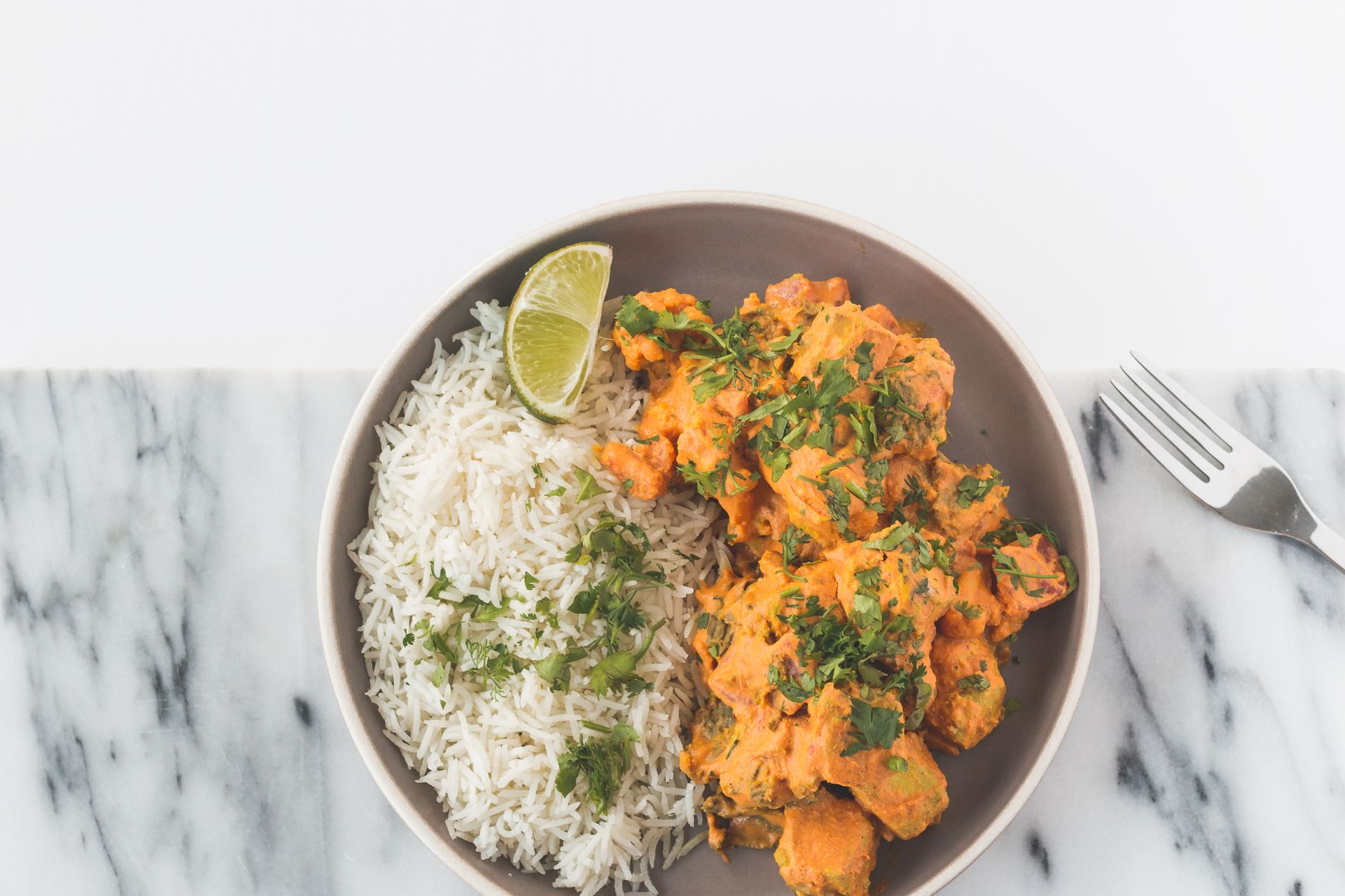
Peruvian creamed chicken thickened with ground walnuts and bread, finished with habanero heat. Serve over boiled potatoes and rice for a weeknight dinner with serious spice. 55 min · 0 saves.
Bottle picks
Related hot sauce reviews.
Explore sauces with related ingredients, flavors, and heat levels.
Fly By Jing Sichuan Gold Review
A citrusy, tingly sauce with real peppercorn presence and enough versatility to move beyond dumplings.
Best for dumplings
Best for: Eggs and breakfast tacos
Skip if: Skip if you want a thick, smoky wing sauce more than a bright finishing bottle.
Read review
Mike's Hot Honey Review
Sweet heat done right: sticky, quick, and versatile enough to become a finishing move instead of a novelty.
Best for gifting
Best for: Pizza and fried chicken
Skip if: Skip if you want a classic vinegar-forward table sauce with almost no sweetness.
Read review
Heatonist Los Calientes Rojo Review
Heatonist Los Calientes Rojo: flavor notes, heat level, and suggested food pairings.
Best for tacos
Best for: Tacos and rice bowls
Skip if: Skip if you are chasing a novelty-level heat hit or a super-special-occasion bottle.
Read review
Go deeper
Background guides that build on this.
Keep reading
More on this subject.
If this post helped, these are the next pieces most likely to keep the thread going.
culture
Jun 12, 2026Why Peruvian Spice Is Having Its Moment: Three Dishes That Show How Heat Works in Lima
From ají amarillo's golden fire to rocoto's sneaky burn, Peruvian kitchens understand heat like nowhere else. Here's why anticuchos, causa limeña, and ají de gallina should be on your table—and how their brilliant balance of spice and soul is winning over everyone from timid eaters to serious chile heads.
culture
Jun 9, 2026Peru's Spicy Soul Food: Why These Heat-Driven Dishes Are Taking Over Tables
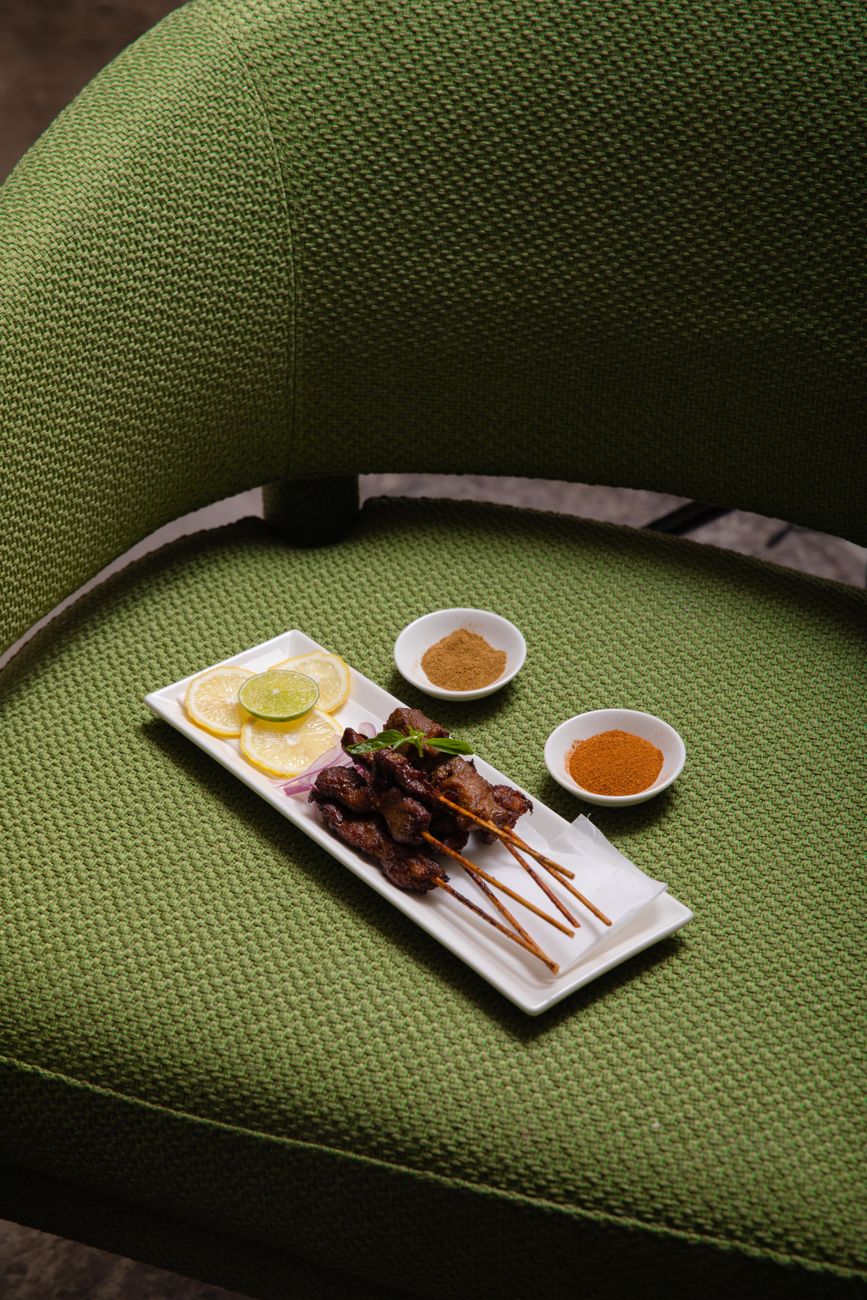
From ají amarillo-spiked anticuchos to rocoto-stuffed peppers, Peru's most craveable spicy dishes offer complex heat that goes far beyond the burn. Here's what makes them so addictive and why they deserve a spot at your table.
culture
May 20, 2026Cooking with Ají Amarillo, Rocoto, and Ají Panca
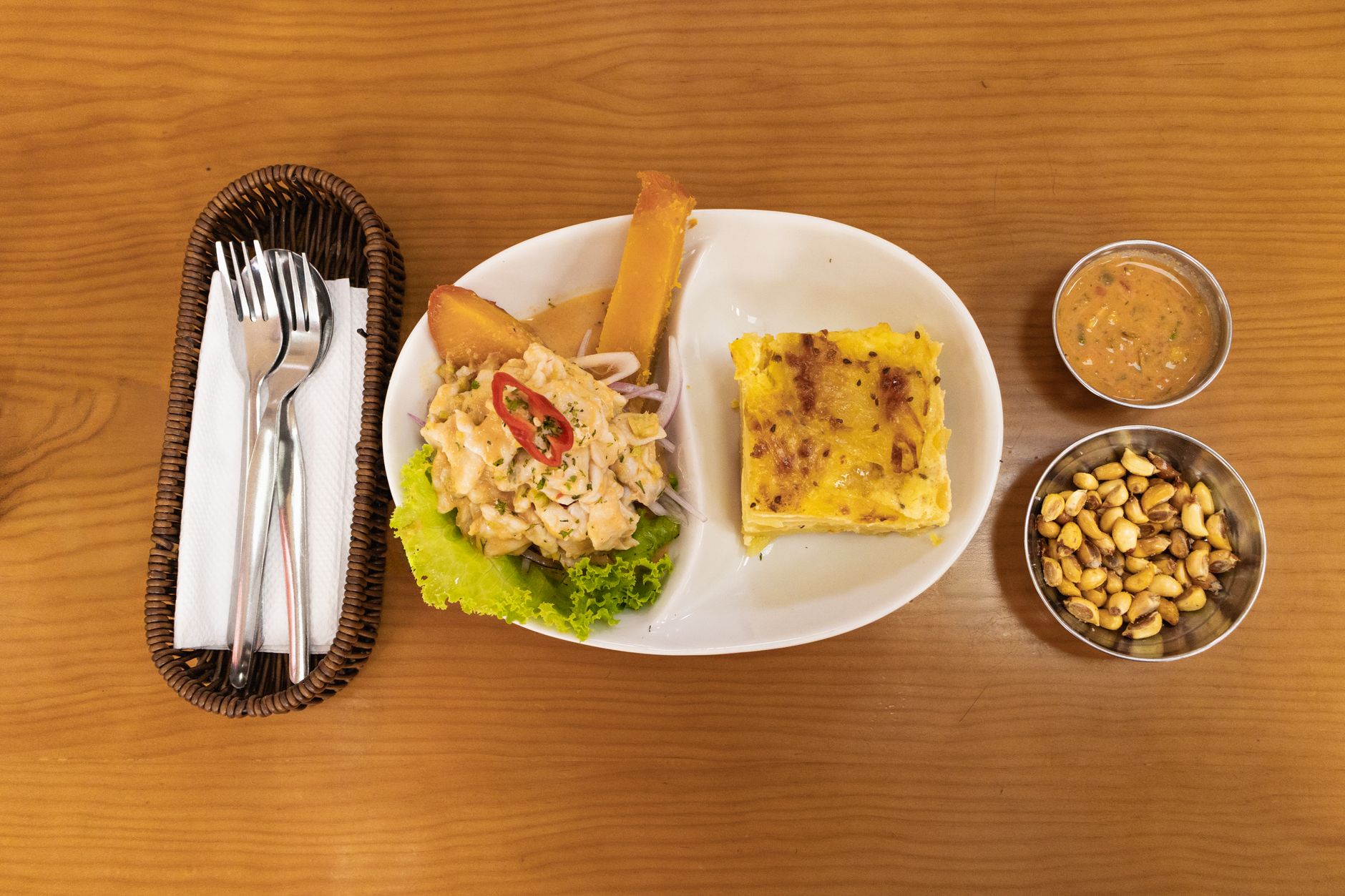
Compare ají amarillo, rocoto, and ají panca, including their textures and the dishes that put their different flavors to use.
Comments
Reader discussion is shared across recipes, reviews, and editorial pieces.
Comments are read-only while member sign-in is paused.