
culture
Why Korean Corn Dogs and Army Stew Are Having a Spicy Moment
From gochujang-glazed corn dogs to bubbling budae-jjigae, Korean comfort foods are redefining how we think about approachable heat. Here's what makes these dishes so craveable right now.
Share this
Pass it around
Send this page to a friend, copy the link, or save it to a Pinterest board.

Save for later
Pin this page
Save the image with a link back to this recipe, review, or article.
Why Korean Corn Dogs and Army Stew Are Having a Spicy Moment
Korean home cooks have always known something the rest of us are finally catching on to: the best spicy food doesn't assault you—it welcomes you in. While everyone else is busy with ghost pepper stunts, the Korean dishes actually making their way into weeknight dinner rotations tell a much better story. They're the kind of food that makes you lean across the table and steal bites from someone else's plate.
Three dishes keep showing up everywhere I look lately, and for good reason. Korean corn dogs turn street snack logic on its head with their brilliant sauce work. Budae-jjigae transforms your fridge cleanout into something you'll actually want to eat. And Korean fried chicken keeps getting better as more cooks figure out what gochujang can really do. Each one handles heat like it should be handled—as part of a conversation, not a monologue.
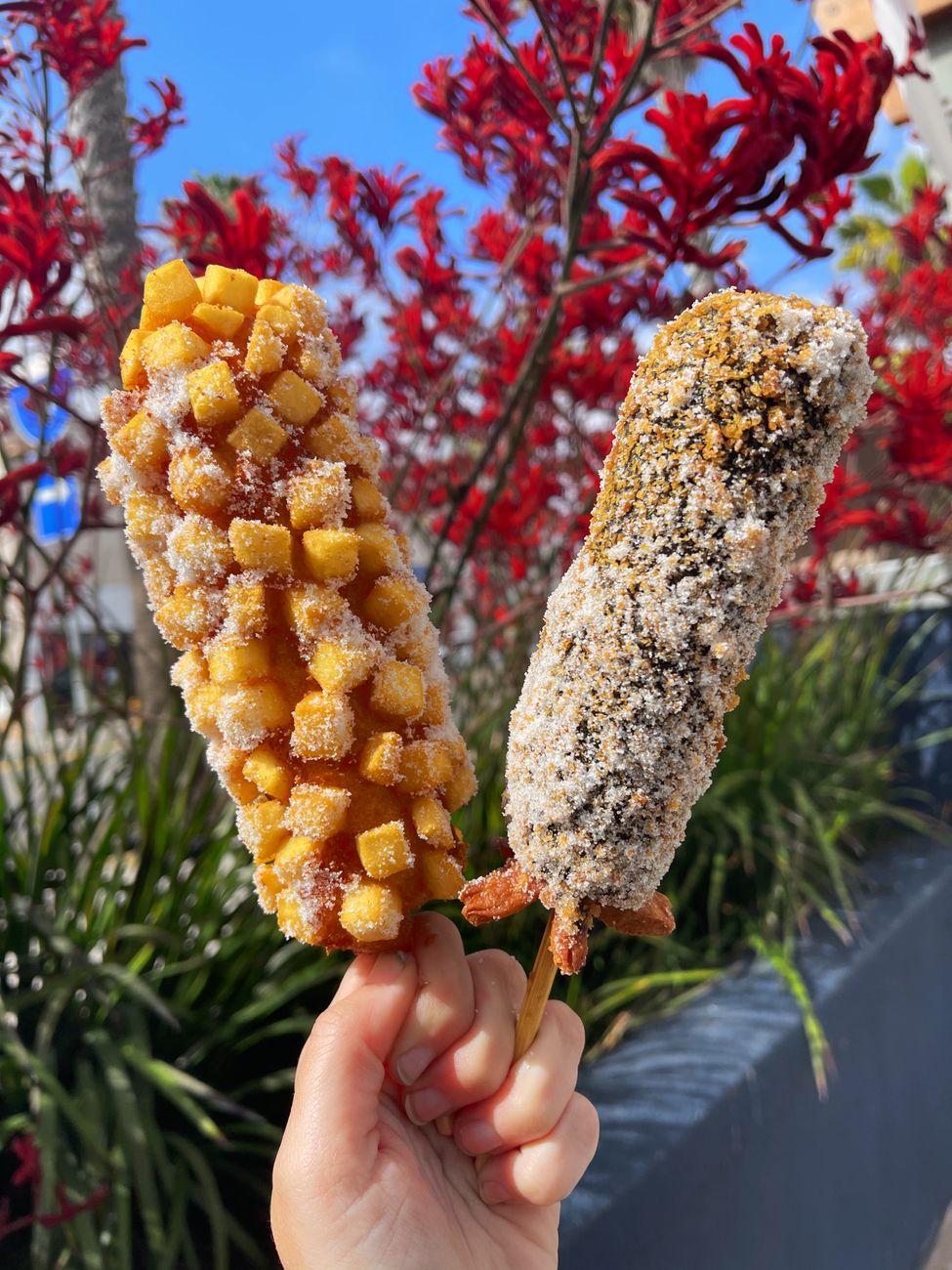
Korean Corn Dogs: Finally, Street Food Worth Making at Home
I'll be direct: American corn dogs are mostly boring. Korean corn dogs are not. The difference isn't subtle—it's the difference between treating fried food as fuel versus treating it as an opportunity.
Korean corn dogs get their spicy appeal from what happens after they come out of the oil. Those glossy gochujang-based glazes aren't just pretty—they're doing real work. The fermented chili paste brings sweetness and depth that plays beautifully with whatever you've got wrapped in that batter, whether it's stretchy mozzarella, bouncy rice cake, or good old-fashioned sausage.
Here's what really gets me excited about these: the texture game is completely different. When you roll that batter in cubed potatoes or panko before frying, you're not just changing how it looks. You're creating little pockets and ridges that hold sauce differently, that crunch differently, that make each bite feel more interesting than the last.
For home cooking, this is liberating food. You can dial the heat up or down by adjusting your gochujang glaze ratios. You can stuff them with whatever makes you happy. They work as snacks or dinner, and they don't require you to source ingredients from three different specialty stores. Sometimes the best ideas are the ones that just make sense.
Budae-Jjigae: The Most Forgiving Spicy Food You'll Ever Make
Army stew is what happens when necessity creates something better than intention ever could. Born from Korean War-era resourcefulness—mixing American military rations with traditional soup bases—it's still the most accommodating dish in the Korean repertoire.
The spice builds the way good spice should: gradually, generously, without apology. Kimchi provides the fermented backbone, gochujang adds sweetness and body, and fresh or dried chilies bring brightness to the party. But here's the beautiful part—it all mellows and melds as it bubbles away, creating warmth that invites rather than intimidates.
The ingredient list reads like a greatest hits of things you probably have lying around:
- Kimchi and its juice for that essential fermented heat
- Gochujang for the sweet-spicy foundation
- Korean chilies in whatever form you can find
- Spam, sausages, whatever preserved meat speaks to you
- Instant ramen noodles (yes, really)
- Whatever vegetables are looking at you from the crisper drawer
But here's why I love recommending this to people: it's almost impossible to mess up. Household full of spice wimps? Go easy on the gochujang, let the kimchi do the talking. Got heat seekers at your table? Layer in different chilies, let everyone build their own heat level from the communal pot.
Budae-jjigae doesn't just use leftovers—it celebrates them. That can of Spam isn't a compromise; it's part of the story. Those random vegetables aren't filler; they're contributing to something bigger than themselves.
Korean Fried Chicken: When Innovation Actually Makes Things Better
Let's talk about what Korean fried chicken gets right that everyone else is still figuring out. Yes, the double-frying technique creates incredible crispness. But the real genius is in how these preparations handle sauce and heat integration.
Gochujang-based sauces actually stick to properly fried chicken skin without turning it soggy or creating those sad, sauce-pooled spots. The paste's natural thickness and fermented sweetness help it cling while delivering heat that builds layers instead of just burning. Mix it with rice syrup, garlic, and ginger, and you've got complexity that keeps you reaching for the next piece.
Recent spins on this are getting even more interesting. Gochujang honey butter versions create this incredible sweet-spicy-rich trifecta that somehow makes the chicken taste more like chicken. Korean-Mexican mashups using gochujang in citrus marinades work because that fermented depth loves bright, acidic partners.
What I appreciate most is how well this scales down for regular home cooking. You don't need a commercial fryer or specialty equipment. The technique works in a large pot on your stove. Gochujang is showing up in more mainstream grocery stores. And the sauce ratios are forgiving—minor adjustments won't tank your dinner.
The difference between Korean fried chicken and, say, Nashville hot chicken, comes down to philosophy. Korean preparations treat heat as part of an ensemble cast. Nashville hot treats it like the lead singer. Both have their place, but only one lets you eat piece after piece without your palate giving up.
Why These Work Right Now
These dishes succeed because they understand that the most craveable spicy food usually isn't the hottest food—it's the food that makes you plan your next bite while you're still chewing the current one.
They're also perfectly calibrated for how many of us actually cook and eat. They work for mixed groups with different heat tolerances. They transform everyday ingredients into something that feels special without being fussy. They're substantial enough to center a meal around but approachable enough that you're not committing to a whole new cooking vocabulary.
Most importantly, they prove that the best international food trends aren't about exotic ingredients or complicated techniques—they're about better ideas. Korean corn dogs, army stew, and fried chicken all take familiar concepts and make them more interesting, more generous, more worth sharing. That's the kind of food trend I can get behind.
Peppers featured in this post
Cook with this idea
Recipes to try next.
Put these ingredients and techniques to use in your next meal.
korean · medium
Apr 14, 2026Korean Spicy Pork Bulgogi (Daeji Bulgogi)
Tender marinated pork shoulder grilled with gochujang and Korean pear, delivering authentic medium heat with sweet and savory balance. 32 min · 0 saves.
korean · medium
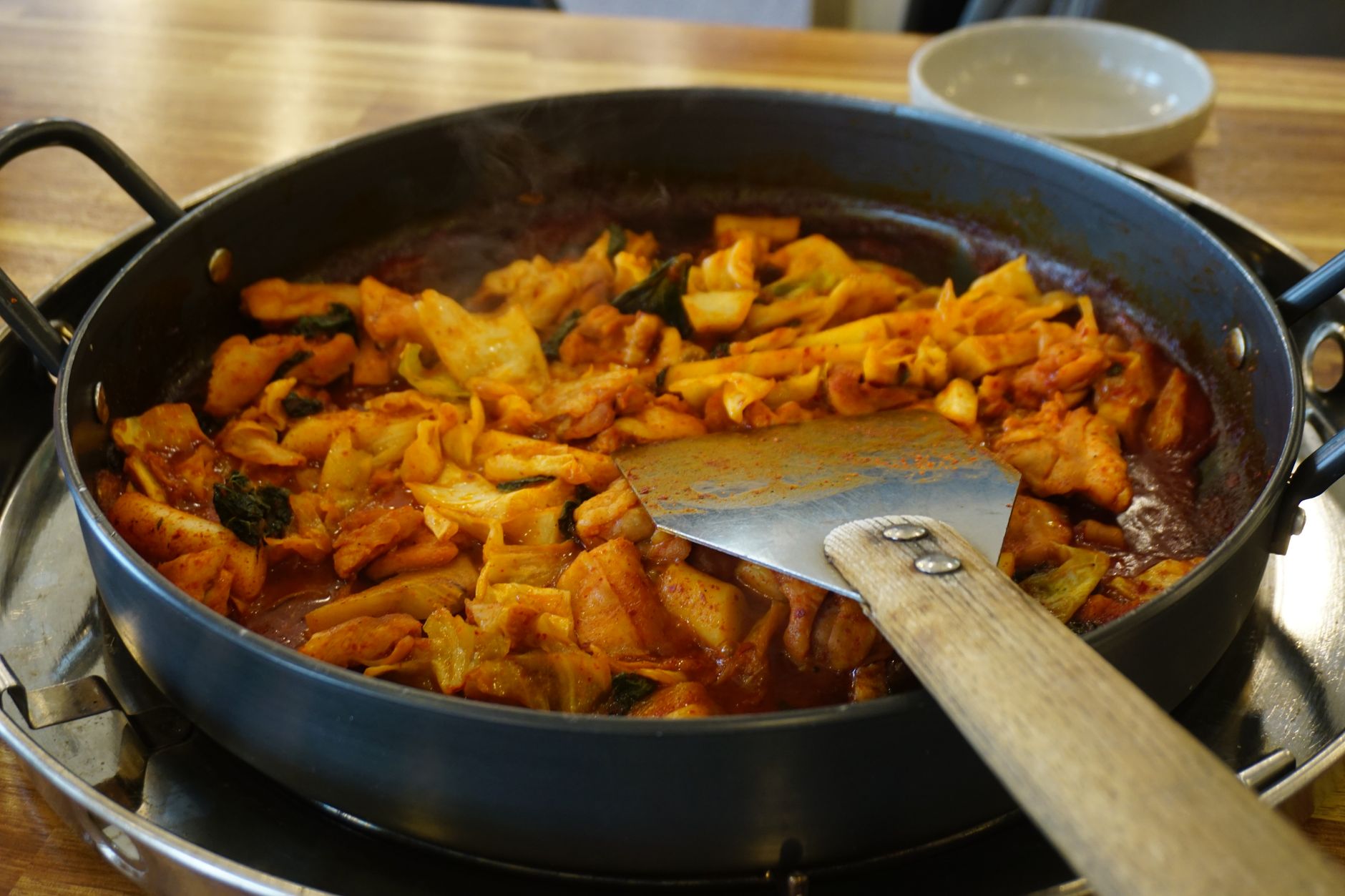
Apr 6, 2026Dak Galbi (Korean Spicy Stir-Fried Chicken)
A sizzling Korean stir-fry featuring tender chicken, crisp vegetables, and chewy rice cakes in a sweet-spicy gochujang glaze that delivers perfect medium heat. 35 min · 0 saves.

korean · mild
Sep 6, 2026Gochujang-Glazed Chicken Wings
Tender, glossy chicken wings coated in a mild gochujang glaze with sesame and garlic. The heat is gentle and rounded, never sharp—perfect for sharing without worry about tolerance gaps at the table. 50 min · 0 saves.
Bottle picks
Related hot sauce reviews.
Explore sauces with related ingredients, flavors, and heat levels.
Fly By Jing Sichuan Gold Review
A citrusy, tingly sauce with real peppercorn presence and enough versatility to move beyond dumplings.
Best for dumplings
Best for: Eggs and breakfast tacos
Skip if: Skip if you want a thick, smoky wing sauce more than a bright finishing bottle.
Read review
Mike's Hot Honey Review
Sweet heat done right: sticky, quick, and versatile enough to become a finishing move instead of a novelty.
Best for gifting
Best for: Pizza and fried chicken
Skip if: Skip if you want a classic vinegar-forward table sauce with almost no sweetness.
Read review
Heatonist Los Calientes Rojo Review
Heatonist Los Calientes Rojo: flavor notes, heat level, and suggested food pairings.
Best for tacos
Best for: Tacos and rice bowls
Skip if: Skip if you are chasing a novelty-level heat hit or a super-special-occasion bottle.
Read review
Go deeper
Background guides that build on this.
Keep reading
More on this subject.
If this post helped, these are the next pieces most likely to keep the thread going.

culture
May 1, 2026Beyond Kimchi: Korean Spicy Dishes Taking Over Tables Right Now
Korean heat goes so much deeper than kimchi and gochujang. From sticky-sweet fire chicken to those impossibly addictive rice cakes, these dishes reveal why Korean spice mastery has completely won us over.

culture
Apr 22, 2026Five Korean Spicy Dishes That Are Changing How We Crave Heat
Korean spicy food doesn't just burn—it builds layers of heat that keep drawing you back for more. These five dishes show why fermented fire and gochujang glazes create the kind of cravings that make you rethink everything you thought you knew about spice.
culture
Oct 20, 2026Why Spicy Greek Dishes Are Having a Moment
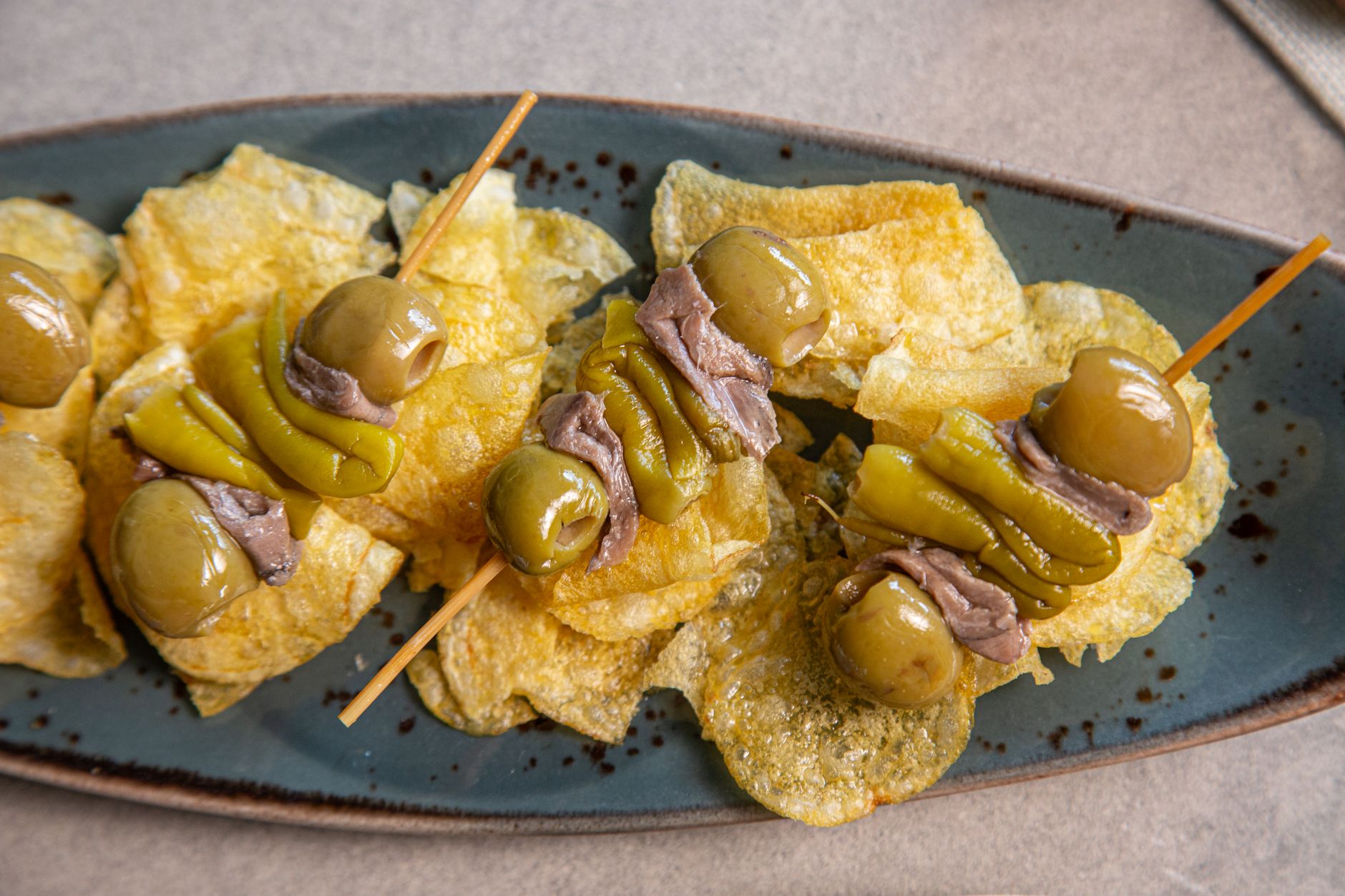
Greek cooking has always built heat into its foundations. Florina peppers, Aleppo chilies, and fresh green varieties have shaped regional cooking for centuries—and now diners are discovering what Greek tables have always known.
Comments
Reader discussion is shared across recipes, reviews, and editorial pieces.
Comments are read-only while member sign-in is paused.