
culture
Beyond Kimchi: Korean Spicy Dishes Taking Over Tables Right Now
Korean heat goes so much deeper than kimchi and gochujang. From sticky-sweet fire chicken to those impossibly addictive rice cakes, these dishes reveal why Korean spice mastery has completely won us over.

Share this
Pass it around
Send this page to a friend, copy the link, or save it to a Pinterest board.

Save for later
Pin this page
Save the image with a link back to this recipe, review, or article.
Korean spice isn't about showing off or testing your limits—it's about creating heat that actually makes you hungry for more. These dishes prove what Korean home cooks have always known: real fire comes with layers of sweetness, funk, and umami that build with every bite. Once you understand how Korean cooks balance serious heat with textural play and deep flavors, everything else starts to feel a little one-dimensional.
Buldak: The Fire Chicken That Started It All
Buldak means "fire chicken," and honestly, it delivers exactly what it promises. This isn't your typical hot sauce situation—the heat builds through gochugaru and gochujang into something that starts sweet, turns savory, then hits you with waves of genuine fire.
The magic happens in that glossy sauce made from gochujang, corn syrup, garlic, and usually a splash of rice wine. It clings to every piece of chicken, creating those caramelized edges while keeping the meat ridiculously juicy underneath. The sweetness tricks you at first, then the heat builds in layers that somehow make you want the next piece even more.
Here's where it gets really good: most places now toss rice cakes right into the mix. Those chewy little discs soak up every drop of that spicy-sweet sauce and become these incredible flavor bombs. Some cooks throw in scallions or sesame seeds, others go full indulgent with melted cheese (trust us on this one), but the core appeal never changes—that perfect marriage of sweet and fire that keeps you coming back.
Tteokbokki: Street Food Perfection
These glossy red rice cakes represent everything great about Korean street food. They look intimidating in that bubbling scarlet sauce, but the heat is totally approachable while delivering serious umami punch. The sauce—gochujang, fish sauce or anchovy broth, sugar, and garlic—tastes both completely familiar and unlike anything else.
Great tteokbokki is all about getting two things right: sauce consistency that coats without being gloppy, and rice cakes that stay chewy without turning into rubber. When it works, each piece gives you this concentrated hit of spicy-sweet flavor that builds heat gradually instead of knocking you over.
The best versions include:
- Fish cakes for that extra umami depth
- Hard-boiled eggs that soak up all that spicy sauce
- Fresh scallions to cut through the richness
- Sometimes instant ramen noodles when you want a full meal
What we love most about tteokbokki is how easily you can adjust the heat. More gochujang cranks up the burn, while extra sugar or corn syrup mellows things out without losing any of that complex flavor. It's spicy food that actually works for everyone at the table.
Kimchi Jjigae: When Fermentation Meets Fire
This bubbling kimchi stew showcases Korean heat at its most sophisticated level. We're not talking about just spicy soup here—this is what happens when aged kimchi, pork fat, and time create flavors that fresh ingredients simply can't touch.
The secret starts with kimchi that's way past its fresh-eating prime. That older, funkier kimchi has developed these deep, complex flavors and a softer texture that melts beautifully into the stew. You sauté it with pork belly until the fat renders and those vegetables start to caramelize, then add tofu and stock and let everything simmer until the flavors completely meld.
The heat here isn't just from the kimchi's spice—it's from how fermentation has concentrated and transformed those chile flavors into something much more complex than fresh heat. The spice weaves through the richness from the pork and creaminess from the tofu, creating this warmth that builds slowly and keeps you satisfied long after the bowl is empty.
Dakgalbi: Spice Meets Social
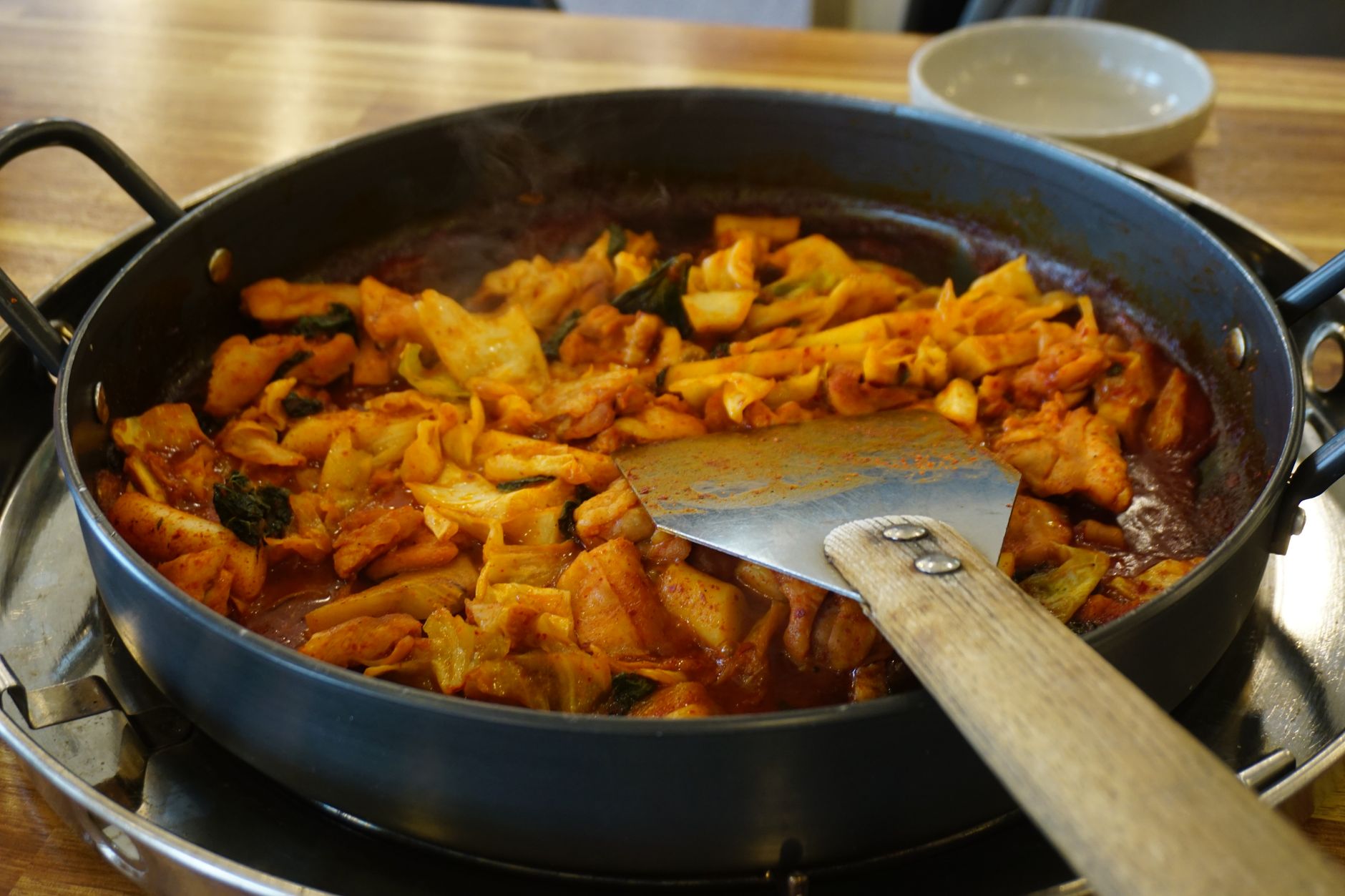
Dakgalbi brings Korean heat culture right to your table as this fantastic interactive meal. Marinated chicken gets stir-fried with vegetables, rice cakes, and spicy sauce on a big griddle that keeps everything sizzling hot while you eat.
That chicken marinates in gochujang, soy sauce, garlic, ginger, and usually apple or pear for sweetness. The marinade actually penetrates and tenderizes the meat, so you get chicken that's spicy all the way through, not just coated in hot sauce.
Cabbage, sweet potato, onions, and rice cakes cook right alongside the chicken, each ingredient soaking up that spicy marinade while adding its own flavors and textures. The vegetables bring sweetness and crunch that balance the heat perfectly, while those rice cakes add the kind of chewy substance that makes this a real meal.
The interactive part matters more than you'd think. Cooking at the table means everyone can control their own heat tolerance—grab pieces from the cooler edges or dive into the center where the spice concentrates. The communal aspect somehow makes the heat more fun and definitely more manageable.
Why Korean Spice Just Works
Korean spicy food succeeds because heat is never the whole point. Gochugaru and gochujang bring warmth and depth rather than just burn, and Korean cooks consistently pair that fire with sweetness, umami, and textures that keep each bite interesting.
The fermentation tradition makes all the difference too. Aged kimchi, fermented bean pastes, and fish sauces create the kind of complexity that makes the heat more compelling and sustainable. You can eat these dishes regularly without getting bored because there's always another layer of flavor revealing itself.
Most importantly, these dishes scale naturally. You can adjust the heat up or down without losing what makes them special, which means they work for different spice tolerances while staying true to their roots. That flexibility, combined with bold flavors and seriously satisfying textures, explains why Korean spicy food has moved way beyond trend territory into permanent kitchen rotation.
Peppers featured in this post
Cook with this idea
Recipes to try next.
Put these ingredients and techniques to use in your next meal.
korean · medium
Apr 14, 2026Korean Spicy Pork Bulgogi (Daeji Bulgogi)
Tender marinated pork shoulder grilled with gochujang and Korean pear, delivering authentic medium heat with sweet and savory balance. 32 min · 0 saves.
korean · medium
Apr 6, 2026Dak Galbi (Korean Spicy Stir-Fried Chicken)
A sizzling Korean stir-fry featuring tender chicken, crisp vegetables, and chewy rice cakes in a sweet-spicy gochujang glaze that delivers perfect medium heat. 35 min · 0 saves.

korean · mild
Sep 6, 2026Gochujang-Glazed Chicken Wings
Tender, glossy chicken wings coated in a mild gochujang glaze with sesame and garlic. The heat is gentle and rounded, never sharp—perfect for sharing without worry about tolerance gaps at the table. 50 min · 0 saves.
Bottle picks
Related hot sauce reviews.
Explore sauces with related ingredients, flavors, and heat levels.
Fly By Jing Sichuan Gold Review
A citrusy, tingly sauce with real peppercorn presence and enough versatility to move beyond dumplings.
Best for dumplings
Best for: Eggs and breakfast tacos
Skip if: Skip if you want a thick, smoky wing sauce more than a bright finishing bottle.
Read review
Mike's Hot Honey Review
Sweet heat done right: sticky, quick, and versatile enough to become a finishing move instead of a novelty.
Best for gifting
Best for: Pizza and fried chicken
Skip if: Skip if you want a classic vinegar-forward table sauce with almost no sweetness.
Read review
Heatonist Los Calientes Rojo Review
Heatonist Los Calientes Rojo: flavor notes, heat level, and suggested food pairings.
Best for tacos
Best for: Tacos and rice bowls
Skip if: Skip if you are chasing a novelty-level heat hit or a super-special-occasion bottle.
Read review
Go deeper
Background guides that build on this.
Keep reading
More on this subject.
If this post helped, these are the next pieces most likely to keep the thread going.

culture
Apr 22, 2026Five Korean Spicy Dishes That Are Changing How We Crave Heat
Korean spicy food doesn't just burn—it builds layers of heat that keep drawing you back for more. These five dishes show why fermented fire and gochujang glazes create the kind of cravings that make you rethink everything you thought you knew about spice.
culture
Apr 15, 2026Why Korean Corn Dogs and Army Stew Are Having a Spicy Moment
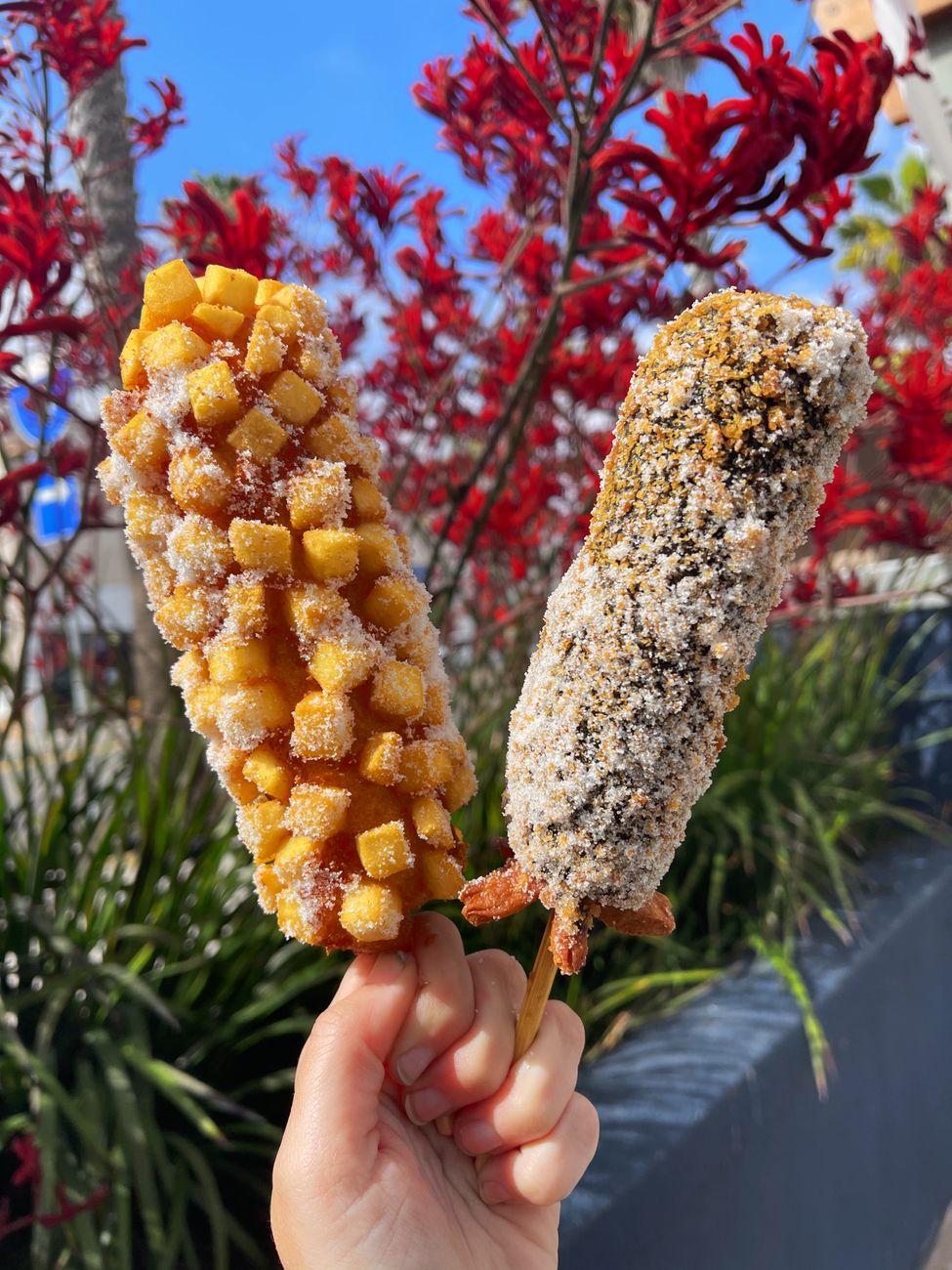
From gochujang-glazed corn dogs to bubbling budae-jjigae, Korean comfort foods are redefining how we think about approachable heat. Here's what makes these dishes so craveable right now.

culture
Jun 15, 2026Four Middle Eastern Heat Styles That Should Be on Your Radar Right Now
From harissa's patient burn to zhug's bright herb-fire, these Middle Eastern heat styles teach us that the best spicy food builds complexity alongside warmth—and they'll change how your family thinks about heat.
Comments
Reader discussion is shared across recipes, reviews, and editorial pieces.
Comments are read-only while member sign-in is paused.