
FlamingFoodies recipe
Buldak Tteokbokki with Extra Gochujang and Fresh Chilies
Chewy rice cakes bathed in a deeply spicy sauce that layers gochujang, Korean chili flakes, and fresh habaneros for the kind of heat that makes you reach for more.
Plump Korean rice cakes nestled in a glossy crimson sauce that marries traditional gochujang with fresh habanero fire. Each bite delivers that satisfying chew followed by waves of sweet-savory heat that builds beautifully as you eat.
Ingredients
Sauce Base
- 1/3 cupgochujang, Korean chili paste
- 2 tablespoonsgochugaru, Korean chili flakes
- 2habanero peppers, stems removed, finely minced
- 3 tablespoonssoy sauce
- 2 tablespoonsbrown sugar
- 1 tablespoonrice vinegar
- 4 clovesgarlic, minced
Main Components
- 1 poundcylindrical rice cakes, fresh or frozen tteok
- 2 cupschicken stock
- 6shiitake mushrooms, stems removed, sliced
- 4scallions, cut into 2-inch pieces
- 2 tablespoonsvegetable oil
Garnish
- 1scallion, thinly sliced
- 1 tablespoonsesame seeds
Method
1. Prepare the rice cakes and sauce paste If you're working with frozen rice cakes, give them a warm water bath for 10 minutes until they soften up. Meanwhile, whisk together your gochujang, gochugaru, minced habaneros, soy sauce, brown sugar, rice vinegar, and garlic in a small bowl until everything comes together in a smooth, thick paste.
Watch for: Rice cakes should feel tender when pressed, sauce paste should have no lumps
Tip: Fresh rice cakes just need a quick check to make sure they're not clumped together – no soaking needed.
2. Build your sauce foundation Warm the oil in a wide, heavy pan over medium heat, then add your prepared paste. Stir constantly as it cooks, watching it deepen to a gorgeous dark red and fill your kitchen with that incredible spicy-sweet aroma. The mixture will start bubbling and thickening. Slowly pour in the chicken stock, whisking as you go to keep everything silky smooth.
Watch for: Sauce should be deep red and smell intensely spicy-sweet
Tip: Keep the heat at medium – that paste can go from perfect to bitter in seconds if it burns.
3. Let everything come together Add your rice cakes to the bubbling sauce along with the shiitakes and scallion pieces. Let them simmer together, stirring now and then, until the rice cakes are heated through and the sauce has reduced to coat everything in a beautiful glossy red. You want about half the liquid gone by the end.
Watch for: Rice cakes should be chewy but not hard, sauce should cling without being dry
4. Taste and serve while it's perfect Pull the pan off the heat and give it a taste – add a splash more soy sauce if it needs salt, or a pinch more brown sugar if the heat is overwhelming the other flavors. Spoon into bowls and scatter over the sliced scallions and sesame seeds. Get this to the table fast while those rice cakes are still perfectly chewy.
Watch for: Rice cakes should be glossy red and steaming
Tip: The heat keeps building even after cooking, so don't let it sit around too long.
Equipment
- wide heavy-bottomed pan
- whisk
- small mixing bowl
Make ahead
- You can make the sauce paste up to 3 days ahead and keep it covered in the fridge. The finished dish really wants to be eaten right away though.
Storage
- Leftovers will keep for up to 3 days in the fridge, but the rice cakes won't have that perfect chewy texture anymore.
Reheat
- Warm leftovers gently in a pan with a splash of water or stock to loosen up the sauce. Skip the microwave – it turns the rice cakes into rubber.
Top tips
- Wear gloves when mincing habaneros to avoid irritating your skin and eyes.
- Fresh rice cakes from a Korean market are absolutely worth seeking out, though frozen ones work beautifully too
- Keep a little extra stock nearby in case your sauce reduces faster than expected
Substitutions
- No habaneros? Scotch bonnets work perfectly, or use 2-3 Thai chilies for similar heat
- Swap in vegetable stock for the chicken stock to make this vegetarian-friendly
- Traditional recipes use corn syrup instead of brown sugar if you want to go authentic
Serve with
- A bowl of plain steamed rice on the side helps tame the heat
- Ice-cold Korean beer or creamy makgeolli makes the perfect pairing
- Set out some kimchi – the cool crunch is surprisingly soothing
Find another recipe
Open archive →Buldak Tteokbokki with Extra Gochujang and Fresh Chilies

Chewy rice cakes bathed in a deeply spicy sauce that layers gochujang, Korean chili flakes, and fresh habaneros for the kind of heat that makes you reach for more.
Prep
15 min
Cook
20 min
Active
25 min
Total
35 min
Yield
4 servings
Share this
Pass it around
Send this page to a friend, copy the link, or save it to a Pinterest board.
Save for later
Pin this page
Save the image with a link back to this recipe, review, or article.
Peppers in this recipe
Recipe notes
Before you cook
Some nights call for comfort food with real fire. This tteokbokki takes the beloved Korean street snack and cranks up the heat for those of us who love our spice serious. We're building layers of warmth here – the familiar embrace of gochujang, the earthy bite of gochugaru, and the bright heat of fresh habaneros. The rice cakes still give you that wonderful chewy comfort, but now they're swimming in a sauce that means business. Perfect for when you want Korean soul food that actually makes you sweat a little.
Total time
35 min
Prep: 15 min. Cook: 20 min.
Yield
4 servings
The ingredient quantities below are for this yield.
Method
How to cook it
Use the step navigator to move around, or stay in cook mode and work top to bottom.
- 1
Step 1 of 4
Prepare the rice cakes and sauce paste
If you're working with frozen rice cakes, give them a warm water bath for 10 minutes until they soften up. Meanwhile, whisk together your gochujang, gochugaru, minced habaneros, soy sauce, brown sugar, rice vinegar, and garlic in a small bowl until everything comes together in a smooth, thick paste.
- 2
Step 2 of 4
Build your sauce foundation
Warm the oil in a wide, heavy pan over medium heat, then add your prepared paste. Stir constantly as it cooks, watching it deepen to a gorgeous dark red and fill your kitchen with that incredible spicy-sweet aroma. The mixture will start bubbling and thickening. Slowly pour in the chicken stock, whisking as you go to keep everything silky smooth.
- 3
Step 3 of 4
Let everything come together
Add your rice cakes to the bubbling sauce along with the shiitakes and scallion pieces. Let them simmer together, stirring now and then, until the rice cakes are heated through and the sauce has reduced to coat everything in a beautiful glossy red. You want about half the liquid gone by the end.
- 4
Step 4 of 4
Taste and serve while it's perfect
Pull the pan off the heat and give it a taste – add a splash more soy sauce if it needs salt, or a pinch more brown sugar if the heat is overwhelming the other flavors. Spoon into bowls and scatter over the sliced scallions and sesame seeds. Get this to the table fast while those rice cakes are still perfectly chewy.
Troubleshooting
Tips that matter
- Wear gloves when mincing habaneros to avoid irritating your skin and eyes.
- Fresh rice cakes from a Korean market are absolutely worth seeking out, though frozen ones work beautifully too
- Keep a little extra stock nearby in case your sauce reduces faster than expected
Substitutions and variations
Storage and leftovers
Plan ahead and reheat well
Make ahead
You can make the sauce paste up to 3 days ahead and keep it covered in the fridge. The finished dish really wants to be eaten right away though.
Storage
Leftovers will keep for up to 3 days in the fridge, but the rice cakes won't have that perfect chewy texture anymore.
Reheat
Warm leftovers gently in a pan with a splash of water or stock to loosen up the sauce. Skip the microwave – it turns the rice cakes into rubber.
At the table
Serving suggestions
- A bowl of plain steamed rice on the side helps tame the heat
- Ice-cold Korean beer or creamy makgeolli makes the perfect pairing
- Set out some kimchi – the cool crunch is surprisingly soothing
FAQ
Common questions
Can I reduce the heat level?
Sure, but you'll be missing the whole point! Try using just one habanero and skip the gochugaru, though you'll lose that beautiful fire that makes this version special.
Why are my rice cakes mushy?
They got overcooked – rice cakes break down quickly once they're past that perfect chewy stage. Add them for just the final 8 minutes and keep an eye on them.
Can I make this without gochujang?
Gochujang really is the heart and soul of this dish – it brings that essential Korean flavor and base heat. Other chili pastes just won't give you the same authentic taste.
Heat profile
Hot
The recipe is classified as hot. Check the chile quantities before you start.
Skill level
Intermediate
Check the method for steps that need to be prepared at the same time.
Total time
35 min
Prep: 15 min. Cook: 20 min.
Yield
4 servings
The ingredient quantities below are for this yield.
Cook this with
Three useful buys before you start
A sauce, a pantry ingredient, and a kitchen tool to consider for this dish.
Sauce
Los Calientes Rojo
Heatonist · Best for tacos
Use this when you want a brighter finishing hit next to the deeper flavors already built into buldak tteokbokki with extra gochujang and fresh chilies.
Get the sauce used herePantry
Chung Jung One Gochujang Paste
Flavor builder
Layered heat with umami. Fermented chili paste for noodles, wings, marinades, and that sweet-savory Korean backbone.
Grab the pantry stapleGear
Carbon Steel Wok
Fast heat
High-heat noodles and fried rice. Built for smoky stir-fries, chili oil noodles, and any dinner that needs real burner contact.
Use this toolPair this with
The right bottle for this recipe
These sauce picks are matched to the dish itself, not dropped in at random. Use them to finish, sharpen, or push the heat where it helps.
Los Calientes Rojo
Use this when you want a brighter finishing hit next to the deeper flavors already built into buldak tteokbokki with extra gochujang and fresh chilies.
Heatonist Los Calientes Rojo: flavor notes, heat level, and suggested food pairings.
Yellowbird Habanero
It brings enough heat to cut through the richer bites without flattening the rest of the dish.
A bright, carrot-forward bottle with enough heat to stay lively and enough sweetness to stay versatile.
Shop the pantry
Pantry staples for this recipe
Flavor builder
$8-$15Chung Jung One Gochujang Paste
Layered heat with umami. Fermented chili paste for noodles, wings, marinades, and that sweet-savory Korean backbone.
Check price on AmazonChar-ready marinade
$8-$14Nando's Medium Peri-Peri Sauce
Chicken, skewers, and grilled vegetables. The bottle to grab when chicken needs acid, garlic, and real heat before it hits the grill or broiler.
Check price on AmazonRoast-anything helper
$8-$15Harissa Paste
Roasts, braises, and yogurt sauces. The smoky-chili shortcut for roast carrots, meatballs, chicken thighs, and yogurt sauces that need a little menace.
Check price on AmazonRecommended equipment
Cooking tools
Fast heat
$35-$70Carbon Steel Wok
High-heat noodles and fried rice. Built for smoky stir-fries, chili oil noodles, and any dinner that needs real burner contact.
Check price on AmazonMeal-prep anchor
$30-$60Compact Rice Cooker
Bowls, fried rice, and weekly meal prep. A simple countertop win for rice bowls, congee, spicy fried rice, and the carb base that makes leftovers useful.
Check price on AmazonCook next
More recipes with similar heat
These are the next recipes most likely to fit the same mood, pantry, or heat level once this one is in your rotation.
korean · inferno
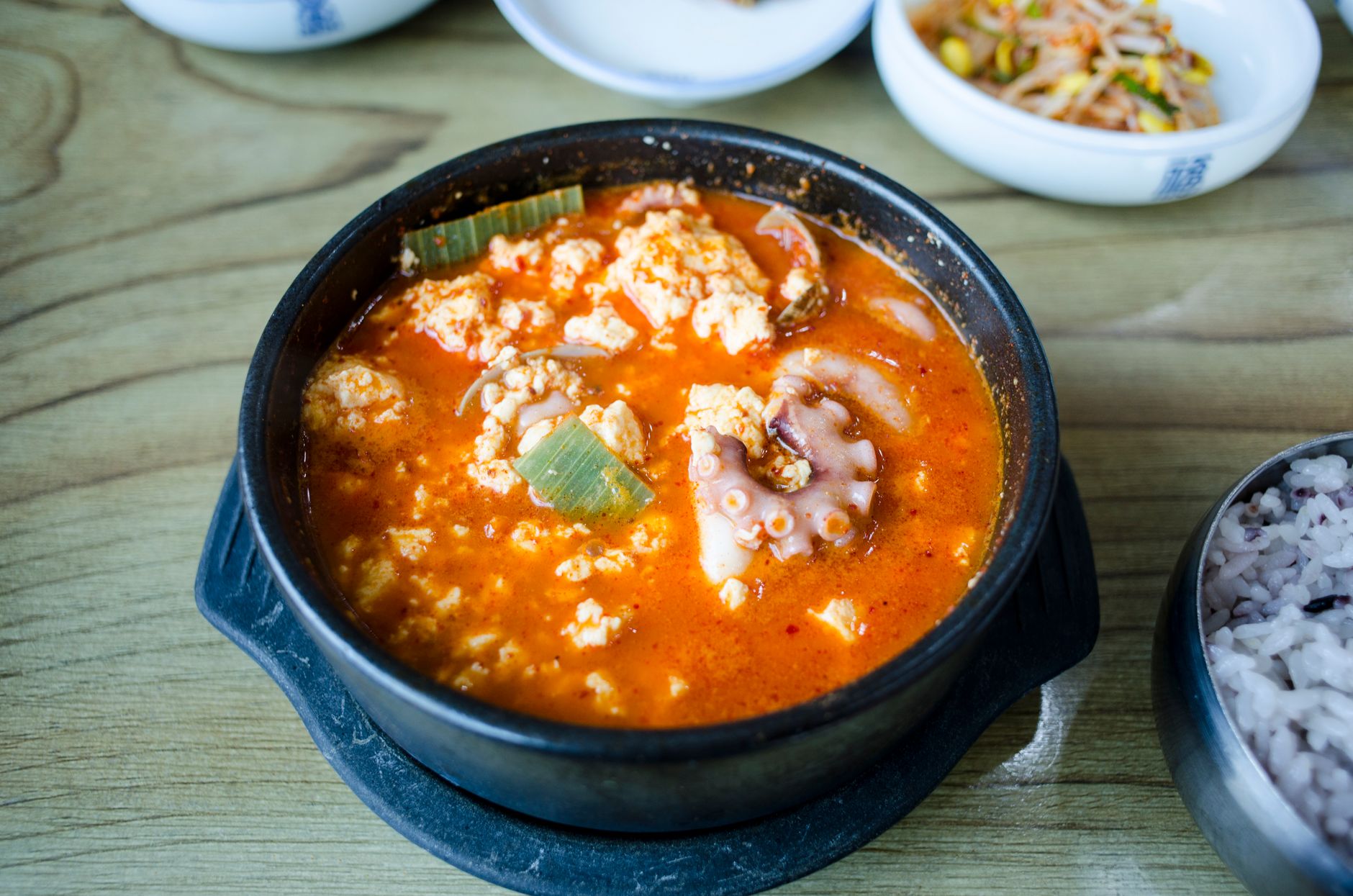
Apr 22, 2026Carolina Reaper Sundubu Jjigae (Nuclear Soft Tofu Stew)
A soul-warming Korean soft tofu stew that happens to pack enough Carolina Reaper heat to make your eyes water—in the best possible way. 45 min · 0 saves.
korean · hot
Apr 5, 2026Fire Chicken (Buldak) with Ghost Pepper Gochujang
An intensely spicy Korean fire chicken that pushes traditional buldak to scorching new heights with ghost pepper-infused gochujang and fresh habaneros. 45 min · 0 saves.
korean · medium
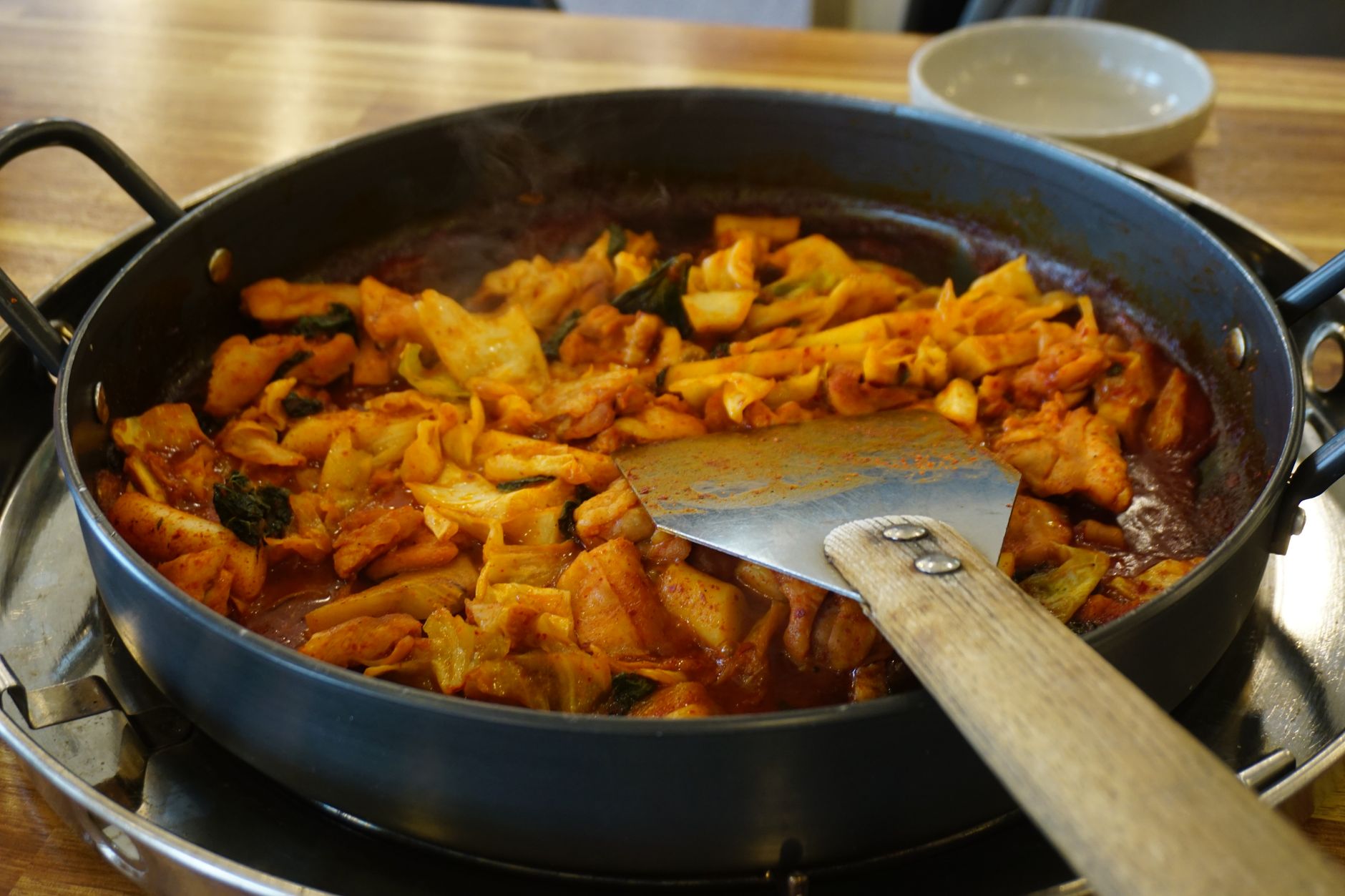
Apr 6, 2026Dak Galbi (Korean Spicy Stir-Fried Chicken)
A sizzling Korean stir-fry featuring tender chicken, crisp vegetables, and chewy rice cakes in a sweet-spicy gochujang glaze that delivers perfect medium heat. 35 min · 0 saves.
FlamingFoodies picks
Pantry, gear, and bottle picks that fit this meal
Everyday bottle
Yellowbird Habanero Hot Sauce
Bright carrot-habanero heat with enough body to work on eggs, tacos, and roasted vegetables. Best for breakfasts, tacos, and meal prep bowls.
View on AmazonNumbing heat
Fly By Jing Sichuan Gold
A more citrusy, peppercorn-leaning sauce when you want flavor movement instead of pure capsaicin. Best for dumplings, noodles, and fried eggs.
View on AmazonFrom the blog
More about this dish
Read more about the ingredients and cuisine.

culture
May 1, 2026Beyond Kimchi: Korean Spicy Dishes Taking Over Tables Right Now
Korean heat goes so much deeper than kimchi and gochujang. From sticky-sweet fire chicken to those impossibly addictive rice cakes, these dishes reveal why Korean spice mastery has completely won us over.

culture
Apr 22, 2026Five Korean Spicy Dishes That Are Changing How We Crave Heat
Korean spicy food doesn't just burn—it builds layers of heat that keep drawing you back for more. These five dishes show why fermented fire and gochujang glazes create the kind of cravings that make you rethink everything you thought you knew about spice.
Background guides
Read the guide behind the technique
Learn more about the cooking techniques used here.
Community notes
Reader discussion is shared across recipes, reviews, and editorial pieces.
Comments are read-only while member sign-in is paused.