
culture
Five Korean Spicy Dishes That Are Changing How We Crave Heat
Korean spicy food doesn't just burn—it builds layers of heat that keep drawing you back for more. These five dishes show why fermented fire and gochujang glazes create the kind of cravings that make you rethink everything you thought you knew about spice.

Share this
Pass it around
Send this page to a friend, copy the link, or save it to a Pinterest board.

Save for later
Pin this page
Save the image with a link back to this recipe, review, or article.
Korean spicy food doesn't just burn—it builds. While other cuisines might wallop you with straight capsaicin or sharp vinegar heat, Korean dishes weave together gochugaru, fermented pastes, and aromatic spice in ways that make you reach for another bite even as your tongue tingles. Sure, everyone's discovered gochujang and kimchi by now, but the real revelation is understanding how Korean cooks treat spice as foundational flavor, not an afterthought.
Fermented chili pastes, soybeans, and pickled vegetables contribute flavor as well as heat to many of these dishes.
Fermented Fire: Kimchi Jjigae and Its Cousins
Kimchi jjigae captures everything I love about Korean spice philosophy. The stew gets its heat from aged kimchi, which means those chili flavors have had time to mellow and deepen while keeping their bite. Fresh hot peppers hit you with immediate intensity, but fermented kimchi unfolds gradually and pairs naturally with that funky sourness that makes fermentation so addictive.
What makes kimchi jjigae brilliant is how it adapts to different heat tolerances without losing its soul. Kimchi that's been fermenting for weeks gives you more sourness and complexity with moderate heat. Fresher kimchi brings sharper chili flavor and more direct burn. Smart Korean cooks adjust spice levels by varying kimchi age rather than dumping in hot sauce, keeping everything integrated and harmonious.
Budae jjigae and sundubu jjigae follow the same playbook. They start with aged, spicy fermented ingredients—kimchi, gochujang, fermented soybean paste—then layer in proteins and vegetables that absorb and complement those deep flavors. The result is spicy food that feels nourishing rather than like punishment you're inflicting on yourself.
Gochujang Glazes: Sweet Heat That Sticks
Gochujang-based glazes have become the gateway drug for Korean heat, and rightfully so. This fermented chili paste brings sweetness, umami, and rounded heat that coats food without bulldozing your palate. Korean fried chicken with gochujang glaze shows this at its finest—the sauce clings to crispy skin, caramelizes under heat, and delivers spice that builds with each bite.
Gochujang's genius lies in its versatility. It works as a marinade for grilled meats, a glaze for roasted vegetables, or a base for stir-fry sauces with equal success. The fermentation process smooths out harsh chili edges, creating heat that plays beautifully with sweet and savory elements.
Home cooks love gochujang because it behaves predictably. Unlike hot sauces that turn bitter when cooked or fresh chilies that vary wildly in intensity, gochujang delivers consistent results. Thin it with rice vinegar for lighter coating, mix it with honey for extra caramelization, or combine it with soy sauce and sesame oil for more complex marinades.
Mapo-Style Heat: Numbing Complexity
The Korean take on mapo-style dishes—particularly mapo tofu—shows how Korean cooks adapt and intensify heat concepts from other cuisines. Korean mapo tofu typically uses gochugaru and sometimes Sichuan peppercorns to create numbing, layered heat that's different from both traditional Chinese mapo tofu and standard Korean spicy dishes.
This style represents Korean cooks' willingness to experiment beyond traditional gochugaru and gochujang. Combining Korean chili flakes with numbing spices creates complex sensory experiences—your mouth processes multiple types of heat and sensation simultaneously.
The technique works particularly well with silky ingredients like soft tofu or glass noodles that absorb spiced oil while providing textural contrast to the intensity. Korean cooks often finish these dishes with sesame oil and scallions, providing aromatic relief from the heat while maintaining overall intensity.
Dry-Fried Intensity: Buldak and Tteokbokki Evolution
Buldak—literally "fire chicken"—represents the aggressive end of Korean spicy food, but even here, the approach goes beyond simple heat bombing. Traditional buldak combines gochujang and gochugaru, often with touches of corn syrup or sugar that help sauce cling to chicken while providing contrast to the heat.
Modern tteokbokki has evolved beyond traditional sweet-spicy sauce to include seriously hot versions. Those chewy rice cakes absorb whatever sauce they're swimming in, making them ideal vehicles for intense flavors. Spicy tteokbokki works because the rice cakes provide substance and texture that can stand up to aggressive seasoning without folding.
Both dishes show Korean cooks' understanding of how texture interacts with heat. Buldak chicken gets cut into bite-sized pieces that maximize surface area for spicy coating. Tteokbokki's cylindrical rice cakes have enough chew to slow down eating, preventing heat from becoming overwhelming too quickly.
Building Heat Tolerance the Korean Way
Korean spicy food culture offers a more sustainable approach to building heat tolerance than the shock-and-awe method of extremely hot peppers. Instead of obsessing over Scoville units, Korean dishes teach your palate to appreciate heat as one component of complex flavor profiles.
Here's how to approach Korean spicy dishes if you're building heat tolerance:
- Start with kimchi jjigae made with well-aged kimchi for mellower heat
- Try gochujang-glazed proteins before moving to straight gochujang applications
- Use banchan like pickled radish to cleanse your palate between bites
- Focus on dishes with substantial starch components like rice or noodles that provide relief
The goal isn't proving you can handle the hottest possible food, but developing appreciation for how heat enhances other flavors. Korean cuisine excels at this balance, which is why these dishes create genuine cravings rather than just memorable burn experiences.
Korean spicy food works because it respects both the heat and the eater. The best dishes understand that sustainable spice—the kind that keeps you coming back—comes from complexity and balance rather than pure intensity. Whether you're building tolerance or already love serious heat, Korean approaches to spicy food offer techniques and flavor combinations that will fundamentally change how you think about cooking with chilies.
Peppers featured in this post
Cook with this idea
Recipes to try next.
Put these ingredients and techniques to use in your next meal.
korean · medium
Apr 14, 2026Korean Spicy Pork Bulgogi (Daeji Bulgogi)
Tender marinated pork shoulder grilled with gochujang and Korean pear, delivering authentic medium heat with sweet and savory balance. 32 min · 0 saves.
korean · medium
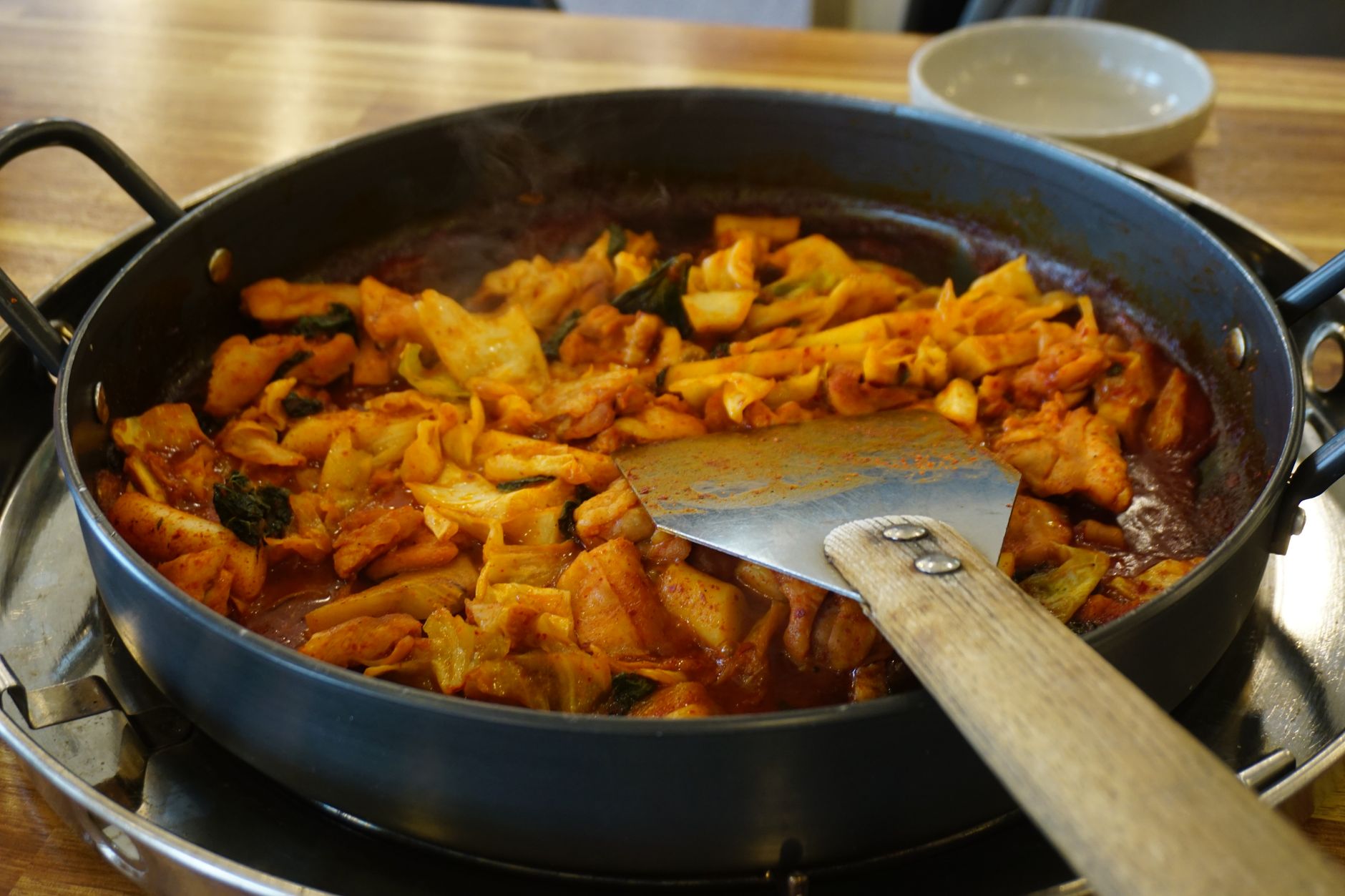
Apr 6, 2026Dak Galbi (Korean Spicy Stir-Fried Chicken)
A sizzling Korean stir-fry featuring tender chicken, crisp vegetables, and chewy rice cakes in a sweet-spicy gochujang glaze that delivers perfect medium heat. 35 min · 0 saves.

korean · mild
Sep 6, 2026Gochujang-Glazed Chicken Wings
Tender, glossy chicken wings coated in a mild gochujang glaze with sesame and garlic. The heat is gentle and rounded, never sharp—perfect for sharing without worry about tolerance gaps at the table. 50 min · 0 saves.
Bottle picks
Related hot sauce reviews.
Explore sauces with related ingredients, flavors, and heat levels.
Fly By Jing Sichuan Gold Review
A citrusy, tingly sauce with real peppercorn presence and enough versatility to move beyond dumplings.
Best for dumplings
Best for: Eggs and breakfast tacos
Skip if: Skip if you want a thick, smoky wing sauce more than a bright finishing bottle.
Read review
Mike's Hot Honey Review
Sweet heat done right: sticky, quick, and versatile enough to become a finishing move instead of a novelty.
Best for gifting
Best for: Pizza and fried chicken
Skip if: Skip if you want a classic vinegar-forward table sauce with almost no sweetness.
Read review
Heatonist Los Calientes Rojo Review
Heatonist Los Calientes Rojo: flavor notes, heat level, and suggested food pairings.
Best for tacos
Best for: Tacos and rice bowls
Skip if: Skip if you are chasing a novelty-level heat hit or a super-special-occasion bottle.
Read review
Go deeper
Background guides that build on this.
Keep reading
More on this subject.
If this post helped, these are the next pieces most likely to keep the thread going.

culture
May 1, 2026Beyond Kimchi: Korean Spicy Dishes Taking Over Tables Right Now
Korean heat goes so much deeper than kimchi and gochujang. From sticky-sweet fire chicken to those impossibly addictive rice cakes, these dishes reveal why Korean spice mastery has completely won us over.
culture
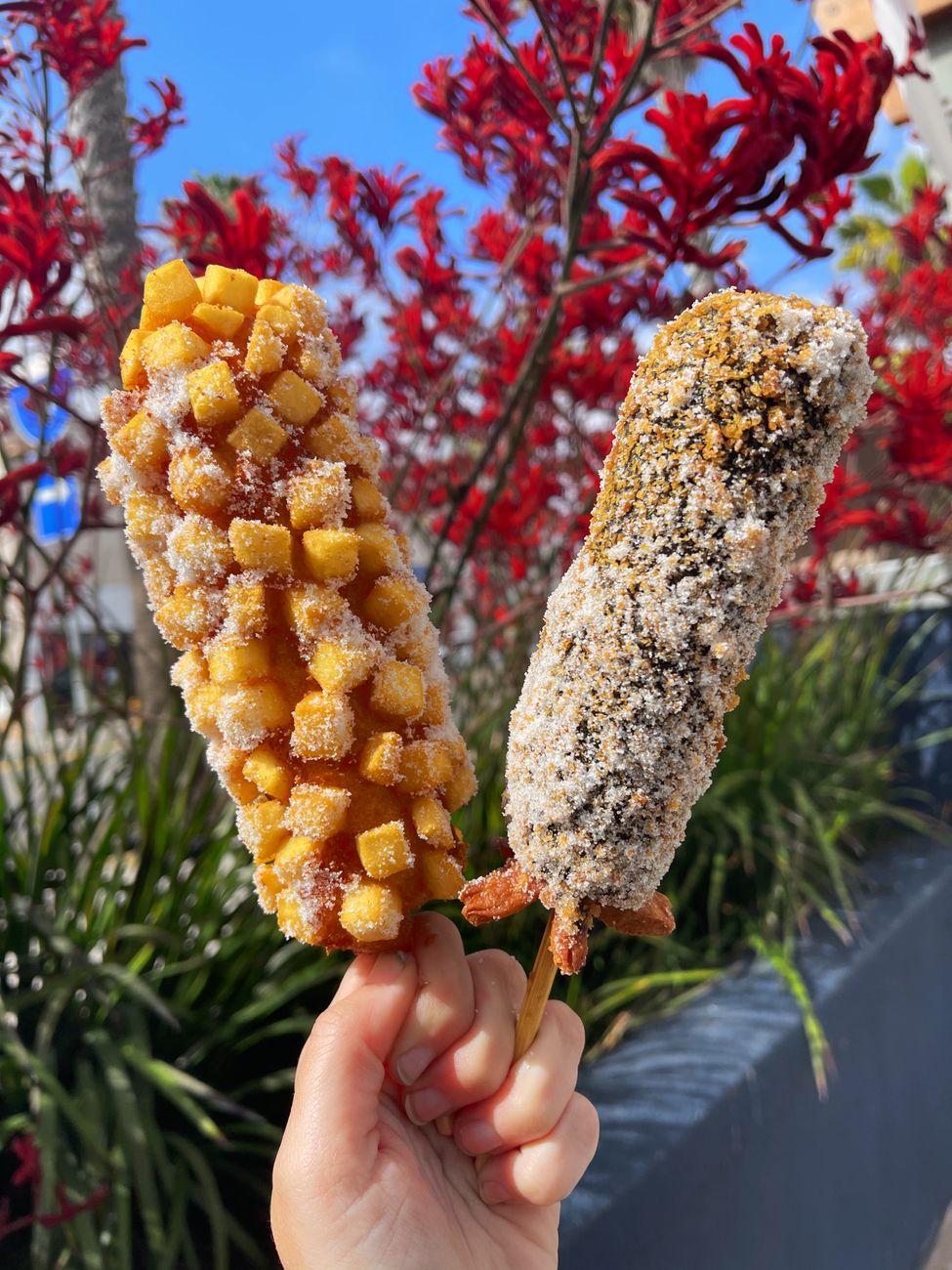
Apr 15, 2026Why Korean Corn Dogs and Army Stew Are Having a Spicy Moment
From gochujang-glazed corn dogs to bubbling budae-jjigae, Korean comfort foods are redefining how we think about approachable heat. Here's what makes these dishes so craveable right now.
culture
Oct 20, 2026Why Spicy Greek Dishes Are Having a Moment
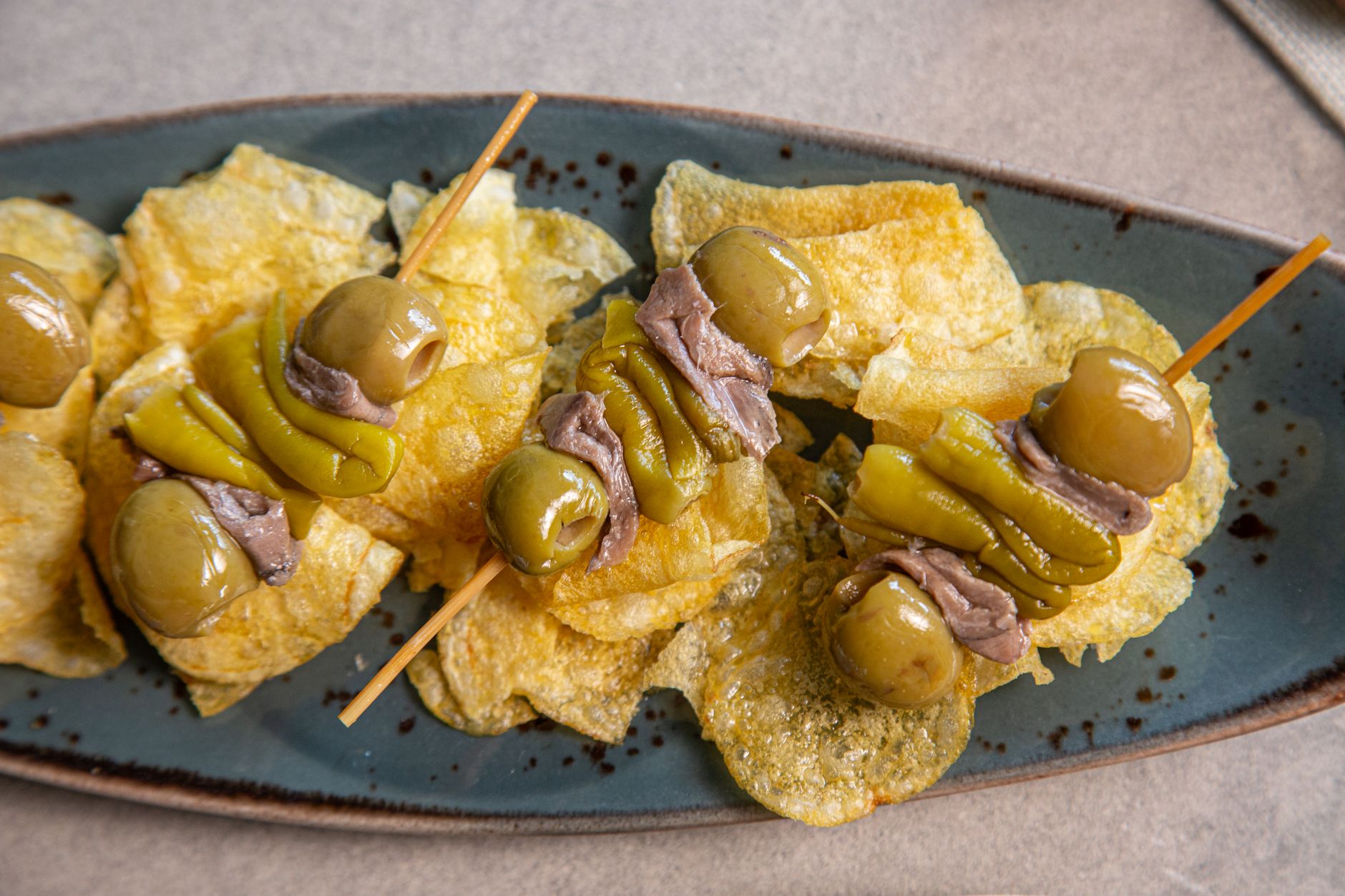
Greek cooking has always built heat into its foundations. Florina peppers, Aleppo chilies, and fresh green varieties have shaped regional cooking for centuries—and now diners are discovering what Greek tables have always known.
Comments
Reader discussion is shared across recipes, reviews, and editorial pieces.
Comments are read-only while member sign-in is paused.