
culture
Italy's Spiciest Regional Dishes Are Having a Moment—And We're Here for It
The best spicy Italian dishes understand something most American cooking misses: heat should enhance flavor, not overpower it. From Calabrian 'nduja that melts into silky pasta sauces to properly fiery Roman arrabbiata, these regional classics are finally getting their due in our kitchens.
Share this
Pass it around
Send this page to a friend, copy the link, or save it to a Pinterest board.

Save for later
Pin this page
Save the image with a link back to this recipe, review, or article.
The Calabrian Heat Wave That's Conquering America
Calabria sits at the toe of Italy's boot, baking in southern sun that produces some of the country's most remarkable peppers. Right now, their signature preparations are turning up everywhere—and once you taste real 'nduja or properly made calabrian chile oil, you'll understand why.
The region's cooking doesn't apologize for heat. Instead, it builds entire dishes around the fruity burn of calabrian chiles and that gorgeous, spreadable 'nduja that's become every smart chef's secret weapon.
Let's talk about 'nduja, because this soft, fiery salumi deserves your attention. It spreads like the world's best butter but delivers the concentrated soul of dried calabrian peppers mixed with pork fat and salt. When you cook with it, 'nduja melts into pasta water or pizza sauce, creating this beautiful orange-red slick that coats every strand, every surface, with warmth that builds slowly and stays with you. It's not about proving anything—it's about flavor that happens to pack serious heat.
Calabrian chile oil has finally escaped the specialty store ghetto, and thank goodness. These small, round peppers deliver more complexity than seems possible: bright acidity, genuine fruitiness, then a clean burn that enhances rather than punishes. Mixed with good olive oil, they become the condiment you'll want on everything—eggs, grilled vegetables, simple pasta that needs a spark.
Roman Classics That Actually Bring the Fire
Rome gave us some of Italy's most beloved pasta dishes, but somewhere along the way to American tables, we lost the plot. The real Roman preparations don't mess around, especially penne all'arrabbiata and the quietly brilliant aglio, olio e peperoncino.
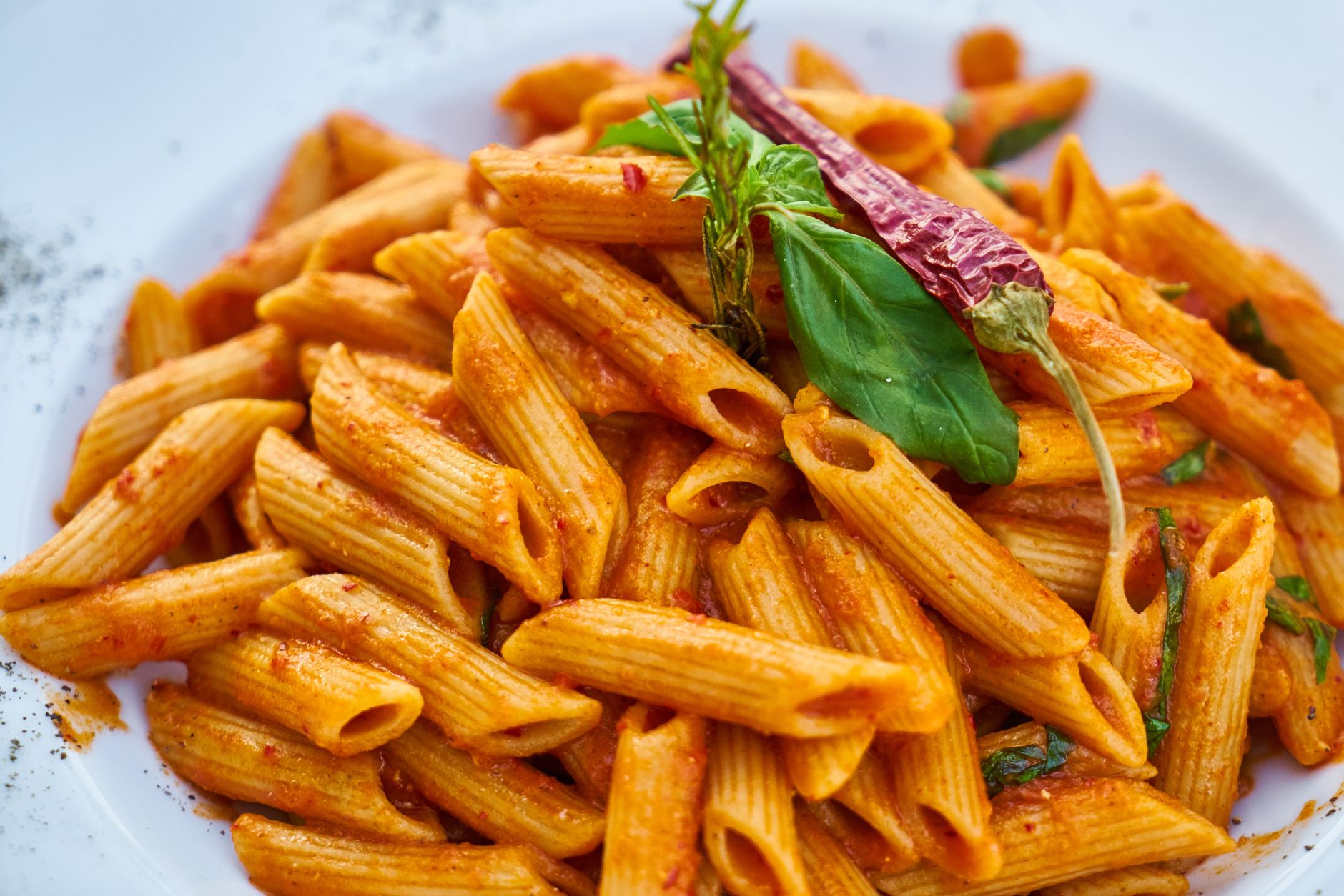
Arrabbiata means "angry" for a reason. Proper versions use enough dried red pepper to make the tomato sauce genuinely spicy—the kind that makes you reach for your wine glass and think, "Oh, now I get it." Romans build this sauce with good canned tomatoes, garlic, and a confident hand with peperoncino. If you're not feeling the heat, you're not making arrabbiata.
Aglio, olio e peperoncino shows Roman cooking at its most essential and most demanding: pasta tossed with olive oil, garlic, and enough red pepper to create real warmth. When it's done right, the oil shimmers with chile-infused gold, and each bite delivers heat that builds throughout the meal. This isn't a dish you can fake your way through—the balance demands both attention and nerve.
The Sicilian Approach: Heat That Makes Sense
Sicilian cooks figured out something crucial about spice: heat works best when it's part of a conversation, not a monologue. The island's position created a cuisine that weaves together African, Arab, and Italian influences, often with thoughtful heat as the thread connecting everything.
Those Instagram-famous arancini filled with spicy sausage and 'nduja? They're not just pretty—they represent something essential about Sicilian thinking. The heat balances all that fried rice and cheese richness, creating contrast that makes every component sing louder.
Sicilian caponata shows this philosophy in action. Traditional versions include enough red pepper flakes to create warmth that dances with the sweet-sour tomato and vinegar base. The heat doesn't dominate—it keeps the dish from becoming too rich and adds depth that lingers.
Pasta alla norma gets the same treatment in its homeland. While American versions often skip the spice entirely, Sicilian cooks know that peperoncino cuts through rich eggplant and aged ricotta, bringing the vegetable flavors forward instead of burying them.
Why These Dishes Work for Every Heat Level
Here's what I love about Italian spicy cooking: it's not built around endurance tests or bragging rights. These dishes start with flavor profiles that happen to include meaningful heat, which means you can adjust the fire without losing the soul.
Some practical wisdom for adapting these recipes:
- Start conservative: Use half the chile amount and build up—you can always add more
- Invest in good peppers: Calabrian chiles offer complexity that basic red pepper flakes can't match
- Seeds are optional: Remove them to keep pepper flavor while taming intensity
- Make heat personal: Serve additional chile oil or pepper flakes alongside
The secret is understanding that these dishes rely on the fruity, nuanced flavor of proper peppers, not just generic burn. When you use quality chiles—real calabrian peppers, potent peperoncino, well-made 'nduja—the heat enhances other flavors instead of steamrolling them.
Building Your Italian Spice Pantry
You don't need to hunt down some impossibly obscure importer to work with these dishes, but you do need to be thoughtful about your ingredients. Focus on finding calabrian peppers in good olive oil, 'nduja from a producer who takes it seriously, and dried peperoncino that still smells alive when you crush it.
Calabrian chile paste offers more flexibility than whole peppers for most home cooking. A small jar stretches surprisingly far when stirred into tomato sauces, whisked with olive oil for pasta, or dabbed on pizza before it hits the oven. 'Nduja keeps beautifully in the refrigerator and transforms the ordinary—scrambled eggs, simple pasta, white pizza—into something you'll remember.
These Italian spice traditions offer something our American hot sauce culture sometimes misses: heat as an essential part of balanced cooking, not an afterthought or a dare. When you taste properly made arrabbiata or pasta dressed with real calabrian chile oil, the spice feels inevitable—not because it's tame, but because it belongs.
Peppers featured in this post
Cook with this idea
Recipes to try next.
Put these ingredients and techniques to use in your next meal.
italian · medium
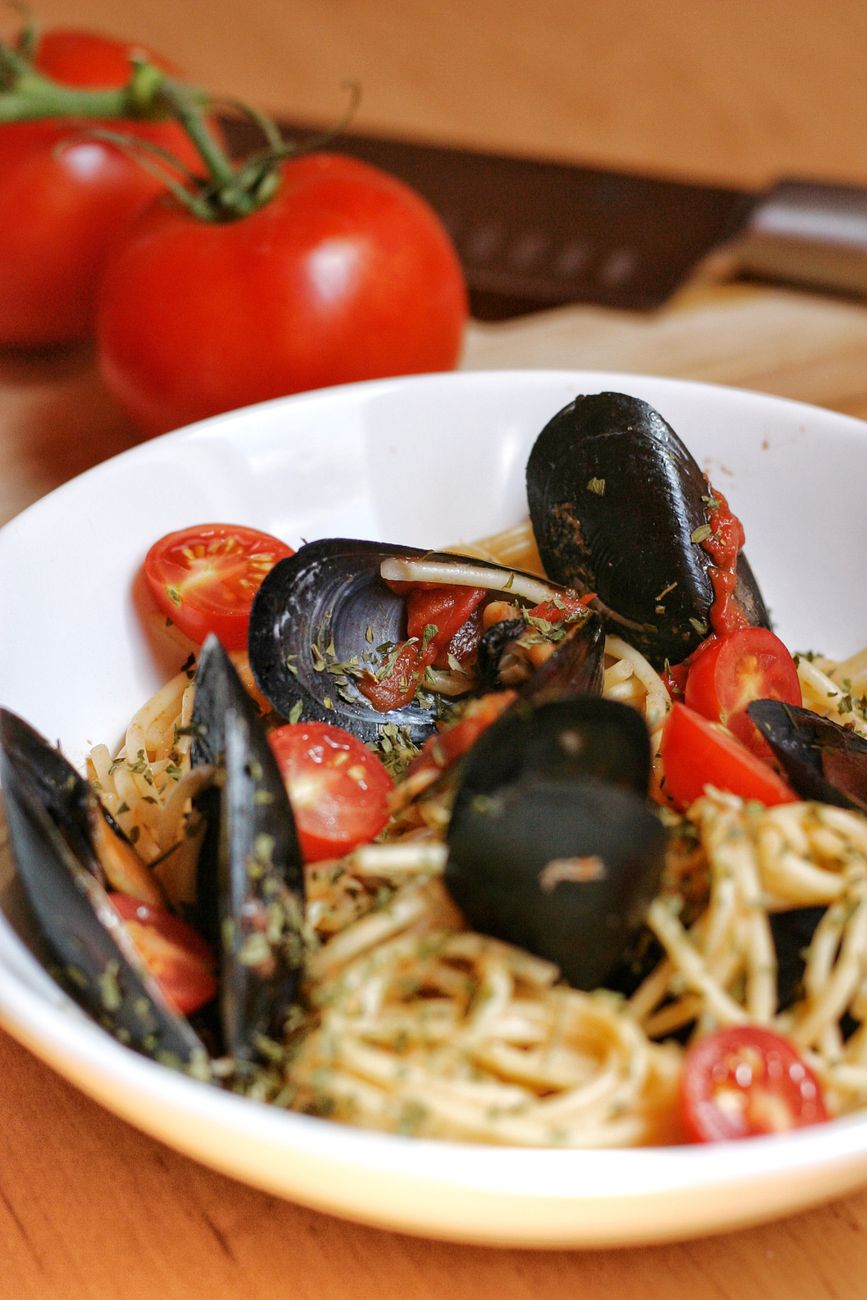
Jun 10, 2026Spaghetti all'Arrabbiata with Mussels
Fresh mussels tossed with spicy arrabbiata sauce and spaghetti for a fiery Roman-style seafood pasta that balances briny sweetness with cayenne heat. 35 min · 0 saves.

italian · medium
Mar 25, 2026Calabrian Chili Vodka Rigatoni
Creamy rigatoni with tomato depth, Calabrian chile fruitiness, and enough heat to keep it from tasting too plush. 35 min · 477 saves.
italian · hot
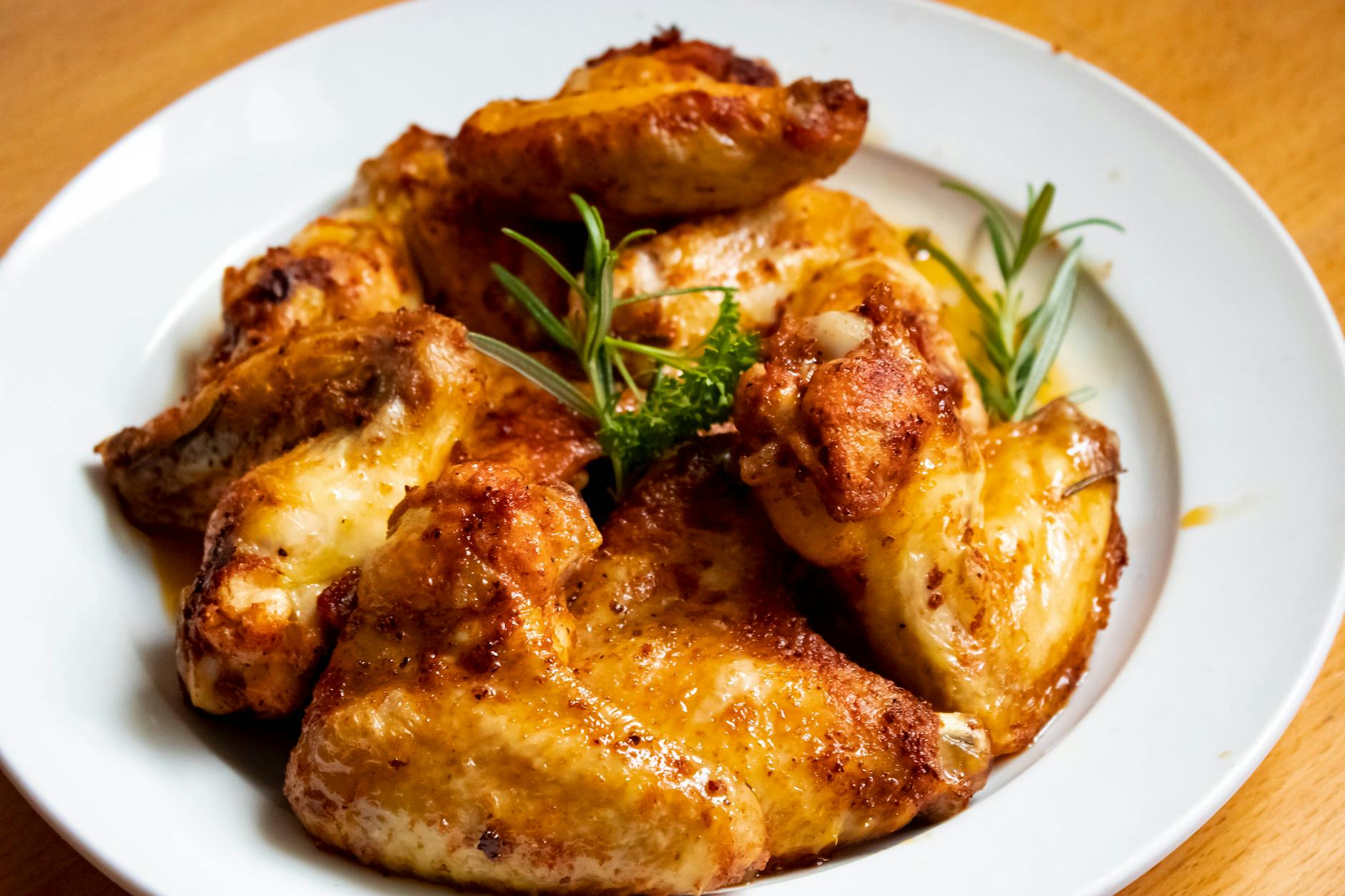
May 15, 2026Calabrian Chile Wings with Spicy Honey Glaze
Chicken wings tossed in a fiery Calabrian chile paste and finished with hot honey for the kind of heat that builds beautifully with each bite. 60 min · 0 saves.
Bottle picks
Related hot sauce reviews.
Explore sauces with related ingredients, flavors, and heat levels.
Fly By Jing Sichuan Gold Review
A citrusy, tingly sauce with real peppercorn presence and enough versatility to move beyond dumplings.
Best for dumplings
Best for: Eggs and breakfast tacos
Skip if: Skip if you want a thick, smoky wing sauce more than a bright finishing bottle.
Read review
Mike's Hot Honey Review
Sweet heat done right: sticky, quick, and versatile enough to become a finishing move instead of a novelty.
Best for gifting
Best for: Pizza and fried chicken
Skip if: Skip if you want a classic vinegar-forward table sauce with almost no sweetness.
Read review
Heatonist Los Calientes Rojo Review
Heatonist Los Calientes Rojo: flavor notes, heat level, and suggested food pairings.
Best for tacos
Best for: Tacos and rice bowls
Skip if: Skip if you are chasing a novelty-level heat hit or a super-special-occasion bottle.
Read review
Go deeper
Background guides that build on this.
Keep reading
More on this subject.
If this post helped, these are the next pieces most likely to keep the thread going.

culture
Oct 11, 2026Spicy Italian Cooking Right Now: What's Driving the Heat
Calabrian chilis and peperoncini are reshaping how Italian cooks approach heat. Learn which peppers matter, how they're used across Southern Italy, and how to choose between whole, powdered, fresh, and oil-packed forms.

culture
Jun 15, 2026Four Middle Eastern Heat Styles That Should Be on Your Radar Right Now
From harissa's patient burn to zhug's bright herb-fire, these Middle Eastern heat styles teach us that the best spicy food builds complexity alongside warmth—and they'll change how your family thinks about heat.
culture
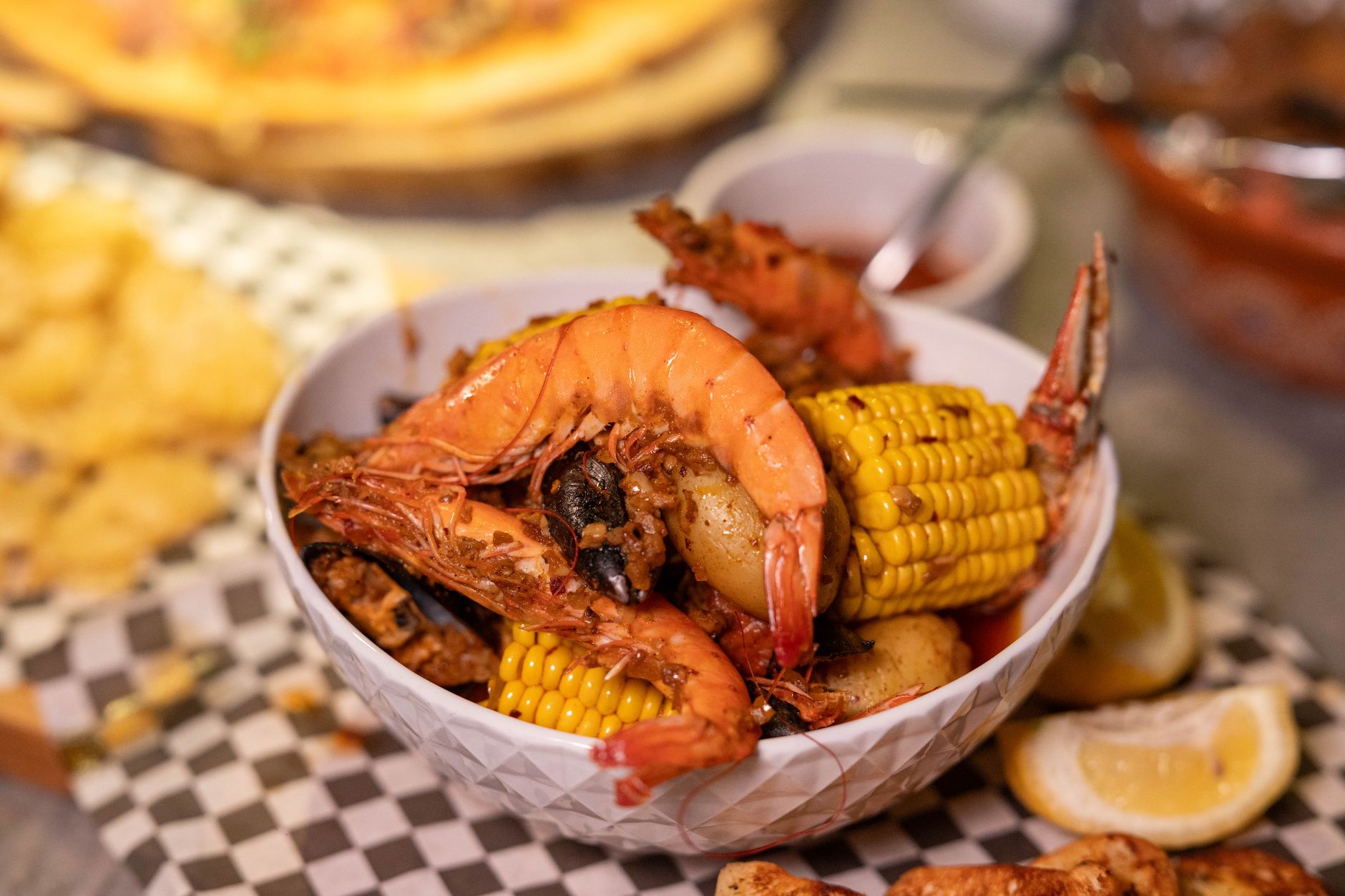
Jun 13, 2026Boudin, Crawfish Boils, and Cajun-Inspired Dishes
Boudin, crawfish boils, and Cajun-inspired dishes offer different textures and seasoning choices, from rice sausage to spiced seafood.
Comments
Reader discussion is shared across recipes, reviews, and editorial pieces.
Comments are read-only while member sign-in is paused.