
science
Tantanmen, Mapo Tofu, and Spicy Karaage
Sesame, fermented chili paste, and crisp coatings play different roles in tantanmen, mapo tofu, and spicy karaage.
Share this
Pass it around
Send this page to a friend, copy the link, or save it to a Pinterest board.

Save for later
Pin this page
Save the image with a link back to this recipe, review, or article.
Tantanmen, Mapo Tofu, and Spicy Karaage
Japanese spicy dishes tend to build heat in layers rather than delivering one blast of chile. Tantanmen, mapo tofu, and spicy karaage all lean on the same toolkit: fermented pastes, sesame and pork fat, textural contrast, and a mix of hot and cold elements. Here's how each ingredient and technique contributes to the final bowl.
The Tantanmen Bowl: Sesame Meets Sichuan Heat
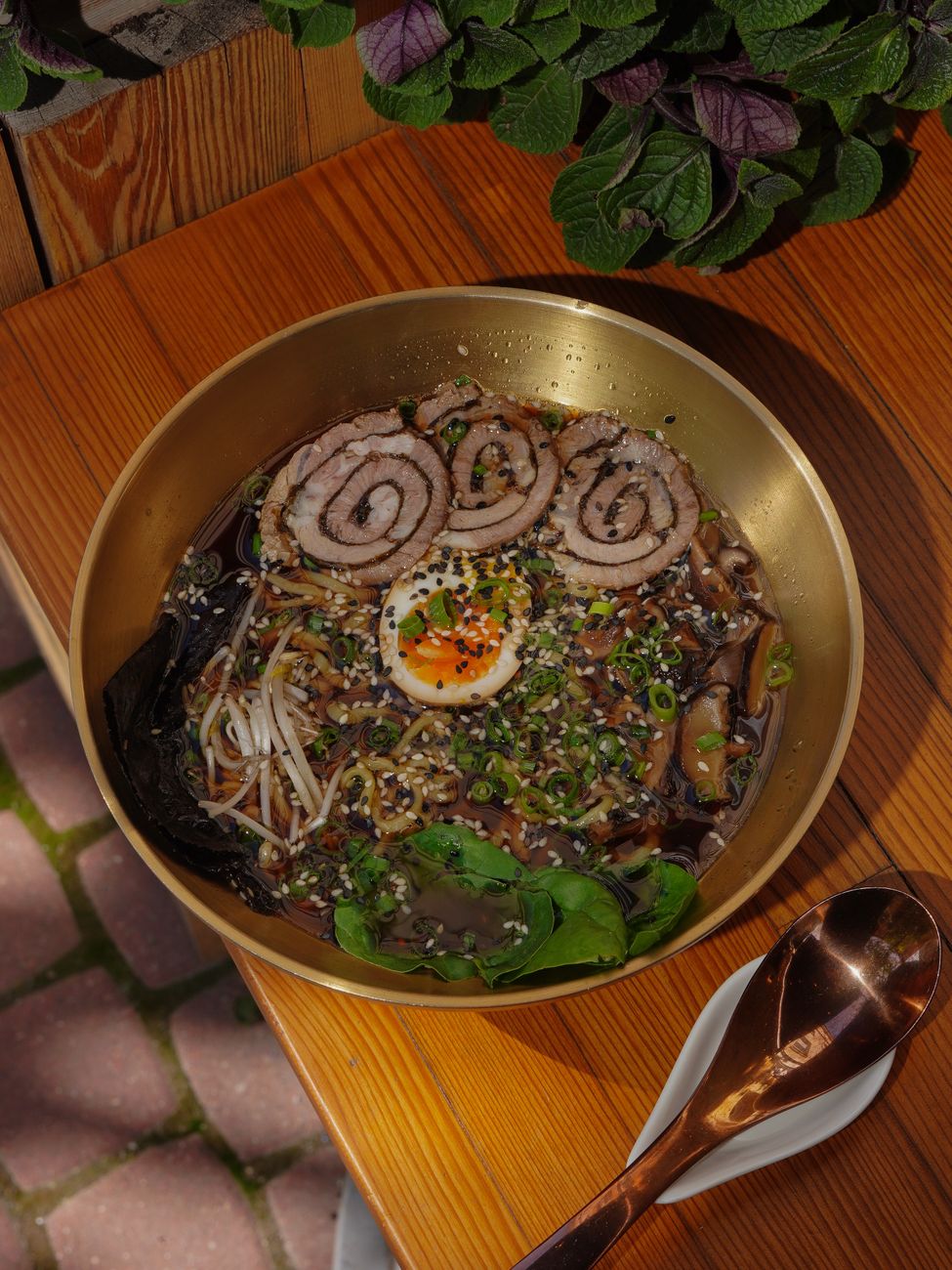
Tantanmen is a Japanese adaptation of Chinese dandan noodles, and it layers flavor the way a good broth should: sesame and miso form the base, while Sichuan peppercorns add a tingling, numbing note on top.
The sesame tahini base carries the other flavors and softens the direct hit of chile heat, which is part of why the dish stays easy to eat bite after bite. Sichuan peppercorns bring their signature málà sensation, a tingly numbness that's distinct from straightforward chile burn.
The ground pork scattered through the bowl adds a savory, meaty depth from its natural glutamates. The alkaline ramen noodles have a springy bite that holds up against the rich broth, so the noodles and broth stay distinct rather than blending into one texture.
Serving temperature matters here: broth releases more aroma while it's hot, so a bowl of tantanmen smells and tastes noticeably different once it cools. That's a good reason to eat it while it's still steaming.
Mapo Tofu's Textural Contrast
Mapo tofu relies on textural contrast to carry its heat. Silky tofu cubes soften the impact of the chile oil and give the palate a break between bites of spicier sauce.
The sauce is built on doubanjiang, a fermented broad bean paste that adds a deep, savory funk underneath the heat. Its fermented complexity balances the chile oil rather than competing with it.
Japanese versions often add white miso, which deepens the umami base further. Some versions finish with sansho pepper instead of Sichuan peppercorn, for a sharper, more citrusy note with its own numbing effect.
The texture plan is straightforward:
- Silky tofu soaks up flavor while cooling the mouth between bites
- Minced pork adds concentrated, meaty bites
- Scallions add vegetal crunch that cuts through the richness
- Pooled sauce means each bite can hit a slightly different heat level
That variety keeps the dish from feeling repetitive as you work through the bowl.
Spicy Karaage: Crunch and Chile Together
Spicy karaage works differently from a soupy dish like tantanmen or mapo tofu. The crisp exterior gives an audible, textural cue before you even taste the chile underneath.
Shops that layer their heat well use gochujang or doubanjiang in the marinade, dust the coating with togarashi before frying, and finish with spicy mayo or chile oil. Each layer hits at a slightly different point in the bite, rather than delivering one uniform level of heat.
The frying oil also carries the chile's heat throughout the coating, so it lingers longer across the piece than heat suspended in a broth would.
Japanese chile oils used as a finishing touch are built from more than just chiles: garlic, ginger, star anise, and other aromatics round out the flavor so the oil reads as a blend rather than pure heat.
What Ties These Dishes Together
These dishes don't rely on raw chile intensity alone. They build the sense of heat through a few consistent techniques.
Umami ingredients, miso, soy sauce, fermented pastes, round out the broth or sauce and balance the sharper edges of the chile.
Fat plays a similar role. Sesame oil, pork fat, and the oil used for frying help spread the chile's flavor evenly through the dish rather than concentrating it in one spot.
Temperature contrast is a deliberate technique too: cold garnishes like scallions or cucumber offer a break, while hot broth or freshly fried pieces deliver concentrated heat. Alternating between the two keeps the dish interesting from first bite to last.
Some ingredients also shift as you eat. Sichuan peppercorns start with heat and settle into a lingering numbness. Fermented pastes reveal different notes as the dish cools or warms in the bowl.
These are techniques worth noticing next time you're deciding how to build heat into your own cooking, whether that's a weeknight tantanmen or a pot of mapo tofu.
Cook with this idea
Recipes to try next.
Put these ingredients and techniques to use in your next meal.

japanese · medium
Jun 7, 2026Spicy Karaage Chicken Rice Bowl with Togarashi Mayo
Crispy Japanese fried chicken glazed with sweet-spicy sauce over seasoned rice, topped with crunchy vegetables and creamy togarashi mayo. 40 min · 0 saves.
japanese · medium
Apr 30, 2026Shichimi Togarashi Katsu Burger with Spicy Mayo
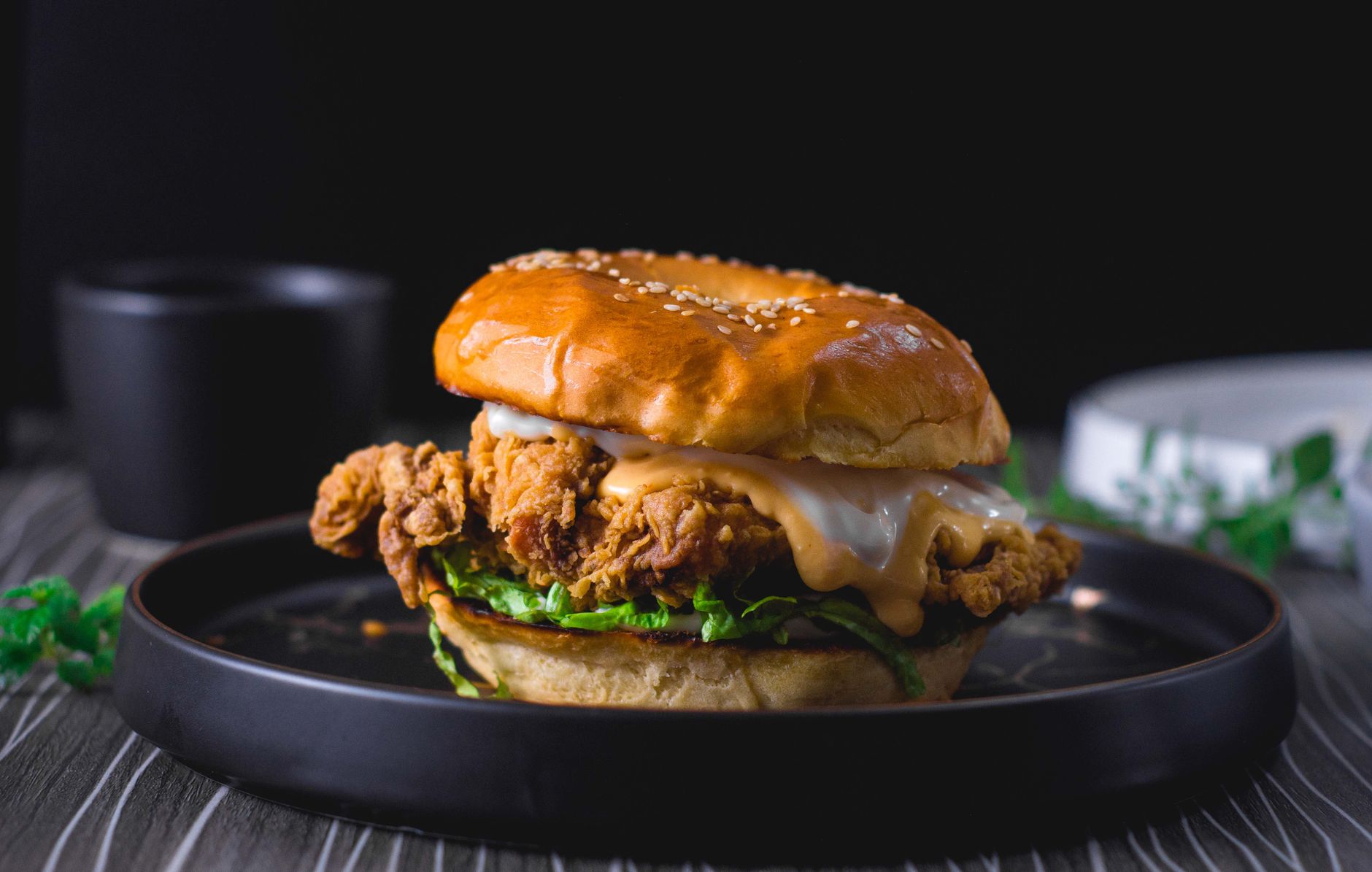
Crispy chicken katsu meets American comfort food in this Japanese-inspired burger, with shichimi togarashi adding aromatic heat and homemade spicy mayo bringing everything together. 40 min · 0 saves.

japanese · medium
Apr 14, 2026Spicy Miso Ramen with Togarashi Oil
Rich, warming ramen with fermented chili-miso broth and aromatic togarashi oil that builds gentle heat with each spoonful. 70 min · 0 saves.
Bottle picks
Related hot sauce reviews.
Explore sauces with related ingredients, flavors, and heat levels.
Fly By Jing Sichuan Gold Review
A citrusy, tingly sauce with real peppercorn presence and enough versatility to move beyond dumplings.
Best for dumplings
Best for: Eggs and breakfast tacos
Skip if: Skip if you want a thick, smoky wing sauce more than a bright finishing bottle.
Read review
Heatonist Los Calientes Rojo Review
Heatonist Los Calientes Rojo: flavor notes, heat level, and suggested food pairings.
Best for tacos
Best for: Tacos and rice bowls
Skip if: Skip if you are chasing a novelty-level heat hit or a super-special-occasion bottle.
Read review
Yellowbird Habanero Hot Sauce Review
A bright, carrot-forward bottle with enough heat to stay lively and enough sweetness to stay versatile.
Best for tacos
Best for: Tacos and rice bowls
Skip if: Skip if you want a classic vinegar-forward table sauce with almost no sweetness.
Read review
Go deeper
Background guides that build on this.
Keep reading
More on this subject.
If this post helped, these are the next pieces most likely to keep the thread going.
science
Oct 9, 2026Why Japanese Spicy Dishes Have Become Impossible to Put Down
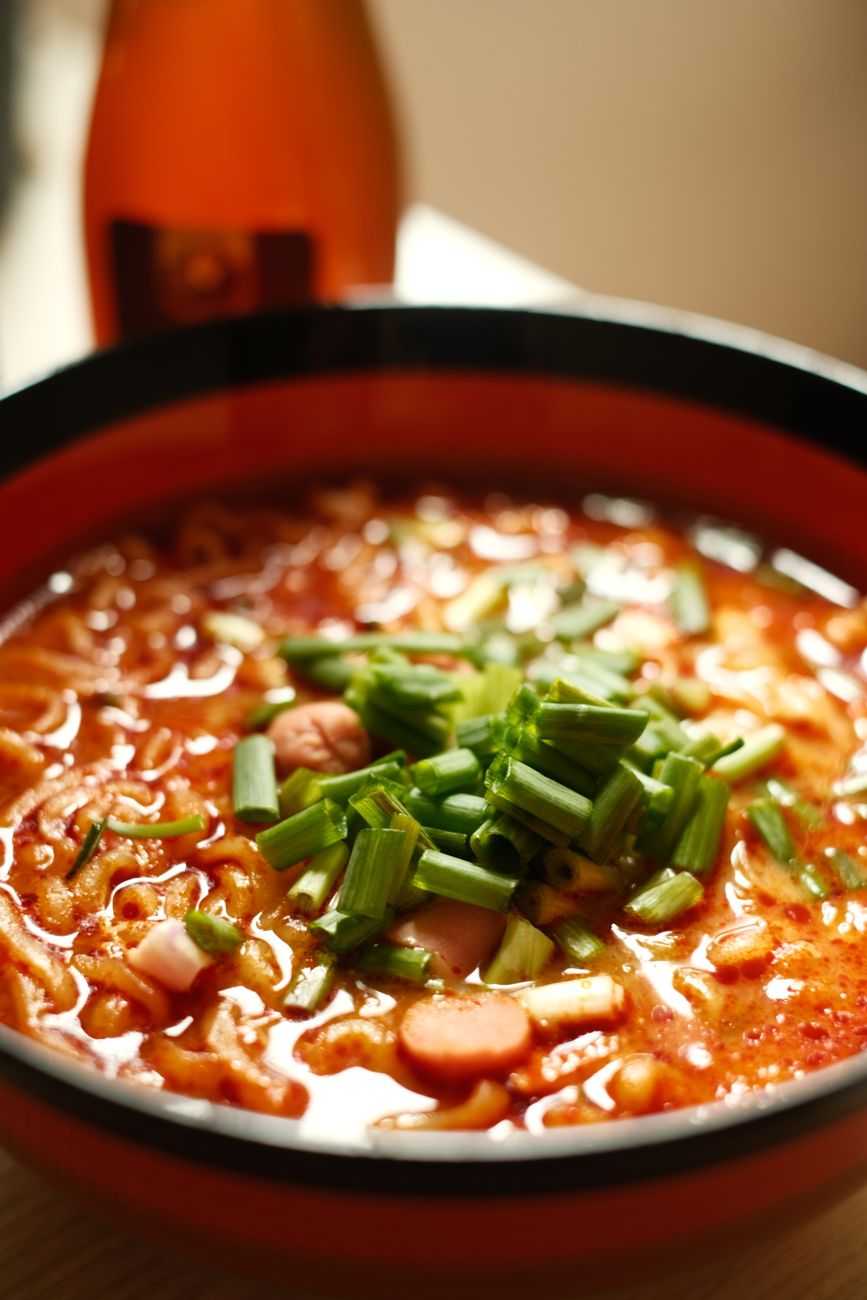
Japanese cooks have long used chili as an accent, but the current wave of spicy dishes—ramen, miso-based bowls, karaage—works because heat is layered with umami, fat, and salt. Learn how capsaicin behaves in oil versus broth, why rayu (chili oil) builds flavor rather than just fire, and how multiple applications of heat keep a dish craveable instead of numbing.
science
May 31, 2026Miso, Sesame, and Fermented Chili Pastes in Japanese-Inspired Dishes
Miso, sesame, dashi, and fermented chili pastes provide a savory base for Japanese-inspired noodle bowls and other spicy dishes.
science
May 9, 2026Japanese Spicy Noodles: Miso, Sesame, and Chili Seasonings
Miso, sesame, chili oil, and mustard give Japanese spicy noodle dishes different kinds of seasoning. Compare their uses at the table.
Comments
Reader discussion is shared across recipes, reviews, and editorial pieces.
Comments are read-only while member sign-in is paused.