
science
Japanese Spicy Noodles: Miso, Sesame, and Chili Seasonings
Miso, sesame, chili oil, and mustard give Japanese spicy noodle dishes different kinds of seasoning. Compare their uses at the table.

Share this
Pass it around
Send this page to a friend, copy the link, or save it to a Pinterest board.

Save for later
Pin this page
Save the image with a link back to this recipe, review, or article.
Japanese spicy food works differently than the straightforward chili burn many of us grew up with. Korean gochujang delivers familiar fire, and Sichuan peppercorns bring their tingling numbness, but Japanese heat is built more gradually—layered and balanced with the other flavors in the dish rather than set apart from them.
The heat in dishes like tantanmen or karashi ramen doesn't just flare up and fade. It shifts as you eat, changing alongside the broth, fat, and aromatics on the spoon, so each bite tastes a little different from the last.
The Umami-Heat Dance That Makes Everything Better
Japanese spicy cooking leans heavily on umami alongside the peppers. This savory fifth taste was first identified by Japanese scientist Kikunae Ikeda in 1908, and it's central to how heat is balanced in dishes like tantanmen and spicy miso ramen.
Tantanmen, Japan's adaptation of Chinese dan dan noodles, shows this clearly. The dish combines sesame paste, miso, and chili oil: miso's glutamates deepen the nutty sesame richness, while the chili oil adds a gentle heat that sits alongside the other flavors rather than overpowering them.
A well-made bowl of tantanmen balances these elements so the heat doesn't overwhelm the other flavors. Kombu seaweed and aged miso both contribute glutamates that round out the broth's savoriness alongside the chili oil's heat.
Karashi ramen takes a different approach. Japanese mustard delivers a sharp heat that hits the sinuses first, then fades quickly, in contrast to the slower building burn of chili-based dishes. That quick, sinus-forward intensity is part of what makes karashi ramen feel distinct from other spicy ramen styles.
How Fermentation Builds Better Heat
Fermentation changes how spicy condiments taste compared to fresh chilies. Fermented chili pastes, like those used in Japanese-style mapo tofu, add tang and depth from the fermentation process itself, not just heat.
Fermentation breaks down proteins into amino acids, which is part of why fermented chili pastes taste more savory than fresh chili alone.
Shichimi togarashi, Japan's beloved seven-spice blend, shows this principle beautifully. The mixture typically includes:
- Red chili flakes for straightforward heat
- Sansho pepper for tingling, citrusy notes
- Dried orange peel for bright aromatic oils
- Black and white sesame seeds for nutty richness
- Hemp seeds for earthy depth
- Nori or poppy seeds for mineral complexity
Each ingredient contributes something different: the sansho pepper adds a tingling, citrusy quality similar to Sichuan peppercorns, while the chili flakes bring straightforward heat. Together with the toasted sesame and citrus peel, the blend changes character as you eat rather than delivering one flat note of heat.
How the Ingredients Work Together
Temperature also shapes how heat comes across in Japanese spicy dishes. A steaming bowl of tantanmen or spicy miso ramen feels different from a cold spicy preparation because the hot broth carries fat, sesame, and aromatics that coat the palate alongside the chili heat.
Spicy Japanese curry uses starch instead. The thick, roux-based sauce coats the mouth and holds the spice blend against the palate longer than a thin broth would. Many recipes add grated apple or a touch of honey for sweetness that balances the curry's heat and umami base.
That thicker texture is why spicy Japanese curry tends to deliver steady, even warmth rather than the sharper peaks of a thin, brothy soup.
The Art of Balanced Intensity
Japanese spicy dishes rarely let heat carry the whole show. Instead, they balance spiciness with other bold flavors: tang from fermented elements, richness from sesame or pork fat, and mineral depth from seaweed-based broths.
This layered approach means each bite offers a slightly different combination of heat, tang, and richness rather than one flat note of chili fire throughout the meal.
In dishes like spicy miso ramen, the heat supports the rest of the bowl rather than dominating it, which is part of why these dishes read as balanced rather than simply hot.
Japanese spicy dishes tend to build heat through layers of fermentation, fat, and aromatics rather than through chili volume alone. If you're adjusting a recipe at home, start with less chili oil or mustard than called for, then taste and add more once the other flavors are balanced.
Cook with this idea
Recipes to try next.
Put these ingredients and techniques to use in your next meal.

japanese · medium
Jun 7, 2026Spicy Karaage Chicken Rice Bowl with Togarashi Mayo
Crispy Japanese fried chicken glazed with sweet-spicy sauce over seasoned rice, topped with crunchy vegetables and creamy togarashi mayo. 40 min · 0 saves.
japanese · medium
Apr 30, 2026Shichimi Togarashi Katsu Burger with Spicy Mayo
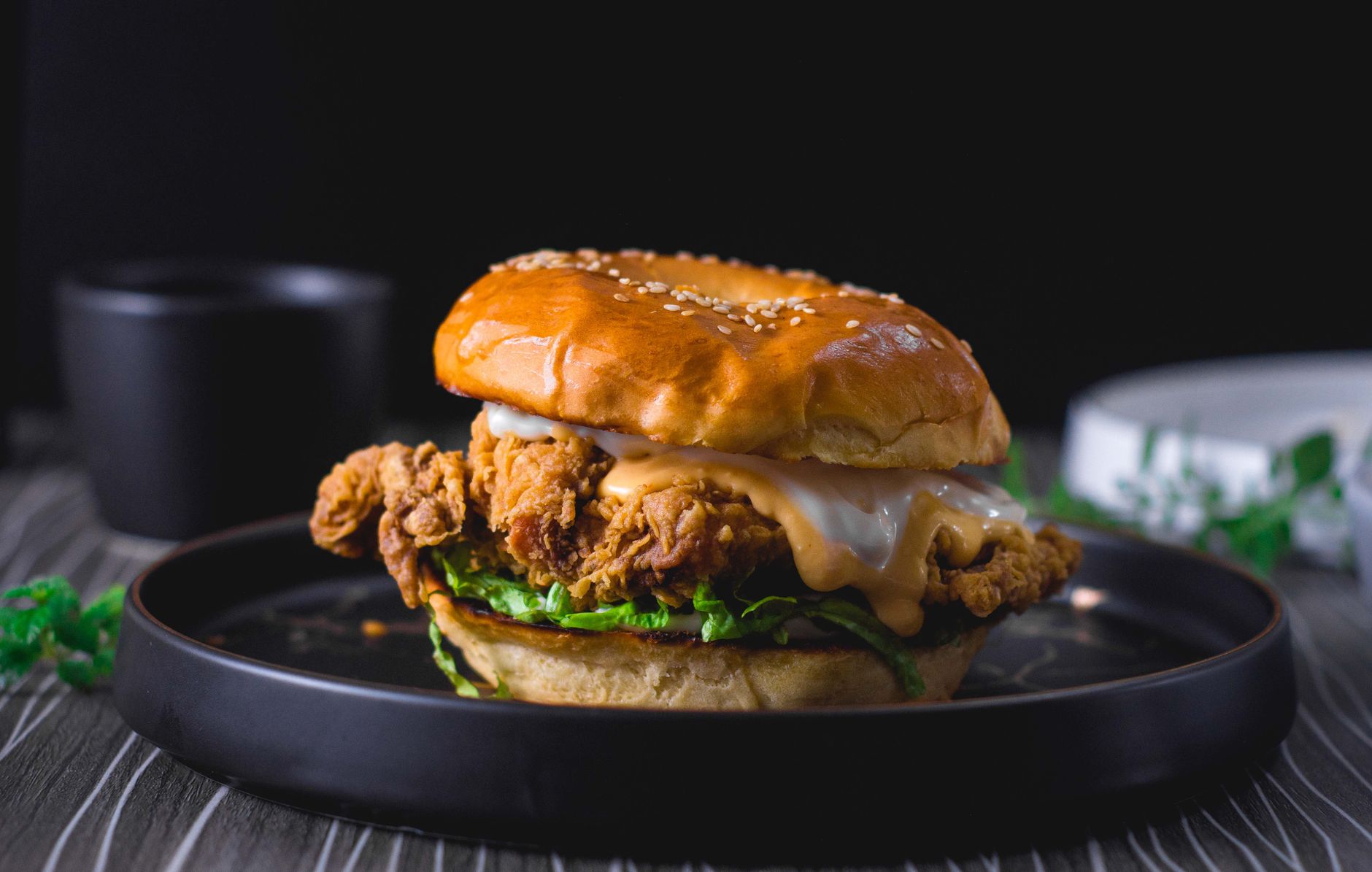
Crispy chicken katsu meets American comfort food in this Japanese-inspired burger, with shichimi togarashi adding aromatic heat and homemade spicy mayo bringing everything together. 40 min · 0 saves.
japanese · medium
Apr 14, 2026Spicy Miso Ramen with Togarashi Oil
Rich, warming ramen with fermented chili-miso broth and aromatic togarashi oil that builds gentle heat with each spoonful. 70 min · 0 saves.
Bottle picks
Related hot sauce reviews.
Explore sauces with related ingredients, flavors, and heat levels.
Fly By Jing Sichuan Gold Review
A citrusy, tingly sauce with real peppercorn presence and enough versatility to move beyond dumplings.
Best for dumplings
Best for: Eggs and breakfast tacos
Skip if: Skip if you want a thick, smoky wing sauce more than a bright finishing bottle.
Read review
Heatonist Los Calientes Rojo Review
Heatonist Los Calientes Rojo: flavor notes, heat level, and suggested food pairings.
Best for tacos
Best for: Tacos and rice bowls
Skip if: Skip if you are chasing a novelty-level heat hit or a super-special-occasion bottle.
Read review
Yellowbird Habanero Hot Sauce Review
A bright, carrot-forward bottle with enough heat to stay lively and enough sweetness to stay versatile.
Best for tacos
Best for: Tacos and rice bowls
Skip if: Skip if you want a classic vinegar-forward table sauce with almost no sweetness.
Read review
Go deeper
Background guides that build on this.
Keep reading
More on this subject.
If this post helped, these are the next pieces most likely to keep the thread going.
science
Oct 9, 2026Why Japanese Spicy Dishes Have Become Impossible to Put Down
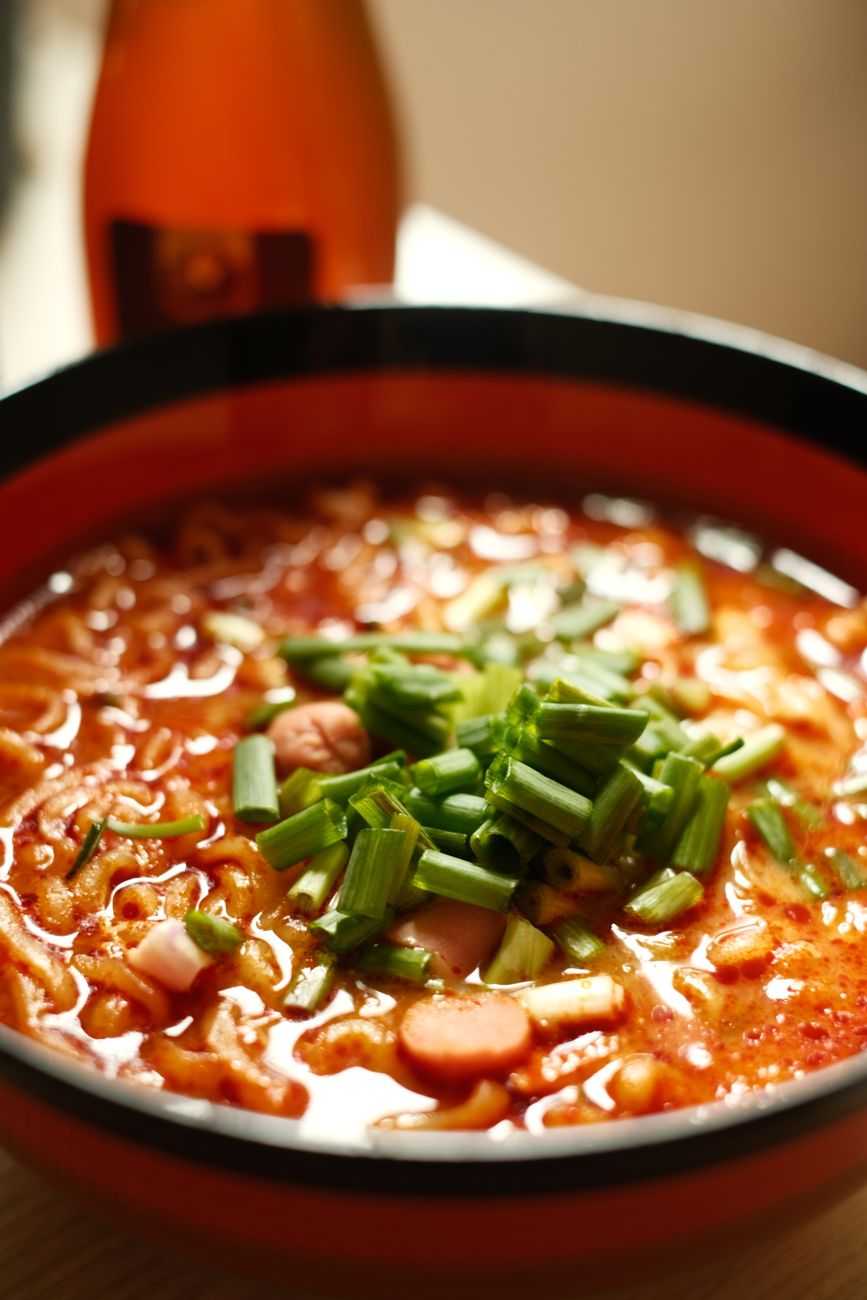
Japanese cooks have long used chili as an accent, but the current wave of spicy dishes—ramen, miso-based bowls, karaage—works because heat is layered with umami, fat, and salt. Learn how capsaicin behaves in oil versus broth, why rayu (chili oil) builds flavor rather than just fire, and how multiple applications of heat keep a dish craveable instead of numbing.
science
May 31, 2026Miso, Sesame, and Fermented Chili Pastes in Japanese-Inspired Dishes
Miso, sesame, dashi, and fermented chili pastes provide a savory base for Japanese-inspired noodle bowls and other spicy dishes.
science
May 5, 2026Tantanmen, Mapo Tofu, and Spicy Karaage
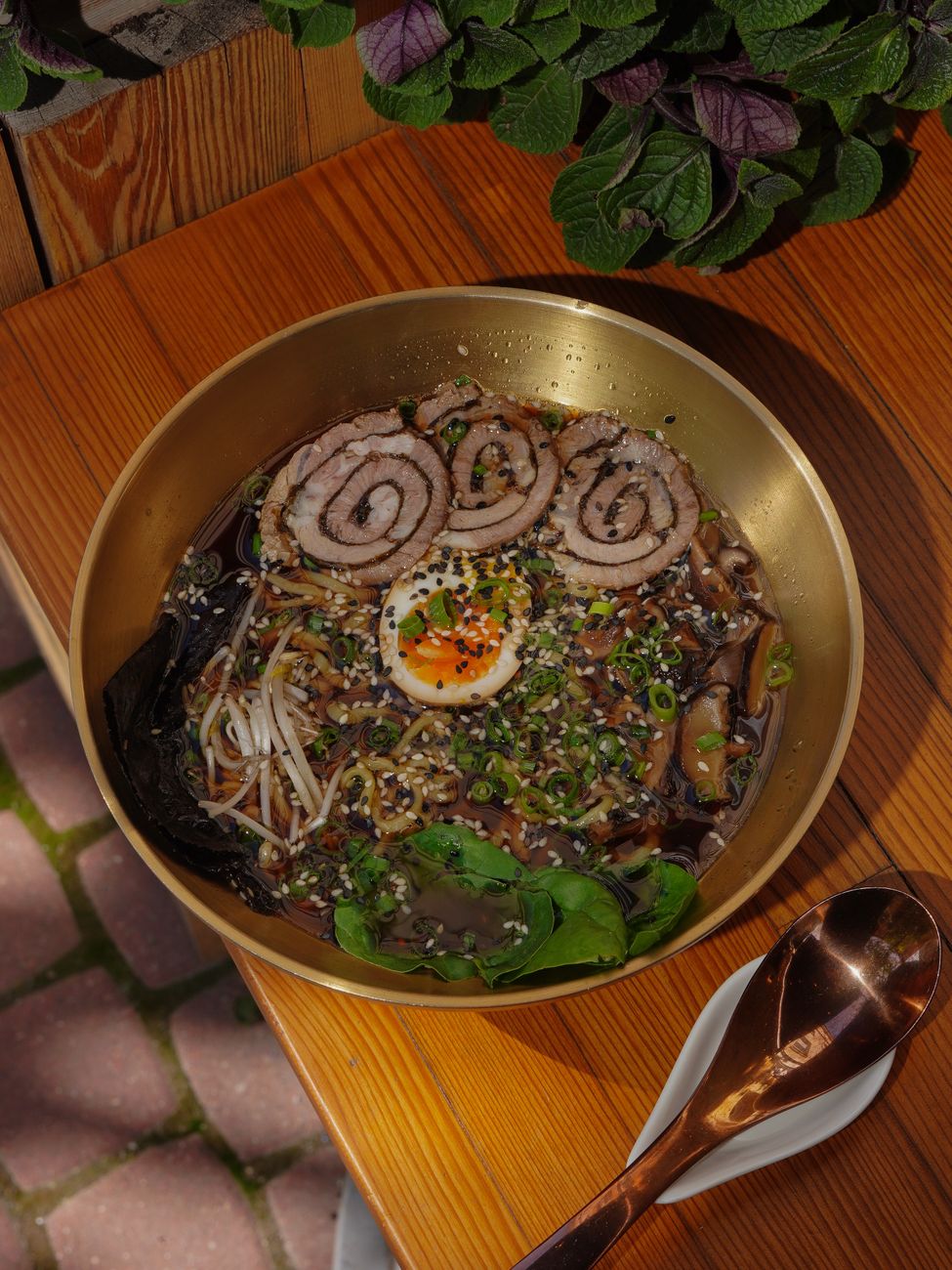
Sesame, fermented chili paste, and crisp coatings play different roles in tantanmen, mapo tofu, and spicy karaage.
Comments
Reader discussion is shared across recipes, reviews, and editorial pieces.
Comments are read-only while member sign-in is paused.