
science
Tantanmen, Spicy Curry, and Japanese-Inspired Chili Dishes
Explore tantanmen, spicy curry, and Japanese-inspired noodle bowls, focusing on sesame, miso, chili, and the balance of the sauce.
Share this
Pass it around
Send this page to a friend, copy the link, or save it to a Pinterest board.

Save for later
Pin this page
Save the image with a link back to this recipe, review, or article.
Tantanmen, Spicy Curry, and Japanese-Inspired Chili Dishes
Japanese spicy food doesn't announce itself with a single blast of heat. It builds through layers, so the first bite reads as savory and the heat catches up a few bites later. While gochujang and Thai chilies get most of the attention, Japanese kitchens have their own approach to heat that's worth a closer look.
The approach relies on combining several elements rather than one dominant chili: fermented miso pastes, toasted spice oils, pickled components, and umami-rich broths all working together. The result is a dish where heat is one part of a larger flavor structure instead of the main event.
Ingredients and Preparation
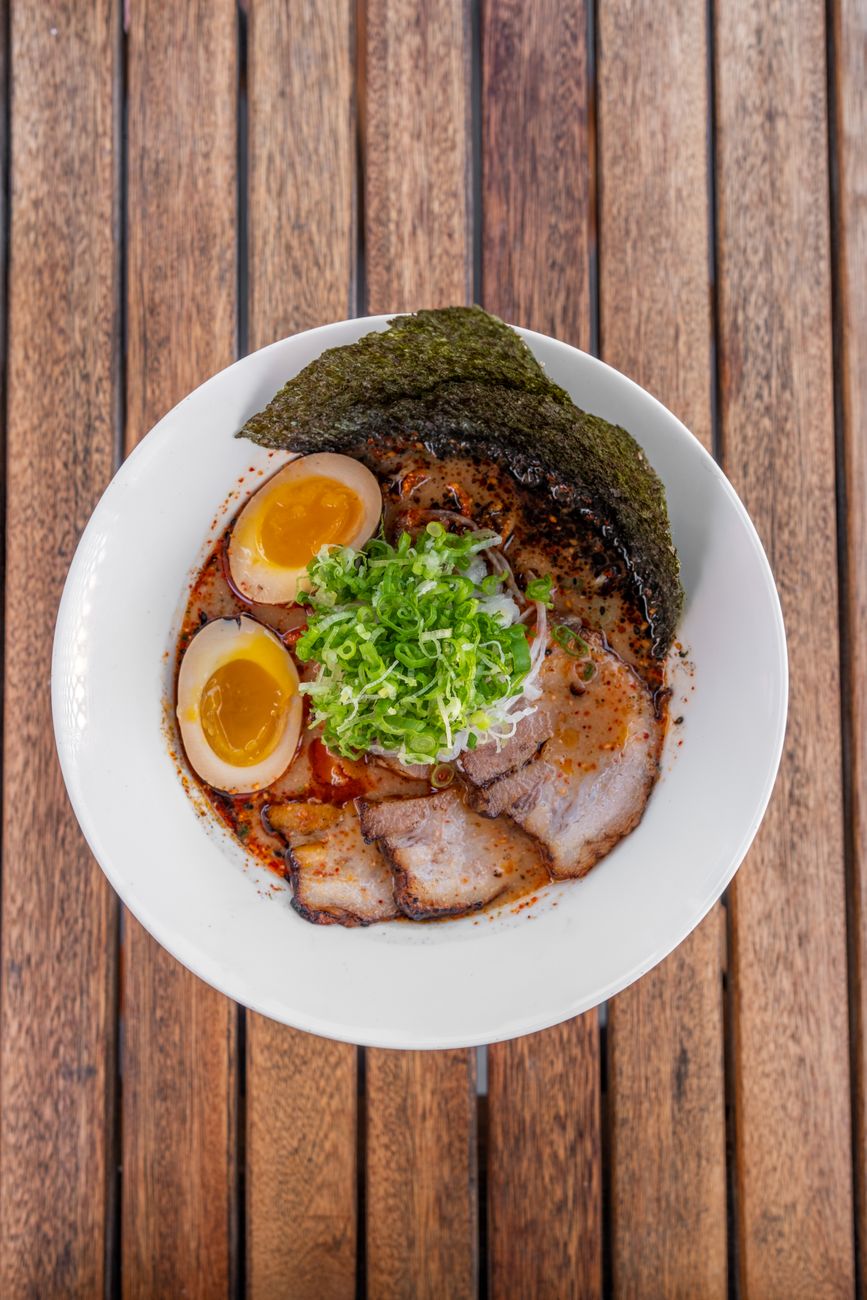
Tantanmen takes its cue from Sichuan dan dan noodles but rebuilds the formula. The original leans on tongue-numbing Sichuan peppercorns; the Japanese version keeps some of that tingle but adds enough additional flavor that it reads as its own dish.
It starts with sesame paste—often blended with tahini for extra nuttiness—then builds through miso, usually red miso or a blend, which adds fermented depth and rounds out the savory base.
The oil preparation matters here too. Rather than floating chili oil on top as a garnish, tantanmen cooks the heat into the dish itself. Ground pork is cooked down with gochujang, doubanjiang, and Japanese chili powders like shichimi togarashi. Each ingredient contributes heat and flavor at a different point in the bite, so the spiciness feels layered rather than flat.
The result is a bowl that starts mild, builds as you eat, and keeps you coming back for another spoonful.
Volcano Curry: When Comfort Food Gets Ambitious
Japanese curry is often mild, with a thick sauce. Volcano curry takes that same base and pushes the heat up while keeping the qualities that make Japanese curry comforting.
The construction happens in stages. You start with the familiar Japanese curry roux—slightly sweet, deeply savory—then build heat on top of it.
Habaneros often carry the main heat load, processed into pastes or powders so the spice distributes evenly instead of landing in uneven pockets. Ghost pepper powder can add depth, cayenne can add a sharper, more immediate bite. Keeping enough fat and starch in the base matters, since it keeps the dish tasting rich rather than simply hot.
What makes the dish interesting is how the heat interacts with the curry's sweetness and umami. Each bite moves from curry comfort to building warmth to peak heat, with a lingering warmth afterward.
How Japanese Heat Layering Actually Works
Japanese spicy dishes typically combine several categories of ingredients rather than relying on one chili source:
- Immediate heat sources: Fresh chilies, cayenne, and chili oils that add heat right away
- Slow-building heat: Fermented chili pastes, whose flavor and heat continue to develop as you eat
- Numbing elements: Sichuan peppercorns, which add a tingling sensation alongside the heat
- Fat carriers: Sesame oil, tahini, and curry roux, which help spread spice and richness through the dish
- Umami amplifiers: Miso, dashi, and fermented bean pastes, which round out the savory base
Combining these elements is what gives Japanese spicy dishes their layered character. Instead of one uniform level of heat, you get a sequence of flavors and sensations as you eat.
The Fusion Edge: Where Things Get Really Interesting
Some of the most interesting Japanese spicy dishes sit at the border with other cuisines. Kimchi-miso combinations pair two different fermented ingredients, each contributing its own tang and depth, for a result that reads as both familiar and new.
Spicy tsukemen pushes the dipping-noodle format into serious heat territory. Because you're only getting a small amount of concentrated dipping broth with each bite of noodles, that broth can carry ghost pepper or Carolina Reaper without becoming overwhelming the way it would in a full bowl of soup.
These dishes work because of portion control: you're never fully submerged in the spiciest element, so extreme heat becomes more approachable.
Bringing This Home to Your Kitchen
Japanese spicy cooking techniques scale well for home kitchens, especially at tables with mixed spice tolerance. Because the heat is built in layers, you can add components gradually, tasting as you go, and stop where you want.
For families with different heat preferences, serve the spicier elements on the side—chili oil, extra gochujang, or shichimi togarashi in small dishes. Everyone gets the same miso depth, sesame richness, and umami base, and each person adjusts their own heat level.
The broader takeaway is about building heat deliberately: combining multiple sources rather than relying on one, and balancing them with fat and umami so the dish stays enjoyable rather than simply hot.
Peppers featured in this post
Cook with this idea
Recipes to try next.
Put these ingredients and techniques to use in your next meal.
japanese · hot
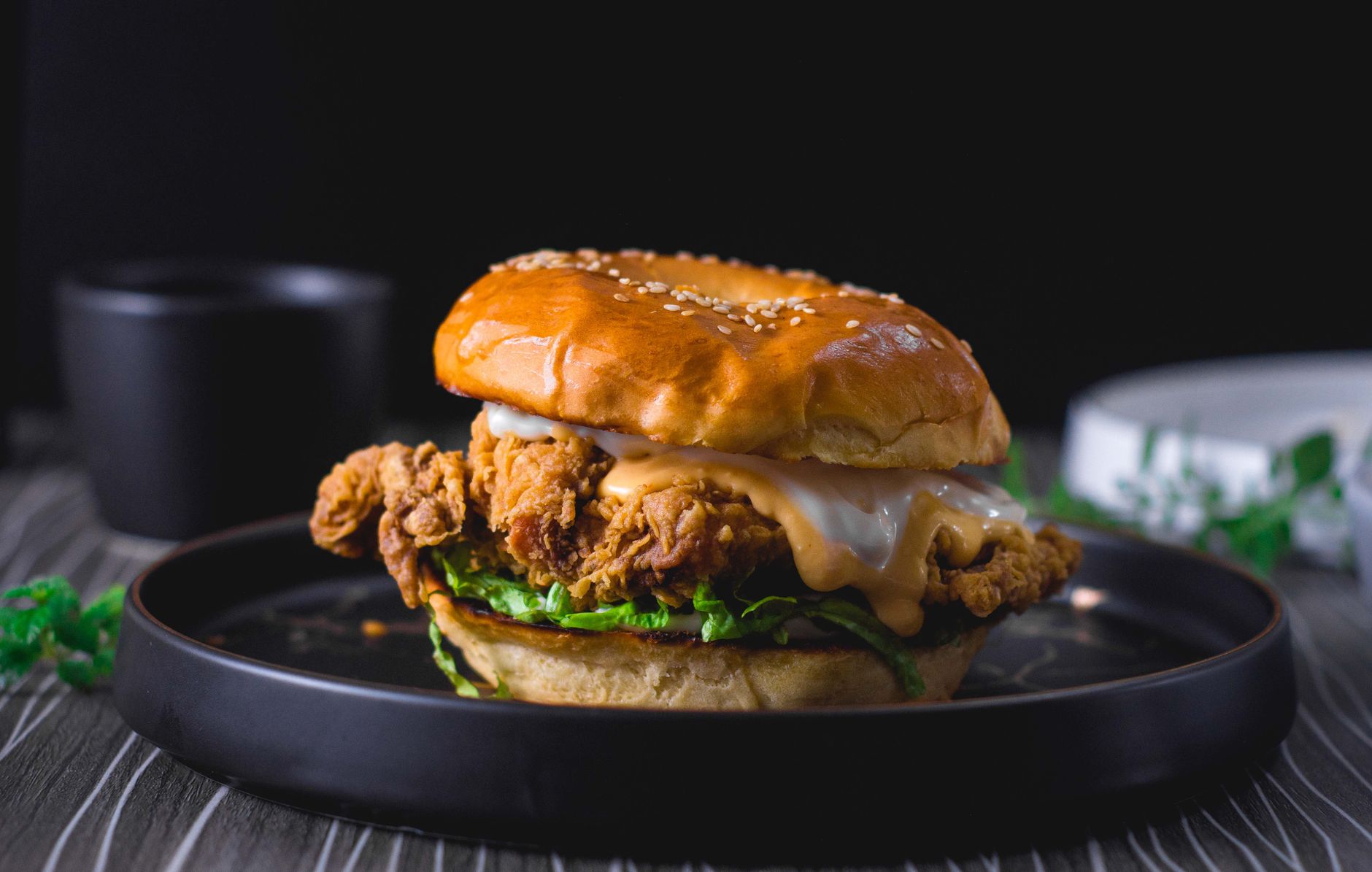
Sep 8, 2026Spicy Miso Karaage Burger with Habanero Mayo
A Japanese-inspired fried chicken burger with crispy karaage coating, habanero mayo with serious heat, pickled daikon and carrot, and fresh shiso on a toasted bun. Ready in under an hour. 50 min · 0 saves.

japanese · hot
Jun 11, 2026Charred Chicken Yakitori with Habanero-Sansho Tare
Tender chicken thighs kissed by flames and painted with a fiery glaze that brings together habanero's fruity heat, sansho pepper's electric tingle, and the deep soul of red miso. 45 min · 0 saves.

japanese · hot
Jun 9, 2026Mapo Nasu with Scotch Bonnet Heat
Silky Japanese eggplant swimming in a miso sauce that means business—scotch bonnet chiles bring fruity heat that builds beautifully with each bite. 45 min · 0 saves.
Bottle picks
Related hot sauce reviews.
Explore sauces with related ingredients, flavors, and heat levels.
Yellowbird Habanero Hot Sauce Review
A bright, carrot-forward bottle with enough heat to stay lively and enough sweetness to stay versatile.
Best for tacos
Best for: Tacos and rice bowls
Skip if: Skip if you want a classic vinegar-forward table sauce with almost no sweetness.
Read review
Queen Majesty Scotch Bonnet and Ginger Review
A bright, elegant sauce that leans on fruit, ginger, and Scotch bonnet lift instead of brute force.
Best for seafood
Best for: Seafood and fish tacos
Skip if: Skip if you want a thick, smoky wing sauce more than a bright finishing bottle.
Read review
Fly By Jing Sichuan Gold Review
A citrusy, tingly sauce with real peppercorn presence and enough versatility to move beyond dumplings.
Best for dumplings
Best for: Eggs and breakfast tacos
Skip if: Skip if you want a thick, smoky wing sauce more than a bright finishing bottle.
Read review
Go deeper
Background guides that build on this.
Keep reading
More on this subject.
If this post helped, these are the next pieces most likely to keep the thread going.
science
Oct 9, 2026Why Japanese Spicy Dishes Have Become Impossible to Put Down
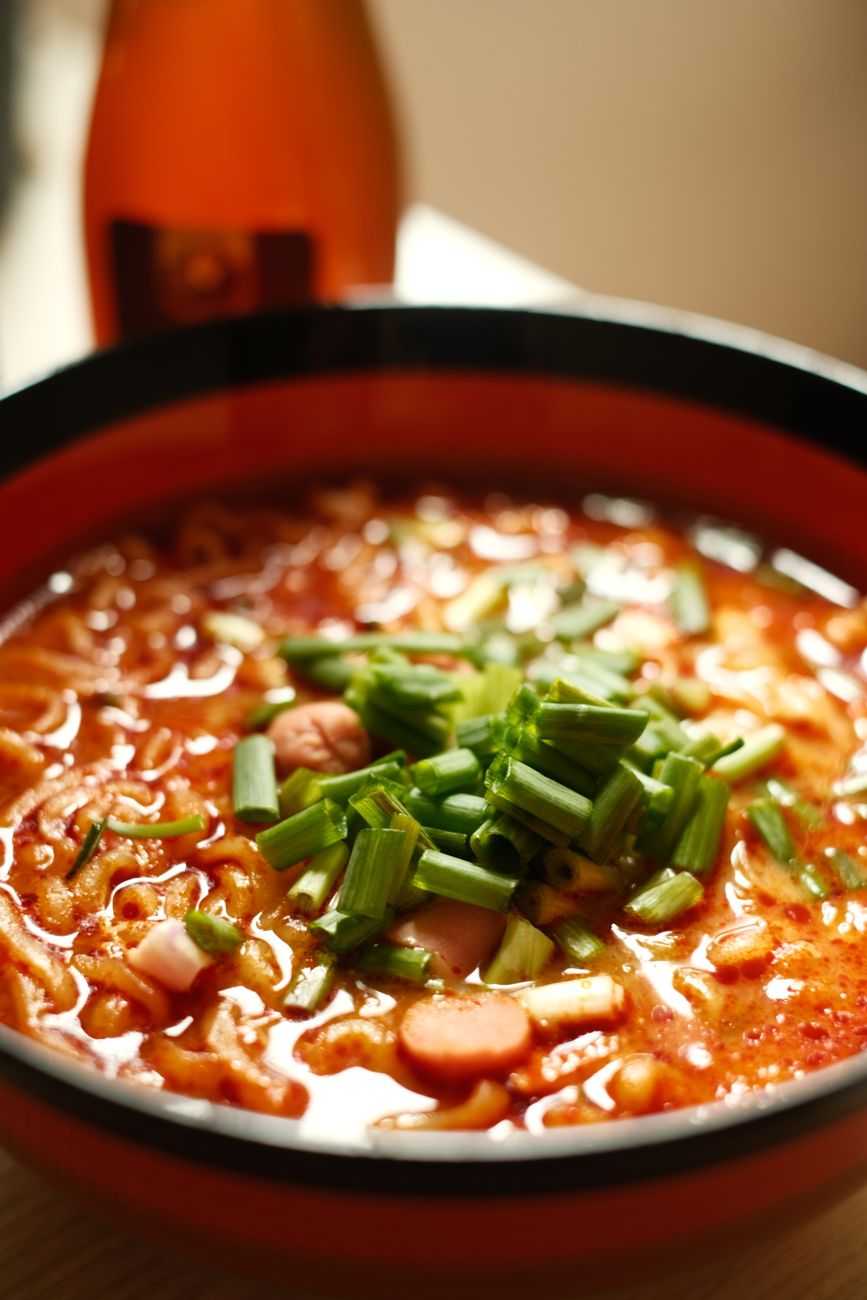
Japanese cooks have long used chili as an accent, but the current wave of spicy dishes—ramen, miso-based bowls, karaage—works because heat is layered with umami, fat, and salt. Learn how capsaicin behaves in oil versus broth, why rayu (chili oil) builds flavor rather than just fire, and how multiple applications of heat keep a dish craveable instead of numbing.

science
May 31, 2026Miso, Sesame, and Fermented Chili Pastes in Japanese-Inspired Dishes
Miso, sesame, dashi, and fermented chili pastes provide a savory base for Japanese-inspired noodle bowls and other spicy dishes.
science
May 9, 2026Japanese Spicy Noodles: Miso, Sesame, and Chili Seasonings
Miso, sesame, chili oil, and mustard give Japanese spicy noodle dishes different kinds of seasoning. Compare their uses at the table.
Comments
Reader discussion is shared across recipes, reviews, and editorial pieces.
Comments are read-only while member sign-in is paused.