
science
Why American Spicy Food is Getting Bolder: Heat, Acid, and Umami Over Fire
American spicy cooking has shifted from pure heat toward layered flavor—fermented sauces, smoked peppers, and acid working together. These techniques make heat feel less aggressive and more useful at the table.
Share this
Pass it around
Send this page to a friend, copy the link, or save it to a Pinterest board.

Save for later
Pin this page
Save the image with a link back to this recipe, review, or article.
American spicy cooking is building with fermented heat, smoke, and acid
Spicy food in American restaurants and home kitchens has changed noticeably in recent years. Rather than chasing capsaicin levels alone, cooks are building with fermented hot sauces, smoked peppers, and acidic components that make heat feel sharper and more crave-able instead of flat. The shift reflects better access to pepper varieties and techniques, plus a growing audience that treats heat as a seasoning instead of a dare.
You see it everywhere now: Nashville hot chicken that suspends cayenne in fat rather than dust-dry breading; barbecue rubs layered with fermented pepper pastes; fermented hot sauces served alongside eggs, grilled vegetables, and tacos.
Fermented hot sauces bring umami and complexity that vinegar-based bottles don't
Fermented hot sauces—peppers, salt, and time in a jar—develop depth that straight vinegar condiments can't match. Fermentation breaks down pepper cell walls and builds funky, savory notes that work with other ingredients instead of overwhelming them.
The practical difference: a fermented sauce tastes sharp and deep without the aggressive bite of distilled vinegar. The longer fermentation sits, the mellower and rounder the heat becomes.
To make one at home: Combine fresh peppers (jalapeños, serranos, or habaneros work well) with salt at about 2–3% of the pepper weight. Pack into a jar, cover loosely to let gas escape, and leave at room temperature. After 1–3 weeks, the peppers will soften and the brine will taste sharp. Blend with a little water or vinegar once you're happy with the flavor. Use it on tacos, eggs, or roasted vegetables—the umami makes it more than a garnish.
Smoked peppers feel less aggressive even when the capsaicin is higher
Smoke changes how heat registers. A smoked jalapeño (chipotle) tastes less aggressive than a fresh one at the same weight, even though the capsaicin content is identical or higher. The smoke creates savory, almost sweet undertones that make the heat feel less isolating.
This is why smoked peppers show up so often in American spicy cooking now—from barbecue rubs to chili to hot sauce. The smoke gives the dish depth and makes the heat feel earned rather than arbitrary.
Smoked paprika, smoked chile powders, and canned chipotles in adobo are straightforward ways to add this without a smoker. Use them as a foundation for heat rather than the only source. Pair them with fresh peppers or cayenne for brightness, or with salt and fat to round out the flavor. A single chipotle blended into sour cream becomes a dip; two or three mixed into a pot of chili become a building block for other flavors.
Acid makes heat feel sharper and helps preserve the sauce
American spicy cooking increasingly relies on acid—from citrus, vinegar, or fermentation—to lift heat and keep it from feeling monotonous. Acid doesn't reduce capsaicin; it makes the heat feel brighter and gives it a point of entry and exit. A squeeze of lime over hot food doesn't cool it down, but it does make you taste the other flavors.
When you cook spicy dishes, think about acid as a co-seasoning with the peppers. A pinch of lime or a splash of vinegar added near the end of cooking will lift the heat and make it less flat. This works especially well with fatty dishes—a hot sauce with butter, for example, benefits enormously from even a small amount of acid.
What to look for when buying
Fermented hot sauces cost more than vinegar-based ones, but they keep longer and go further because the flavor is more complex. Check the ingredient list: fermented sauces list peppers and salt first, with fermentation time mentioned on the label (usually 3 months or longer).
Smoked peppers lose potency over time, especially in warm, humid storage. Buy from stores with good turnover, or buy smaller quantities. Whole smoked chiles keep better than powders because the skin protects the inside.
Fresh peppers for fermenting should be firm and unblemished. Softer peppers ferment faster but may break down into mush rather than keeping texture. Very fresh peppers (picked within a day) ferment more reliably than older ones.
If you're sensitive to heat, start with milder peppers—serranos around 10,000–25,000 Scoville units, or jalapeños around 2,500–8,000—before moving to hotter varieties.
Peppers featured in this post
Cook with this idea
Recipes to try next.
Put these ingredients and techniques to use in your next meal.

american · medium
May 23, 2026Chipotle Honey Glazed Pork Chops with Jalapeño Corn
Bone-in pork chops get a smoky-sweet chipotle glaze paired with charred corn studded with fresh jalapeños for a satisfying weeknight dinner with just enough heat. 40 min · 0 saves.

american · medium
May 19, 2026Grill-Roasted Chicken Thighs with Chipotle-Honey Glaze
Bone-in chicken thighs get a double dose of smoky heat through grill-roasting and a glossy chipotle-honey glaze that caramelizes beautifully over the coals. 60 min · 0 saves.
american · mild
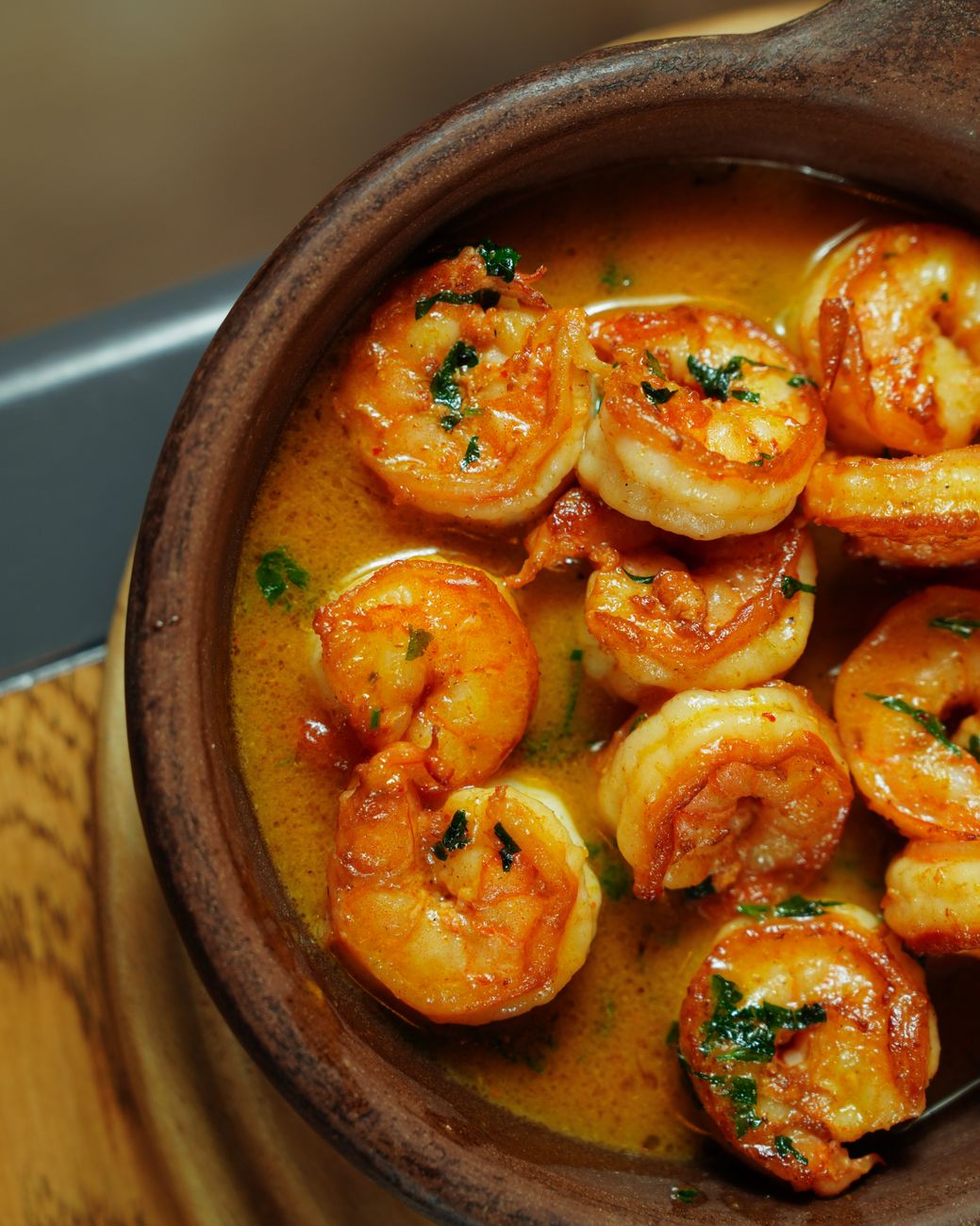
Jun 2, 2026Old Bay Butter Shrimp with Paprika and Cayenne
Tender shrimp bathed in a fragrant butter sauce that marries Old Bay's distinctive tang with the gentle warmth of paprika and just a whisper of cayenne. 18 min · 0 saves.
Bottle picks
Related hot sauce reviews.
Explore sauces with related ingredients, flavors, and heat levels.
Mike's Hot Honey Review
Sweet heat done right: sticky, quick, and versatile enough to become a finishing move instead of a novelty.
Best for gifting
Best for: Pizza and fried chicken
Skip if: Skip if you want a classic vinegar-forward table sauce with almost no sweetness.
Read review
Torchbearer Garlic Reaper Review
An extremely hot garlic-forward sauce that somehow keeps real flavor structure under all that reaper pressure.
Best for wings
Best for: Pizza and fried chicken
Skip if: Skip if the table is heat-shy or you mainly want an easy everyday pour.
Read review
Fly By Jing Sichuan Gold Review
A citrusy, tingly sauce with real peppercorn presence and enough versatility to move beyond dumplings.
Best for dumplings
Best for: Eggs and breakfast tacos
Skip if: Skip if you want a thick, smoky wing sauce more than a bright finishing bottle.
Read review
Go deeper
Background guides that build on this.
Keep reading
More on this subject.
If this post helped, these are the next pieces most likely to keep the thread going.
science
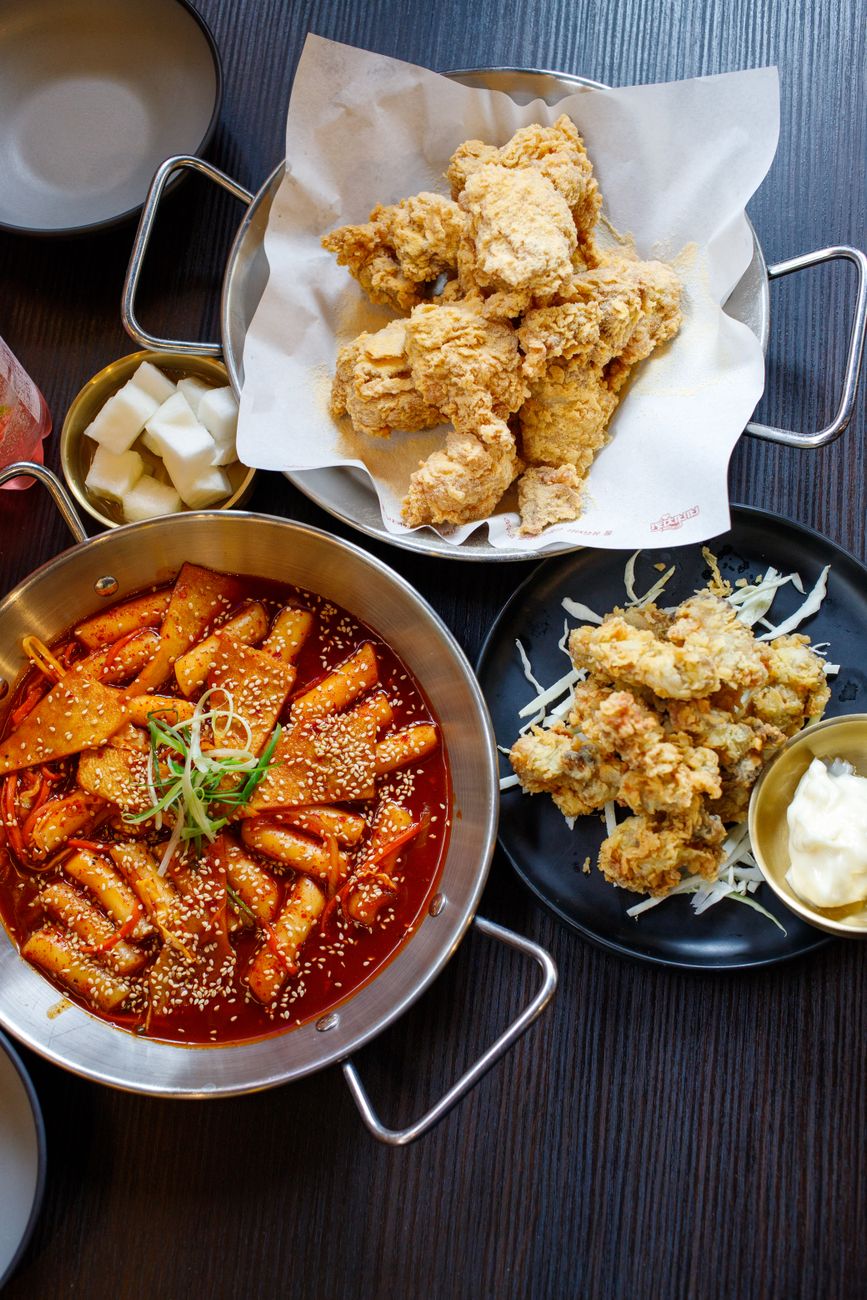
Apr 15, 2026Nashville Hot Chicken, Birria, and Korean-American Heat
An ingredient-focused look at Nashville hot chicken, birria tacos, and Korean-American dishes seasoned with fermented chili pastes.
science
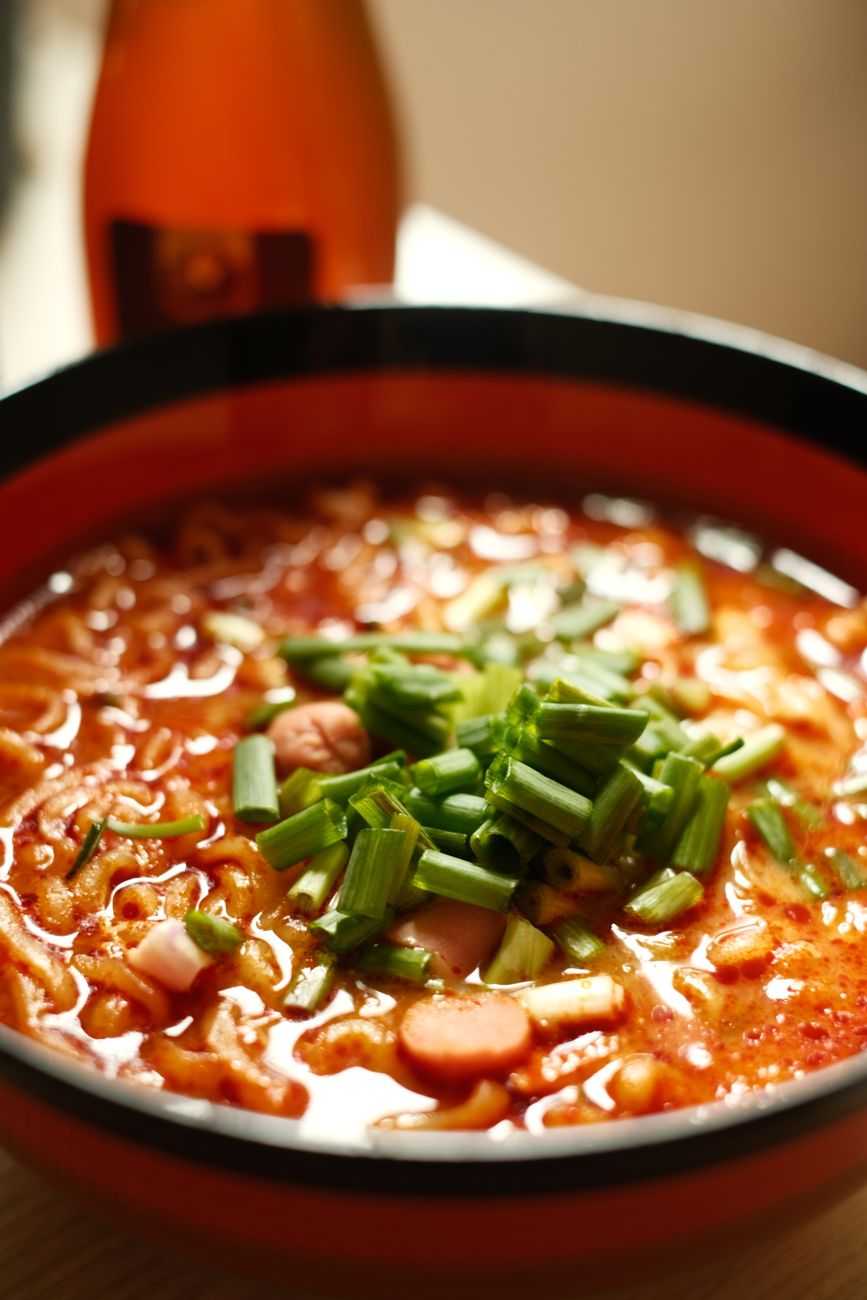
Oct 9, 2026Why Japanese Spicy Dishes Have Become Impossible to Put Down
Japanese cooks have long used chili as an accent, but the current wave of spicy dishes—ramen, miso-based bowls, karaage—works because heat is layered with umami, fat, and salt. Learn how capsaicin behaves in oil versus broth, why rayu (chili oil) builds flavor rather than just fire, and how multiple applications of heat keep a dish craveable instead of numbing.
science
Oct 7, 2026Why Middle Eastern Spicy Dishes Are Built on Layered Heat, Not Just Fire
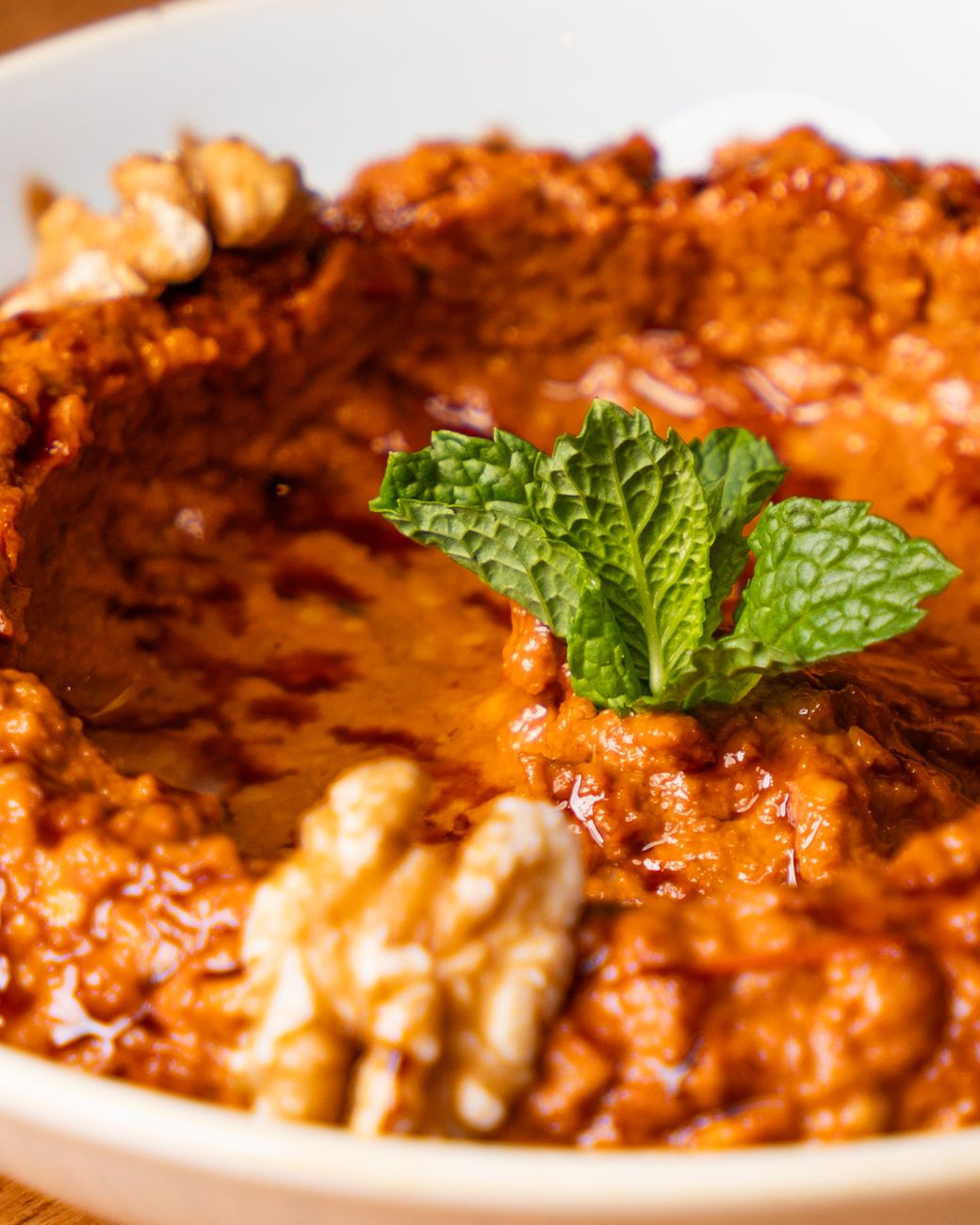
Middle Eastern spicy food layers chile peppers with warm spices and acid to build depth instead of just heat. Learn how dishes like harissa and muhammara work, and how to adjust the burn to your taste.
Comments
Reader discussion is shared across recipes, reviews, and editorial pieces.
Comments are read-only while member sign-in is paused.