
science
Why Japanese Spicy Dishes Have Become Impossible to Put Down
Japanese cooks have long used chili as an accent, but the current wave of spicy dishes—ramen, miso-based bowls, karaage—works because heat is layered with umami, fat, and salt. Learn how capsaicin behaves in oil versus broth, why rayu (chili oil) builds flavor rather than just fire, and how multiple applications of heat keep a dish craveable instead of numbing.
Share this
Pass it around
Send this page to a friend, copy the link, or save it to a Pinterest board.

Save for later
Pin this page
Save the image with a link back to this recipe, review, or article.
Japanese cooking has traditionally approached heat with restraint, using chili as an accent rather than a foundation. But the spicy dishes gaining ground now—fiery ramen, chili-forward miso preparations, layered karaage—suggest a shift in how heat fits into the broader flavor picture.
The key difference: these dishes don't rely on raw capsaicin intensity. Instead, they combine chili with umami, fat, and salt in ways that make heat linger and build rather than spike and fade. That's why they stick with you.
How Fat Changes Heat
Capsaicin—the compound in chili that registers as heat—dissolves in fat and oil but not in water. This is the foundation of why Japanese spicy dishes feel different from, say, a thin hot sauce splashed on a lean dish.
When chili goes into a rich broth made from pork bones or dried seafood, or into oil-based rayu (chili oil infused with aromatics), the heat becomes diffuse. It spreads across your palate and lingers. When chili meets water or a lean base, it creates sharper, more localized burning.
Japanese technique capitalizes on this. A spicy tonkotsu ramen uses a pork-bone broth as the base. Rayu (chili oil with garlic, sesame, or Sichuan peppercorns) goes into the bowl. Dried chilies may be added whole. The miso is already umami-rich. Each application carries heat through fat or paste, not water. The result feels connected to the dish rather than imposed on top of it.
Rayu: Controlled, Layered, Adjustable
Rayu has become central to contemporary Japanese spicy cooking. A traditional rayu starts with neutral oil heated gently with dried chilies, then strained. Some versions incorporate sesame seeds, minced garlic, or Sichuan peppercorns (which create a numbing sensation that contrasts with chili burn).
What makes this work at the table: the oil carries flavor in every spoonful. You're not tasting pure heat; you're tasting depth—chili, sesame, garlic, the character of the oil itself. A diner controls intensity by adding rayu to taste rather than accepting a pre-mixed sauce. This appeals to people who want spice without surrendering the rest of the dish's balance.
Regional styles vary. Fukuoka ramen tends toward bolder rayu with visible seeds and aromatics. Kyoto-style spicy miso uses less oil and more miso paste, creating a thick, almost grainy heat. Tokyo leans toward a cleaner oil base that lets chili flavor itself come through. Hokkaido approaches are spicier overall, reflecting a tradition of bolder condiments. None of these uses the capsaicin load of Thai or Mexican peppers; instead, they rely on Japanese red chilies (often dried) that offer moderate heat with a clean undertone.
Layering Creates Engagement
The most craveable spicy Japanese dishes build heat through multiple applications rather than a single ingredient. Spicy karaage (fried chicken) shows this clearly: the marinade contains chili, the breading is seasoned with dried chili and salt, and a spicy dipping sauce comes on the side. You encounter chili in the chicken itself, in the crispy exterior, and optionally in the sauce. This gives texture contrast—juicy interior, crunchy coating, smooth sauce—and prevents your palate from numbing.
A bowl of miso-based spicy ramen works the same way. Chili oil goes into the base. Ground chilies mix into the sauce itself. A finishing sprinkle of chili flakes lands on top. Each layer has different timing and texture: the oil spreads initial heat, the ground chilies add sustained warmth and grittiness, the flakes deliver a sharp finishing note. Heat doesn't plateau halfway through the meal; it builds, shifts, and resurges with each spoonful.
Why This Matters Now
Younger diners in Japan and elsewhere are more receptive to heat than previous generations. Globalization has increased access to higher-capsaicin peppers. But the real driver is simpler: umami-forward spicy food satisfies. These dishes reward repeated eating. You go back for another bite because the flavor holds up, not because you're chasing a dare.
This distinction separates a spicy dish you crave from one you endure. A dish built on umami, fat, and controlled chili application becomes something you want again. A dish built primarily on capsaicin becomes something you finish and move on from. Japanese technique—layering heat into fat and miso, building multiple applications, balancing chili with salt and depth—has landed in the sweeter spot: spice that satisfies rather than intimidates.
Cook with this idea
Recipes to try next.
Put these ingredients and techniques to use in your next meal.

japanese · medium
Jun 7, 2026Spicy Karaage Chicken Rice Bowl with Togarashi Mayo
Crispy Japanese fried chicken glazed with sweet-spicy sauce over seasoned rice, topped with crunchy vegetables and creamy togarashi mayo. 40 min · 0 saves.
japanese · medium
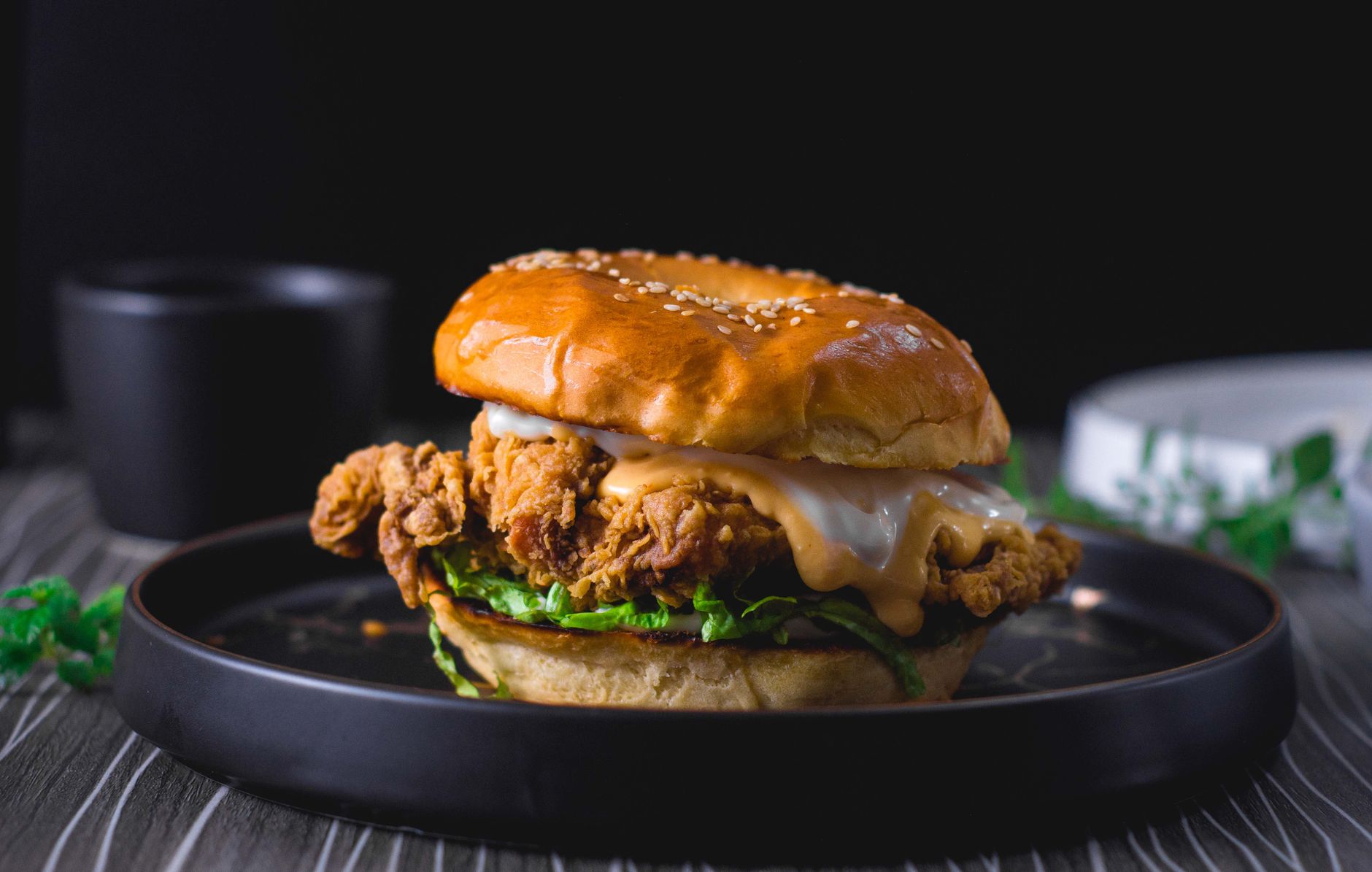
Apr 30, 2026Shichimi Togarashi Katsu Burger with Spicy Mayo
Crispy chicken katsu meets American comfort food in this Japanese-inspired burger, with shichimi togarashi adding aromatic heat and homemade spicy mayo bringing everything together. 40 min · 0 saves.

japanese · medium
Apr 14, 2026Spicy Miso Ramen with Togarashi Oil
Rich, warming ramen with fermented chili-miso broth and aromatic togarashi oil that builds gentle heat with each spoonful. 70 min · 0 saves.
Bottle picks
Related hot sauce reviews.
Explore sauces with related ingredients, flavors, and heat levels.
Fly By Jing Sichuan Gold Review
A citrusy, tingly sauce with real peppercorn presence and enough versatility to move beyond dumplings.
Best for dumplings
Best for: Eggs and breakfast tacos
Skip if: Skip if you want a thick, smoky wing sauce more than a bright finishing bottle.
Read review
Mike's Hot Honey Review
Sweet heat done right: sticky, quick, and versatile enough to become a finishing move instead of a novelty.
Best for gifting
Best for: Pizza and fried chicken
Skip if: Skip if you want a classic vinegar-forward table sauce with almost no sweetness.
Read review
Heatonist Los Calientes Rojo Review
Heatonist Los Calientes Rojo: flavor notes, heat level, and suggested food pairings.
Best for tacos
Best for: Tacos and rice bowls
Skip if: Skip if you are chasing a novelty-level heat hit or a super-special-occasion bottle.
Read review
Go deeper
Background guides that build on this.
Keep reading
More on this subject.
If this post helped, these are the next pieces most likely to keep the thread going.
science
May 31, 2026Miso, Sesame, and Fermented Chili Pastes in Japanese-Inspired Dishes
Miso, sesame, dashi, and fermented chili pastes provide a savory base for Japanese-inspired noodle bowls and other spicy dishes.
science
May 9, 2026Japanese Spicy Noodles: Miso, Sesame, and Chili Seasonings
Miso, sesame, chili oil, and mustard give Japanese spicy noodle dishes different kinds of seasoning. Compare their uses at the table.
science
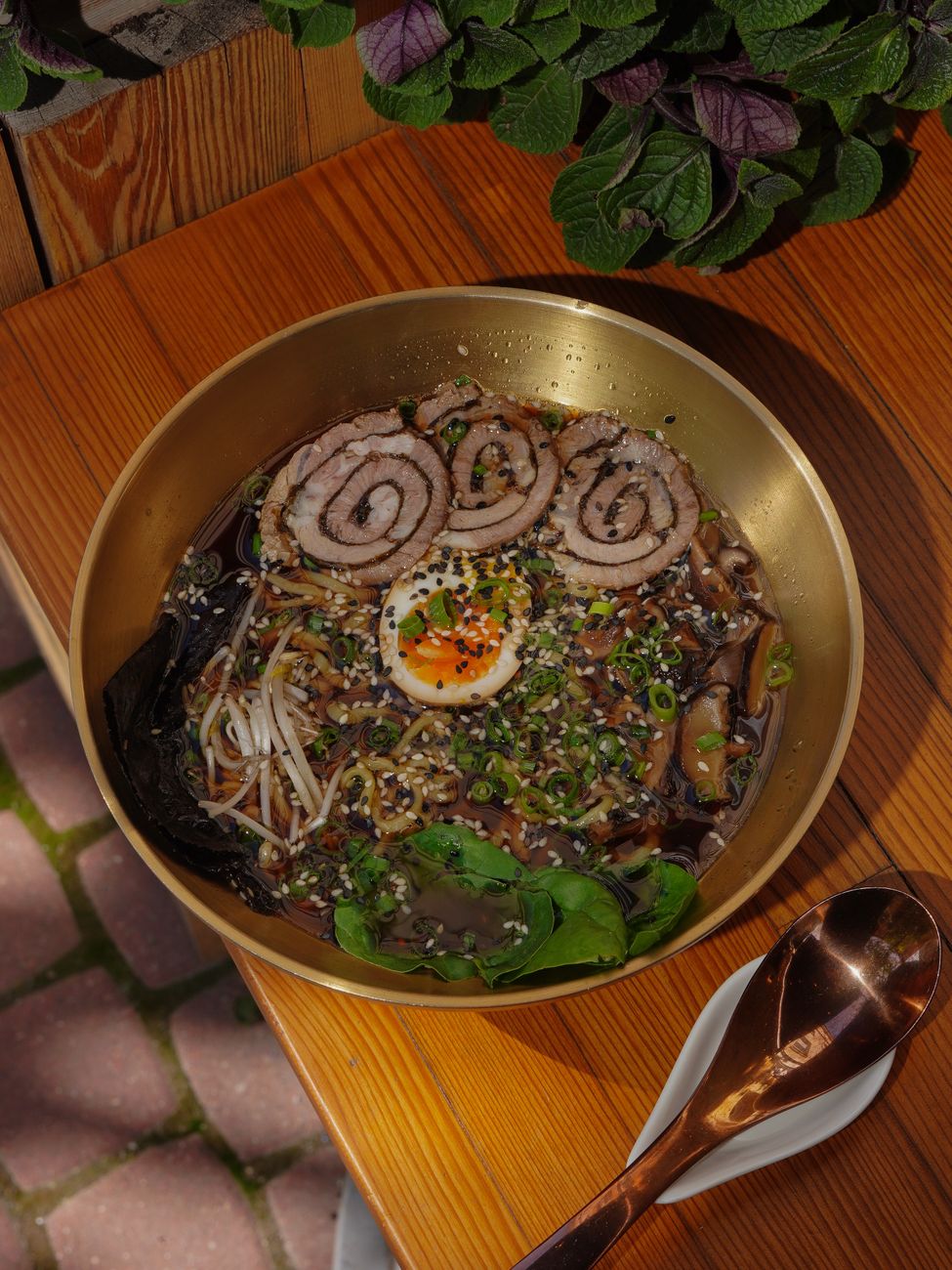
May 5, 2026Tantanmen, Mapo Tofu, and Spicy Karaage
Sesame, fermented chili paste, and crisp coatings play different roles in tantanmen, mapo tofu, and spicy karaage.
Comments
Reader discussion is shared across recipes, reviews, and editorial pieces.
Comments are read-only while member sign-in is paused.