
science
Nashville Hot Chicken, Birria, and Korean-American Heat
An ingredient-focused look at Nashville hot chicken, birria tacos, and Korean-American dishes seasoned with fermented chili pastes.
Share this
Pass it around
Send this page to a friend, copy the link, or save it to a Pinterest board.

Save for later
Pin this page
Save the image with a link back to this recipe, review, or article.
Nashville Hot Chicken, Birria, and Korean-American Heat
Some spicy dishes get ordered again and again, while others are enjoyed once and forgotten. The difference usually isn't heat level alone—it's how a dish combines heat with fat, umami, and texture.
Three spicy American styles show this clearly right now: Nashville hot chicken, birria tacos, and Korean-American fusion dishes. Each one builds heat differently, and looking at how they're made explains a lot about why they keep showing up on menus and in home kitchens.
Nashville Hot Chicken: Sustained Heat from an Oil-Based Paste
Nashville hot chicken gets its heat from a cayenne-heavy oil paste brushed or poured over the fried chicken after cooking. Because the paste is oil-based, the heat spreads evenly across the surface and lingers, rather than hitting all at once the way a fresh sliced chile does.
The buttermilk brine tenderizes the chicken before frying, and the resulting texture holds onto the spiced oil well once it's added. The fat in the oil helps carry chile flavor across the meat, so most bites end up with a similar level of heat. The crisp fried coating underneath adds a contrasting crunch alongside the spice.
The familiar fried chicken base is part of what makes Nashville hot approachable even at high heat levels—the format is recognizable even when the heat isn't.
Birria Tacos: Heat Balanced by Umami and Fat
Birria takes a different approach, using moderate heat from dried chiles—guajillo, ancho, chipotle—layered with rich umami and fat. These chiles add complex, warm flavor without the sharp bite of a fresh chile, which lets the rest of the braise come through.
The consommé is built over hours of slow braising, which draws flavor from the meat, bones, and chiles into a concentrated broth. Dipping a crisp-edged taco into that broth adds both fat and chile flavor to each bite.
The combination of textures—crisp tortilla, melted cheese, tender braised beef, and liquid consommé—is part of what makes each taco feel substantial rather than repetitive.
The dipping ritual also makes birria more interactive than most tacos, which is part of its appeal at the table.
Korean-American Heat: Fermentation Changes the Flavor Profile
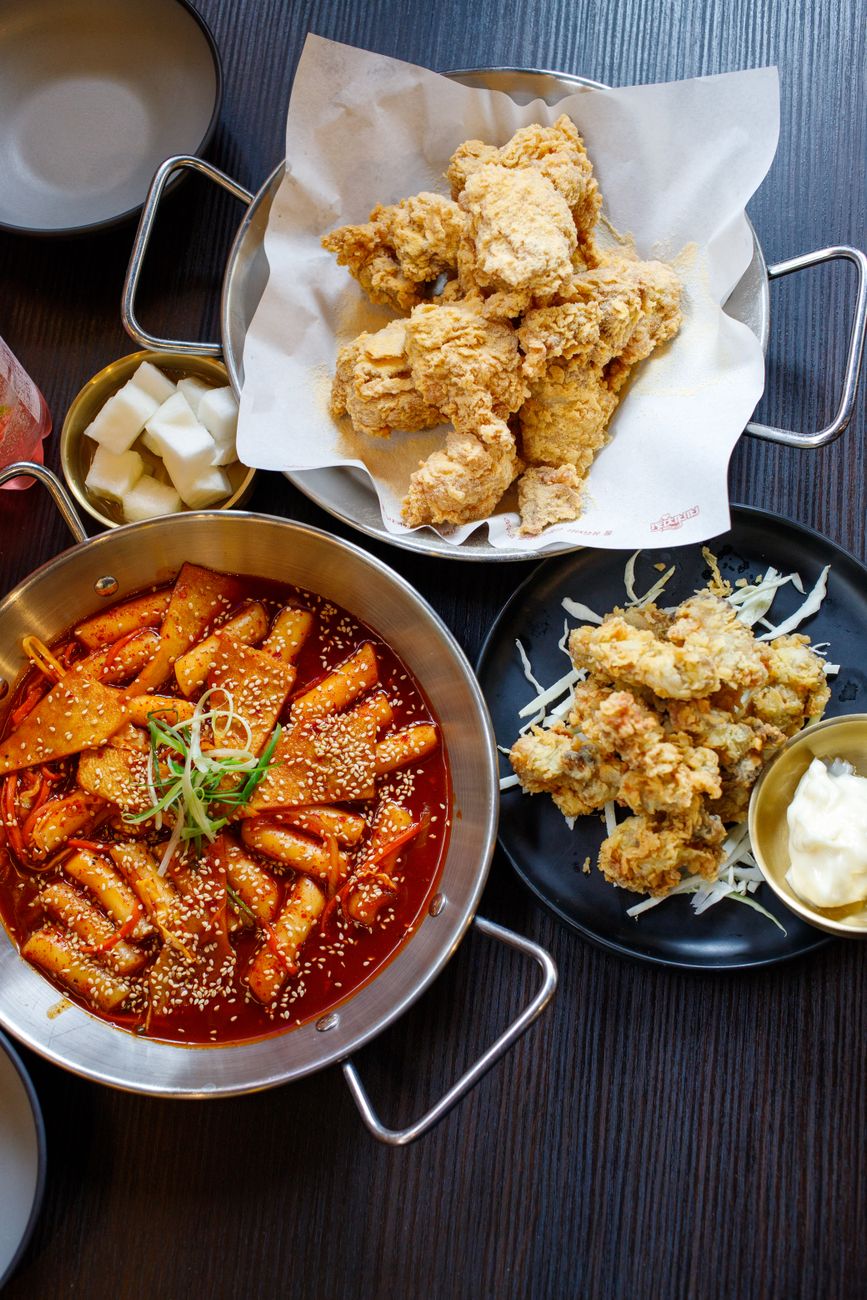
Gochujang, kimchi, and other Korean ferments bring a different kind of heat to dishes like wings or burgers. Gochujang is aged for months, and that fermentation gives it a rounder, less sharp heat than a fresh chile paste, along with a deeper, more savory flavor.
Korean preparations also bring a lot of umami. Fermented soybean paste, aged kimchi, and mature gochujang are all built on long fermentation, which concentrates savory flavor. When these ingredients are added to familiar American comfort foods like mac and cheese or fried chicken, the result is a familiar format carrying more complex, fermented flavor.
Gochujang also has natural sweetness from rice syrup and some acidity from fermentation, which balances its heat and keeps dishes from tasting one-note.
Why These Dishes Stand Out
Straight heat with nothing else backing it up can be a one-note experience. Dishes that combine moderate-to-high heat with fat, umami, familiar textures, and some interactive element—like dipping or a topping ritual—tend to offer more to notice with each bite.
Nashville hot chicken, birria tacos, and Korean-American fusion dishes each balance heat against other big flavors, so the heat is one part of a larger, layered dish rather than the main event.
These dishes also tend to photograph well and involve a bit of performance—the spice challenge, the dip, the fusion surprise—which adds to their visibility on social media.
Understanding how each dish is built doesn't make the food any less enjoyable—it just explains why Nashville hot chicken, birria tacos, and Korean-American spicy dishes keep showing up on so many menus.
Peppers featured in this post
Cook with this idea
Recipes to try next.
Put these ingredients and techniques to use in your next meal.

american · medium
May 23, 2026Chipotle Honey Glazed Pork Chops with Jalapeño Corn
Bone-in pork chops get a smoky-sweet chipotle glaze paired with charred corn studded with fresh jalapeños for a satisfying weeknight dinner with just enough heat. 40 min · 0 saves.

american · medium
May 19, 2026Grill-Roasted Chicken Thighs with Chipotle-Honey Glaze
Bone-in chicken thighs get a double dose of smoky heat through grill-roasting and a glossy chipotle-honey glaze that caramelizes beautifully over the coals. 60 min · 0 saves.
american · mild
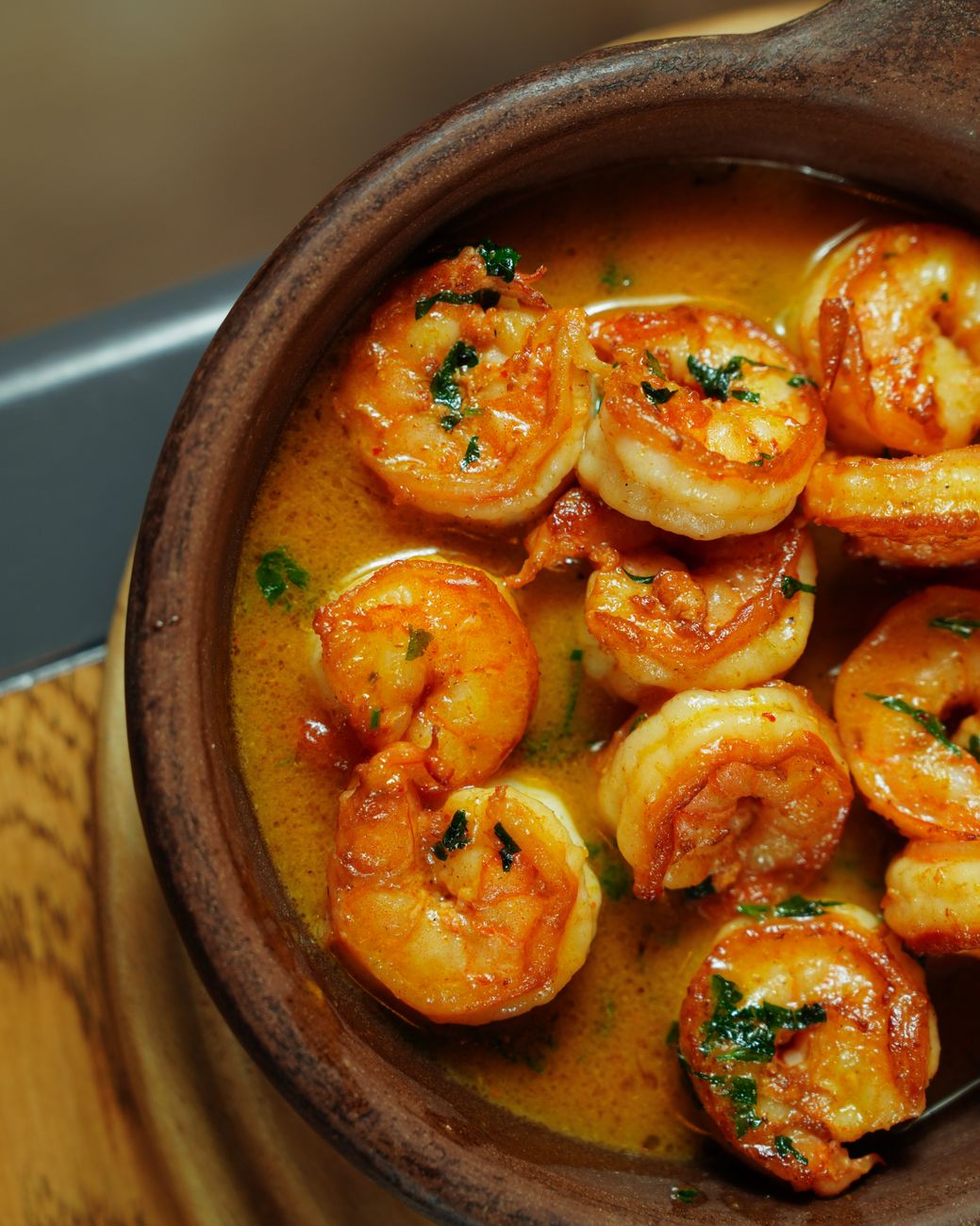
Jun 2, 2026Old Bay Butter Shrimp with Paprika and Cayenne
Tender shrimp bathed in a fragrant butter sauce that marries Old Bay's distinctive tang with the gentle warmth of paprika and just a whisper of cayenne. 18 min · 0 saves.
Bottle picks
Related hot sauce reviews.
Explore sauces with related ingredients, flavors, and heat levels.
Torchbearer Garlic Reaper Review
An extremely hot garlic-forward sauce that somehow keeps real flavor structure under all that reaper pressure.
Best for wings
Best for: Pizza and fried chicken
Skip if: Skip if the table is heat-shy or you mainly want an easy everyday pour.
Read review
Mike's Hot Honey Review
Sweet heat done right: sticky, quick, and versatile enough to become a finishing move instead of a novelty.
Best for gifting
Best for: Pizza and fried chicken
Skip if: Skip if you want a classic vinegar-forward table sauce with almost no sweetness.
Read review
Fly By Jing Sichuan Gold Review
A citrusy, tingly sauce with real peppercorn presence and enough versatility to move beyond dumplings.
Best for dumplings
Best for: Eggs and breakfast tacos
Skip if: Skip if you want a thick, smoky wing sauce more than a bright finishing bottle.
Read review
Go deeper
Background guides that build on this.
Keep reading
More on this subject.
If this post helped, these are the next pieces most likely to keep the thread going.
science
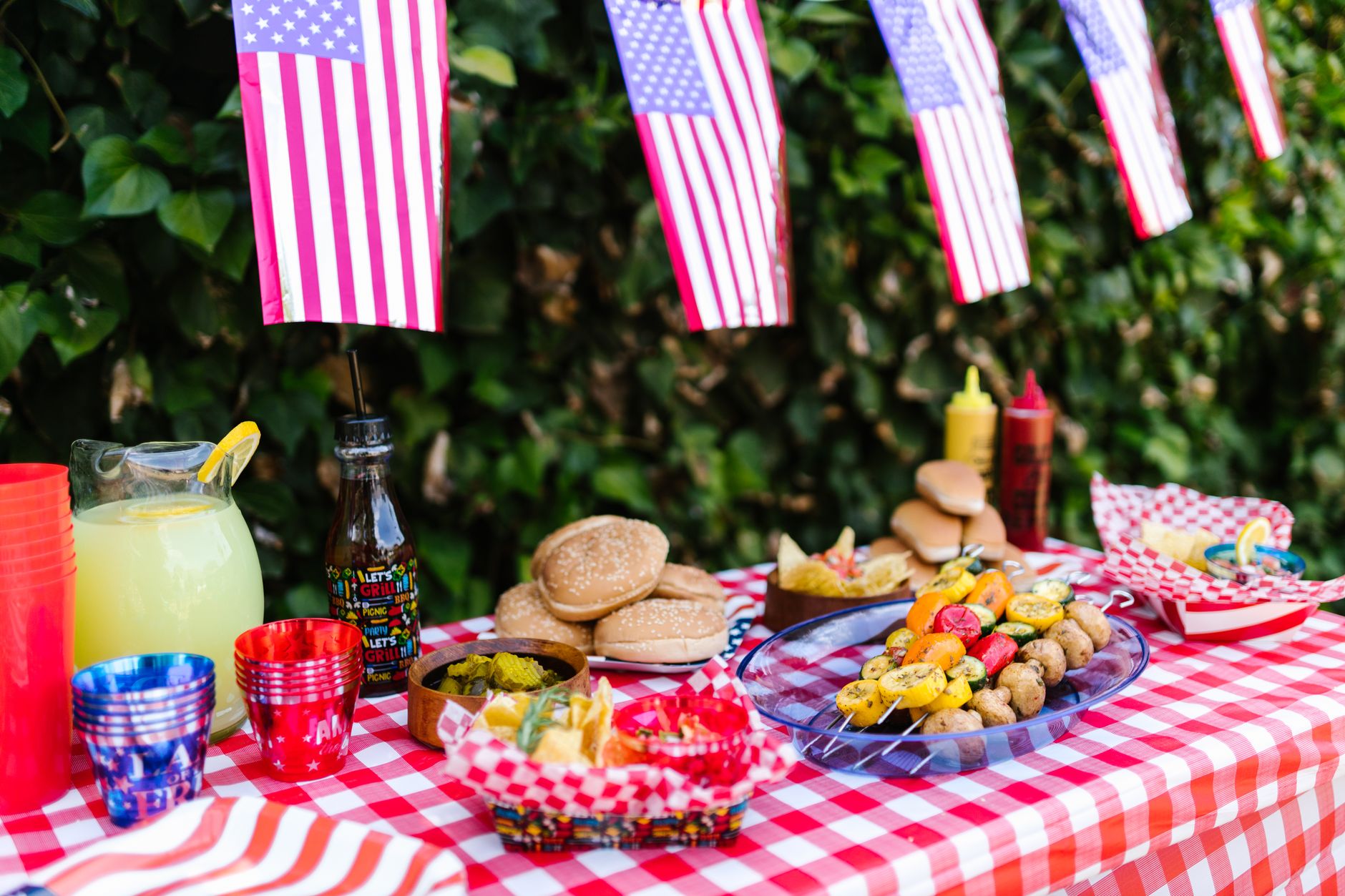
Oct 11, 2026Why American Spicy Food is Getting Bolder: Heat, Acid, and Umami Over Fire
American spicy cooking has shifted from pure heat toward layered flavor—fermented sauces, smoked peppers, and acid working together. These techniques make heat feel less aggressive and more useful at the table.
science
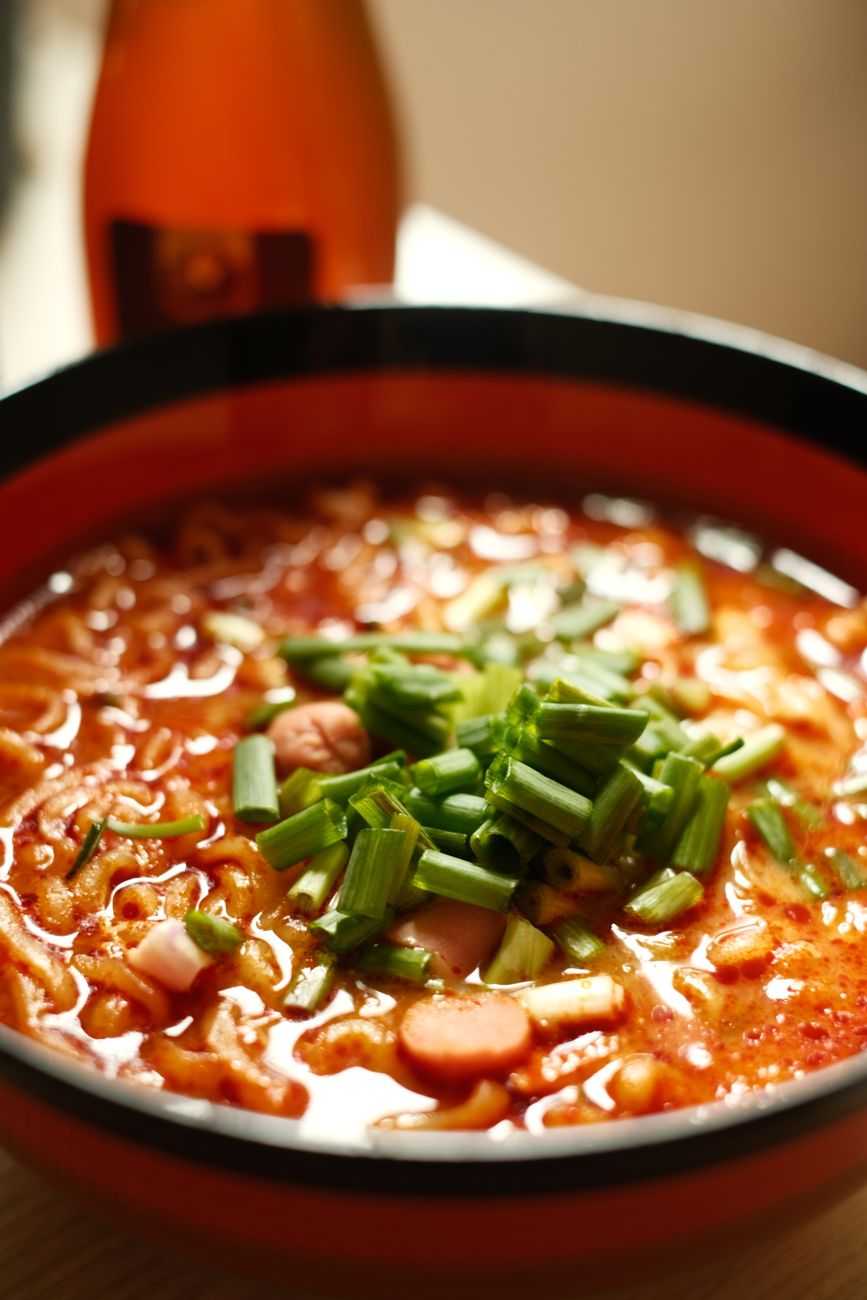
Oct 9, 2026Why Japanese Spicy Dishes Have Become Impossible to Put Down
Japanese cooks have long used chili as an accent, but the current wave of spicy dishes—ramen, miso-based bowls, karaage—works because heat is layered with umami, fat, and salt. Learn how capsaicin behaves in oil versus broth, why rayu (chili oil) builds flavor rather than just fire, and how multiple applications of heat keep a dish craveable instead of numbing.
science
Oct 7, 2026Why Middle Eastern Spicy Dishes Are Built on Layered Heat, Not Just Fire
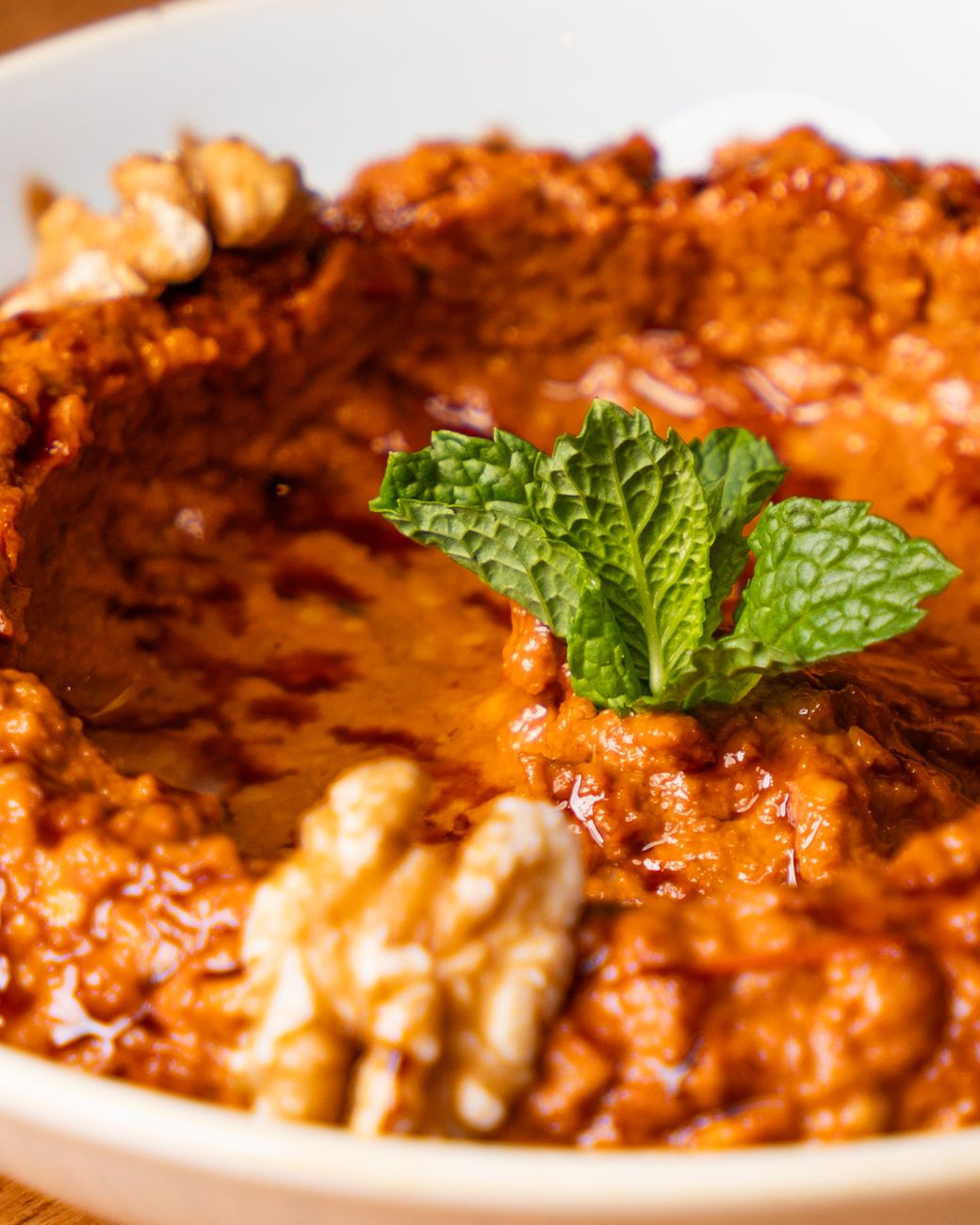
Middle Eastern spicy food layers chile peppers with warm spices and acid to build depth instead of just heat. Learn how dishes like harissa and muhammara work, and how to adjust the burn to your taste.
Comments
Reader discussion is shared across recipes, reviews, and editorial pieces.
Comments are read-only while member sign-in is paused.