
culture
Mexico's Heat Revolution: The Spicy Dishes Taking Over Tables Everywhere
From elote creations that'll make you rethink street corn to the smoky richness of salsa macha, these are the Mexican spicy dishes earning permanent spots at dinner tables—and they deserve every bit of the attention.
Share this
Pass it around
Send this page to a friend, copy the link, or save it to a Pinterest board.

Save for later
Pin this page
Save the image with a link back to this recipe, review, or article.
Mexican cuisine has always understood that real heat isn't about punishment—it's about building layers of flavor that make you reach for another bite. Right now, certain spicy dishes are crossing regional lines and winning over home cooks in ways that feel both inevitable and thrilling. These aren't gimmicky heat bombs or social media stunts. They're deeply rooted dishes that happen to deliver the kind of complex, satisfying spice that changes how you think about cooking with chiles.
Elote-Inspired Everything Gets the Fire Treatment
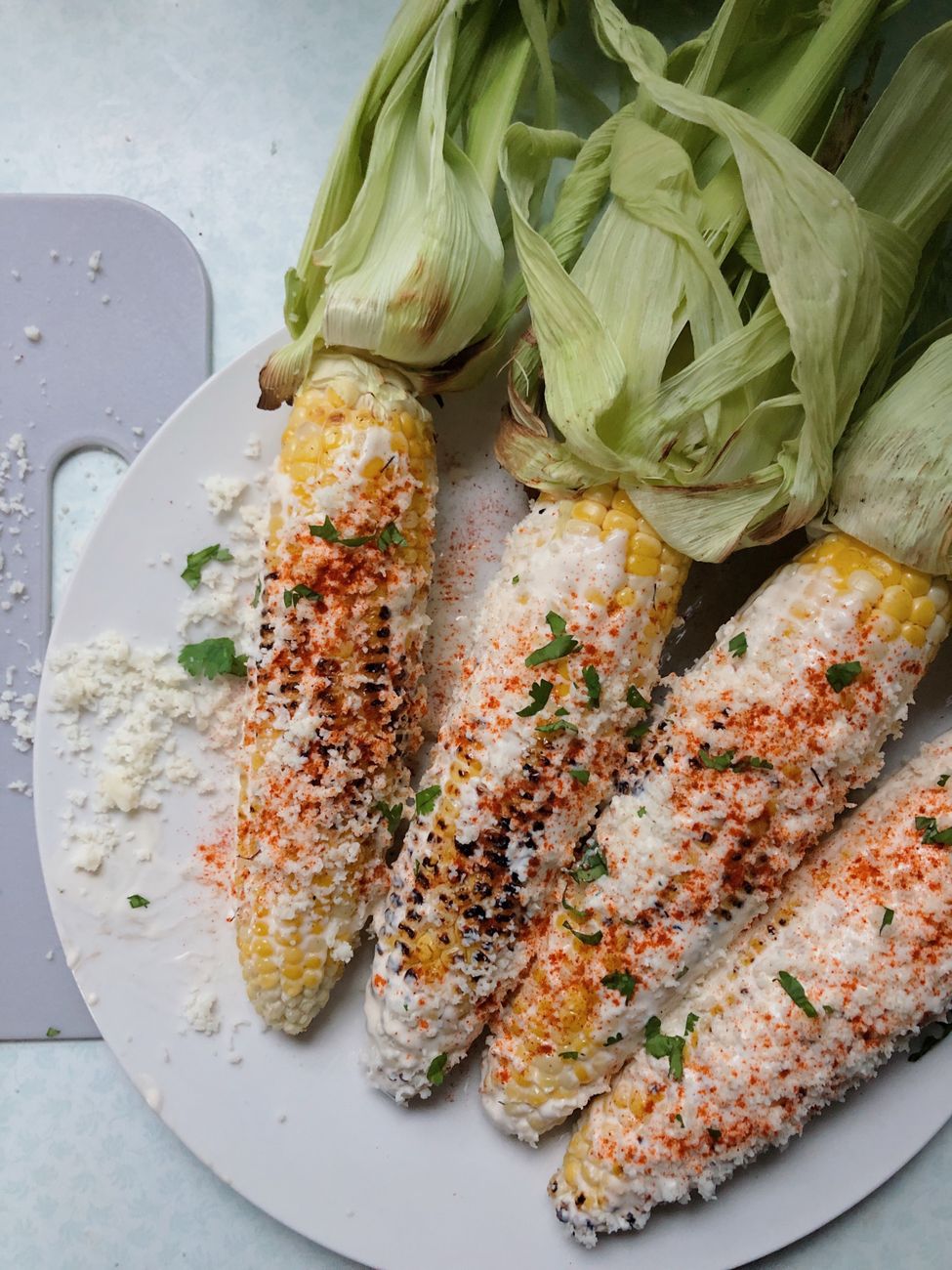
Street corn sparked something bigger than anyone expected. That perfect combination of sweet charred kernels, tangy lime, and chile heat has inspired a whole family of dishes that capture the same magic in different forms.
Elote salad transforms the whole experience into something you can actually share around the table. Those kernels get charred until they're practically caramelized, then get tossed with lime juice, Mexican crema, and a generous shake of chile-lime seasoning. The real revelation comes when you add fresh jalapeños or serranos directly into the mix—suddenly you've got these little bursts of heat playing against the sweet corn that make every forkful different.
Then there's elote pizza, which sounds like fusion gone wrong but absolutely isn't. The combination of charred corn, Mexican cheese blend, and chile-spiked crema creates something that hits both your comfort food buttons and your craving for real Mexican flavors. The best versions include poblanos blistered right on top, adding that smoky heat that builds rather than burns.
What I love about these elote riffs is how adaptable they are for feeding a crowd. A light dusting of chile piquín keeps things friendly for sensitive palates, while diced jalapeños or a drizzle of salsa macha can dial up the heat for those who want it. Everyone gets fed, everyone gets happy.
Salsa Macha Claims Its Rightful Throne
It's about time salsa macha got its due. While salsa verde and roja have dominated Mexican tables forever, this oil-based wonder from Veracruz delivers something completely different—and completely addictive.
Unlike smooth hot sauces that just bring heat, salsa macha is all about texture and complexity. Those little bits of dried chiles, nuts, and seeds create bursts of flavor that keep your palate engaged. The chile oil carries warmth throughout your mouth in the most satisfying way, while the nuts and seeds add richness and that satisfying crunch.
Traditional versions use chiles de árbol and chipotle, landing in that perfect medium heat zone that adds excitement without requiring milk on standby. Regional variations play with everything from habaneros to chile piquín, and the nut situation varies too—peanuts, pumpkin seeds, sometimes sesame seeds for extra richness.
Here's why salsa macha is taking over kitchens: it makes everything better. Grilled vegetables, any style of eggs, tacos, quesadillas, simple rice and beans—even pasta if you're feeling adventurous. Unlike some Mexican salsas that have their specific homes, salsa macha enhances whatever could use a hit of complex, satisfying heat.
Mezcal Meets Fire in Unexpected Ways
Mezcal's natural smokiness has always played well with Mexican spice, but smart cooks are taking this relationship to new places by incorporating mezcal directly into their spicy cooking.
Mezcal-spiked salsas are probably the most successful application I've seen. The alcohol cooks off, leaving behind that distinctive smokiness that amplifies the char flavors in roasted chiles. Make a salsa with fire-roasted tomatoes, charred jalapeños, and a splash of good mezcal, and you get these incredible layers of smoke that feel almost architectural in their complexity.
Chile-mezcal glazes are showing up on grilled chicken and roasted vegetables, and for good reason. The alcohol helps everything stick while the agave sweetness balances whatever heat level you're working with. These work particularly well with poblanos or Anaheim chiles—mild enough heat to let the mezcal character really shine through.
I've even seen brave cooks working mezcal into mole, though this takes a careful hand. You're not making boozy sauce; you're adding another layer to something already intricate. When it works, the mezcal enhances those chocolate and chile notes without overwhelming the whole production.
The Regional Heat Wave
What makes this moment in Mexican spicy food so exciting is watching regional specialties find broader audiences while keeping their authentic heat profiles intact. Dishes that used to be geographically bound are showing up everywhere, adapted slightly for local tastes but maintaining their essential spicy soul.
Yucatecan cochinita pibil is winning people over partly because its heat comes from achiote and habaneros rather than the jalapeño-heavy approach most people know from Mexican-American cuisine. That fruity heat playing against citrus-marinated pork feels both familiar and revelatory.
Oaxacan chile rellenos stuffed with spicy chorizo represent something completely different from the mild poblano versions most restaurants serve. These use chiles chilaca or even jalapeños, so every single bite delivers meaningful heat alongside that rich, meaty filling.
Pueblan cemitas with chipotles en adobo are having their moment too. The combination of smoky, spicy chiles with avocado, pickled jalapeños, and papalo creates a sandwich experience that satisfies heat seekers and flavor chasers equally.
These regional dishes work because they offer heat as part of a complete flavor experience, not heat as the main event. They invite you to explore rather than endure, making them perfect for adventurous eaters who want authentic Mexican flavors without feeling like they signed up for a dare.
This whole Mexican spicy food wave feels like it has real staying power precisely because it's built on genuine culinary traditions rather than novelty. These are dishes that satisfy actual cravings for complex, warming heat that makes food more delicious rather than just more challenging. And honestly, that's the kind of heat revolution worth getting behind.
Peppers featured in this post
Cook with this idea
Recipes to try next.
Put these ingredients and techniques to use in your next meal.

mexican · medium
Jun 14, 2026Chipotle Carnitas Rice Bowl with Poblano Crema
Tender pork carnitas with smoky chipotle heat served over cilantro-lime rice, topped with poblano crema and pickled jalapeños. 205 min · 0 saves.

mexican · medium
May 11, 2026Chorizo and Black Bean Burger with Los Calientes Rojo Crema
Mexican-inspired burgers where spiced chorizo meets earthy black beans, topped with a tangy Los Calientes Rojo crema that brings just the right amount of heat and bright tomato flavor to every bite. 37 min · 0 saves.

mexican · medium
May 4, 2026Chipotle Cream Spaghetti with Chorizo and Poblanos
Silky pasta tossed in a smoky chipotle-spiked cream sauce with crispy chorizo and charred poblano strips 35 min · 0 saves.
Bottle picks
Related hot sauce reviews.
Explore sauces with related ingredients, flavors, and heat levels.
Heatonist Los Calientes Rojo Review
Heatonist Los Calientes Rojo: flavor notes, heat level, and suggested food pairings.
Best for tacos
Best for: Tacos and rice bowls
Skip if: Skip if you are chasing a novelty-level heat hit or a super-special-occasion bottle.
Read review
Yellowbird Habanero Hot Sauce Review
A bright, carrot-forward bottle with enough heat to stay lively and enough sweetness to stay versatile.
Best for tacos
Best for: Tacos and rice bowls
Skip if: Skip if you want a classic vinegar-forward table sauce with almost no sweetness.
Read review
Fly By Jing Sichuan Gold Review
A citrusy, tingly sauce with real peppercorn presence and enough versatility to move beyond dumplings.
Best for dumplings
Best for: Eggs and breakfast tacos
Skip if: Skip if you want a thick, smoky wing sauce more than a bright finishing bottle.
Read review
Go deeper
Background guides that build on this.
Keep reading
More on this subject.
If this post helped, these are the next pieces most likely to keep the thread going.

culture
May 29, 2026Birria, Aguachile, Cochinita Pibil, and Pozole Rojo
Birria, aguachile, cochinita pibil, and pozole rojo use chiles and other seasonings differently. Compare their sauces, broths, and garnishes.
culture
May 13, 2026Beyond Tacos: The Spicy Mexican Dishes Taking Over American Tables
These smoky, chile-soaked dishes from Mexico's regions are winning over American dinner tables with their layered heat and bold techniques—and they deserve a spot at yours.

culture
Jun 15, 2026Four Middle Eastern Heat Styles That Should Be on Your Radar Right Now
From harissa's patient burn to zhug's bright herb-fire, these Middle Eastern heat styles teach us that the best spicy food builds complexity alongside warmth—and they'll change how your family thinks about heat.
Comments
Reader discussion is shared across recipes, reviews, and editorial pieces.
Comments are read-only while member sign-in is paused.