
culture
Beyond Aji Verde: Peru's Rising Spicy Regional Dishes That Deserve Your Attention
Peru's kitchen holds spicy secrets far beyond the familiar aji verde. From Arequipa's deceptive rocoto relleno to the Amazon's precious aji charapita, these regional treasures bring the kind of heat that tells stories.
Share this
Pass it around
Send this page to a friend, copy the link, or save it to a Pinterest board.

Save for later
Pin this page
Save the image with a link back to this recipe, review, or article.
Most of us know Peru through its gentler ambassadors—bright ceviche, hearty lomo saltado, maybe that ubiquitous green aji verde. But venture beyond the tourist favorites, and you'll discover a country where every region speaks its own language of heat. These aren't dishes designed to punish; they're love letters to centuries of pepper wisdom, passed down through kitchens that never forgot their roots.
Peru's wild geography shapes everything about how people cook and eat. Along the coast, cooks reach for the fruity fire of aji amarillo and the clean burn of rocoto. Up in the highlands, they build warmth with earthy aji panca and smoky mirasol. Deep in the Amazon, tiny aji charapita peppers pack more punch per square millimeter than seems physically possible. Each region's signature dishes tell you exactly where you are, one spoonful at a time.
Rocoto Relleno: Arequipa's Beautiful Betrayal
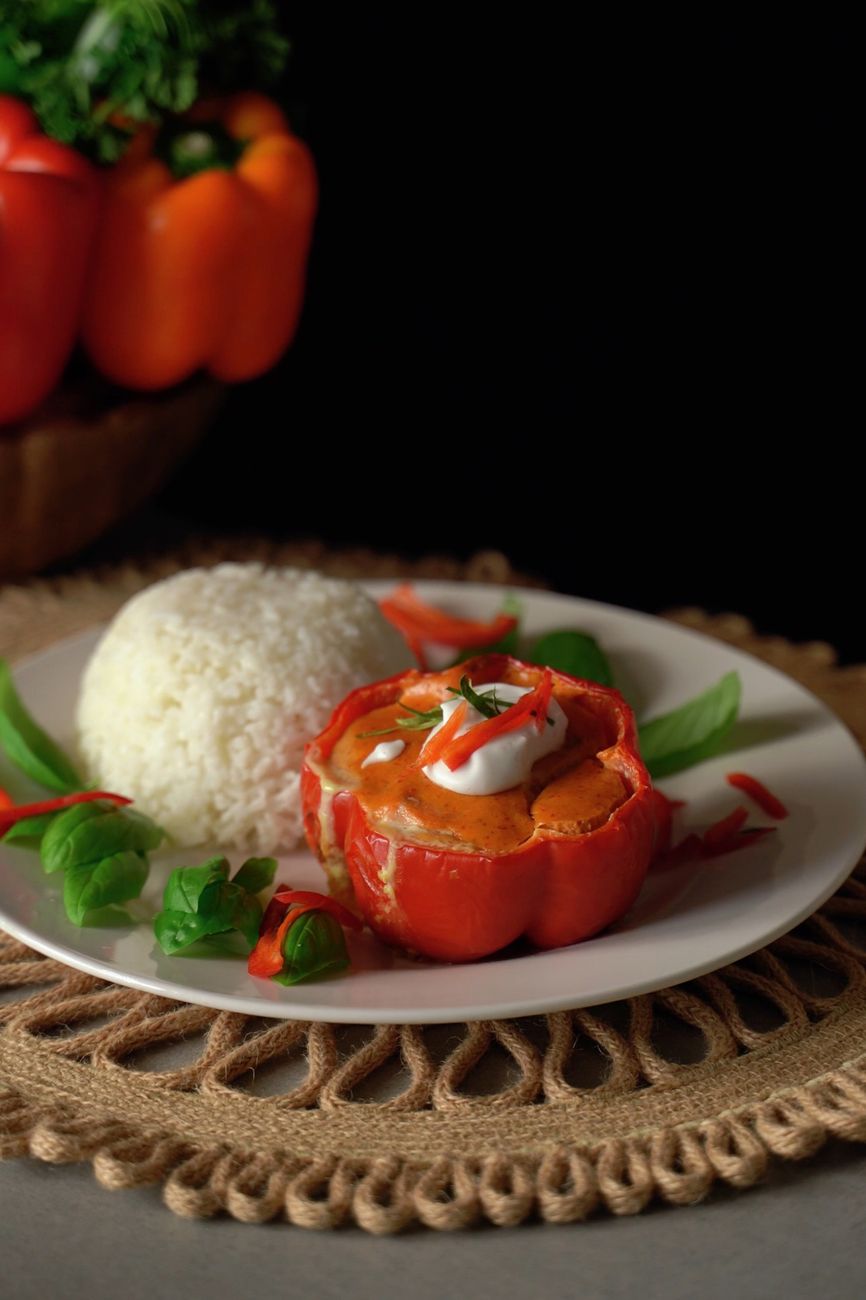
Here's a dish that looks like it wandered over from your grandmother's Sunday table—a plump red pepper, golden from the oven, stuffed with what appears to be a perfectly innocent meat and cheese filling. Don't be fooled. That innocent-looking rocoto pepper is about to remind you that appearances lie.
Rocoto brings a particular kind of heat that sneaks up on you. It's not the smoky slap of chipotle or the bright sting of jalapeño—it's something cleaner, more direct. The heat builds steadily, wave after wave, while you're still thinking, "This isn't so bad."
The traditional Arequipan filling knows its job: ground beef mixed with onions, garlic, and cumin, plus chunks of hard-boiled egg and fresh cheese that offer little islands of relief between the fire. Smart cooks will partially pre-cook those rocoto peppers to dial down some of the intensity, but even the "mild" version demands your attention.
What makes this dish brilliant is how rocoto peppers behave in the kitchen. Those thick, meaty walls hold stuffing beautifully, and their heat varies enough to keep things interesting. Some rocoto rellenos offer a gentle tingle; others will have you reaching for bread. It's this unpredictability that keeps locals coming back.
When Ají de Gallina Gets Serious
You probably know ají de gallina as Peru's comfort food champion—shredded chicken in that golden, gently spiced cream sauce. But travel around Peru, and you'll find cooks who decided the original needed more backbone.
In the north, they'll slip rocoto peppers into that creamy sauce. Along the coast, some add ají limo, a fierce little pepper that brings citrusy fire. The genius remains the same: bread-thickened sauce, evaporated milk, and cheese create a rich canvas that carries serious heat without overwhelming everything else.
This same smart technique shows up in dishes that rarely make it onto international menus:
- Ají de cabrito from Lambayeque takes goat meat swimming in extra ají amarillo, sometimes with rocoto accents that'll surprise you
- Ají de cuy from the highlands features guinea pig in a sauce that doesn't mess around
- Ají de pato brings duck together with cilantro and whatever fierce pepper combination the cook feels like that day
These dishes prove something important: Peruvian cooks figured out long ago how to make intense heat approachable. They're not interested in punishment—they want you to taste the fire and come back for more.
Amazon Treasures: Juanes and the Legendary Ají Charapita
Peru's jungle produces some of the most fascinating spicy food you'll never find in a Peruvian restaurant abroad. Take juanes—rice and meat wrapped in bijao leaves like edible presents. The traditional versions use mild ají dulce for gentle warmth, but more and more cooks are reaching for the Amazon's crown jewel: ají charapita.
These tiny orange pearls, barely the size of peas, pack enough concentrated heat to make you question everything you thought you knew about peppers. They grow wild throughout Peru's Amazon basin, and their hand-harvesting requirements help explain why they're among the world's most expensive peppers. But a few of these little devils can transform an entire pot of rice.
Juanes made with ají charapita offer heat that builds like a slow burn, fruity and floral before the fire kicks in. The rice absorbs those pepper oils during cooking, so every grain carries the message. Chicken or pork provides richness, hard-boiled eggs offer cooling contrast, and that bijao leaf wrapper steams everything into intensely flavorful packages.
The Amazon also gives us tacacho con cecina—mashed plantains with dried meat—that gets spiked with ají charapita, and fish preparations that pair jungle peppers with whatever the river provided that day. This is indigenous cooking that remembers its roots.
Anticuchos: How to Do Street Food Heat Right
If Peru has a spicy street food ambassador that actually travels well, it's anticuchos—those grilled beef heart skewers that manage to taste both familiar and completely exotic. Their secret lies in an overnight bath of ají panca marinade that works magic on tough heart muscle.
Aji panca brings moderate heat wrapped in complexity—fruity notes that edge toward raisin sweetness, subtle smokiness that doesn't overwhelm. The marinade doesn't just add flavor; it tenderizes, working its way deep into the meat overnight.
Smart vendors serve anticuchos alongside papa rellena and corn, creating a meal that manages heat intelligently. Those starchy sides give you breathing room between bites of intensely seasoned meat. And there's usually aji verde or fiercer salsas on hand for anyone who wants to push their luck.
Regional variations tell their own stories. Northern cooks might add ají amarillo for brightness. Highland versions sometimes incorporate rocoto for extra intensity. Coastal areas play with ají limo when they want to separate the serious eaters from the tourists.
Building Your Pepper Vocabulary
Diving into Peru's spicy regional cooking means getting friendly with the country's pepper vocabulary. Ají amarillo is your gateway drug—fruity, medium heat, works in almost everything. Ají panca brings mild-to-moderate warmth with deep, complex flavor that'll make you wonder why you ever bothered with generic chili powder. Rocoto delivers clean, intense fire. And ají charapita? Save that for when you want to experience something truly special.
Most Latin American markets carry frozen Peruvian peppers or prepared pastes. The frozen ones work better than dried for home cooking—they maintain more of their original character. If you go with pastes, read the ingredients; some commercial versions load up on unnecessary additives.
Start with ají amarillo and ají panca to build your foundation. Add rocoto gradually while you figure out your heat tolerance. Save ají charapita for occasions when you want to taste what Peru's jungle has been hiding.
These dishes prove that Peru's kitchen holds secrets worth discovering. Each one represents centuries of evolution, where indigenous ingredients met diverse techniques and created something entirely their own. They deserve attention from anyone who wants to understand how different cultures make friends with fire.
Peppers featured in this post
Cook with this idea
Recipes to try next.
Put these ingredients and techniques to use in your next meal.

peruvian · medium
May 17, 2026Aji Amarillo Chicken and Rice Bowl with Cilantro-Lime Crema
Tender chicken pieces bathed in Peru's beloved aji amarillo pepper sauce, nestled over fragrant cilantro rice with cooling lime crema and tangy pickled onions. 60 min · 0 saves.

peruvian · medium
May 3, 2026Ají Amarillo Glazed Chicken Wings
Crispy baked chicken wings coated in a vibrant ají amarillo glaze that delivers Peru's signature fruity heat with hints of garlic and lime. 65 min · 0 saves.
peruvian · hot
Oct 19, 2026Ají de Gallina with Habanero
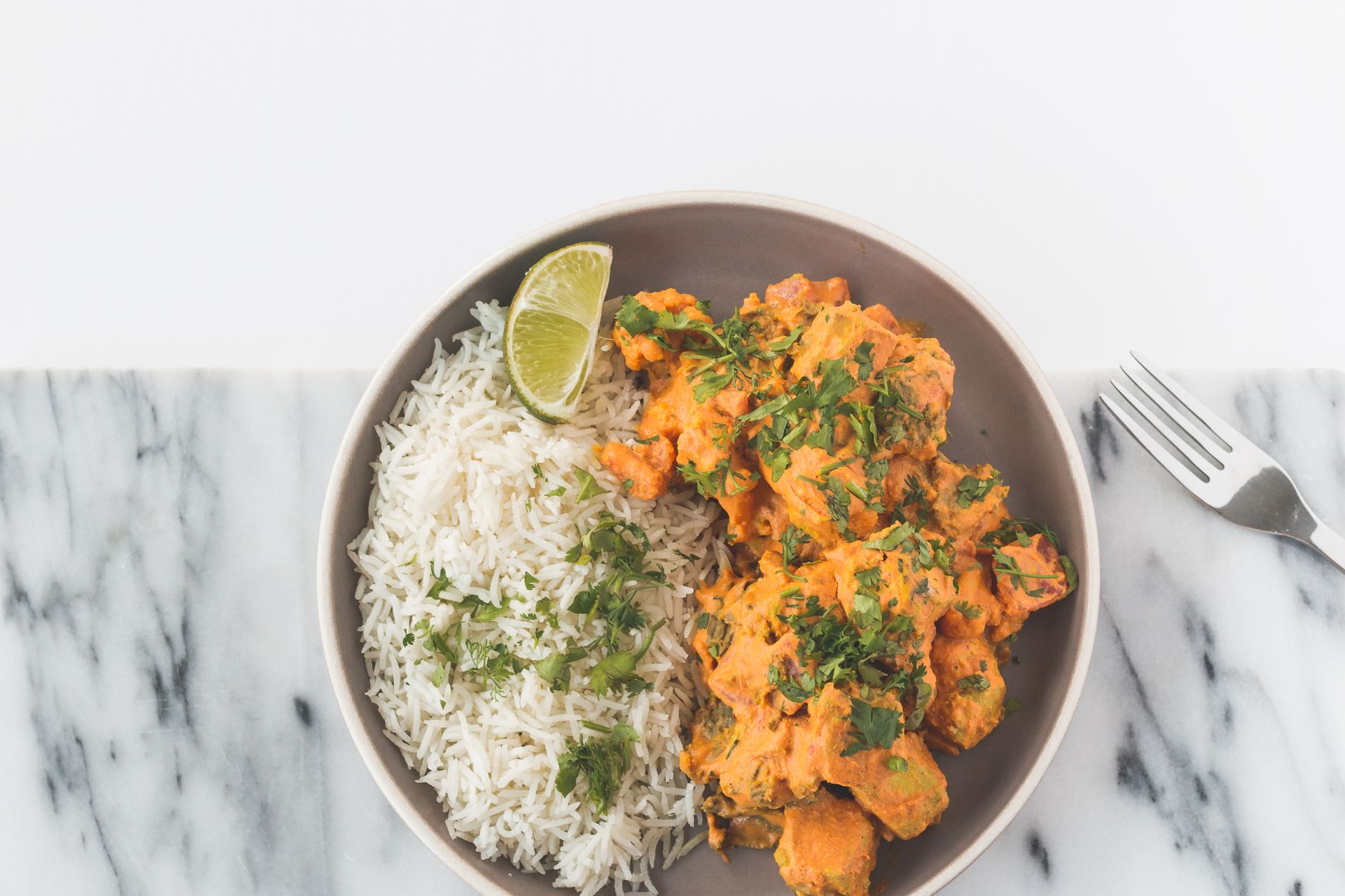
Peruvian creamed chicken thickened with ground walnuts and bread, finished with habanero heat. Serve over boiled potatoes and rice for a weeknight dinner with serious spice. 55 min · 0 saves.
Bottle picks
Related hot sauce reviews.
Explore sauces with related ingredients, flavors, and heat levels.
Fly By Jing Sichuan Gold Review
A citrusy, tingly sauce with real peppercorn presence and enough versatility to move beyond dumplings.
Best for dumplings
Best for: Eggs and breakfast tacos
Skip if: Skip if you want a thick, smoky wing sauce more than a bright finishing bottle.
Read review
Mike's Hot Honey Review
Sweet heat done right: sticky, quick, and versatile enough to become a finishing move instead of a novelty.
Best for gifting
Best for: Pizza and fried chicken
Skip if: Skip if you want a classic vinegar-forward table sauce with almost no sweetness.
Read review
Heatonist Los Calientes Rojo Review
Heatonist Los Calientes Rojo: flavor notes, heat level, and suggested food pairings.
Best for tacos
Best for: Tacos and rice bowls
Skip if: Skip if you are chasing a novelty-level heat hit or a super-special-occasion bottle.
Read review
Go deeper
Background guides that build on this.
Keep reading
More on this subject.
If this post helped, these are the next pieces most likely to keep the thread going.
culture
Jun 12, 2026Why Peruvian Spice Is Having Its Moment: Three Dishes That Show How Heat Works in Lima
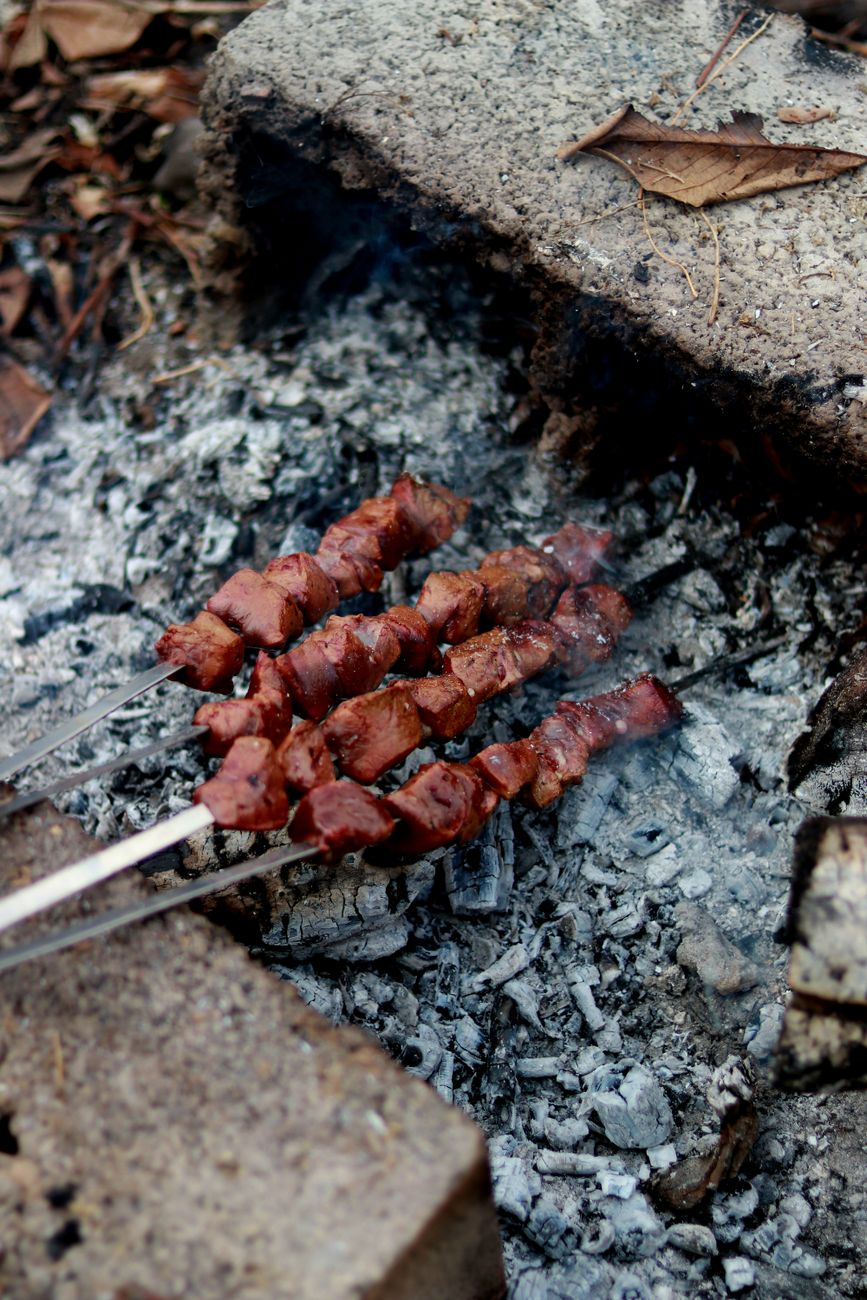
From ají amarillo's golden fire to rocoto's sneaky burn, Peruvian kitchens understand heat like nowhere else. Here's why anticuchos, causa limeña, and ají de gallina should be on your table—and how their brilliant balance of spice and soul is winning over everyone from timid eaters to serious chile heads.
culture
Jun 9, 2026Peru's Spicy Soul Food: Why These Heat-Driven Dishes Are Taking Over Tables
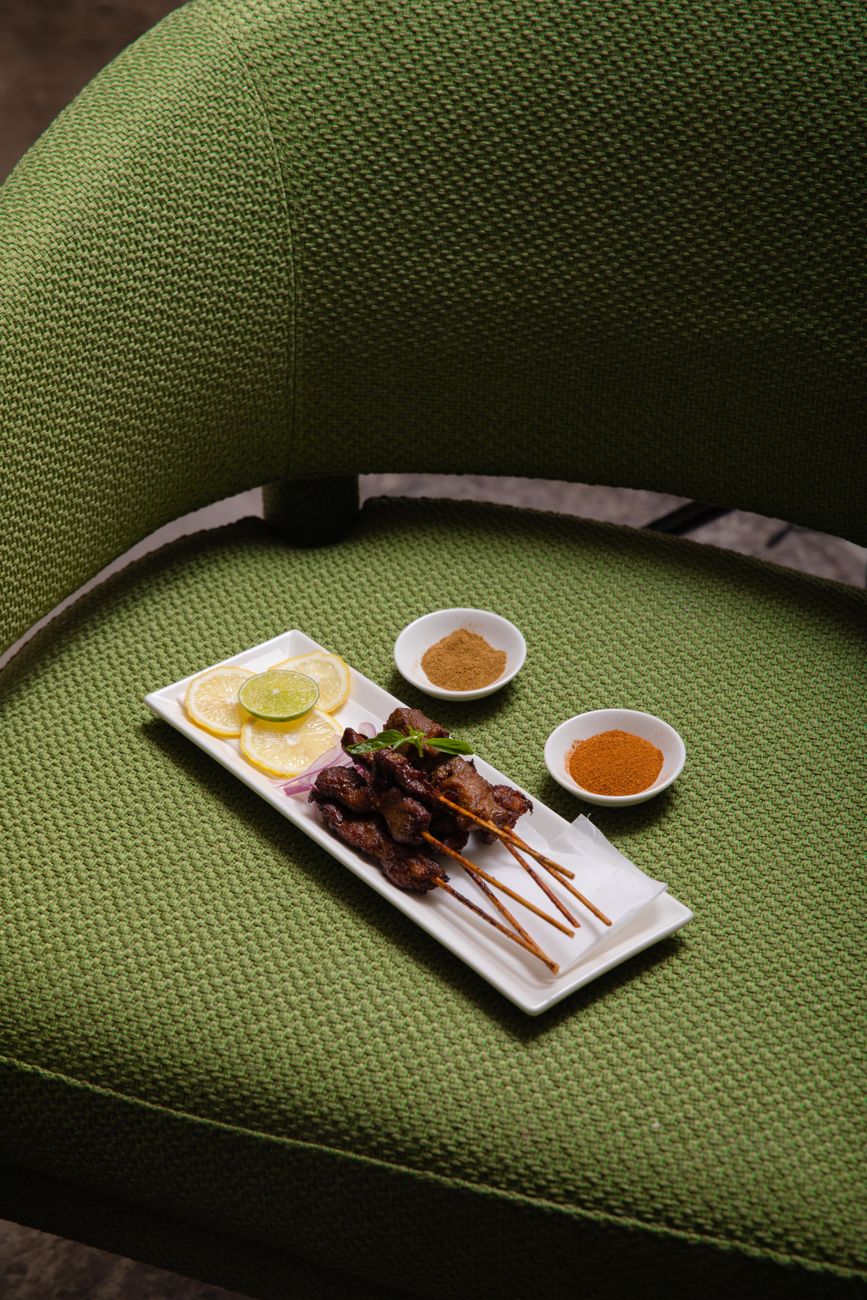
From ají amarillo-spiked anticuchos to rocoto-stuffed peppers, Peru's most craveable spicy dishes offer complex heat that goes far beyond the burn. Here's what makes them so addictive and why they deserve a spot at your table.
culture
May 20, 2026Cooking with Ají Amarillo, Rocoto, and Ají Panca
Compare ají amarillo, rocoto, and ají panca, including their textures and the dishes that put their different flavors to use.
Comments
Reader discussion is shared across recipes, reviews, and editorial pieces.
Comments are read-only while member sign-in is paused.