
FlamingFoodies recipe
Sichuan-Style Fish and Tofu Stew with Doubanjiang
A soul-warming Chinese fish stew that builds its magic on fermented bean paste, with silky tofu and tender white fish swimming in a beautifully balanced sauce that whispers heat while shouting umami.
Flaky white fish and silky tofu nestle into a rich Sichuan-style broth built on fermented bean paste—moderately spicy comfort food that brings umami depth to your dinner table.
Ingredients
Fish and Tofu
- 1.5 lbsfirm white fish fillets, cod, halibut, or sea bass, cut into 2-inch pieces
- 14 ozfirm tofu, drained and cut into 1-inch cubes
- 1 tspkosher salt, for fish
- 1 tbspcornstarch, for dusting fish
Stew Base
- 3 tbspdoubanjiang, fermented broad bean paste
- 2 tbspneutral oil, for frying
- 4 clovesgarlic, minced
- 2 inchfresh ginger, minced
- 3 wholescallions, white parts minced, green parts sliced for garnish
- 1 tspSichuan peppercorns, lightly crushed
- 2 cupschicken stock, or vegetable stock
- 2 tbspShaoxing wine, or dry sherry
- 1 tspsugar
- 1 tbsplight soy sauce
Method
1. Prepare and sear the fish Season your fish pieces with salt and dust them lightly with cornstarch. Heat oil in a heavy-bottomed pot over medium-high heat and sear the fish until golden on one side—about 3 minutes without fussing with it. Flip and give it another 2 minutes, then set aside on a plate. The fish will finish cooking later.
Watch for: Fish should release easily from the pan when ready to flip
Tip: Let the fish tell you when it's ready to flip—it'll release easily from the pan when that golden crust has formed.
2. Build the aromatic base Turn the heat down to medium and add your doubanjiang to the same pot. Stir-fry it for about 2 minutes until it darkens and fills your kitchen with that deep, savory smell. Add the garlic, ginger, scallion whites, and crushed Sichuan peppercorns, stirring constantly for 30 seconds until everything blooms.
Watch for: Mixture should smell deeply savory and slightly spicy, not burnt
Tip: The doubanjiang will pop and splutter—totally normal! Just keep stirring to prevent any burning.
3. Create the stew liquid Splash in the Shaoxing wine and let it bubble enthusiastically for 30 seconds. Pour in your stock along with the sugar and soy sauce, bringing everything to a gentle boil before settling into a simmer. Let this base cook for 8 minutes to meld all those flavors together.
Watch for: Liquid should reduce by about one-quarter and taste well-seasoned
Tip: Give the broth a taste here—it should have a nice savory heat that makes you want another sip, not one that makes you reach for water.
4. Finish with tofu and fish Gently lower the tofu cubes into your simmering stew and let them warm through for 3 minutes. Nestle the fish back into the pot, spooning some of that gorgeous sauce over the top. Simmer for another 3-4 minutes until the fish flakes easily with a fork.
Watch for: Fish should flake easily when tested with a fork
Tip: Treat the tofu like it's precious—because it is! Gentle handling keeps those cubes intact and beautiful.
Equipment
- heavy-bottomed pot or wok
- cutting board
- sharp knife
Make ahead
- You can make the stew base through step 3 up to a day ahead. Just refrigerate it, then warm gently before adding your tofu and fish.
Storage
- Leftovers keep covered in the fridge for up to 3 days. The fish will get more tender but might break apart a bit when you reheat—still delicious though.
Reheat
- Warm gently over low heat, stirring as little as possible to keep your fish and tofu pieces looking pretty. Add a splash of stock if it's gotten too thick.
Top tips
- Let the stew rest off the heat for 5 minutes before serving—those flavors will settle beautifully and the fish will finish cooking in that gentle warmth.
- Every doubanjiang brand has its own personality when it comes to heat, so taste as you go and add more gradually if you want more fire.
- A wide, shallow pot works better than a deep one—gives your fish and tofu room to breathe without getting crowded.
Substitutions
- No doubanjiang? Mix some miso paste with chili garlic sauce—different flavor, but still delicious
- Press extra-firm tofu really well, or try cubed winter squash for something completely different
- Large shrimp or scallops work beautifully here too—just adjust the cooking time so they don't get rubbery
Serve with
- Serve over fluffy jasmine rice—it's perfect for soaking up all that savory sauce
- Scatter those reserved scallion greens on top and maybe drizzle with a little chili oil
- A side of simple steamed Chinese broccoli makes this feel like a proper feast
Find another recipe
Open archive →Sichuan-Style Fish and Tofu Stew with Doubanjiang

A soul-warming Chinese fish stew that builds its magic on fermented bean paste, with silky tofu and tender white fish swimming in a beautifully balanced sauce that whispers heat while shouting umami.
Prep
20 min
Cook
25 min
Active
30 min
Total
45 min
Yield
4 servings
Share this
Pass it around
Send this page to a friend, copy the link, or save it to a Pinterest board.
Save for later
Pin this page
Save the image with a link back to this recipe, review, or article.
Recipe notes
Before you cook
Doubanjiang—fermented broad bean paste—builds this stew around layers of salt, umami and moderate heat. White fish and tofu cook gently in the broth without the lip-numbing intensity of mapo tofu, but with enough spice to carry flavor through the bowl.
Total time
45 min
Prep: 20 min. Cook: 25 min.
Yield
4 servings
The ingredient quantities below are for this yield.
Method
How to cook it
Use the step navigator to move around, or stay in cook mode and work top to bottom.
- 1
Step 1 of 4
Prepare and sear the fish
Season your fish pieces with salt and dust them lightly with cornstarch. Heat oil in a heavy-bottomed pot over medium-high heat and sear the fish until golden on one side—about 3 minutes without fussing with it. Flip and give it another 2 minutes, then set aside on a plate. The fish will finish cooking later.
- 2
Step 2 of 4
Build the aromatic base
Turn the heat down to medium and add your doubanjiang to the same pot. Stir-fry it for about 2 minutes until it darkens and fills your kitchen with that deep, savory smell. Add the garlic, ginger, scallion whites, and crushed Sichuan peppercorns, stirring constantly for 30 seconds until everything blooms.
- 3
Step 3 of 4
Create the stew liquid
Splash in the Shaoxing wine and let it bubble enthusiastically for 30 seconds. Pour in your stock along with the sugar and soy sauce, bringing everything to a gentle boil before settling into a simmer. Let this base cook for 8 minutes to meld all those flavors together.
- 4
Step 4 of 4
Finish with tofu and fish
Gently lower the tofu cubes into your simmering stew and let them warm through for 3 minutes. Nestle the fish back into the pot, spooning some of that gorgeous sauce over the top. Simmer for another 3-4 minutes until the fish flakes easily with a fork.
Troubleshooting
Tips that matter
- Let the stew rest off the heat for 5 minutes before serving—those flavors will settle beautifully and the fish will finish cooking in that gentle warmth.
- Every doubanjiang brand has its own personality when it comes to heat, so taste as you go and add more gradually if you want more fire.
- A wide, shallow pot works better than a deep one—gives your fish and tofu room to breathe without getting crowded.
Substitutions and variations
Storage and leftovers
Plan ahead and reheat well
Make ahead
You can make the stew base through step 3 up to a day ahead. Just refrigerate it, then warm gently before adding your tofu and fish.
Storage
Leftovers keep covered in the fridge for up to 3 days. The fish will get more tender but might break apart a bit when you reheat—still delicious though.
Reheat
Warm gently over low heat, stirring as little as possible to keep your fish and tofu pieces looking pretty. Add a splash of stock if it's gotten too thick.
At the table
Serving suggestions
- Serve over fluffy jasmine rice—it's perfect for soaking up all that savory sauce
- Scatter those reserved scallion greens on top and maybe drizzle with a little chili oil
- A side of simple steamed Chinese broccoli makes this feel like a proper feast
FAQ
Common questions
Can I make this stew less spicy?
Of course! Start with just 2 tablespoons of doubanjiang and taste your broth after step 3. You can always add more heat, but there's no going back once it's in there.
What if my doubanjiang seems very salty?
Brands really vary on saltiness, so taste your stew base before adding the soy sauce. You might need just a little, or maybe none at all—let the doubanjiang do most of the seasoning work.
Why does my tofu fall apart in the stew?
Stick with firm or extra-firm tofu, and be gentle when you're adding it to the pot. Silken tofu is lovely, but it's too delicate for this kind of cooking.
Heat profile
Medium heat
The recipe is classified as medium. Use less chile if you prefer milder food.
Skill level
Intermediate
Check the method for steps that need to be prepared at the same time.
Total time
45 min
Prep: 20 min. Cook: 25 min.
Yield
4 servings
The ingredient quantities below are for this yield.
Cook this with
Three useful buys before you start
A sauce, a pantry ingredient, and a kitchen tool to consider for this dish.
Sauce
Yellowbird Habanero
Yellowbird · Best for tacos
It brings enough heat to cut through the richer bites without flattening the rest of the dish.
Get the sauce used herePantry
Crunchy Chili Crisp
Texture hit
Finishing bowls and dumplings. Crunch, oil, and lingering heat for dumplings, eggs, noodles, and roasted vegetables.
Grab the pantry stapleGear
Carbon Steel Wok
Fast heat
High-heat noodles and fried rice. Built for smoky stir-fries, chili oil noodles, and any dinner that needs real burner contact.
Use this toolPair this with
The right bottle for this recipe
These sauce picks are matched to the dish itself, not dropped in at random. Use them to finish, sharpen, or push the heat where it helps.
Yellowbird Habanero
It brings enough heat to cut through the richer bites without flattening the rest of the dish.
A bright, carrot-forward bottle with enough heat to stay lively and enough sweetness to stay versatile.
Los Calientes Rojo
It brings enough heat to cut through the richer bites without flattening the rest of the dish.
Heatonist Los Calientes Rojo: flavor notes, heat level, and suggested food pairings.
Shop the pantry
Pantry staples for this recipe
Texture hit
$10-$16Crunchy Chili Crisp
Finishing bowls and dumplings. Crunch, oil, and lingering heat for dumplings, eggs, noodles, and roasted vegetables.
Check price on AmazonClean chile hit
$7-$12Huy Fong Sambal Oelek
Fried rice, noodles, and spicy sauces. Straight chili paste for fried rice, noodle sauces, mayo mixes, and dishes that want heat without sweetness.
Check price on AmazonFlavor builder
$8-$15Chung Jung One Gochujang Paste
Layered heat with umami. Fermented chili paste for noodles, wings, marinades, and that sweet-savory Korean backbone.
Check price on AmazonRecommended equipment
Cooking tools
Fast heat
$35-$70Carbon Steel Wok
High-heat noodles and fried rice. Built for smoky stir-fries, chili oil noodles, and any dinner that needs real burner contact.
Check price on AmazonDIY hot sauce
$20-$35Fermentation Jar Kit
Homemade sauce projects. A clean starter kit for building fermented hot sauces and pepper mash at home.
Check price on AmazonCook next
More recipes with similar heat
These are the next recipes most likely to fit the same mood, pantry, or heat level once this one is in your rotation.

szechuan · hot
May 6, 2026Sichuan Hot Oil Fish with Ma La Aromatics
Silky fish fillets swimming in fiery chili oil with numbing Sichuan peppercorns, fermented black beans, and tender vegetables. The heat builds gently, letting the delicate fish shine through all those bold, complex flavors. 35 min · 0 saves.

szechuan · hot
Apr 11, 2026Sichuan Mapo Tofu with Extra Chilies
Tender tofu nestled in a gorgeous brick-red sauce with ground pork, Sichuan peppercorns, and generous amounts of chilies that bring genuine warmth and fire to your table. 35 min · 0 saves.
chinese · medium
May 28, 2026Sichuan Mapo Tofu with Mushrooms
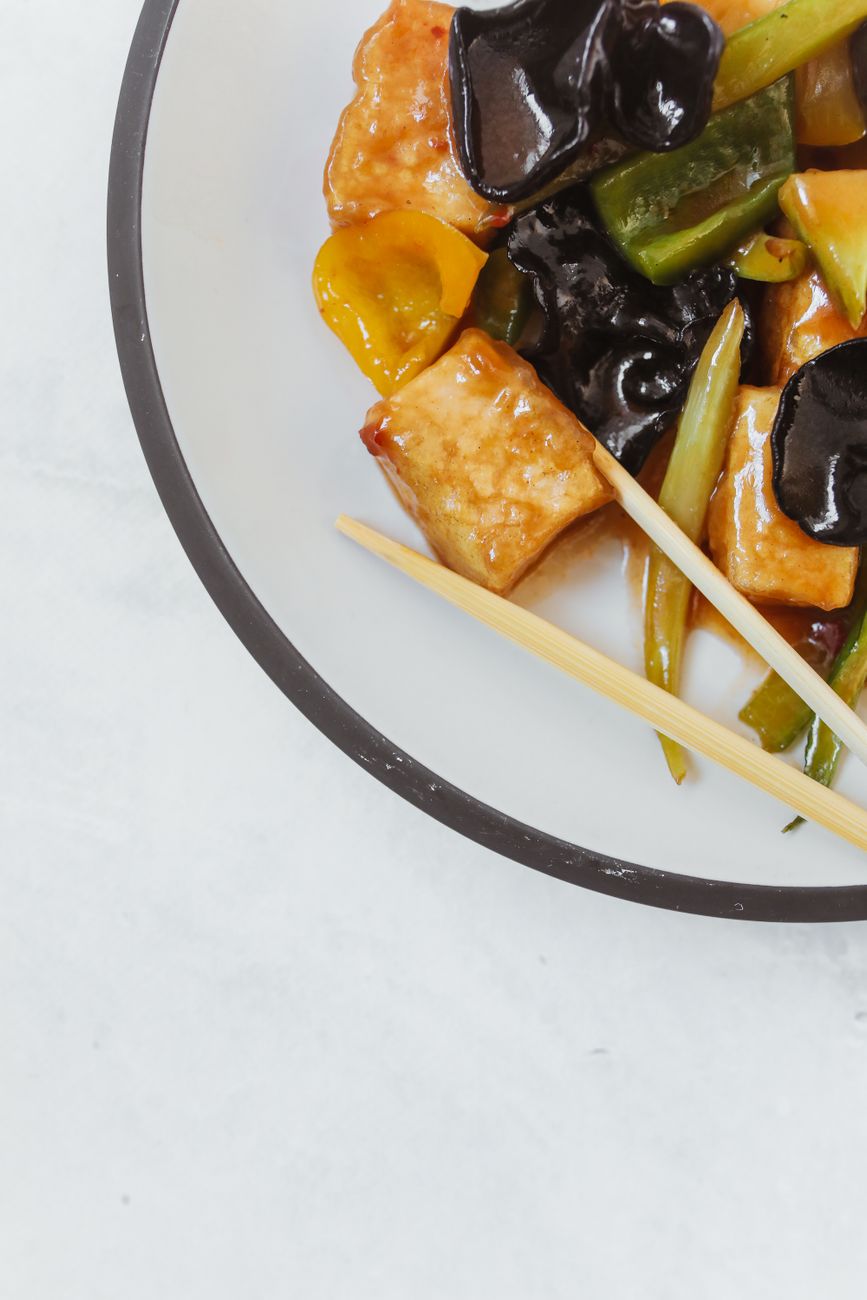
Silky tofu and meaty mushrooms braised in a numbing, aromatic sauce built on doubanjiang and Sichuan peppercorns 27 min · 0 saves.
FlamingFoodies picks
Pantry, gear, and bottle picks that fit this meal
Everyday bottle
Yellowbird Habanero Hot Sauce
Bright carrot-habanero heat with enough body to work on eggs, tacos, and roasted vegetables. Best for breakfasts, tacos, and meal prep bowls.
View on AmazonNumbing heat
Fly By Jing Sichuan Gold
A more citrusy, peppercorn-leaning sauce when you want flavor movement instead of pure capsaicin. Best for dumplings, noodles, and fried eggs.
View on AmazonFrom the blog
More about this dish
Read more about the ingredients and cuisine.
culture
May 23, 2026The New Chinese Spice Wave: How Mala and Beyond Are Reshaping Heat Culture
From Sichuan's tongue-numbing mala to Hunan's clean-burning dry pots, Chinese regional spice traditions offer lessons that will transform how you think about cooking with heat. Here's what your kitchen needs to know.
science
Apr 26, 2026Mala, Wok Hei, and Sweet-Spicy Sauces in Chinese Cooking
Explore mala seasoning, high-heat wok cooking, and sweet-spicy sauces, with examples of how each technique changes a dish.
Background guides
Read the guide behind the technique
Learn more about the cooking techniques used here.
Community notes
Reader discussion is shared across recipes, reviews, and editorial pieces.
Comments are read-only while member sign-in is paused.