culture
The New Chinese Spice Wave: How Mala and Beyond Are Reshaping Heat Culture
From Sichuan's tongue-numbing mala to Hunan's clean-burning dry pots, Chinese regional spice traditions offer lessons that will transform how you think about cooking with heat. Here's what your kitchen needs to know.

Share this
Pass it around
Send this page to a friend, copy the link, or save it to a Pinterest board.

Save for later
Pin this page
Save the image with a link back to this recipe, review, or article.
Chinese spice culture is having a moment, and it's about time. For too long, American palates knew Chinese food through the lens of sweet-and-sour everything and General Tso's predictability. But dig into the regional cooking that's been there all along, and you'll find some of the world's most sophisticated approaches to heat—each one with something valuable to teach your own kitchen.
This isn't just about dishes being "spicy." These are complete flavor systems where heat serves a purpose, builds complexity, and works alongside other elements instead of bulldozing over them. Once you understand how Sichuan numbs before it burns, or why Hunan cooks chase that clean, building heat, you'll never think about chili peppers the same way.
The Mala Magic: When Your Tongue Goes Electric
Sichuan's mala—literally "numbing-spicy"—might be the smartest thing that ever happened to hot food. That tingly, almost buzzing sensation from Sichuan peppercorns doesn't just feel interesting; it actually makes the chili heat more manageable. It's like your tongue gets a local anesthetic right before the fire hits.
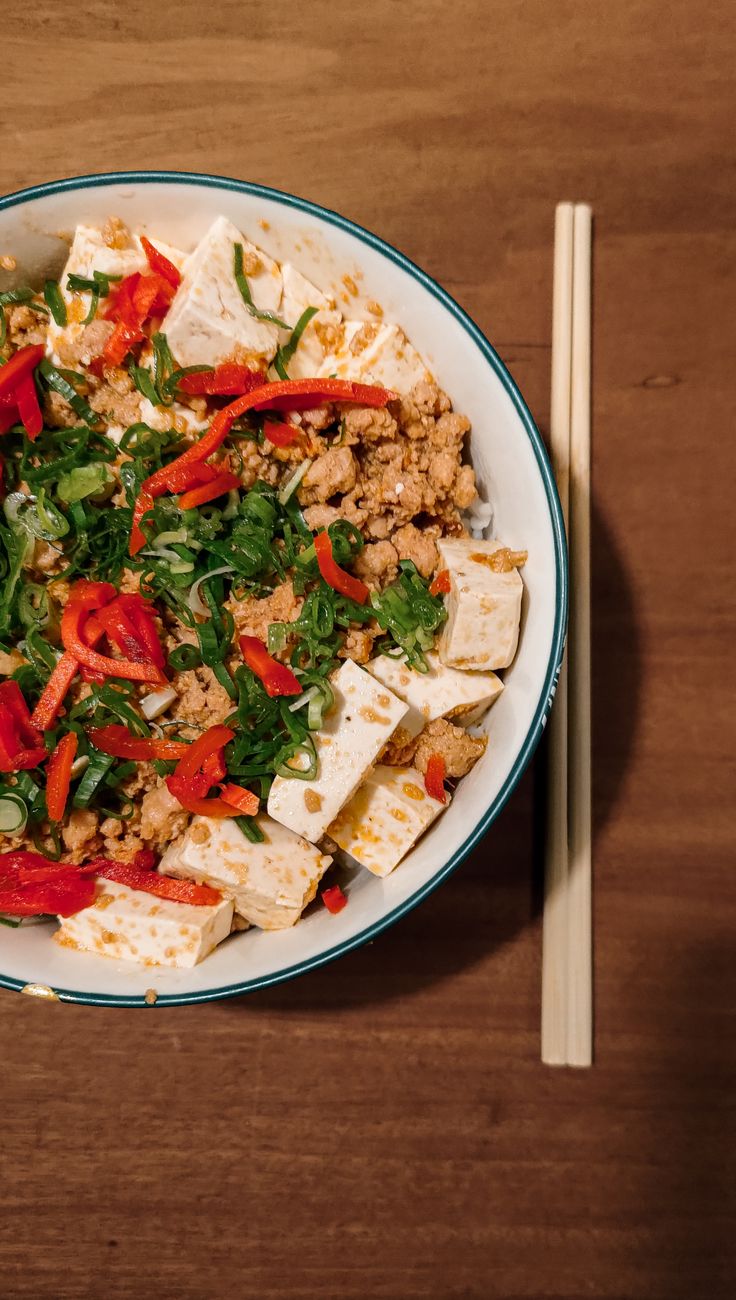
Mapo tofu tells this story perfectly. That brick-red sauce looks like it's going to destroy you, but taste it and you get this fascinating progression: first the electric tingle, then building warmth, then layers of fermented funk from doubanjiang and black beans. The heat is there—sometimes seriously there—but it never feels one-note or punishing.
Hot pot takes mala social. Everyone gathered around that bubbling cauldron of spiced broth, controlling their own heat destiny. A quick swish for your beef slice keeps things gentle. Let those glass noodles sit in there, and they'll soak up enough firepower to clear your sinuses. The beauty is that numbing buffer from the Sichuan peppercorns—it lets the broth carry more actual capsaicin than your mouth would normally tolerate.
This is the technique worth stealing: when you want to push heat levels in your own cooking, consider what creates a buffer. Sichuan peppercorns if you can find them, but even something as simple as a touch of sugar or a splash of vinegar can help intense heat feel more complex than painful.
Hunan's Honest Heat: No Safety Net Required
Hunan cuisine takes the opposite approach, and I respect the honesty. No numbing tricks, no dairy cushions—just clean, direct chili heat that builds as you eat. This is spice without training wheels, and when it's done right, it's revelatory.
Gan guo (dry pot) has become the calling card, and for good reason. That sizzling wok arrives at your table loaded with whatever you ordered—fish, pork belly, lotus root, potatoes—all tossed in chili oil and dried peppers until everything's got a slight char and concentrated flavor. The "dry" part matters: high-heat wok cooking that drives off moisture and intensifies everything left behind.
What gets me about Hunan heat is how it tastes like actual peppers. You're not getting some generic "spicy" sensation—you taste the specific chilies, whether they're those intense facing heaven peppers or milder dried reds. The heat accumulates, so a dish that starts perfectly manageable can turn into a serious challenge by the time you're halfway through.
Even in gentler preparations like Chairman Mao's red-braised pork, you get that preference for clean chili flavor. The peppers add warmth to the sweet-savory braise without masking the pork or overwhelming the other flavors. It's heat in service of the dish, not heat for its own sake.
The Sleeper Regions: Heat Worth Hunting Down
Sichuan and Hunan get the headlines, but some of the most interesting spice work happens in China's other regions:
Xinjiang's cumin-chili combinations draw from Central Asian traditions and work magic on lamb. Those street-style lamb skewers with their crusty spice rub show perfect proportion: you taste the cumin's earthiness, the chili's heat, and the salt's enhancement all at once.
Guizhou does sour-spicy like nowhere else. Fish in sour soup starts with that intensely acidic broth from pickled vegetables, then adds fresh chilies and chili oil for heat that plays against the sourness. It's almost effervescent—bright, lifting heat instead of the heavy burn you might expect.
Yunnan's fresh herb-heavy spice pastes incorporate Southeast Asian techniques, while northeastern Chinese cooking shows Korean influence with gochugaru-style preparations that add both heat and subtle sweetness.
Each region solved the heat puzzle differently, and each solution offers something useful for home cooks willing to pay attention.
What Your Kitchen Can Learn
Here's why this matters beyond ordering better takeout: these traditions prove that cooking with heat doesn't have to mean cooking with pain. Every technique serves flavor first, heat second.
Want to push spice levels while keeping things approachable? Borrow Sichuan's buffer strategy—not necessarily peppercorns, but something that creates complexity alongside the burn. Looking for clean, focused heat that builds? Hunan's high-heat, dry-cooking method concentrates flavors without muddying them. Need warming spice that doesn't overwhelm delicate ingredients? Xinjiang's balanced spice blending offers a template.
The bigger lesson is thinking about heat as a tool rather than a challenge. Mala's numbing complexity, Hunan's honest burn, Xinjiang's aromatic warmth—each approach matches different goals and different ingredients.
We're just scratching the surface of what Chinese spice culture offers American kitchens. But every technique you master, every regional approach you understand, opens up new ways to make heat work for flavor instead of against it. And that's worth getting excited about.
Peppers featured in this post
Cook with this idea
Recipes to try next.
Put these ingredients and techniques to use in your next meal.
chinese · medium
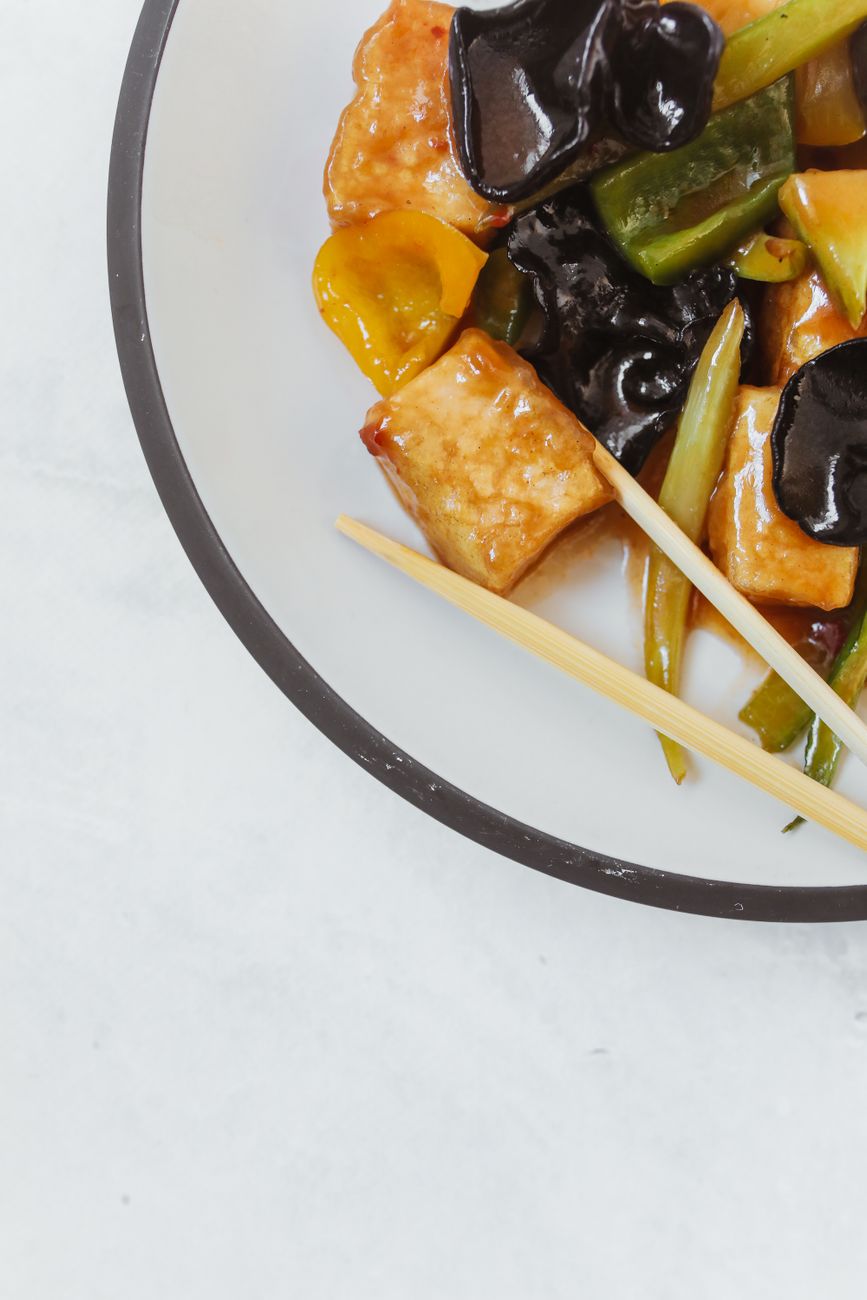
May 28, 2026Sichuan Mapo Tofu with Mushrooms
Silky tofu and meaty mushrooms braised in a numbing, aromatic sauce built on doubanjiang and Sichuan peppercorns 27 min · 0 saves.
chinese · medium
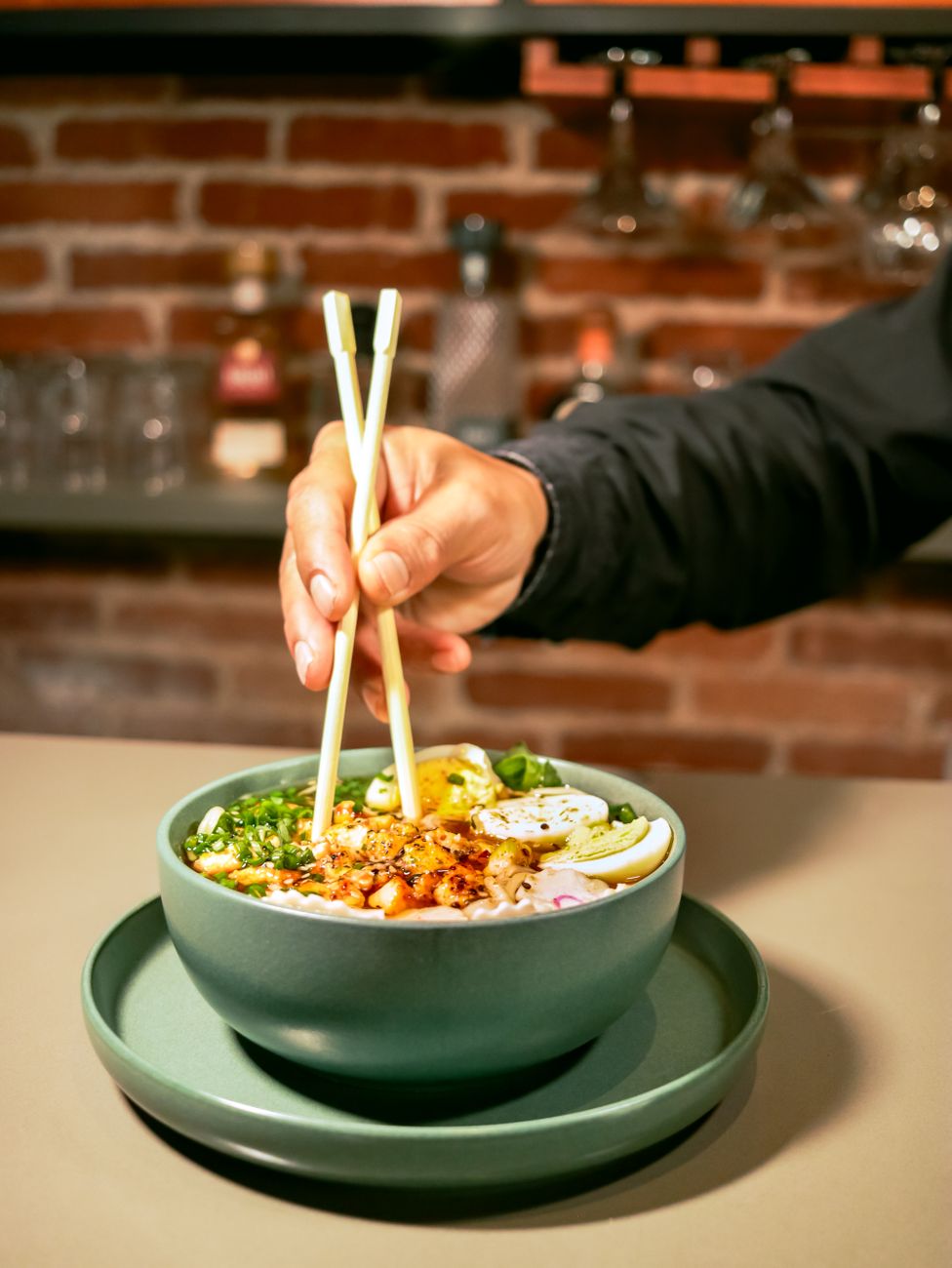
May 14, 2026Dan Dan Noodles with Sichuan Peppercorns
Silky wheat noodles bathed in a rich sesame and chili oil sauce, crowned with savory ground pork and tangy pickled mustard greens—this is the kind of Sichuan comfort food that keeps you coming back for more. 35 min · 0 saves.
chinese · medium
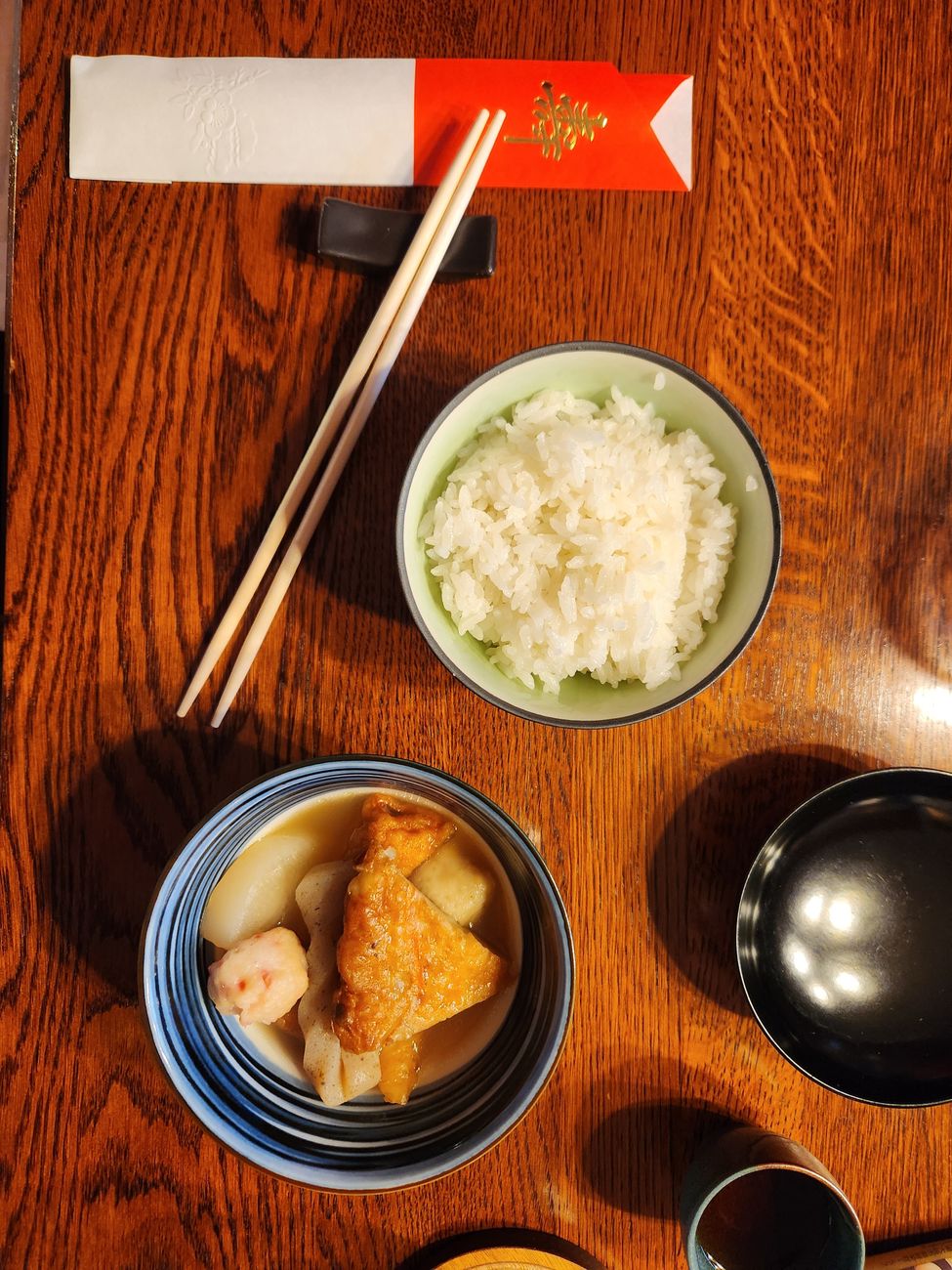
May 8, 2026Sichuan-Style Fish and Tofu Stew with Doubanjiang
A soul-warming Chinese fish stew that builds its magic on fermented bean paste, with silky tofu and tender white fish swimming in a beautifully balanced sauce that whispers heat while shouting umami. 45 min · 0 saves.
Bottle picks
Related hot sauce reviews.
Explore sauces with related ingredients, flavors, and heat levels.
Fly By Jing Sichuan Gold Review
A citrusy, tingly sauce with real peppercorn presence and enough versatility to move beyond dumplings.
Best for dumplings
Best for: Eggs and breakfast tacos
Skip if: Skip if you want a thick, smoky wing sauce more than a bright finishing bottle.
Read review
Mike's Hot Honey Review
Sweet heat done right: sticky, quick, and versatile enough to become a finishing move instead of a novelty.
Best for gifting
Best for: Pizza and fried chicken
Skip if: Skip if you want a classic vinegar-forward table sauce with almost no sweetness.
Read review
Heatonist Los Calientes Rojo Review
Heatonist Los Calientes Rojo: flavor notes, heat level, and suggested food pairings.
Best for tacos
Best for: Tacos and rice bowls
Skip if: Skip if you are chasing a novelty-level heat hit or a super-special-occasion bottle.
Read review
Go deeper
Background guides that build on this.
Keep reading
More on this subject.
If this post helped, these are the next pieces most likely to keep the thread going.
culture
May 18, 2026Five Sichuan Seasoning Styles: Mala to Dan Dan Noodles
A guide to Sichuan mala, dry-frying, fish-fragrant seasoning, strange-flavor sauce, and the chili-oil dressing in dan dan noodles.
culture
Apr 15, 2026A Guide to Sichuan, Hunan, and Regional Chinese Spicy Dishes
From Sichuan peppercorns to Hunan chilies, explore regional Chinese dishes and the seasonings that give each its character.

culture
Jun 15, 2026Four Middle Eastern Heat Styles That Should Be on Your Radar Right Now
From harissa's patient burn to zhug's bright herb-fire, these Middle Eastern heat styles teach us that the best spicy food builds complexity alongside warmth—and they'll change how your family thinks about heat.
Comments
Reader discussion is shared across recipes, reviews, and editorial pieces.
Comments are read-only while member sign-in is paused.