
FlamingFoodies recipe
Mapo Nasu with Scotch Bonnet Heat
Silky Japanese eggplant swimming in a miso sauce that means business—scotch bonnet chiles bring fruity heat that builds beautifully with each bite.
Tender Japanese eggplant braised in a scotch bonnet-spiked miso sauce with fermented black beans and aromatics, finished with fresh scallions and sesame oil.
Ingredients
Eggplant
- 2 lbsJapanese eggplant, cut into 2-inch chunks
- 2 tspkosher salt, for salting eggplant
- 3 tbspneutral oil, for frying
Sauce Base
- 3 tbspred miso paste, preferably aka miso
- 2 tbspsake
- 2 tbspmirin
- 1 tbspsoy sauce
- 1 tspsugar
- 1 cupdashi, or vegetable stock
Heat and Aromatics
- 2 wholescotch bonnet chiles, stems removed, finely minced
- 3 clovesgarlic, minced
- 1 inchfresh ginger, minced
- 2 tbspfermented black beans, rinsed and chopped
- 2 tbspneutral oil, for aromatics
Finishing
- 2 tspcornstarch
- 2 tbspcold water
- 1 tsptoasted sesame oil
- 3 wholescallions, sliced thin
Method
1. Salt and Drain the Eggplant Toss the eggplant chunks with kosher salt in a colander and let drain for 20 minutes. Pat completely dry with paper towels. This draws out any bitterness and prevents the eggplant from absorbing too much oil during cooking.
Watch for: Eggplant pieces should feel firm and no longer spongy
Tip: Give those pieces a good squeeze—they should feel noticeably lighter and firmer after salting.
2. Brown the Eggplant Heat 3 tablespoons oil in a large skillet or wok over medium-high heat. Add eggplant in a single layer and cook without moving for 3-4 minutes until golden brown on one side. Flip and brown the other side, about 3 more minutes. Transfer to a plate.
Watch for: Eggplant should be golden brown and slightly caramelized on both sides
3. Build the Aromatics Add 2 tablespoons oil to the same pan and reduce heat to medium. Add minced scotch bonnets, garlic, ginger, and black beans. Stir constantly for 30-45 seconds until fragrant but not browned. Those scotch bonnets release their oils quickly—don't let them burn or the whole sauce turns bitter.
Watch for: You'll actually feel the heat in the air when the scotch bonnets release their oils
4. Braise and Finish Whisk together miso, sake, mirin, soy sauce, and sugar until smooth, then add to the pan with the dashi. Return eggplant to the pan and simmer for 8-10 minutes until tender and sauce reduces slightly. Mix cornstarch with cold water and stir in to thicken. Remove from heat and stir in sesame oil and scallions.
Watch for: Sauce should coat the back of a spoon and eggplant should be completely tender when pierced
Equipment
- large skillet or wok
- colander
- paper towels
- whisk
Make ahead
- You can salt and drain the eggplant up to 4 hours ahead of time. All your aromatics can be prepped earlier in the day and kept covered in the fridge until you're ready to cook.
Storage
- This keeps beautifully in the fridge for up to 3 days in a covered container. Honestly, the flavors get even better overnight as everything has time to meld together.
Reheat
- Warm it gently in a skillet over medium-low heat, adding a splash of dashi or water if the sauce seems too thick. Skip the microwave—it turns the eggplant to mush.
Top tips
- Salting the eggplant isn't optional—it completely changes the texture and prevents those chunks from turning into greasy sponges
- Keep some milk handy when working with those scotch bonnets; those oils are no joke and will linger on your hands
- The finished sauce should be glossy and coat the eggplant beautifully without feeling gluey or thick
Substitutions
- Can't find scotch bonnets? Habaneros work just as well—use the same amount for similar heat and fruitiness
- No red miso? White miso plus a pinch of cayenne will get you close to the right flavor
- Regular globe eggplant works fine, just cut it smaller and give it extra salting time
Serve with
- Serve over a bowl of steamed short-grain rice to help tame all that beautiful heat
- Pairs wonderfully with a cool cucumber sunomono salad on the side
- This calls for cold Japanese beer or a crisp sake to cut through the richness
Find another recipe
Open archive →Mapo Nasu with Scotch Bonnet Heat

Silky Japanese eggplant swimming in a miso sauce that means business—scotch bonnet chiles bring fruity heat that builds beautifully with each bite.
Prep
20 min
Cook
25 min
Active
35 min
Total
45 min
Yield
4 servings
Share this
Pass it around
Send this page to a friend, copy the link, or save it to a Pinterest board.
Save for later
Pin this page
Save the image with a link back to this recipe, review, or article.
Peppers in this recipe
Recipe notes
Before you cook
Sometimes you want Japanese comfort food with real fire, and this dish delivers exactly that. It borrows the best from both nasu dengaku and Sichuan mapo traditions, creating something that feels genuinely Japanese while bringing serious heat to the table. The scotch bonnets are the star here—their fruity intensity plays beautifully with the sweet-savory miso base, creating layers of flavor that unfold as the heat builds. Unlike the tingly numbness of traditional Sichuan preparations, this version gives you pure capsaicin warmth that'll have everyone reaching for extra rice.
Total time
45 min
Prep: 20 min. Cook: 25 min.
Yield
4 servings
The ingredient quantities below are for this yield.
Method
How to cook it
Use the step navigator to move around, or stay in cook mode and work top to bottom.
- 1
Step 1 of 4
Salt and Drain the Eggplant
Toss the eggplant chunks with kosher salt in a colander and let drain for 20 minutes. Pat completely dry with paper towels. This draws out any bitterness and prevents the eggplant from absorbing too much oil during cooking.
- 2
Step 2 of 4
Brown the Eggplant
Heat 3 tablespoons oil in a large skillet or wok over medium-high heat. Add eggplant in a single layer and cook without moving for 3-4 minutes until golden brown on one side. Flip and brown the other side, about 3 more minutes. Transfer to a plate.
- 3
Step 3 of 4
Build the Aromatics
Add 2 tablespoons oil to the same pan and reduce heat to medium. Add minced scotch bonnets, garlic, ginger, and black beans. Stir constantly for 30-45 seconds until fragrant but not browned. Those scotch bonnets release their oils quickly—don't let them burn or the whole sauce turns bitter.
- 4
Step 4 of 4
Braise and Finish
Whisk together miso, sake, mirin, soy sauce, and sugar until smooth, then add to the pan with the dashi. Return eggplant to the pan and simmer for 8-10 minutes until tender and sauce reduces slightly. Mix cornstarch with cold water and stir in to thicken. Remove from heat and stir in sesame oil and scallions.
Troubleshooting
Tips that matter
- Salting the eggplant isn't optional—it completely changes the texture and prevents those chunks from turning into greasy sponges
- Keep some milk handy when working with those scotch bonnets; those oils are no joke and will linger on your hands
- The finished sauce should be glossy and coat the eggplant beautifully without feeling gluey or thick
Substitutions and variations
Storage and leftovers
Plan ahead and reheat well
Make ahead
You can salt and drain the eggplant up to 4 hours ahead of time. All your aromatics can be prepped earlier in the day and kept covered in the fridge until you're ready to cook.
Storage
This keeps beautifully in the fridge for up to 3 days in a covered container. Honestly, the flavors get even better overnight as everything has time to meld together.
Reheat
Warm it gently in a skillet over medium-low heat, adding a splash of dashi or water if the sauce seems too thick. Skip the microwave—it turns the eggplant to mush.
At the table
Serving suggestions
- Serve over a bowl of steamed short-grain rice to help tame all that beautiful heat
- Pairs wonderfully with a cool cucumber sunomono salad on the side
- This calls for cold Japanese beer or a crisp sake to cut through the richness
FAQ
Common questions
How hot is this dish really?
This brings legitimate heat—think good hot sauce territory. Two whole scotch bonnets will make most people break a sweat. If you're not sure about your spice tolerance, start with just one chile and work your way up.
Can I dial back the spice level?
Absolutely—use just one scotch bonnet instead of two, or swap in 1-2 jalapeños for gentler heat. You'll lose some of that lovely fruity complexity, but the dish still works beautifully with less fire.
Why does my eggplant turn out mushy?
Usually it's from skipping the salting step or cooking too long. Make sure you drain that eggplant well and don't overdo the braising—it should be tender but still hold its shape when you're done.
Heat profile
Hot
The recipe is classified as hot. Check the chile quantities before you start.
Skill level
Intermediate
Check the method for steps that need to be prepared at the same time.
Total time
45 min
Prep: 20 min. Cook: 25 min.
Yield
4 servings
The ingredient quantities below are for this yield.
Cook this with
Three useful buys before you start
A sauce, a pantry ingredient, and a kitchen tool to consider for this dish.
Sauce
Yellowbird Habanero
Yellowbird · Best for tacos
It brings enough heat to cut through the richer bites without flattening the rest of the dish.
Get the sauce used herePantry
Nando's Medium Peri-Peri Sauce
Char-ready marinade
Chicken, skewers, and grilled vegetables. The bottle to grab when chicken needs acid, garlic, and real heat before it hits the grill or broiler.
Grab the pantry stapleGear
Fermentation Jar Kit
DIY hot sauce
Homemade sauce projects. A clean starter kit for building fermented hot sauces and pepper mash at home.
Use this toolPair this with
The right bottle for this recipe
These sauce picks are matched to the dish itself, not dropped in at random. Use them to finish, sharpen, or push the heat where it helps.
Yellowbird Habanero
It brings enough heat to cut through the richer bites without flattening the rest of the dish.
A bright, carrot-forward bottle with enough heat to stay lively and enough sweetness to stay versatile.
Scotch Bonnet and Ginger
It brings enough heat to cut through the richer bites without flattening the rest of the dish.
A bright, elegant sauce that leans on fruit, ginger, and Scotch bonnet lift instead of brute force.
Shop the pantry
Pantry staples for this recipe
Char-ready marinade
$8-$14Nando's Medium Peri-Peri Sauce
Chicken, skewers, and grilled vegetables. The bottle to grab when chicken needs acid, garlic, and real heat before it hits the grill or broiler.
Check price on AmazonClean chile hit
$7-$12Huy Fong Sambal Oelek
Fried rice, noodles, and spicy sauces. Straight chili paste for fried rice, noodle sauces, mayo mixes, and dishes that want heat without sweetness.
Check price on AmazonFlavor builder
$8-$15Chung Jung One Gochujang Paste
Layered heat with umami. Fermented chili paste for noodles, wings, marinades, and that sweet-savory Korean backbone.
Check price on AmazonRecommended equipment
Cooking tools
DIY hot sauce
$20-$35Fermentation Jar Kit
Homemade sauce projects. A clean starter kit for building fermented hot sauces and pepper mash at home.
Check price on AmazonMeal-prep anchor
$30-$60Compact Rice Cooker
Bowls, fried rice, and weekly meal prep. A simple countertop win for rice bowls, congee, spicy fried rice, and the carb base that makes leftovers useful.
Check price on AmazonCook next
More recipes with similar heat
These are the next recipes most likely to fit the same mood, pantry, or heat level once this one is in your rotation.

japanese · inferno
May 14, 2026Grilled Chicken Yakitori with Trinidad Moruga Tare
Traditional Japanese yakitori meets serious heat in this grilled chicken recipe, where a glossy tare made with Trinidad Moruga peppers caramelizes into layers of fiery, umami-rich flavor over live coals. 45 min · 0 saves.

japanese · hot
Jun 11, 2026Charred Chicken Yakitori with Habanero-Sansho Tare
Tender chicken thighs kissed by flames and painted with a fiery glaze that brings together habanero's fruity heat, sansho pepper's electric tingle, and the deep soul of red miso. 45 min · 0 saves.

szechuan · hot
Apr 11, 2026Sichuan Mapo Tofu with Extra Chilies
Tender tofu nestled in a gorgeous brick-red sauce with ground pork, Sichuan peppercorns, and generous amounts of chilies that bring genuine warmth and fire to your table. 35 min · 0 saves.
FlamingFoodies picks
Pantry, gear, and bottle picks that fit this meal
Smoky shortcut
Chipotle Peppers in Adobo
The pantry move for smoky mayo, burger sauce, taco braises, and chili that tastes like you actually thought ahead. Best for burger sauce, chili, and taco fillings.
View on AmazonNumbing heat
Fly By Jing Sichuan Gold
A more citrusy, peppercorn-leaning sauce when you want flavor movement instead of pure capsaicin. Best for dumplings, noodles, and fried eggs.
View on AmazonFrom the blog
More about this dish
Read more about the ingredients and cuisine.
science
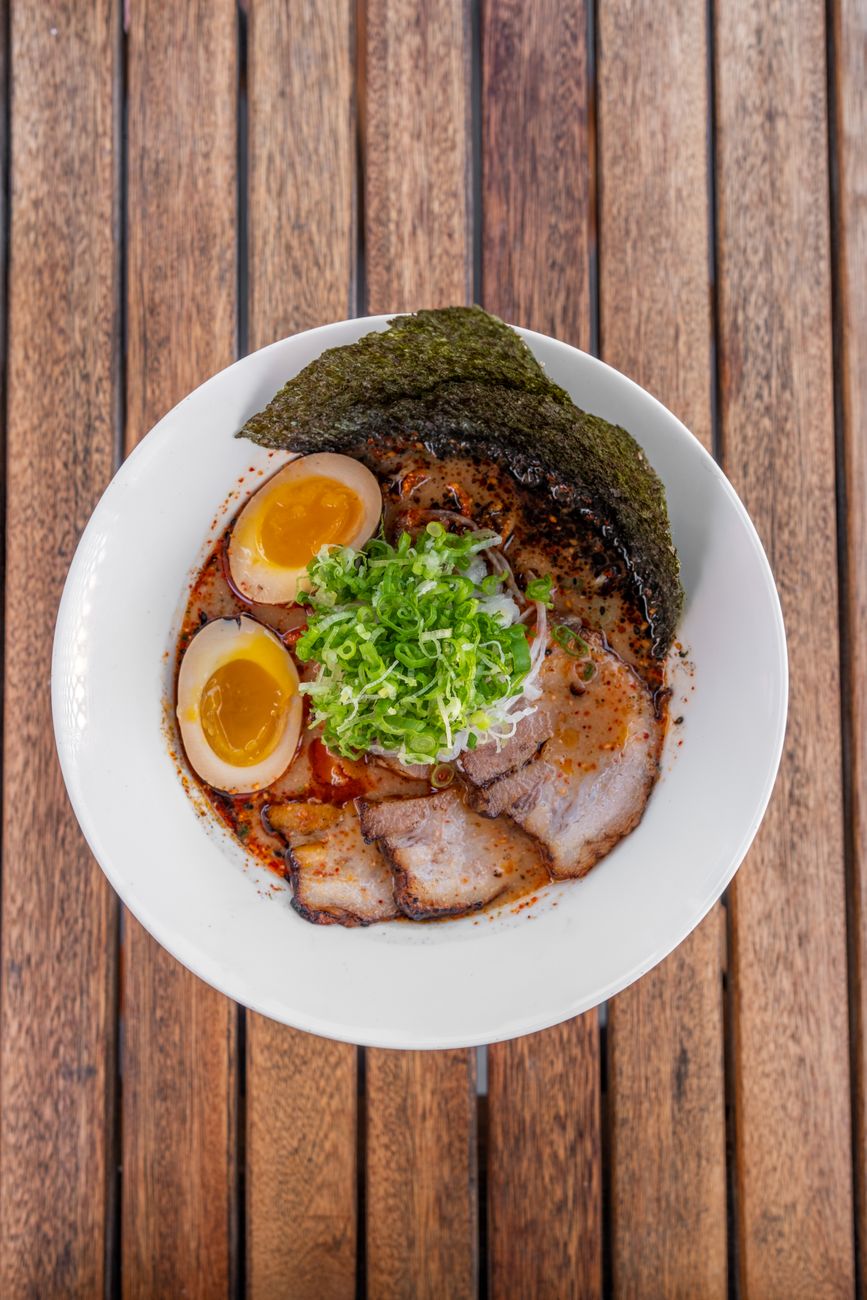
May 8, 2026Tantanmen, Spicy Curry, and Japanese-Inspired Chili Dishes
Explore tantanmen, spicy curry, and Japanese-inspired noodle bowls, focusing on sesame, miso, chili, and the balance of the sauce.

science
May 31, 2026Miso, Sesame, and Fermented Chili Pastes in Japanese-Inspired Dishes
Miso, sesame, dashi, and fermented chili pastes provide a savory base for Japanese-inspired noodle bowls and other spicy dishes.
Background guides
Read the guide behind the technique
Learn more about the cooking techniques used here.
Community notes
Reader discussion is shared across recipes, reviews, and editorial pieces.
Comments are read-only while member sign-in is paused.