
FlamingFoodies recipe
Grilled Chicken Yakitori with Trinidad Moruga Tare
Traditional Japanese yakitori meets serious heat in this grilled chicken recipe, where a glossy tare made with Trinidad Moruga peppers caramelizes into layers of fiery, umami-rich flavor over live coals.
Classic Japanese yakitori technique gets a fiery twist with Trinidad Moruga pepper tare that builds into glossy, caramelized layers of heat and umami over the grill.
Ingredients
Chicken
- 2 lbschicken thighs, boneless, skinless, cut into 1-inch pieces
- 2 tablespoonsvegetable oil, for brushing
Trinidad Moruga Tare
- 3 wholeTrinidad Moruga peppers, stems removed, seeds included
- 1/2 cupsoy sauce, preferably Japanese shoyu
- 1/4 cupmirin
- 1/4 cupsake
- 3 tablespoonsbrown sugar
- 2 clovesgarlic, minced
- 1 inchfresh ginger, grated
Garnish
- 2 wholescallions, thinly sliced
- 1 tablespoontoasted sesame seeds
Method
1. Build the Trinidad Moruga Tare Mince those Trinidad Moruga peppers finely—seeds and all if you're feeling brave (and you should be, since you're making this recipe). Toss everything into a small saucepan with the soy sauce, mirin, sake, brown sugar, garlic, and ginger. Let it come to a gentle bubble and simmer away until it reduces by about a third. You'll know it's ready when it coats the back of your spoon with a glossy sheen.
Watch for: The alcohol smell will mellow out and the sauce will leave a clear trail when you drag your finger across the spoon
Tip: Keep a glass of milk handy while you're working with those peppers—trust me on this one
2. Prep and Skewer the Chicken Cut your chicken thighs into nice uniform pieces, about an inch each way. Don't trim away all the fat—that's where a lot of the flavor lives. Thread them onto your soaked skewers with maybe six or seven pieces per stick, leaving little gaps so the heat can get around each piece. Those gaps also give the tare somewhere to pool and char, which is exactly what we want.
Watch for: The chicken should feel secure but not crowded—like giving everyone at the dinner table enough elbow room
3. Start the Initial Grill Get your grill nice and hot over medium-high heat—you want to hear that satisfying sizzle when the chicken hits the grates. Brush the skewers lightly with oil and lay them down. Give them a good 3-4 minutes on that first side without fussing with them. Let them develop those beautiful grill marks that tell everyone you know what you're doing.
Watch for: The chicken will release easily from the grates when it's ready to flip—no wrestling required
4. Layer the Tare and Char Here's where the magic happens. Flip those skewers and brush on a generous coat of your Trinidad Moruga tare. Listen for that satisfying sizzle as it hits the hot chicken. Grill for 2-3 minutes, flip again, and add another layer. Keep doing this dance—flip, brush, sizzle, repeat—building up those glossy, lacquered layers. You'll do this maybe four times total, until the chicken hits 165°F and looks like something from a magazine.
Watch for: Each layer of tare should bubble and caramelize, creating that deep, glossy mahogany color that makes yakitori so irresistible
Tip: Don't rush this part—each layer needs time to set up properly before the next one goes on
Equipment
- Grill or hibachi
- Bamboo skewers
- Small saucepan
- Pastry brush
- Instant-read thermometer
Make ahead
- The tare actually gets better after a day or two in the fridge—make it up to 3 days ahead. You can skewer the chicken the morning you're planning to grill and keep it cold until showtime.
Storage
- Leftover yakitori will keep for about 3 days in the fridge. Store any extra tare separately—it'll stay good for a week and makes an excellent glaze for other grilled meats.
Reheat
- Pop leftover skewers in a 350°F oven for 8-10 minutes, or better yet, give them a quick kiss on the grill to bring back that crispy exterior.
Top tips
- Set aside some clean tare before you start brushing—you'll want it for drizzling at the table, and nobody wants the brush-contaminated stuff
- Have some milk or yogurt on standby while prepping those Trinidad Moruga peppers—they pack a serious punch
- The char is your friend here—don't be afraid to let each layer of tare get some good color before adding the next
Substitutions
- 7-pot peppers make a solid substitute for Trinidad Moruga—still plenty hot with good flavor
- Chicken breast will work if that's what you have, but watch it like a hawk to avoid overcooking
- Dry sherry can pinch-hit for sake if your liquor store doesn't carry it
Serve with
- Steamed white rice isn't just traditional—it's practically essential for taming some of that heat
- Ice-cold Japanese beer cuts through the richness and cools the fire beautifully
- Quick pickled cucumbers on the side provide a refreshing counterpoint to all that intensity
Find another recipe
Open archive →Grilled Chicken Yakitori with Trinidad Moruga Tare

Traditional Japanese yakitori meets serious heat in this grilled chicken recipe, where a glossy tare made with Trinidad Moruga peppers caramelizes into layers of fiery, umami-rich flavor over live coals.
Prep
20 min
Cook
25 min
Active
35 min
Total
45 min
Yield
4 servings
Share this
Pass it around
Send this page to a friend, copy the link, or save it to a Pinterest board.
Save for later
Pin this page
Save the image with a link back to this recipe, review, or article.
Recipe notes
Before you cook
There's something magical about watching yakitori come together over hot coals—the way that glossy tare builds up in layers, each one charring just enough before the next coat goes on. This version honors that beautiful technique while bringing some serious heat to your backyard. Trinidad Moruga peppers have this amazing fruity quality that plays so well with the classic soy-mirin-sake base, though fair warning: these peppers don't mess around. The secret is in the patience—building those layers slowly, letting each one bubble and caramelize before adding the next. You'll end up with yakitori that tastes like it came from your favorite Japanese grill house, just with enough fire to make everyone at the table pay attention.
Total time
45 min
Prep: 20 min. Cook: 25 min.
Yield
4 servings
The ingredient quantities below are for this yield.
Method
How to cook it
Use the step navigator to move around, or stay in cook mode and work top to bottom.
- 1
Step 1 of 4
Build the Trinidad Moruga Tare
Mince those Trinidad Moruga peppers finely—seeds and all if you're feeling brave (and you should be, since you're making this recipe). Toss everything into a small saucepan with the soy sauce, mirin, sake, brown sugar, garlic, and ginger. Let it come to a gentle bubble and simmer away until it reduces by about a third. You'll know it's ready when it coats the back of your spoon with a glossy sheen.
- 2
Step 2 of 4
Prep and Skewer the Chicken
Cut your chicken thighs into nice uniform pieces, about an inch each way. Don't trim away all the fat—that's where a lot of the flavor lives. Thread them onto your soaked skewers with maybe six or seven pieces per stick, leaving little gaps so the heat can get around each piece. Those gaps also give the tare somewhere to pool and char, which is exactly what we want.
- 3
Step 3 of 4
Start the Initial Grill
Get your grill nice and hot over medium-high heat—you want to hear that satisfying sizzle when the chicken hits the grates. Brush the skewers lightly with oil and lay them down. Give them a good 3-4 minutes on that first side without fussing with them. Let them develop those beautiful grill marks that tell everyone you know what you're doing.
- 4
Step 4 of 4
Layer the Tare and Char
Here's where the magic happens. Flip those skewers and brush on a generous coat of your Trinidad Moruga tare. Listen for that satisfying sizzle as it hits the hot chicken. Grill for 2-3 minutes, flip again, and add another layer. Keep doing this dance—flip, brush, sizzle, repeat—building up those glossy, lacquered layers. You'll do this maybe four times total, until the chicken hits 165°F and looks like something from a magazine.
Troubleshooting
Tips that matter
- Set aside some clean tare before you start brushing—you'll want it for drizzling at the table, and nobody wants the brush-contaminated stuff
- Have some milk or yogurt on standby while prepping those Trinidad Moruga peppers—they pack a serious punch
- The char is your friend here—don't be afraid to let each layer of tare get some good color before adding the next
Substitutions and variations
Storage and leftovers
Plan ahead and reheat well
Make ahead
The tare actually gets better after a day or two in the fridge—make it up to 3 days ahead. You can skewer the chicken the morning you're planning to grill and keep it cold until showtime.
Storage
Leftover yakitori will keep for about 3 days in the fridge. Store any extra tare separately—it'll stay good for a week and makes an excellent glaze for other grilled meats.
Reheat
Pop leftover skewers in a 350°F oven for 8-10 minutes, or better yet, give them a quick kiss on the grill to bring back that crispy exterior.
At the table
Serving suggestions
- Steamed white rice isn't just traditional—it's practically essential for taming some of that heat
- Ice-cold Japanese beer cuts through the richness and cools the fire beautifully
- Quick pickled cucumbers on the side provide a refreshing counterpoint to all that intensity
FAQ
Common questions
Can I make this without Trinidad Moruga peppers?
You could use other superhot peppers like Carolina Reapers or 7-pots, but Trinidad Morugas have this lovely fruity quality that really complements the traditional tare flavors. If you can find them, they're worth seeking out.
What if my tare gets too thick while I'm grilling?
Just thin it out with a splash of sake or even water. Keep some of that reserved tare warm in a small pot on the cooler side of your grill so it brushes on smoothly every time.
How do I know when the chicken is properly cooked?
An instant-read thermometer is your best friend here—you're looking for 165°F. But also trust your eyes: the tare should form a deep, glossy coating that looks lacquered, not wet or raw.
Heat profile
Very hot
The recipe is classified as inferno. Follow its guidance for reducing the heat.
Skill level
Intermediate
Check the method for steps that need to be prepared at the same time.
Total time
45 min
Prep: 20 min. Cook: 25 min.
Yield
4 servings
The ingredient quantities below are for this yield.
Cook this with
Three useful buys before you start
A sauce, a pantry ingredient, and a kitchen tool to consider for this dish.
Sauce
Yellowbird Habanero
Yellowbird · Best for tacos
Use this when you want a brighter finishing hit next to the deeper flavors already built into grilled chicken yakitori with trinidad moruga tare.
Get the sauce used herePantry
Nando's Medium Peri-Peri Sauce
Char-ready marinade
Chicken, skewers, and grilled vegetables. The bottle to grab when chicken needs acid, garlic, and real heat before it hits the grill or broiler.
Grab the pantry stapleGear
Fermentation Jar Kit
DIY hot sauce
Homemade sauce projects. A clean starter kit for building fermented hot sauces and pepper mash at home.
Use this toolPair this with
The right bottle for this recipe
These sauce picks are matched to the dish itself, not dropped in at random. Use them to finish, sharpen, or push the heat where it helps.
Yellowbird Habanero
Use this when you want a brighter finishing hit next to the deeper flavors already built into grilled chicken yakitori with trinidad moruga tare.
A bright, carrot-forward bottle with enough heat to stay lively and enough sweetness to stay versatile.
Los Calientes Rojo
Use this when you want a brighter finishing hit next to the deeper flavors already built into grilled chicken yakitori with trinidad moruga tare.
Heatonist Los Calientes Rojo: flavor notes, heat level, and suggested food pairings.
Shop the pantry
Pantry staples for this recipe
Char-ready marinade
$8-$14Nando's Medium Peri-Peri Sauce
Chicken, skewers, and grilled vegetables. The bottle to grab when chicken needs acid, garlic, and real heat before it hits the grill or broiler.
Check price on AmazonBackyard hero
$8-$14Jerk Seasoning
Chicken, shrimp, and grilling marinades. A fast flavor base for shrimp skewers, chicken thighs, grilled corn, and any cookout that needs more swagger.
Check price on AmazonSmoky shortcut
$4-$10Chipotle Peppers in Adobo
Burger sauce, chili, and taco fillings. The pantry move for smoky mayo, burger sauce, taco braises, and chili that tastes like you actually thought ahead.
Check price on AmazonRecommended equipment
Cooking tools
DIY hot sauce
$20-$35Fermentation Jar Kit
Homemade sauce projects. A clean starter kit for building fermented hot sauces and pepper mash at home.
Check price on AmazonMeal-prep anchor
$30-$60Compact Rice Cooker
Bowls, fried rice, and weekly meal prep. A simple countertop win for rice bowls, congee, spicy fried rice, and the carb base that makes leftovers useful.
Check price on AmazonCook next
More recipes with similar heat
These are the next recipes most likely to fit the same mood, pantry, or heat level once this one is in your rotation.

japanese · hot
Jun 11, 2026Charred Chicken Yakitori with Habanero-Sansho Tare
Tender chicken thighs kissed by flames and painted with a fiery glaze that brings together habanero's fruity heat, sansho pepper's electric tingle, and the deep soul of red miso. 45 min · 0 saves.

japanese · hot
Jun 9, 2026Mapo Nasu with Scotch Bonnet Heat
Silky Japanese eggplant swimming in a miso sauce that means business—scotch bonnet chiles bring fruity heat that builds beautifully with each bite. 45 min · 0 saves.
other · inferno
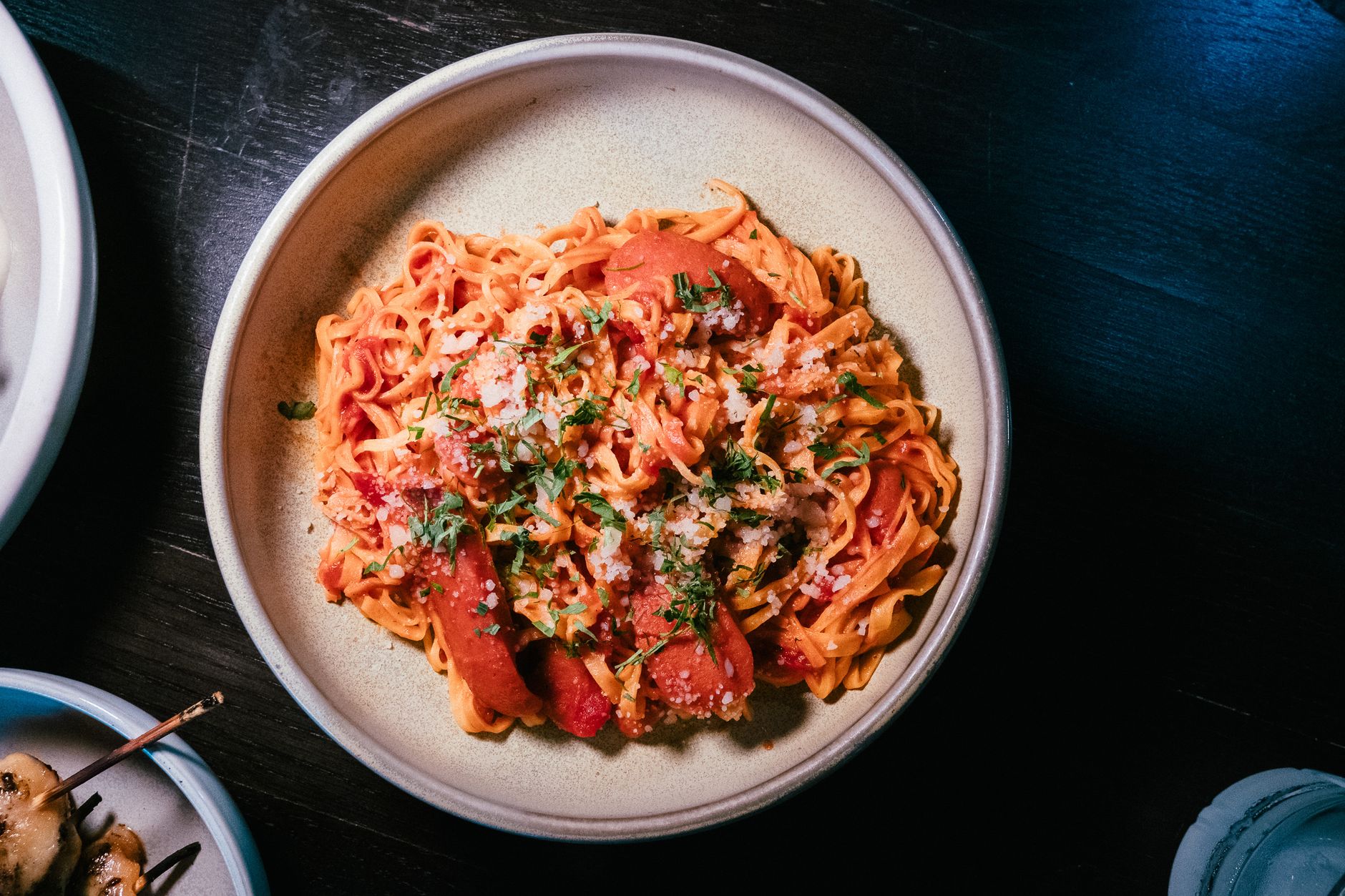
May 2, 2026Ateşli Erişte - Turkish Fire Noodles with Trinidad Moruga and Urfa Biber
Fresh Turkish noodles bathed in a fiery sauce where traditional Urfa biber meets the scorching heat of Trinidad Moruga peppers. This is erişte with all the soul of Turkish home cooking and enough fire to make you question your life choices. 70 min · 0 saves.
FlamingFoodies picks
Pantry, gear, and bottle picks that fit this meal
Everyday bottle
Yellowbird Habanero Hot Sauce
Bright carrot-habanero heat with enough body to work on eggs, tacos, and roasted vegetables. Best for breakfasts, tacos, and meal prep bowls.
View on AmazonNumbing heat
Fly By Jing Sichuan Gold
A more citrusy, peppercorn-leaning sauce when you want flavor movement instead of pure capsaicin. Best for dumplings, noodles, and fried eggs.
View on AmazonFrom the blog
More about this dish
Read more about the ingredients and cuisine.
science
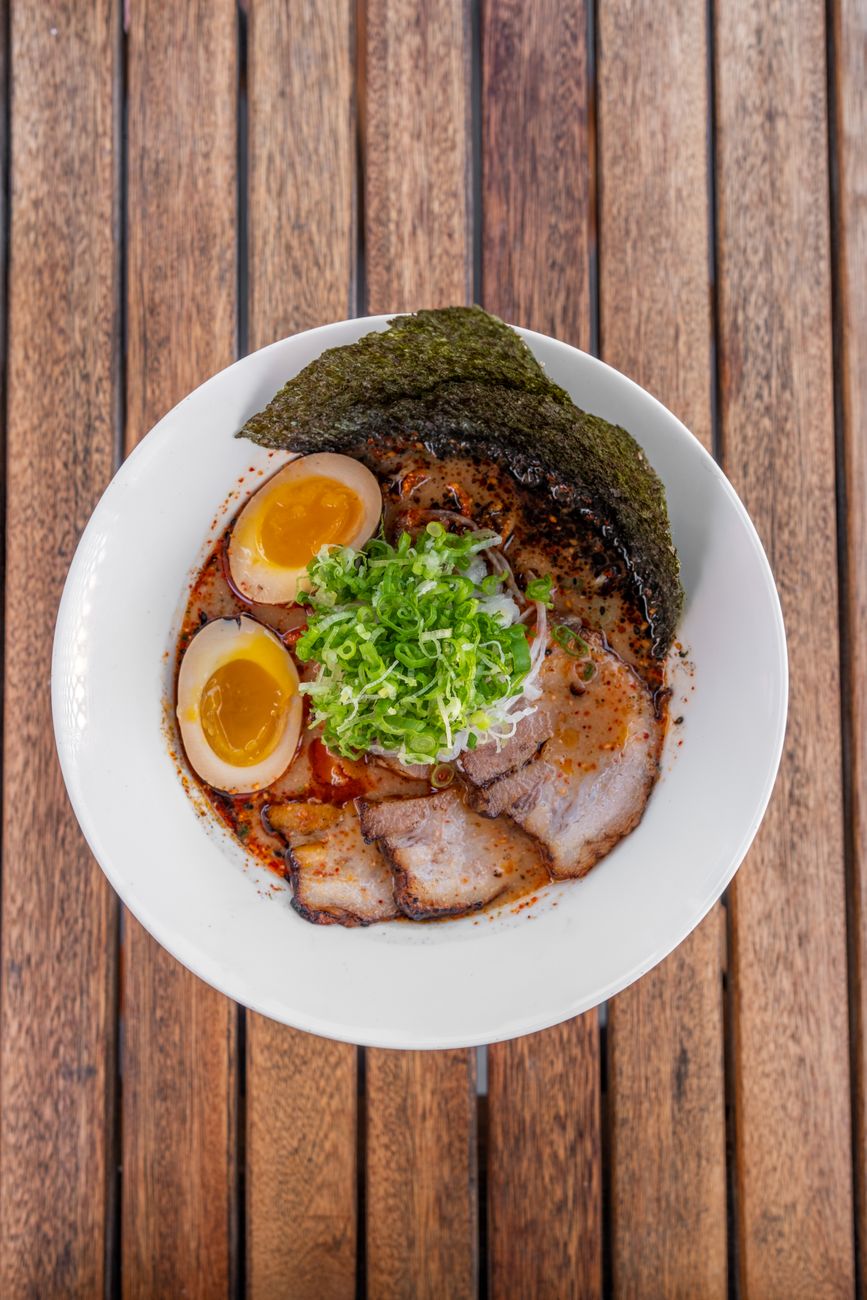
May 8, 2026Tantanmen, Spicy Curry, and Japanese-Inspired Chili Dishes
Explore tantanmen, spicy curry, and Japanese-inspired noodle bowls, focusing on sesame, miso, chili, and the balance of the sauce.
science
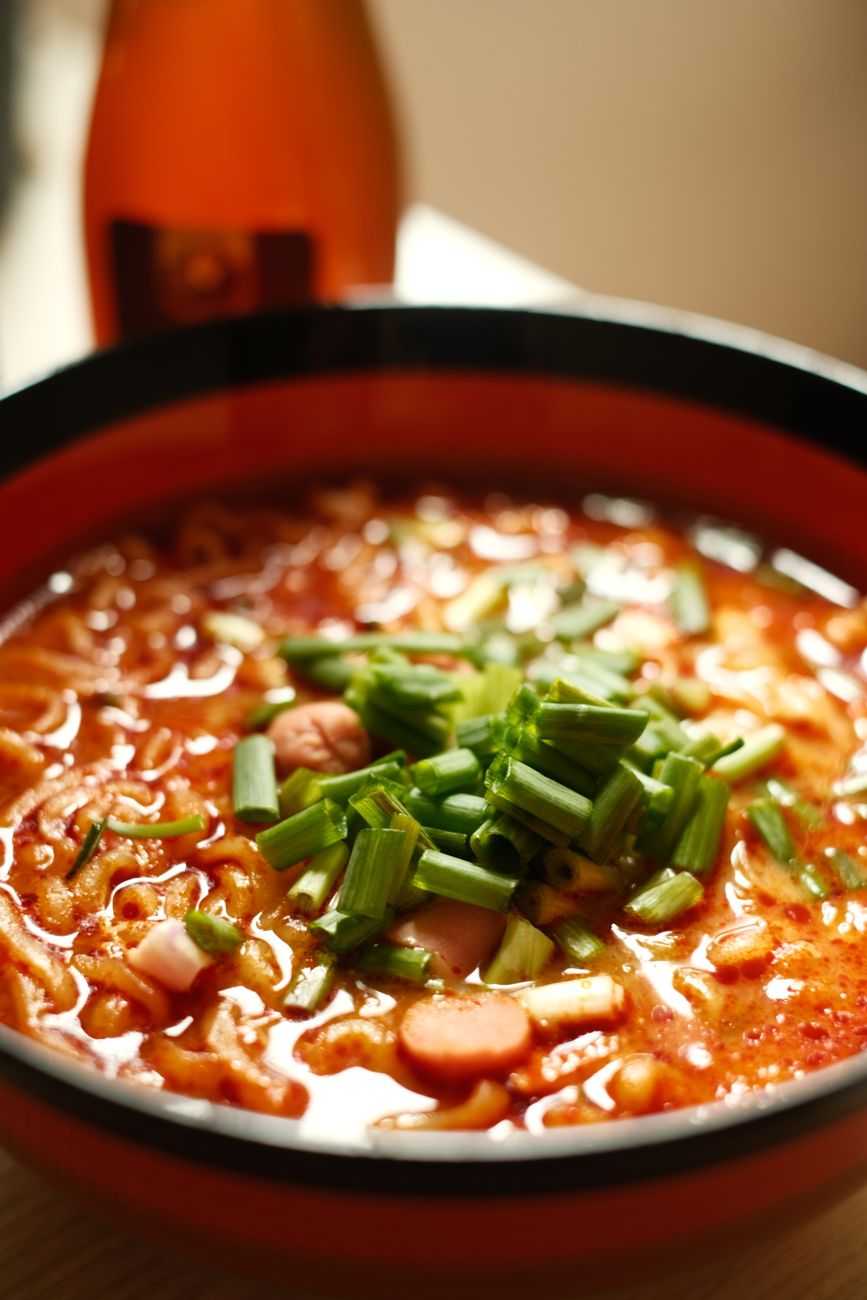
Oct 9, 2026Why Japanese Spicy Dishes Have Become Impossible to Put Down
Japanese cooks have long used chili as an accent, but the current wave of spicy dishes—ramen, miso-based bowls, karaage—works because heat is layered with umami, fat, and salt. Learn how capsaicin behaves in oil versus broth, why rayu (chili oil) builds flavor rather than just fire, and how multiple applications of heat keep a dish craveable instead of numbing.
Background guides
Read the guide behind the technique
Learn more about the cooking techniques used here.
Community notes
Reader discussion is shared across recipes, reviews, and editorial pieces.
Comments are read-only while member sign-in is paused.