
FlamingFoodies recipe
Fire-Grilled Sichuan Pork Shoulder with Carolina Reaper Mala Crust
Pork shoulder gets the full mala treatment with Carolina Reaper heat and Sichuan peppercorns, slow-roasted until the crust chars beautifully and the meat becomes fall-apart tender.
Pork shoulder rubbed with Carolina Reaper mala paste, slow-roasted until charred outside and silk-tender inside
Ingredients
Mala Cure
- 4 tablespoonsSichuan peppercorns, toasted and ground
- 2 tablespoonsCarolina Reaper powder, or 4 fresh Carolina Reapers, minced with gloves
- 3 tablespoonsfermented black beans, rinsed and mashed
- 2 tablespoonsShaoxing wine
- 2 tablespoonsdark soy sauce
- 1 tablespoonbrown sugar
- 1 tablespoonkosher salt
- 6 clovesgarlic, minced
- 2 inchfresh ginger, grated
Pork and Finish
- 1 wholepork shoulder, 4-5 pounds, bone-in
- 2 tablespoonspeanut oil
- 4 wholescallions, sliced thin for garnish
- 1 tablespoonSichuan peppercorns, whole, for finishing
Method
1. Build the mala paste foundation Start by toasting those Sichuan peppercorns until they release their distinctive citrusy fragrance and take on a deeper color. Grind them fine, then blend everything into a thick, brick-red paste. This is your flavor foundation—it should be substantial enough to coat the pork without sliding off.
Watch for: The paste is ready when it holds together on a spoon and smells intensely aromatic
Tip: Seriously, wear gloves when working with Carolina Reapers, and open a window
2. Score and cure the pork overnight Those deep crosshatch scores aren't just for show—they help the cure penetrate into the meat. Work that mala paste into every crevice and cover every inch of surface. The overnight cure is where the magic happens, transforming the paste from a coating into something that becomes part of the meat itself.
Watch for: Every bit of pork surface should be coated—no bare spots
3. Start with blistering heat to char the crust That initial blast at 450°F creates the gorgeous charred crust that makes this dish special. You want to see the paste darkening around the edges and the fat starting to bubble and render. This high-heat start sets up all those deep, caramelized flavors.
Watch for: Look for dark charring around the scored edges and active bubbling
4. Low and slow until silk-tender inside Now patience takes over. At 325°F, the pork needs to reach that magic 190°F internal temperature where all the connective tissue breaks down into silky gelatin. The crust keeps darkening and intensifying while the interior transforms into something you can pull apart with a fork.
Watch for: When your probe slides in like butter and reads 190°F, you're there
Equipment
- Spice grinder
- Large roasting pan
- Instant-read thermometer
- Heavy-duty gloves for handling superhot peppers
Make ahead
- The mala paste gets better with time—make it up to 3 days ahead. Once the pork is cured, it can sit up to 2 days before you need to roast it.
Storage
- Leftover pork keeps for 4 days in the fridge, and honestly, the flavors get more intense as it sits.
Reheat
- Warm slices in a 300°F oven for about 10 minutes. Skip the microwave—it'll turn that beautiful crust soggy.
Top tips
- Mix up that cure paste a day early if you can—the flavors get even better as they meld together
- Don't guess on doneness; this cut really needs to hit 190°F internal for the right texture
- Save a few whole Sichuan peppercorns for the finish—that fresh pop of numbing heat plays beautifully against all the deep roasted flavors
Substitutions
- Trinidad Scorpion or 7-pot chilies work if Carolina Reapers aren't around
- Regular black beans can pinch-hit for fermented ones, just add a bit more salt
- Dry sherry works in place of Shaoxing wine if needed
Serve with
- Put out plenty of steamed jasmine rice—you'll want something mild between bites
- A crisp cucumber salad with rice vinegar provides cooling relief
- Ice-cold beer or traditional chrysanthemum tea for when the heat builds up
Find another recipe
Open archive →Fire-Grilled Sichuan Pork Shoulder with Carolina Reaper Mala Crust

Pork shoulder gets the full mala treatment with Carolina Reaper heat and Sichuan peppercorns, slow-roasted until the crust chars beautifully and the meat becomes fall-apart tender.
Prep
45 min
Cook
4 hrs 30 min
Active
1 hr
Total
5 hrs 15 min
Yield
8 servings
Share this
Pass it around
Send this page to a friend, copy the link, or save it to a Pinterest board.
Save for later
Pin this page
Save the image with a link back to this recipe, review, or article.
Peppers in this recipe
Recipe notes
Before you cook
This is mala cooking for serious heat lovers—the kind of dish that brings tears and demands respect. The Carolina Reaper paste builds genuine fire, but it's the interplay with mouth-tingling Sichuan peppercorns and the deep umami of fermented black beans that makes this more than just a punishment. As the pork shoulder roasts low and slow, its fat renders into the crust, creating these incredible charred, caramelized edges while the inside stays silky. Yes, you need to start this yesterday—that overnight cure is what transforms good pork into something unforgettable.
Total time
5 hrs 15 min
Prep: 45 min. Cook: 4 hrs 30 min.
Yield
8 servings
The ingredient quantities below are for this yield.
Method
How to cook it
Use the step navigator to move around, or stay in cook mode and work top to bottom.
- 1
Step 1 of 4
Build the mala paste foundation
Start by toasting those Sichuan peppercorns until they release their distinctive citrusy fragrance and take on a deeper color. Grind them fine, then blend everything into a thick, brick-red paste. This is your flavor foundation—it should be substantial enough to coat the pork without sliding off.
- 2
Step 2 of 4
Score and cure the pork overnight
Those deep crosshatch scores aren't just for show—they help the cure penetrate into the meat. Work that mala paste into every crevice and cover every inch of surface. The overnight cure is where the magic happens, transforming the paste from a coating into something that becomes part of the meat itself.
- 3
Step 3 of 4
Start with blistering heat to char the crust
That initial blast at 450°F creates the gorgeous charred crust that makes this dish special. You want to see the paste darkening around the edges and the fat starting to bubble and render. This high-heat start sets up all those deep, caramelized flavors.
- 4
Step 4 of 4
Low and slow until silk-tender inside
Now patience takes over. At 325°F, the pork needs to reach that magic 190°F internal temperature where all the connective tissue breaks down into silky gelatin. The crust keeps darkening and intensifying while the interior transforms into something you can pull apart with a fork.
Troubleshooting
Tips that matter
- Mix up that cure paste a day early if you can—the flavors get even better as they meld together
- Don't guess on doneness; this cut really needs to hit 190°F internal for the right texture
- Save a few whole Sichuan peppercorns for the finish—that fresh pop of numbing heat plays beautifully against all the deep roasted flavors
Substitutions and variations
Storage and leftovers
Plan ahead and reheat well
Make ahead
The mala paste gets better with time—make it up to 3 days ahead. Once the pork is cured, it can sit up to 2 days before you need to roast it.
Storage
Leftover pork keeps for 4 days in the fridge, and honestly, the flavors get more intense as it sits.
Reheat
Warm slices in a 300°F oven for about 10 minutes. Skip the microwave—it'll turn that beautiful crust soggy.
At the table
Serving suggestions
- Put out plenty of steamed jasmine rice—you'll want something mild between bites
- A crisp cucumber salad with rice vinegar provides cooling relief
- Ice-cold beer or traditional chrysanthemum tea for when the heat builds up
FAQ
Common questions
How hot is this really?
Honestly brutal. Carolina Reapers hit around 2.2 million Scoville units. The pork fat and char provide some cushion, but this isn't for anyone who thinks jalapeños are spicy.
Can I dial back the heat without ruining the dish?
Cut the Carolina Reaper amount in half and boost the fermented black beans for more umami depth. You'll still get that complex mala character with less fire.
Why bother with the overnight cure?
Time lets the salt and aromatics work their way deep into the meat, while the fermented black beans help tenderize the surface. Rushing this step just doesn't give you the same depth.
Heat profile
Very hot
The recipe is classified as inferno. Follow its guidance for reducing the heat.
Skill level
Advanced
Read through the method and equipment list before planning your cooking time.
Total time
5 hrs 15 min
Prep: 45 min. Cook: 4 hrs 30 min.
Yield
8 servings
The ingredient quantities below are for this yield.
Cook this with
Three useful buys before you start
A sauce, a pantry ingredient, and a kitchen tool to consider for this dish.
Sauce
Sichuan Gold
Fly By Jing · Best for dumplings
Explore this sauce from the same cuisine: szechuan.
Get the sauce used herePantry
Crunchy Chili Crisp
Texture hit
Finishing bowls and dumplings. Crunch, oil, and lingering heat for dumplings, eggs, noodles, and roasted vegetables.
Grab the pantry stapleGear
Fermentation Jar Kit
DIY hot sauce
Homemade sauce projects. A clean starter kit for building fermented hot sauces and pepper mash at home.
Use this toolPair this with
The right bottle for this recipe
These sauce picks are matched to the dish itself, not dropped in at random. Use them to finish, sharpen, or push the heat where it helps.
Sichuan Gold
Explore this sauce from the same cuisine: szechuan.
A citrusy, tingly sauce with real peppercorn presence and enough versatility to move beyond dumplings.
Yellowbird Habanero
Use this when you want a brighter finishing hit next to the deeper flavors already built into fire-grilled sichuan pork shoulder with carolina reaper mala crust.
A bright, carrot-forward bottle with enough heat to stay lively and enough sweetness to stay versatile.
Shop the pantry
Pantry staples for this recipe
Texture hit
$10-$16Crunchy Chili Crisp
Finishing bowls and dumplings. Crunch, oil, and lingering heat for dumplings, eggs, noodles, and roasted vegetables.
Check price on AmazonRoast-anything helper
$8-$15Harissa Paste
Roasts, braises, and yogurt sauces. The smoky-chili shortcut for roast carrots, meatballs, chicken thighs, and yogurt sauces that need a little menace.
Check price on AmazonChar-ready marinade
$8-$14Nando's Medium Peri-Peri Sauce
Chicken, skewers, and grilled vegetables. The bottle to grab when chicken needs acid, garlic, and real heat before it hits the grill or broiler.
Check price on AmazonRecommended equipment
Cooking tools
DIY hot sauce
$20-$35Fermentation Jar Kit
Homemade sauce projects. A clean starter kit for building fermented hot sauces and pepper mash at home.
Check price on AmazonFast heat
$35-$70Carbon Steel Wok
High-heat noodles and fried rice. Built for smoky stir-fries, chili oil noodles, and any dinner that needs real burner contact.
Check price on AmazonCook next
More recipes with similar heat
These are the next recipes most likely to fit the same mood, pantry, or heat level once this one is in your rotation.

szechuan · hot
May 14, 2026Scorching Sichuan Pork Bowl with Tingly Bean Paste
Ground pork stir-fried with doubanjiang and fresh chilies over rice, finished with numbing Sichuan peppercorns and scallions for serious heat seekers. 27 min · 0 saves.

szechuan · hot
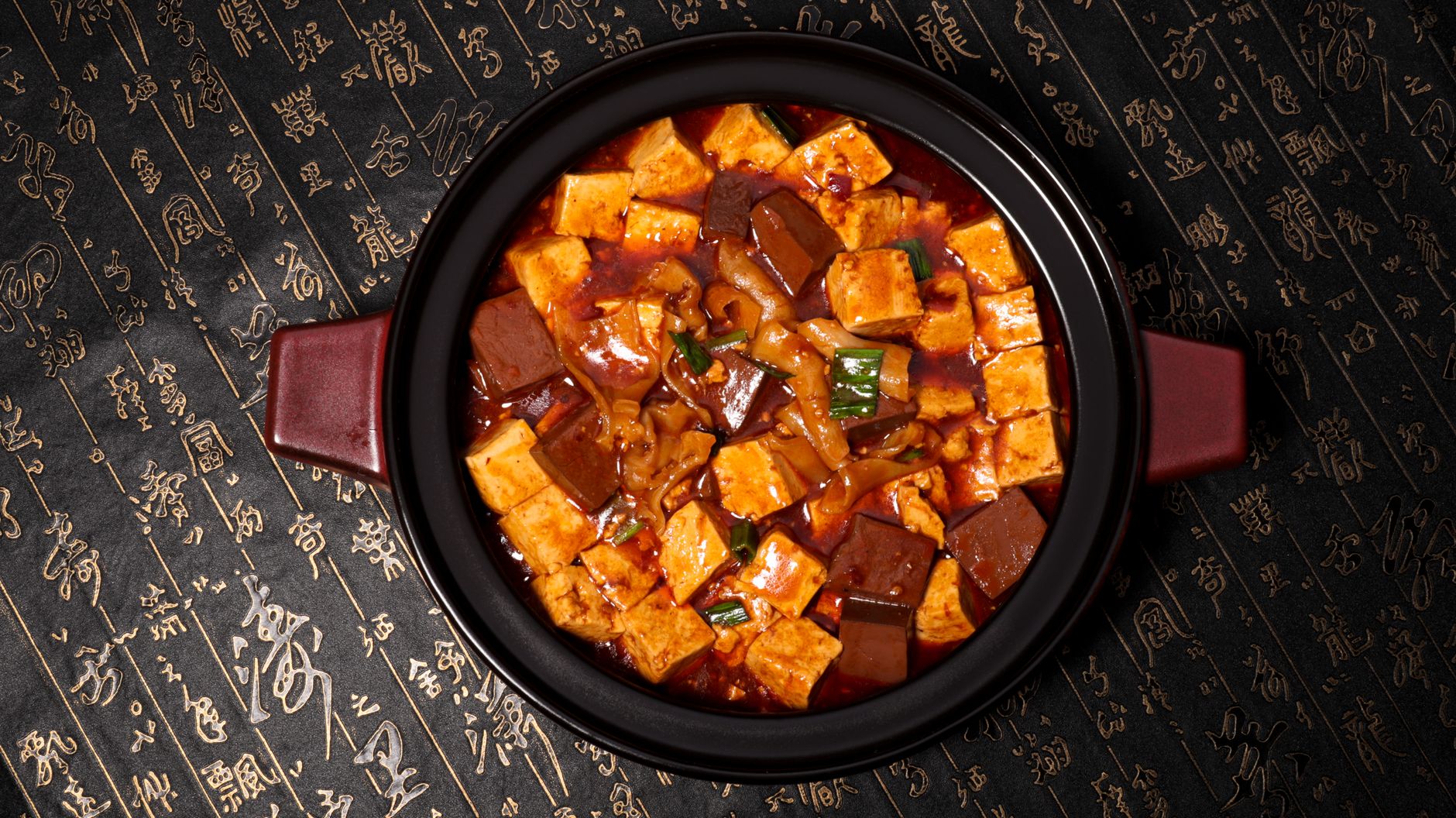
Apr 11, 2026Sichuan Mapo Tofu with Extra Chilies
Tender tofu nestled in a gorgeous brick-red sauce with ground pork, Sichuan peppercorns, and generous amounts of chilies that bring genuine warmth and fire to your table. 35 min · 0 saves.
szechuan · inferno
May 8, 2026Inferno Mapo Tofu with Carolina Reaper Oil
Traditional Szechuan mapo tofu gets a fiery makeover with Carolina Reaper chili oil and extra Szechuan peppercorns for an authentic heat experience that'll test even the most dedicated spice lovers. 27 min · 0 saves.
FlamingFoodies picks
Pantry, gear, and bottle picks that fit this meal
Everyday bottle
Yellowbird Habanero Hot Sauce
Bright carrot-habanero heat with enough body to work on eggs, tacos, and roasted vegetables. Best for breakfasts, tacos, and meal prep bowls.
View on AmazonNumbing heat
Fly By Jing Sichuan Gold
A more citrusy, peppercorn-leaning sauce when you want flavor movement instead of pure capsaicin. Best for dumplings, noodles, and fried eggs.
View on AmazonFrom the blog
More about this dish
Read more about the ingredients and cuisine.
culture
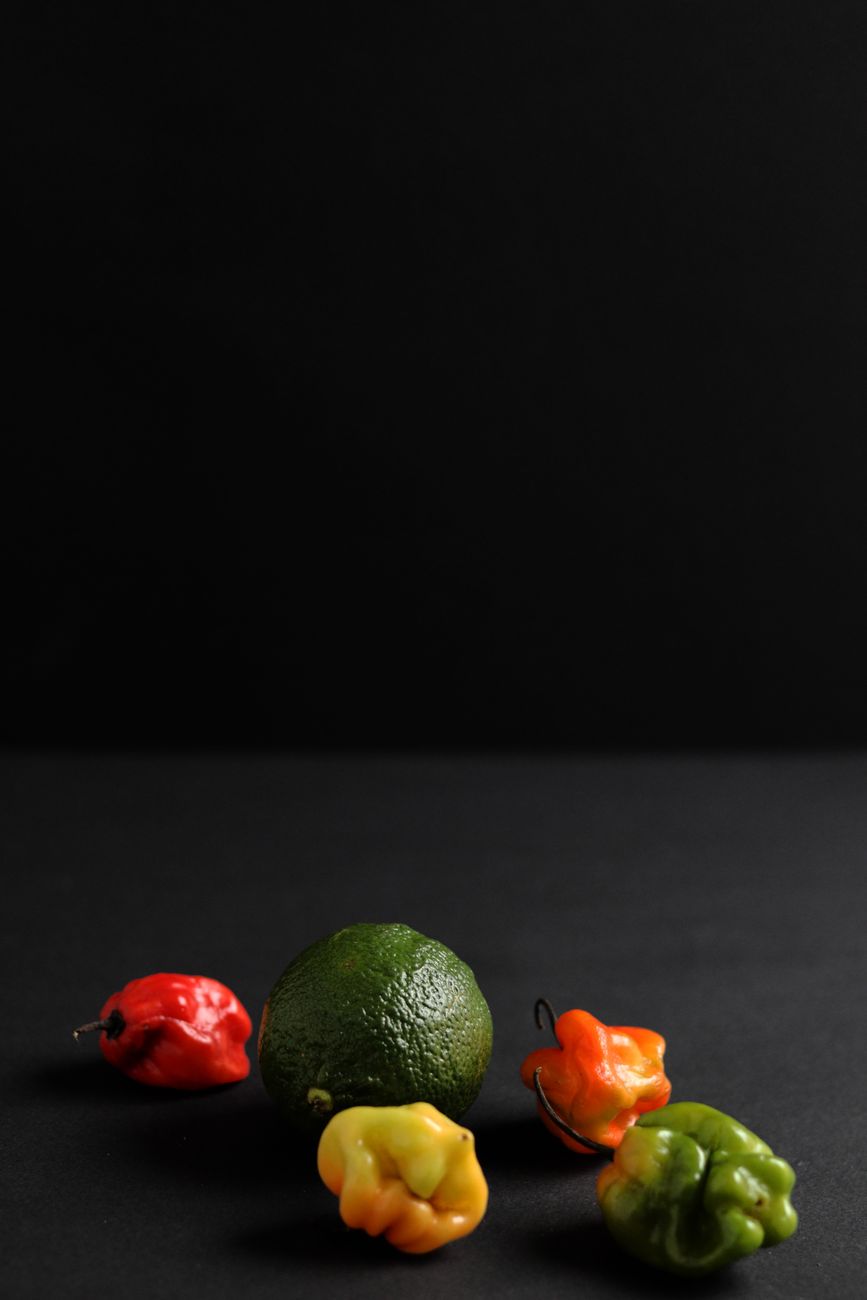
Oct 18, 2026Spicy Jamaican Dishes That Define Heat and Flavor Right Now
Jamaican cooking builds heat intentionally, not as theater. Scotch bonnets anchor the tradition—fruity, complex peppers that shape everything from jerk seasoning to table sauces. Learn how to choose them, use them, and understand why this approach to spice has stayed central to the cuisine.
culture
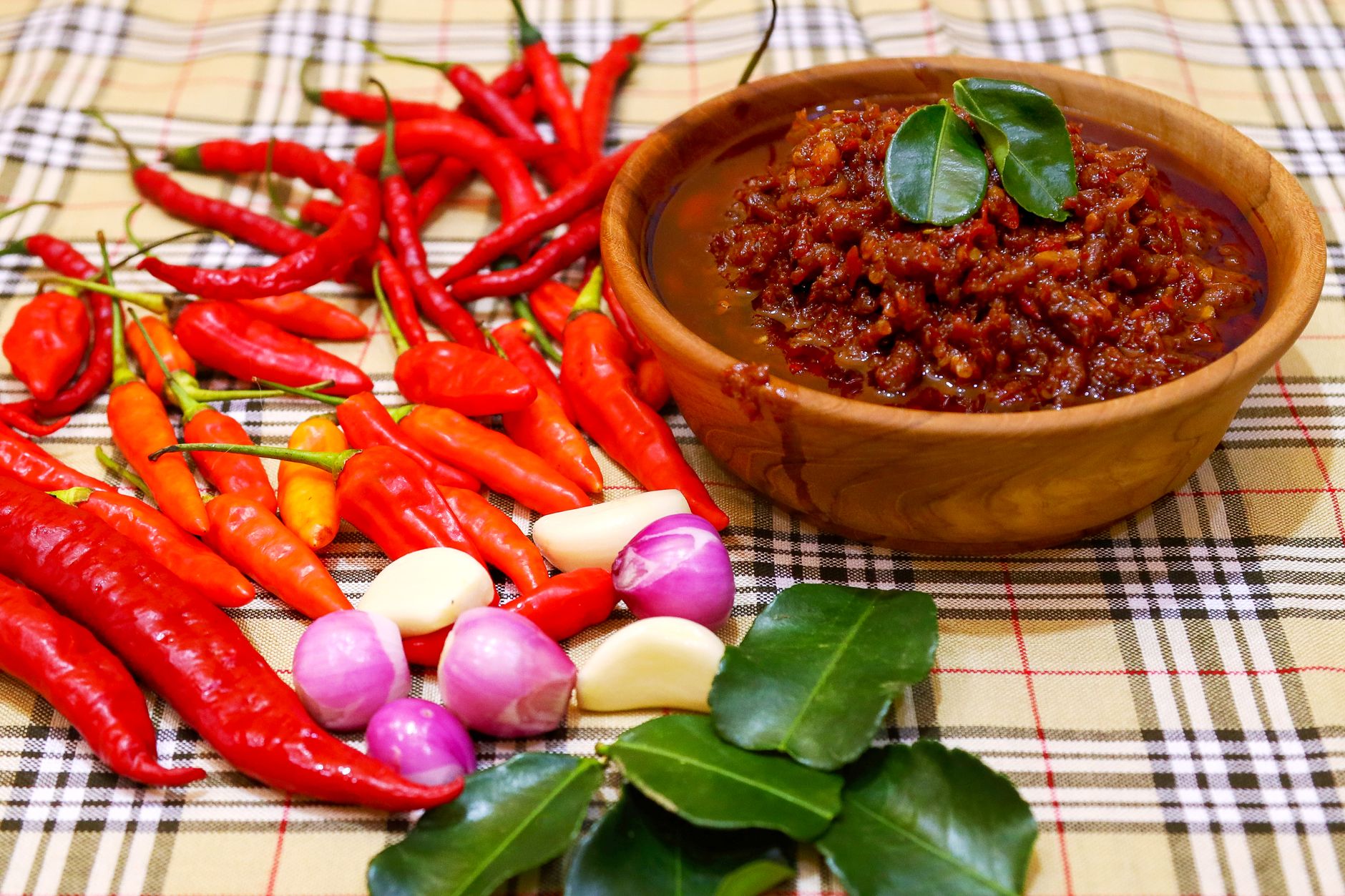
Oct 12, 2026What Malaysian Spicy Dishes Are Drawing Cooks Right Now
Malaysian heat builds in layers—through chile pastes, aromatics, and the way coconut milk carries spice. These dishes work because you can taste as you go, adjusting heat without losing the flavor underneath.
Background guides
Read the guide behind the technique
Learn more about the cooking techniques used here.
Community notes
Reader discussion is shared across recipes, reviews, and editorial pieces.
Comments are read-only while member sign-in is paused.