
Carolina Reaper
Also known as: HP22B, reaper pepper
Bred by Ed Curlin of the PuckerButt Pepper Company in South Carolina, the Carolina Reaper held the Guinness World Record as the world's hottest pepper from 2013 to 2023. Recognizable by its scorpion-like tail and deeply wrinkled red skin.
Scoville
1.4M–2.2M SHU
Heat
Superhot
Origin
north america
Species
C. chinense
Type
Superhot
Plant height
24–48 in
Heat profile
Superhot heat — 1.4M–2.2M SHU
Step milder
Naga Viper
1.3M–1.4M SHU
This pepper
Carolina Reaper
1.4M–2.2M SHU
Step hotter
7 Pot Primo
1.4M–1.9M SHU
Flavor profile
Fruity, sweet entry followed by the most intense sustained heat of any widely available pepper.
The Carolina Reaper is the rare pepper that actually delivers on its reputation. The initial fruit sweetness is real and lasts about three seconds before the capsaicin takes over in a way that most people cannot prepare for. Ed Curlin created it as a culinary pepper, not just a contest entry — and at extremely small quantities, it does bring a complex fruity-floral note to sauces. Torchbearer and Bravado have built whole product lines around it. This is the standard against which all superhot sauces are now measured.
Color
Red
Did you know
Ed Curlin created the Carolina Reaper by crossing a Pakistani Naga with a Red Habanero — the breeding took over a decade of selective cultivation.
How to use it
- —Used in tiny quantities in superhot hot sauces
- —Dried and powdered for extreme spice blends
- —Competition cooking and eating challenges
- —Seed cultivation for superhot growers
- —Infused into oils at controlled concentrations
Pairs well with
Substitutes
Can't find carolina reaper? Try one of these.
Ghost Pepper
Use 1.5–2 ghost peppers per reaper855K–1.0M SHU
Ghost peppers are about half the heat with a similar tropical fruit character. Best for layering reaper-style flavor at a slightly more sane level.
Trinidad Moruga Scorpion
1:11.2M–2.0M SHU
Roughly equivalent heat range and similar fruit-then-fire profile. Largely interchangeable in superhot hot sauce recipes.
How to grow it
Growing carolina reaper at home
USDA zones
Perennial in 10–11, annual in 4–9 with deliberate effort
Germinate
20–35 days
To harvest
~130 days from transplant
Plant height
24–48 in
Sun
full sun
Water
moderate
Container
Container-friendly
Among the most patience-testing peppers to grow. Seeds germinate slowly and need consistent 80–90°F soil. Plants are sensitive to cold and benefit from greenhouse or covered conditions in temperate climates. Start indoors 12–14 weeks before last frost. Distinctive scorpion-tail shape and rough red skin are diagnostic — if your pods look smooth, the seed was probably mislabeled.
Where to find it
Buying carolina reaper
Fresh
Almost never at general grocers. Specialty hot sauce shops, online pepper farms, and direct from Puckerbutt Pepper Company are the realistic sources.
Dried
Dried whole pods and reaper powder widely available online; specialty spice retailers and hot sauce shops carry them.
Seasonality
Late season; fresh harvests in October-November when fully ripened red.
Seed sources
- Puckerbutt Pepper Company (official)
- Pepper Joe's
- Refining Fire Chiles
- Baker Creek
Buy from Puckerbutt for guaranteed-authentic seeds — many vendors sell 'reaper' seeds that are actually crosses or mislabeled cultivars. The genetics matter for the characteristic shape, color, and heat level.
History & origin
Where carolina reaper comes from
Bred by Ed Currie at the Puckerbutt Pepper Company in South Carolina, the Carolina Reaper is the most famous American-bred pepper. Currie crossed a Pakistani Naga with a Red Habanero over more than a decade of selective breeding, deliberately targeting both record-breaking heat and a usable culinary flavor. Guinness certified it as the world's hottest pepper in 2013, a title it held for ten years until Pepper X (also bred by Currie) surpassed it in 2023.
Cook with it
Recipes that use carolina reaper.

thai · reaper
Oct 18, 2026Thai Gaeng Phed Gai with Carolina Reaper
A fiery red curry with chicken, built on roasted Carolina Reaper peppers, coconut milk, and fish sauce. The heat arrives in waves—sharp from fresh peppers, deep from the paste, and lingering from the long braise. Saucy and spoonable, it mellows slightly as it sits. 55 min · 0 saves.
american · reaper
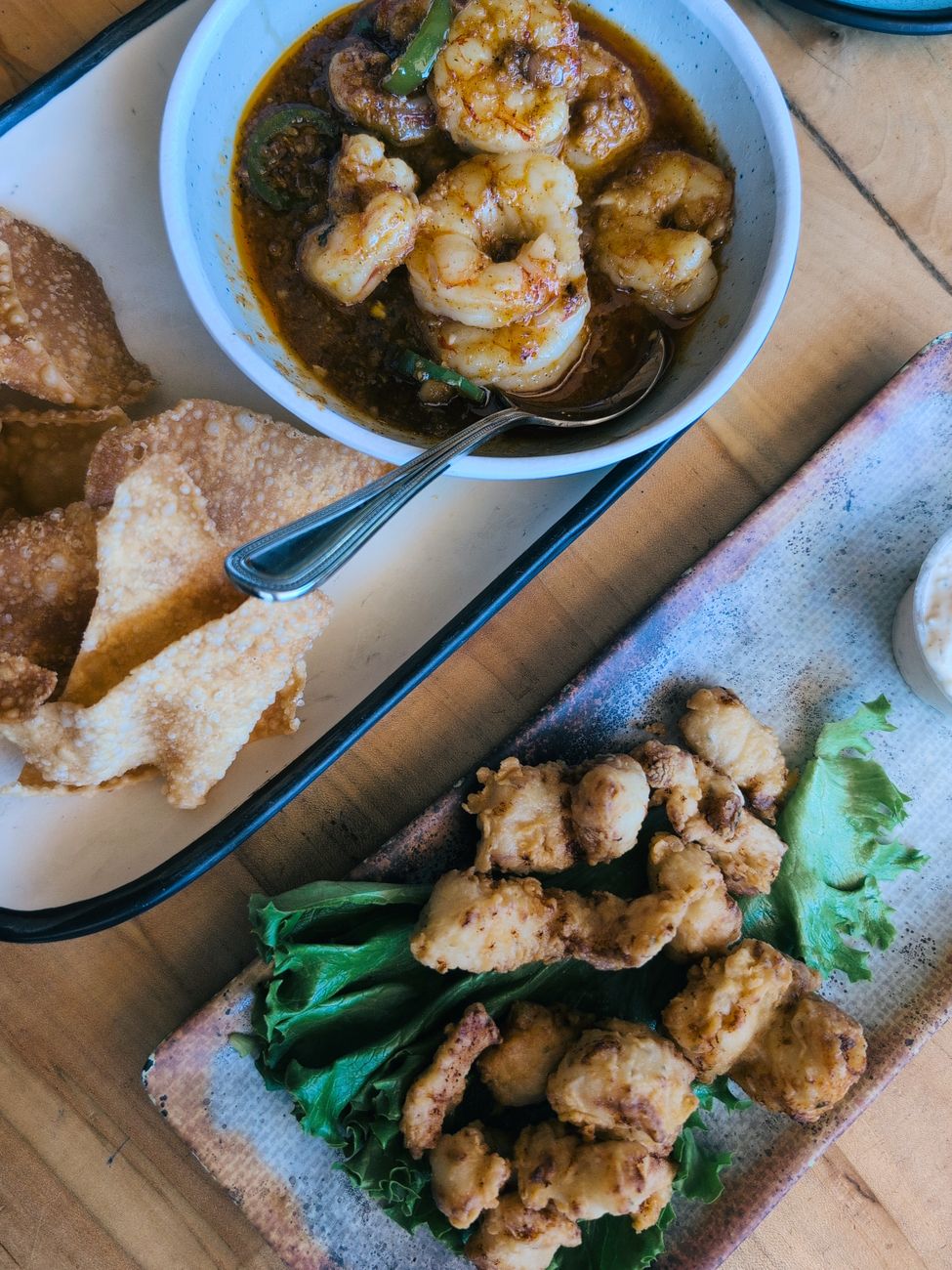
Oct 12, 2026Garlic Reaper Shrimp with Charred Scallions
Large shrimp seared until golden, tossed with Torchbearer Garlic Reaper sauce and finished with crispy garlic chips and charred scallion greens. The sauce clings to the shrimp without overwhelming the sweetness of the protein, and the heat builds steadily rather than hitting all at once. 20 min · 0 saves.

other · reaper
Oct 11, 2026Charred Carolina Reaper Whole Fish
A whole fish grilled over high heat with a Carolina Reaper and lime glaze that blackens and caramelizes on the skin, building intense heat with acidity and garlic underneath. 40 min · 0 saves.
From the blog
Articles about carolina reaper.
culture
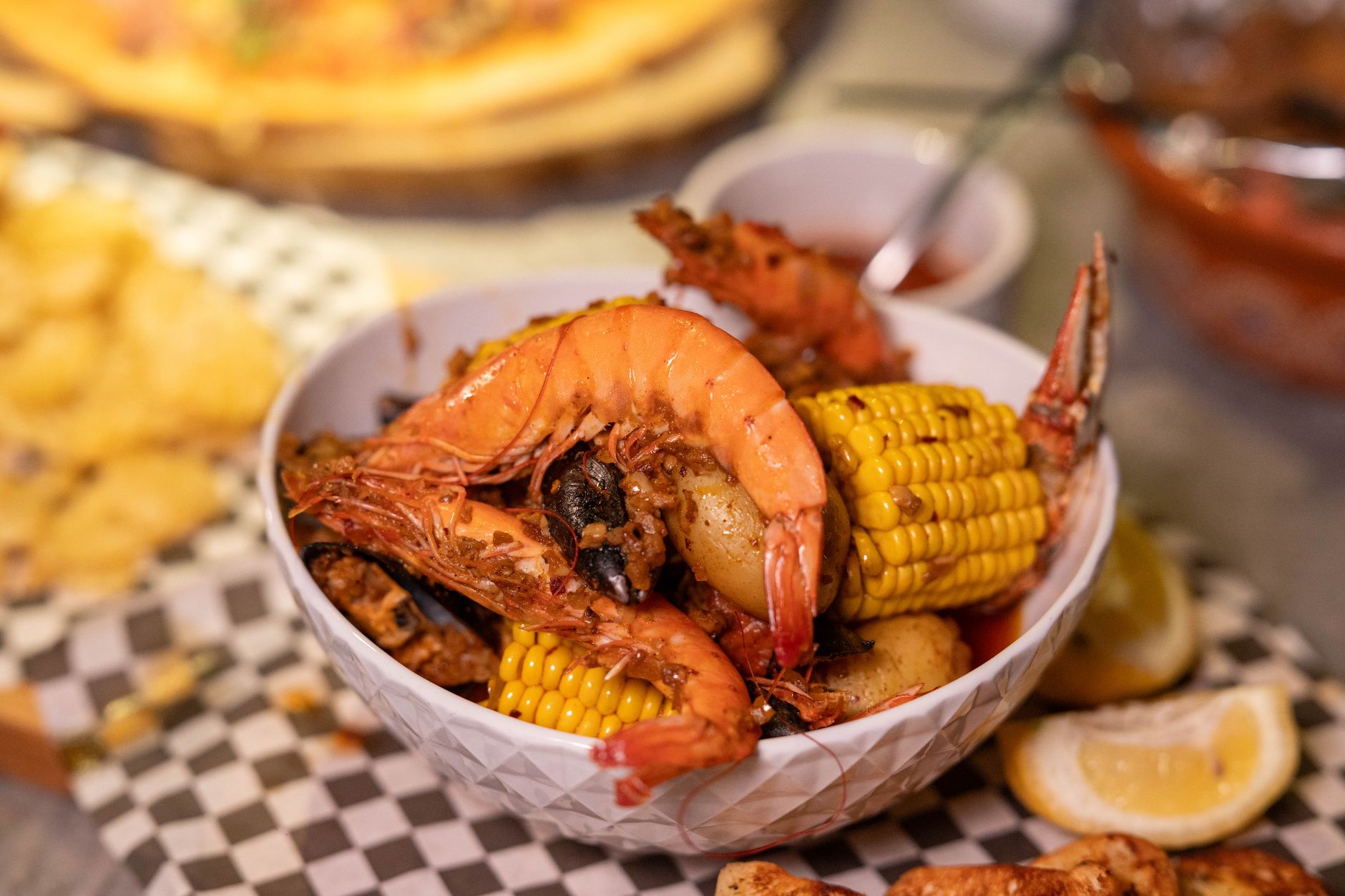
Jun 13, 2026Boudin, Crawfish Boils, and Cajun-Inspired Dishes
Boudin, crawfish boils, and Cajun-inspired dishes offer different textures and seasoning choices, from rice sausage to spiced seafood.
science
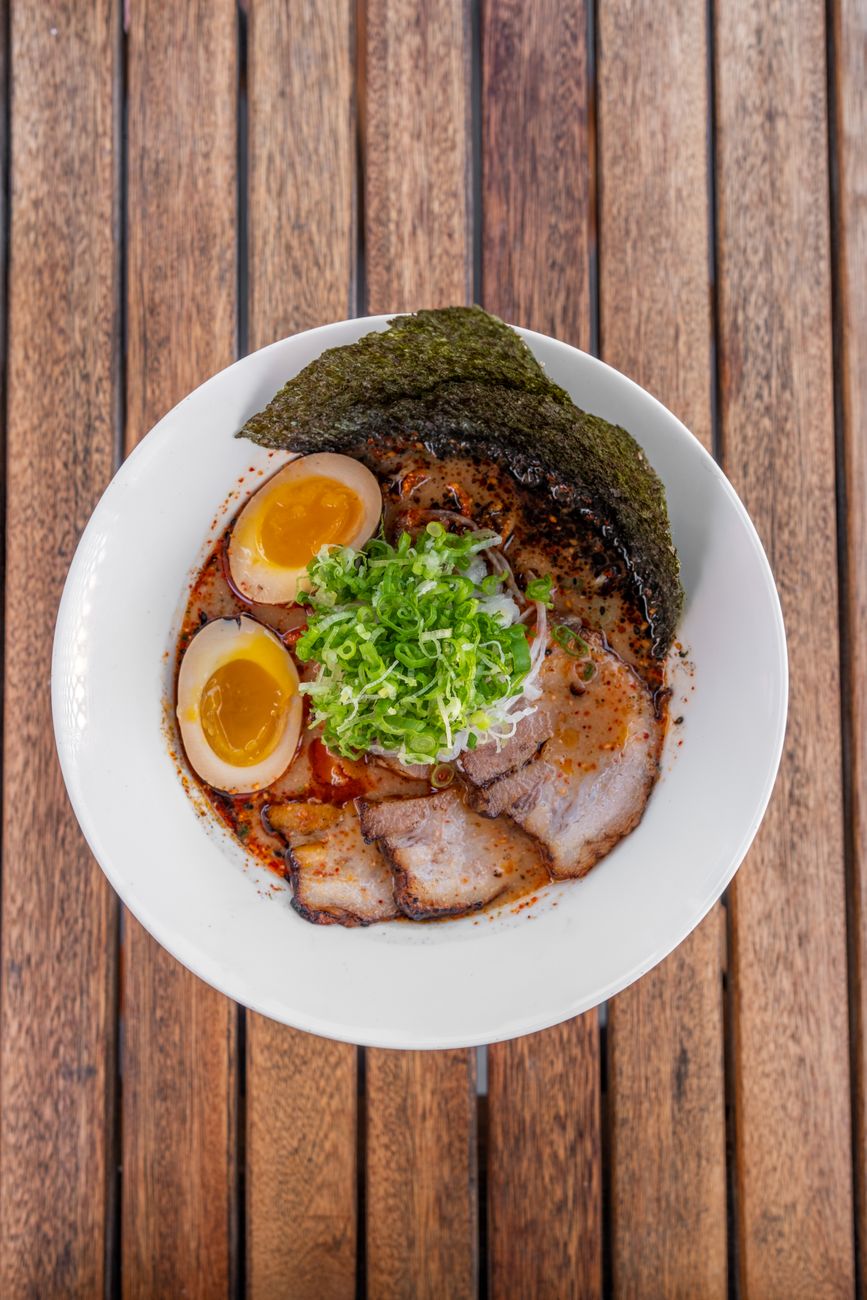
May 8, 2026Tantanmen, Spicy Curry, and Japanese-Inspired Chili Dishes
Explore tantanmen, spicy curry, and Japanese-inspired noodle bowls, focusing on sesame, miso, chili, and the balance of the sauce.
culture
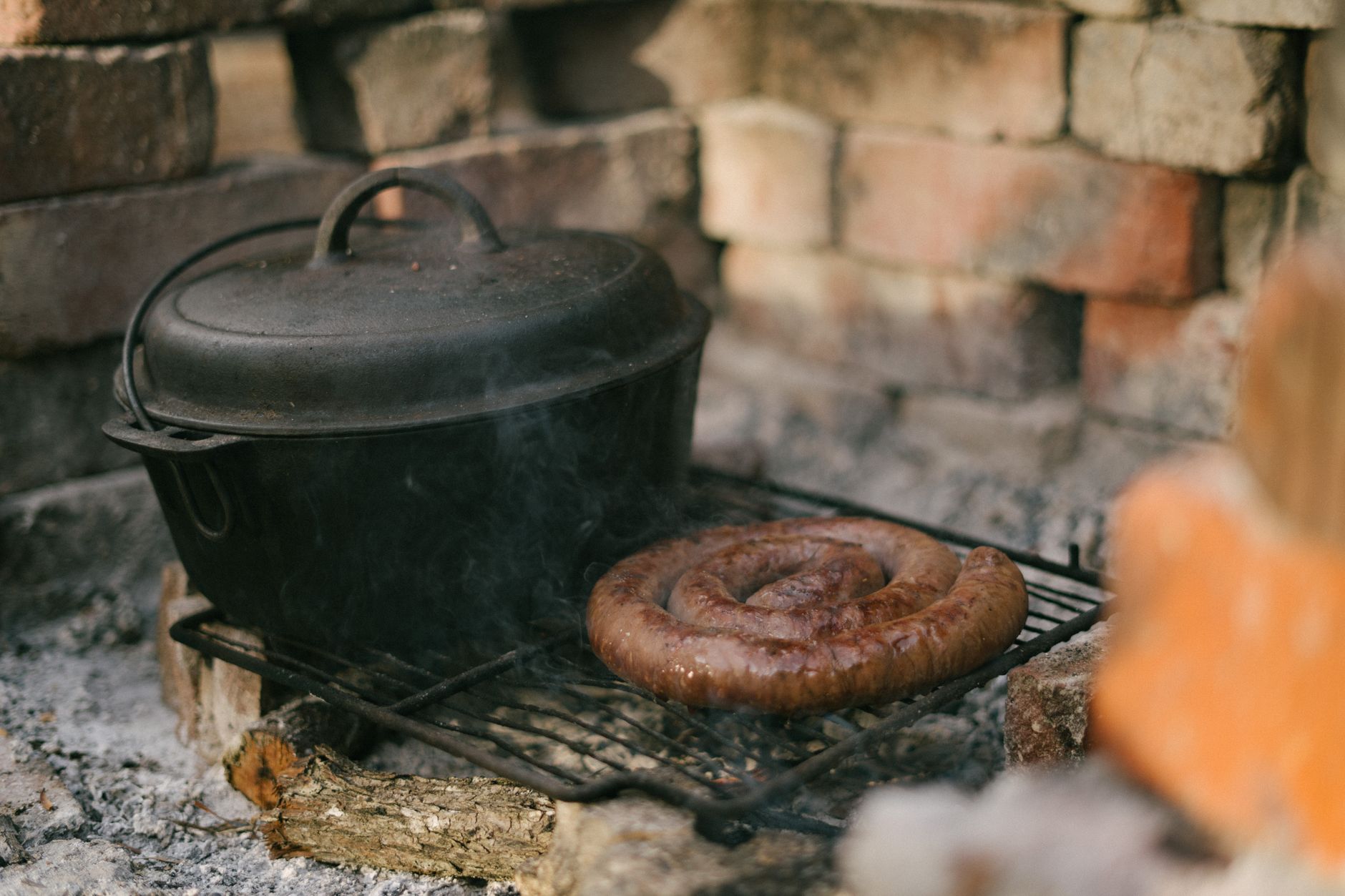
Apr 30, 2026Why Louisiana's Boldest Cajun Dishes Are Having a Spicy Renaissance
Louisiana kitchens are turning up the heat on beloved Cajun classics, layering ghost peppers and habaneros into time-honored jambalaya, gumbo, and crawfish boils without losing the soul that makes these dishes sing.
Background reading
Guides that cover carolina reaper.
Similar peppers
Other superhot peppers
Frequently asked
Common questions about carolina reaper
How hot is the Carolina Reaper?
1.4 million to 2.2 million Scoville Heat Units on average, with individual peppers documented over 2.4 million. That's roughly 200–400 times hotter than a jalapeño, and 5–15 times hotter than a habanero. Pepper X (also bred by Ed Currie) is now the official record holder at 2.69 million SHU.
What does a Carolina Reaper taste like?
Surprisingly fruity for the first 2–3 seconds — sweet tropical notes that read like very ripe stone fruit. Then the capsaicin arrives, and most flavor perception disappears for the next 10–20 minutes. Ed Currie deliberately bred for a fruit-forward flavor profile, not just heat — but the heat is so extreme that most people only register the front-of-palate sweetness.
Who created the Carolina Reaper?
Ed Currie, founder of Puckerbutt Pepper Company in Fort Mill, South Carolina. He started the breeding project in the early 2000s, crossing a Pakistani Naga with a Red Habanero and selecting for both maximum capsaicin and stable flavor character. The pepper was officially certified by Guinness in 2013.
Is it safe to eat a Carolina Reaper?
In tiny culinary quantities, yes. Whole-pepper challenges have caused documented medical emergencies including thunderclap headaches, severe gastrointestinal distress, and at least one case of a vasoconstriction stroke-like episode. Don't eat one whole. In a hot sauce or curry where one pepper is divided across many servings, the heat is intense but manageable.
Pantry examples
If you want to taste carolina reaper in a bottle or pantry product
These are optional examples of how this pepper shows up in real products. The profile above stands on its own even if you never shop from this section.
Heavy hitter
Torchbearer Garlic Reaper
Garlic-forward, punishingly hot, and best used when you want real reaper-level commitment.
View example ↗Gift flex
Bravado Black Garlic Carolina Reaper
A bold, savory superhot that feels more like a niche recommendation than a default bottle, which makes it good for gifting.
View example ↗Grow your own
Superhot Pepper Seed Pack
For readers who want the gardening pipeline behind their own sauce projects and fresh mash experiments.
View example ↗357k Scoville
Mad Dog 357 Ghost Pepper Hot Sauce
A cult-status ghost pepper sauce with serious collector appeal. Use it in drops for chili, soups, or challenge situations — not as a table pour.
View example ↗