culture
Beyond Kebab: Turkish Dishes That Pack Serious Heat
Turkish cuisine's real spice story lives in the regional dishes that most people never encounter—smoky Urfa preparations, chile-built Antep specialties, and the precision heat of true Adana kebab. These aren't the mild kebabs you know, but centuries-old techniques for building serious, sophisticated fire.

Share this
Pass it around
Send this page to a friend, copy the link, or save it to a Pinterest board.

Save for later
Pin this page
Save the image with a link back to this recipe, review, or article.
The Heat That Builds Character
Turkish cuisine has always understood something that escapes most spicy food: heat isn't about showing off, it's about building something bigger than itself. Sure, everyone knows the gentle doner kebab and honeyed baklava, but that's like judging Italian food by pizza alone. Turkey's regional kitchens have been perfecting the art of serious spice for centuries, creating dishes where fire and flavor are so intertwined you can't imagine one without the other.
I'm talking about three distinct approaches that feel both ancient and completely relevant right now. These aren't Instagram stunts or fusion experiments—they're the dishes Turkish families have been perfecting at their own tables, techniques so good they're finally getting the attention they deserve beyond their home regions.
Urfa-Style Meat Dishes: When Smoke Marries Fire
Urfa sits in southeastern Turkey, practically touching Syria, and the cooking here makes perfect sense when you taste it. This is border food—bold, uncompromising, built for people who understand that good spice should make you think, not just sweat.
The secret starts with Urfa biber, those magnificent dried chiles that taste like summer concentrated into dark, oily flakes. They're sun-dried until they develop this almost raisin-like complexity, then ground with just enough salt and oil to bring out their smokiness. Think of them as Aleppo pepper's more serious older sibling—earthier, deeper, with this tobacco-like richness that regular red pepper flakes can't touch.
Çiğ köfte showcases this pepper brilliantly. Bulgur wheat gets kneaded by hand with Urfa biber, tomato paste, and pomegranate molasses until it transforms into something that looks and feels remarkably like seasoned ground meat. The traditional version did include raw meat, but the vegetarian preparation is so satisfying that most places serve it this way now. Each bite starts gently, then builds into waves of heat that somehow make you want more, not less.
Urfa kebabs work the same magic with actual meat. Lamb or beef gets rubbed with enough Urfa biber to turn the exterior dark red, then grilled fast over high heat. The char adds another layer of smoke on top of the pepper's natural smokiness, creating this incredible depth that cheap spice blends simply can't match.
What makes these dishes so compelling isn't just the heat level—it's how completely integrated everything becomes. The pomegranate molasses cuts through the chile's earthiness with bright tartness. Fresh herbs provide cooling moments without diminishing the overall intensity. You find yourself taking another bite even as your mouth is still processing the last one.
Antep Specialties: Building on Chile
Gaziantep takes a completely different approach. Here, chile isn't seasoning—it's infrastructure. The foundation that everything else gets built on.
Antep usulü döner proves this point beautifully. Instead of the mild döner most people know, this version gets slathered with hot pepper paste before the slow roasting even begins. The exterior develops this dark, spice-crusted bark while the interior stays impossibly tender. Every slice carries real heat, but it's heat that makes the meat taste more like itself, not less.
The city's lahmacun—those paper-thin flatbreads topped with spiced ground meat—work the same way. The meat mixture contains enough hot pepper paste to make your eyes water, but it's balanced with fresh parsley, diced onions, and a good squeeze of lemon. The bread isn't there to cool things down; it's a delivery system for concentrated spice.
But Antep's most distinctive move might be their approach to muhammara, that gorgeous walnut and pepper spread. While other regions lean sweet, Antep muhammara leads with fire. Roasted red peppers get blended with walnuts, bread crumbs, and enough hot pepper paste to announce itself immediately and linger pleasantly.
The techniques that make these dishes sing:
- Layering heat from the very beginning, not adding it as an afterthought
- Using bread crumbs or bulgur to carry spice evenly throughout
- Balancing chile intensity with acidic elements that brighten rather than dull
- Including cooling garnishes that complement without competing
Adana's Kebab Mastery: Heat with Purpose
Adana kebab deserves its growing reputation because it represents something rare: absolute technical precision applied to serious spice. This isn't regular kebab with hot sauce on the side. The heat gets engineered into the meat itself through careful spice selection and old-school technique.
Real Adana kebab starts with hand-chopped lamb that keeps some texture rather than turning into smooth paste. The spice blend centers on hot red pepper flakes, but the proportions are everything. Too conservative and you've made regular kebab. Too aggressive and the meat falls apart on the skewer.
The chile variety matters enormously. Adana cooks want peppers with clean, direct heat rather than the complex, smoky types that work so well in Urfa. The goal is fire that amplifies the lamb's richness without creating flavor competition. Many recipes blend hot and mild peppers to create heat that builds gradually rather than hitting you all at once.
Even the skewering technique affects the final result. The meat gets pressed firmly onto wide, flat skewers, creating maximum surface area for the spices to concentrate and caramelize over high heat. You get this incredible spiced crust protecting juicy, perfectly seasoned interior.
What separates truly great Adana kebab from merely hot kebab is restraint. The spice level should make you pause between bites, maybe reach for some ayran, but never overwhelm the lamb's essential character. The fresh herbs and raw onions provide relief, but they shouldn't be necessary for basic enjoyment.
Why This Matters Right Now
These Turkish approaches offer something genuinely different from the chile-obsessed trends dominating spicy food lately. Instead of heat as performance or endurance test, they present spice as fundamental flavor architecture.
Better yet, the techniques work beautifully in home kitchens. Most rely on spice blending and preparation methods rather than impossible-to-find ingredients. True Urfa biber and proper Turkish pepper paste make a real difference, but even decent approximations using available chiles can capture the essential approach.
Most importantly, these dishes understand sustainable heat—spice levels designed for actual eating, not social media moments. They're built for sharing around a table, for going back for seconds, for the kind of satisfying heat that enhances conversation rather than stopping it cold.
That balance of sophistication and real-world usability explains why these Turkish preparations are finally getting serious attention. They offer genuine complexity for experienced spice lovers while remaining completely approachable for anyone still building their tolerance. The heat serves the food, not the other way around.
Peppers featured in this post
Cook with this idea
Recipes to try next.
Put these ingredients and techniques to use in your next meal.

other · hot
Oct 8, 2026Sambal Udang Petai
Stir-fried prawns with stink beans and fiery sambal, built on shallots, garlic and bird's eye chillis. A weeknight dinner that delivers serious heat without lengthy prep. 18 min · 0 saves.
other · hot
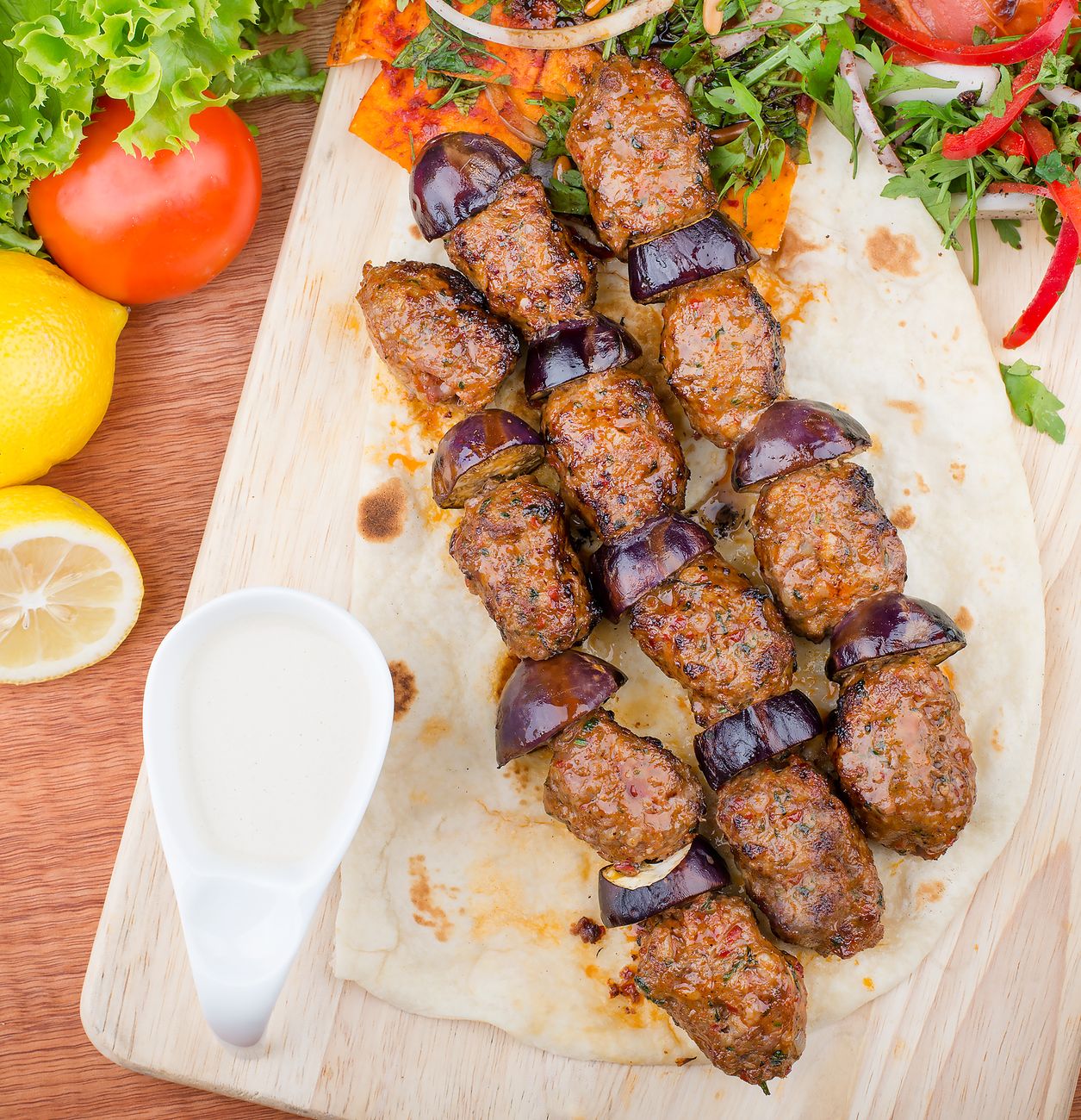
Sep 7, 2026Adana Kebab with Charred Chilli and Sumac
Ground lamb pressed onto flat metal skewers and grilled hard over flame until blackened and crackling on the outside, tender and juicy within. This Turkish street classic gets its serious kick from fresh red chilli ground into the meat and dried Aleppo chilli that brings warmth and fruity depth. The grill is non-negotiable—charcoal or gas flame gives you the char and smoke that makes this dish sing. 32 min · 0 saves.

other · hot
Jun 8, 2026Moqueca de Camarão with Malagueta Fire
Brazilian coconut shrimp stew spiked with fresh malagueta and habanero peppers for serious heat 35 min · 0 saves.
Bottle picks
Related hot sauce reviews.
Explore sauces with related ingredients, flavors, and heat levels.
Yellowbird Habanero Hot Sauce Review
A bright, carrot-forward bottle with enough heat to stay lively and enough sweetness to stay versatile.
Best for tacos
Best for: Tacos and rice bowls
Skip if: Skip if you want a classic vinegar-forward table sauce with almost no sweetness.
Read review
Queen Majesty Scotch Bonnet and Ginger Review
A bright, elegant sauce that leans on fruit, ginger, and Scotch bonnet lift instead of brute force.
Best for seafood
Best for: Seafood and fish tacos
Skip if: Skip if you want a thick, smoky wing sauce more than a bright finishing bottle.
Read review
Fly By Jing Sichuan Gold Review
A citrusy, tingly sauce with real peppercorn presence and enough versatility to move beyond dumplings.
Best for dumplings
Best for: Eggs and breakfast tacos
Skip if: Skip if you want a thick, smoky wing sauce more than a bright finishing bottle.
Read review
Go deeper
Background guides that build on this.
Keep reading
More on this subject.
If this post helped, these are the next pieces most likely to keep the thread going.
culture
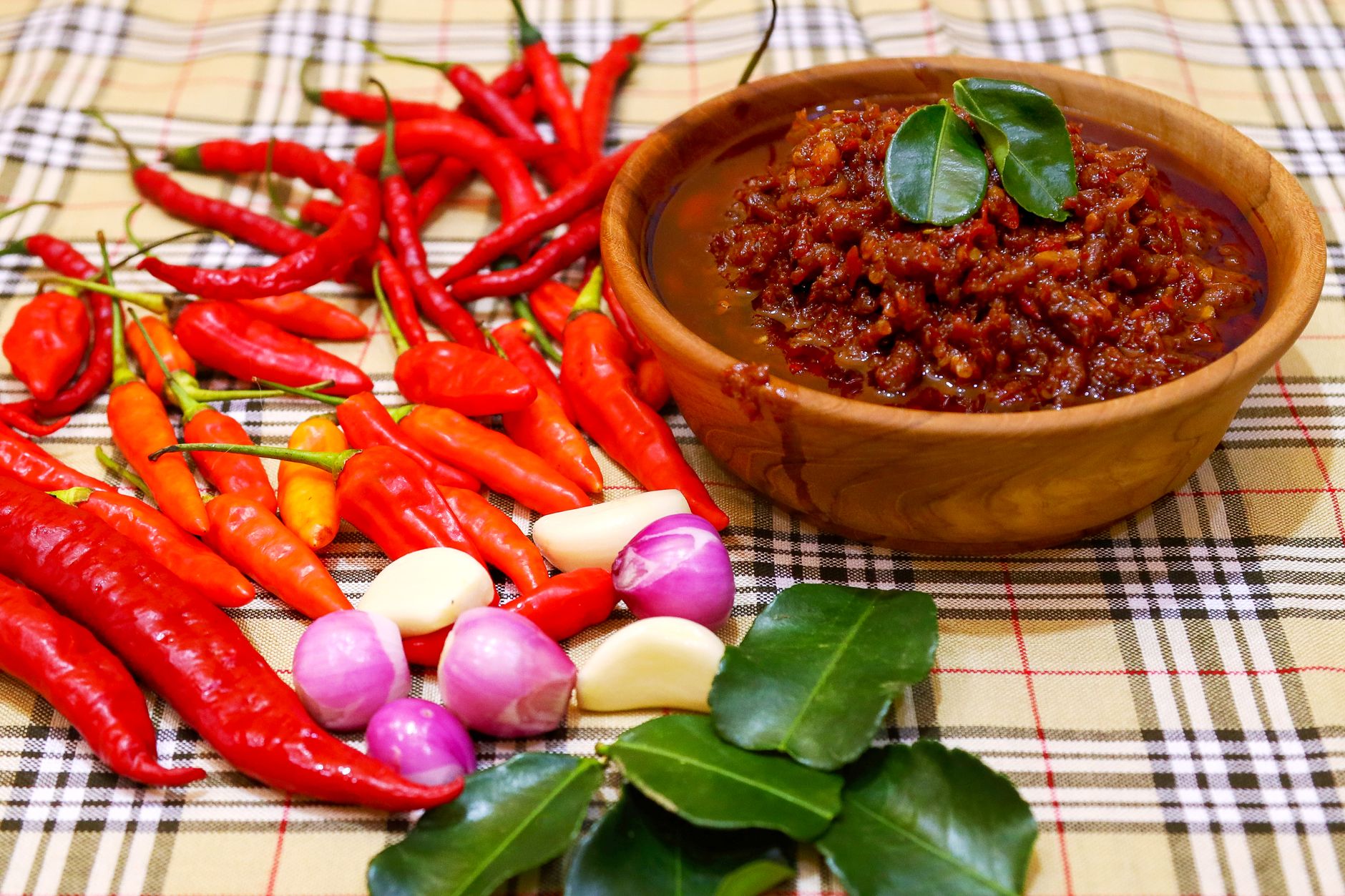
Oct 12, 2026What Malaysian Spicy Dishes Are Drawing Cooks Right Now
Malaysian heat builds in layers—through chile pastes, aromatics, and the way coconut milk carries spice. These dishes work because you can taste as you go, adjusting heat without losing the flavor underneath.

culture
Oct 6, 2026What Makes Malaysian Spicy Food So Craveable Right Now
Malaysian spicy cooking balances heat with coconut, tamarind, and layered spices. Laksa, sambal, and rendang solve the problem of making chili taste good—not just hot. Learn the techniques that make these dishes work and how to cook them at home.
culture
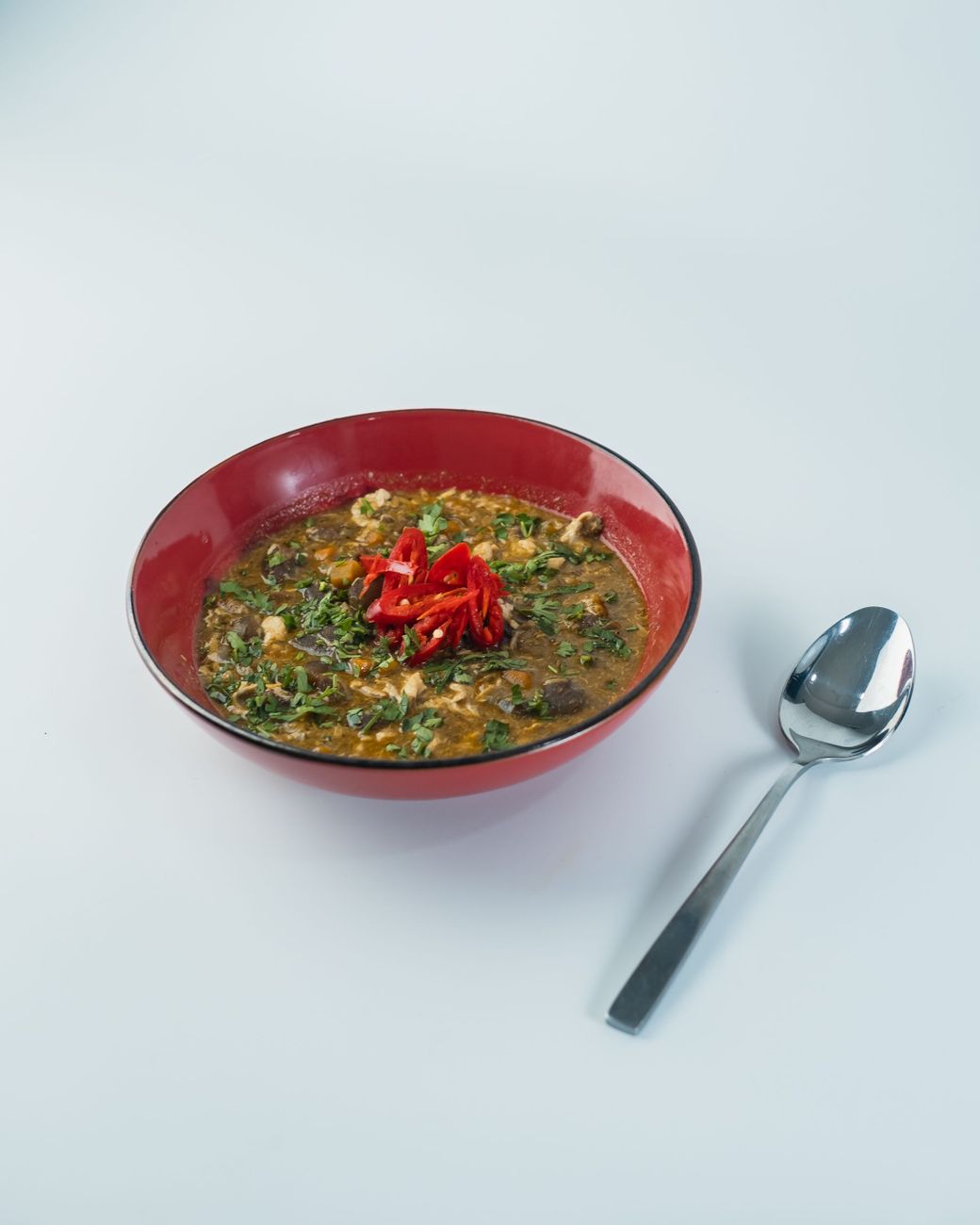
Jun 10, 2026The Heat Revolution: Why Nigerian Spicy Food Is Having Its Moment
From warming pepper soups to scotch bonnet-loaded jollof, Nigerian cooks have mastered the art of building heat that actually enhances flavor—and the rest of us are finally catching on.
Comments
Reader discussion is shared across recipes, reviews, and editorial pieces.
Comments are read-only while member sign-in is paused.