
FlamingFoodies recipe
Doro Wat with Extra Berbere Heat
Ethiopia's beloved national chicken stew gets a fiery makeover with fresh scotch bonnet peppers and an extra-generous hand with berbere spice—perfect for the heat seekers at your table.
Fork-tender chicken and hard-boiled eggs simmer in a blazing berbere sauce with caramelized onions and scotch bonnet heat.
Ingredients
Berbere Paste
- 3 tablespoonsberbere spice blend
- 2 tablespoonstomato paste
- 3 tablespoonswater
Main Dish
- 4 poundschicken, cut into 8-10 pieces, skin on
- 4 largeyellow onions, finely chopped
- 2 wholescotch bonnet peppers, stems removed, left whole
- 6 clovesgarlic, minced
- 2 inchesfresh ginger, peeled and minced
- 1/4 cupniter kibbeh, or clarified butter
- 8 wholehard-boiled eggs, peeled
- 1 cupchicken stock
- 2 tablespoonsdry red wine, optional
- 1 teaspoonsalt
Method
1. Make berbere paste and prep chicken Start your berbere paste by mixing the spice blend with tomato paste and water until you have a thick, spreadable consistency. Season your chicken pieces all over with salt and let them sit while the spices in your paste get friendly with each other.
Watch for: Your paste should coat a spoon without dripping off
Tip: Give that paste a good 10 minutes to hydrate—the spices will bloom and deepen
2. Cook onions until deeply caramelized Now for the most important step: melt your niter kibbeh in a heavy Dutch oven and add those chopped onions. Cook them low and slow, stirring regularly, until they turn deep golden brown and shrink down to half their original volume. This is where patience pays off—you're building the sweet foundation that will balance all that heat.
Watch for: The onions should look jammy and golden with no raw white bits hiding anywhere
Tip: This really does take close to an hour, but you can prep everything else while you stir
3. Build the spice base Stir in your garlic, ginger, and that berbere paste, then carefully nestle in the whole scotch bonnets. Let everything cook together until it smells absolutely incredible and the paste darkens a shade—about 3-4 minutes of stirring.
Watch for: The mixture should smell warm and complex with no harsh garlic bite
Tip: Keep those scotch bonnets whole so you can fish them out if things get too fiery
4. Simmer chicken and eggs Add your chicken pieces and stock, bring everything to a gentle bubble, then tuck those hard-boiled eggs right into the sauce. Cover and let it all simmer together until the chicken falls off the bone and the sauce clings beautifully. Add the wine in the last few minutes if you're using it.
Watch for: The chicken should be so tender it practically falls apart, and the sauce should coat everything richly
Tip: Give those eggs a few little pokes with a fork—they'll drink up more of that amazing sauce
Equipment
- Dutch oven
- wooden spoon
Make ahead
- This is one of those dishes that actually improves with time. Make it a day ahead and let those flavors get cozy in the fridge overnight—the heat mellows just enough while the spices deepen.
Storage
- Keep it covered in the fridge for up to 4 days, or freeze portions for up to 3 months when you need a quick heat fix.
Reheat
- Warm it gently on the stovetop over low heat, adding a splash of stock if it seems too thick. If you're microwaving, use half power so those eggs don't explode on you.
Top tips
- This actually gets better overnight—the flavors marry beautifully and the heat settles into something more rounded
- Give those hard-boiled eggs a few gentle scores with a knife so they can really soak up the sauce
- Taste with caution as it cooks—those scotch bonnets keep releasing heat as they simmer
Substitutions
- Regular ghee or even butter works if you can't find niter kibbeh
- All chicken thighs instead of mixed pieces gives you richer, more forgiving meat
- Habaneros are your best substitute for scotch bonnets—use 2-3 for similar heat
Serve with
- Serve it the traditional way with spongy injera bread for scooping
- Plain basmati rice makes a perfect cooling companion to all that heat
- Keep some yogurt or even cottage cheese on the table for anyone who needs a break from the fire
Find another recipe
Open archive →Doro Wat with Extra Berbere Heat

Ethiopia's beloved national chicken stew gets a fiery makeover with fresh scotch bonnet peppers and an extra-generous hand with berbere spice—perfect for the heat seekers at your table.
Prep
30 min
Cook
1 hr 30 min
Active
45 min
Total
2 hrs
Yield
6 servings
Share this
Pass it around
Send this page to a friend, copy the link, or save it to a Pinterest board.
Save for later
Pin this page
Save the image with a link back to this recipe, review, or article.
Peppers in this recipe
Recipe notes
Before you cook
If you've ever wondered what happens when you take Ethiopia's already spicy doro wat and push it into serious heat territory, this is your answer. We're keeping everything that makes the original so special—those slow-cooked onions that melt into silky sweetness, the hard-boiled eggs that soak up all that gorgeous sauce, the warm complexity of berbere spice. But we're also adding whole scotch bonnet peppers and doubling down on the berbere because sometimes you want dinner to really wake you up. Yes, you'll spend an hour stirring onions, but that's where the soul of this dish lives.
Total time
2 hrs
Prep: 30 min. Cook: 1 hr 30 min.
Yield
6 servings
The ingredient quantities below are for this yield.
Method
How to cook it
Use the step navigator to move around, or stay in cook mode and work top to bottom.
- 1
Step 1 of 4
Make berbere paste and prep chicken
Start your berbere paste by mixing the spice blend with tomato paste and water until you have a thick, spreadable consistency. Season your chicken pieces all over with salt and let them sit while the spices in your paste get friendly with each other.
- 2
Step 2 of 4
Cook onions until deeply caramelized
Now for the most important step: melt your niter kibbeh in a heavy Dutch oven and add those chopped onions. Cook them low and slow, stirring regularly, until they turn deep golden brown and shrink down to half their original volume. This is where patience pays off—you're building the sweet foundation that will balance all that heat.
- 3
Step 3 of 4
Build the spice base
Stir in your garlic, ginger, and that berbere paste, then carefully nestle in the whole scotch bonnets. Let everything cook together until it smells absolutely incredible and the paste darkens a shade—about 3-4 minutes of stirring.
- 4
Step 4 of 4
Simmer chicken and eggs
Add your chicken pieces and stock, bring everything to a gentle bubble, then tuck those hard-boiled eggs right into the sauce. Cover and let it all simmer together until the chicken falls off the bone and the sauce clings beautifully. Add the wine in the last few minutes if you're using it.
Troubleshooting
Tips that matter
- This actually gets better overnight—the flavors marry beautifully and the heat settles into something more rounded
- Give those hard-boiled eggs a few gentle scores with a knife so they can really soak up the sauce
- Taste with caution as it cooks—those scotch bonnets keep releasing heat as they simmer
Substitutions and variations
Storage and leftovers
Plan ahead and reheat well
Make ahead
This is one of those dishes that actually improves with time. Make it a day ahead and let those flavors get cozy in the fridge overnight—the heat mellows just enough while the spices deepen.
Storage
Keep it covered in the fridge for up to 4 days, or freeze portions for up to 3 months when you need a quick heat fix.
Reheat
Warm it gently on the stovetop over low heat, adding a splash of stock if it seems too thick. If you're microwaving, use half power so those eggs don't explode on you.
At the table
Serving suggestions
- Serve it the traditional way with spongy injera bread for scooping
- Plain basmati rice makes a perfect cooling companion to all that heat
- Keep some yogurt or even cottage cheese on the table for anyone who needs a break from the fire
FAQ
Common questions
Help! I made it too spicy—what can I do?
Pull out those scotch bonnet peppers right away, and serve with plenty of cooling sides like yogurt, rice, or bread. Next time, start with just one pepper and taste as you go.
Do I really need the hard-boiled eggs?
They're pretty essential to the whole doro wat experience—they soak up that fiery sauce like little sponges. But if you must skip them, add them in the last 15 minutes for firmer yolks.
Where do I find good berbere spice?
Ethiopian markets are your best bet, but many specialty spice shops carry it now, and you can always order online. Look for blends with visible chili flakes rather than fine powder—they tend to have better heat distribution.
Heat profile
Hot
The recipe is classified as hot. Check the chile quantities before you start.
Skill level
Intermediate
Check the method for steps that need to be prepared at the same time.
Total time
2 hrs
Prep: 30 min. Cook: 1 hr 30 min.
Yield
6 servings
The ingredient quantities below are for this yield.
Cook this with
Three useful buys before you start
A sauce, a pantry ingredient, and a kitchen tool to consider for this dish.
Sauce
Yellowbird Habanero
Yellowbird · Best for tacos
It brings enough heat to cut through the richer bites without flattening the rest of the dish.
Get the sauce used herePantry
Berbere Spice Blend
Warm spice
Sheet pan dinners and stews. A smoky-spiced shortcut for lentils, roasted vegetables, stews, and fast weeknight braises.
Grab the pantry stapleGear
Stainless Steel Grill Basket
Summer helper
Seafood, fajitas, and charred vegetables. A cleaner route for shrimp, peppers, onions, and small vegetables that would otherwise disappear into the grates.
Use this toolPair this with
The right bottle for this recipe
These sauce picks are matched to the dish itself, not dropped in at random. Use them to finish, sharpen, or push the heat where it helps.
Yellowbird Habanero
It brings enough heat to cut through the richer bites without flattening the rest of the dish.
A bright, carrot-forward bottle with enough heat to stay lively and enough sweetness to stay versatile.
Los Calientes Rojo
Use this when you want a brighter finishing hit next to the deeper flavors already built into doro wat with extra berbere heat.
Heatonist Los Calientes Rojo: flavor notes, heat level, and suggested food pairings.
Shop the pantry
Pantry staples for this recipe
Warm spice
$9-$16Berbere Spice Blend
Sheet pan dinners and stews. A smoky-spiced shortcut for lentils, roasted vegetables, stews, and fast weeknight braises.
Check price on AmazonChar-ready marinade
$8-$14Nando's Medium Peri-Peri Sauce
Chicken, skewers, and grilled vegetables. The bottle to grab when chicken needs acid, garlic, and real heat before it hits the grill or broiler.
Check price on AmazonRoast-anything helper
$8-$15Harissa Paste
Roasts, braises, and yogurt sauces. The smoky-chili shortcut for roast carrots, meatballs, chicken thighs, and yogurt sauces that need a little menace.
Check price on AmazonRecommended equipment
Cooking tools
Summer helper
$18-$30Stainless Steel Grill Basket
Seafood, fajitas, and charred vegetables. A cleaner route for shrimp, peppers, onions, and small vegetables that would otherwise disappear into the grates.
Check price on AmazonSauce lab
$35-$60Molcajete Mortar and Pestle
Fresh salsa and chunky chili pastes. The right move for salsa macha, charred pepper pastes, and rough-textured marinades with bite.
Check price on AmazonCook next
More recipes with similar heat
These are the next recipes most likely to fit the same mood, pantry, or heat level once this one is in your rotation.

ethiopian · hot
Apr 14, 2026Doro Wot with Extra Berbere Fire
Ethiopia's most beloved chicken stew gets a loving heat boost with extra berbere and fresh scotch bonnet peppers. This version honors the traditional slow-cooking magic while bringing enough fire to make your eyes water—in the best possible way. 135 min · 0 saves.

ethiopian · hot
Apr 14, 2026Doro Wot with Extra Berbere Heat
Ethiopia's beloved spiced chicken stew with an extra kick of berbere and habaneros for those who love their comfort food with serious heat 120 min · 0 saves.
ethiopian · hot
May 1, 2026Ethiopian Doro Wat with Extra Berbere Heat
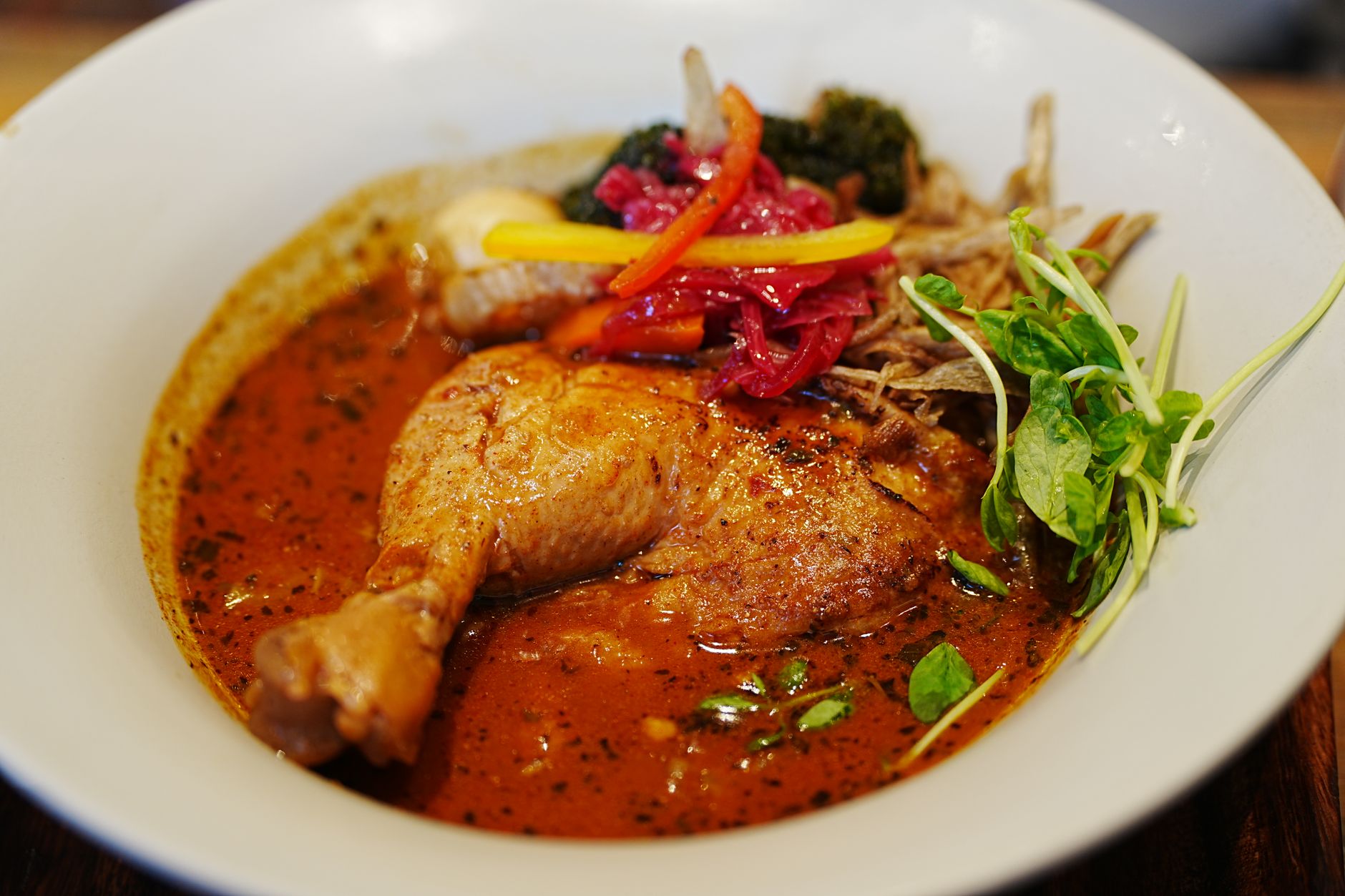
Traditional Ethiopian chicken stew amplified with extra berbere spice blend and fresh hot peppers for serious heat lovers 120 min · 0 saves.
FlamingFoodies picks
Pantry, gear, and bottle picks that fit this meal
Smoky shortcut
Chipotle Peppers in Adobo
The pantry move for smoky mayo, burger sauce, taco braises, and chili that tastes like you actually thought ahead. Best for burger sauce, chili, and taco fillings.
View on AmazonNumbing heat
Fly By Jing Sichuan Gold
A more citrusy, peppercorn-leaning sauce when you want flavor movement instead of pure capsaicin. Best for dumplings, noodles, and fried eggs.
View on AmazonFrom the blog
More about this dish
Read more about the ingredients and cuisine.

science
May 26, 2026Berbere in Doro Wat, Kitfo, and Shiro
A look at Ethiopian spice blends through doro wat, kitfo, and shiro, with attention to the ingredients and preparation of each dish.
science
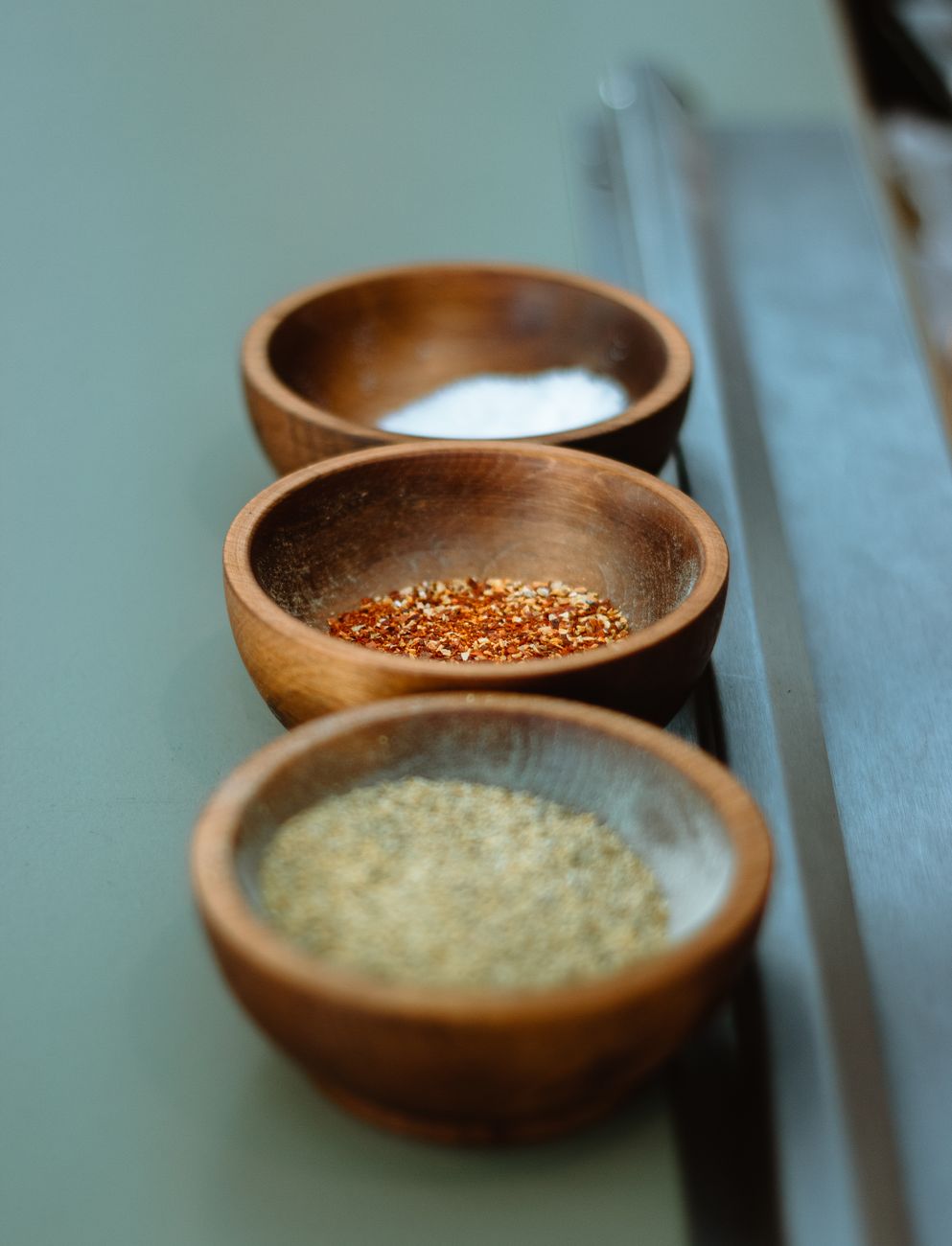
Apr 28, 2026Berbere, Mitmita, and Awaze: Ethiopian Spice Blends
A practical introduction to berbere, mitmita, and awaze: their ingredients, differences, and uses in Ethiopian cooking.
Background guides
Read the guide behind the technique
Learn more about the cooking techniques used here.
Community notes
Reader discussion is shared across recipes, reviews, and editorial pieces.
Comments are read-only while member sign-in is paused.