science
Jamaican Jerk, Curry, and Pepper Shrimp
Jerk, curry, and pepper shrimp use different combinations of scotch bonnet, spice, smoke, and aromatics in Jamaican cooking.
Share this
Pass it around
Send this page to a friend, copy the link, or save it to a Pinterest board.

Save for later
Pin this page
Save the image with a link back to this recipe, review, or article.
Jamaican Jerk, Curry, and Pepper Shrimp
Jamaican cooking uses scotch bonnet peppers across several dishes, but the results are strikingly different depending on preparation. Jerk relies on scotch bonnets and pimento wood smoke. Curry builds heat gradually through a spice blend before the peppers arrive. Pepper shrimp delivers scotch bonnet heat directly, balanced with lime and ginger. Each approach handles the same base pepper differently.
Jerk: Scotch Bonnets and Pimento Wood Smoke
The traditional jerk spice blend includes:
These spices layer with the pepper heat and smoke, giving jerk its complex character rather than a single straightforward burn.
Curry: Heat That Builds in Stages
Scotch bonnets go in alongside coconut milk, and the fat in the coconut milk slows how the pepper's heat spreads through the dish, so it develops over the course of eating rather than hitting all at once. Fresh thyme and scallions added toward the end contribute bright, sharp notes that keep the dish from tasting one-note despite the layered heat.
Pepper Shrimp: Direct Heat, Balanced with Citrus and Ginger
Pepper shrimp is Jamaica's most direct heat style: scotch bonnet peppers cooked quickly with shrimp, finished with lime juice. The lime adds acidity that cuts through the pepper heat and keeps the dish tasting bright rather than one-dimensional.
Ginger rounds out the dish, adding its own warmth alongside the scotch bonnet's heat, with a sharper, cleaner flavor that gives the palate a break between bites.
Cooking Notes for Each Style
Jerk depends on real wood smoke for its characteristic flavor—liquid smoke doesn't reproduce the same result. Curry benefits from unhurried cooking; rushing it skips the gradual layering of flavor that the coconut milk and spice blend are meant to build. Pepper shrimp needs fresh lime juice and a short cooking time to keep its bright, direct contrast between heat and acid intact.
These three approaches show different ways of using the same base ingredient, scotch bonnet peppers, across Jamaican cooking—each suited to a different kind of dish and a different way of experiencing the same pepper.
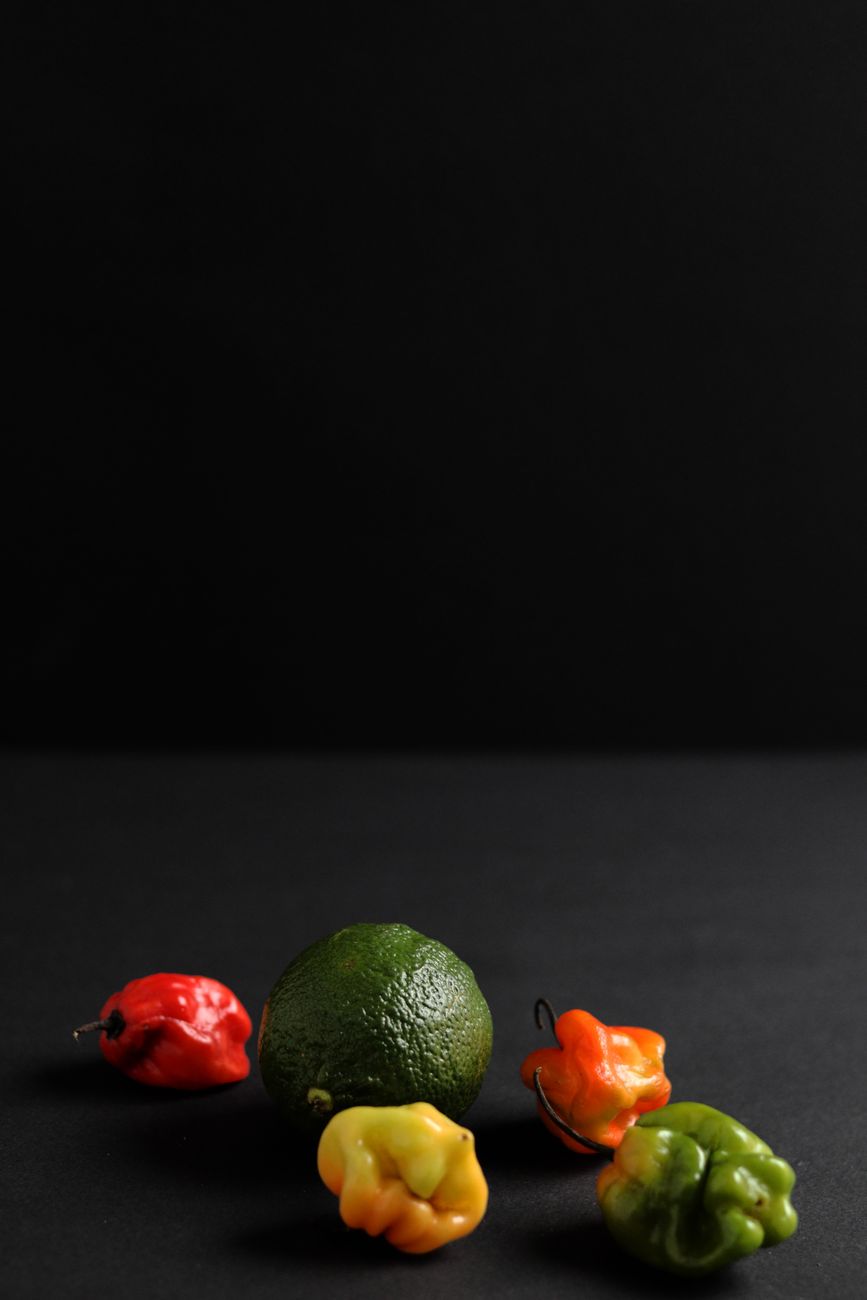
Peppers featured in this post
Cook with this idea
Recipes to try next.
Put these ingredients and techniques to use in your next meal.
jamaican · hot
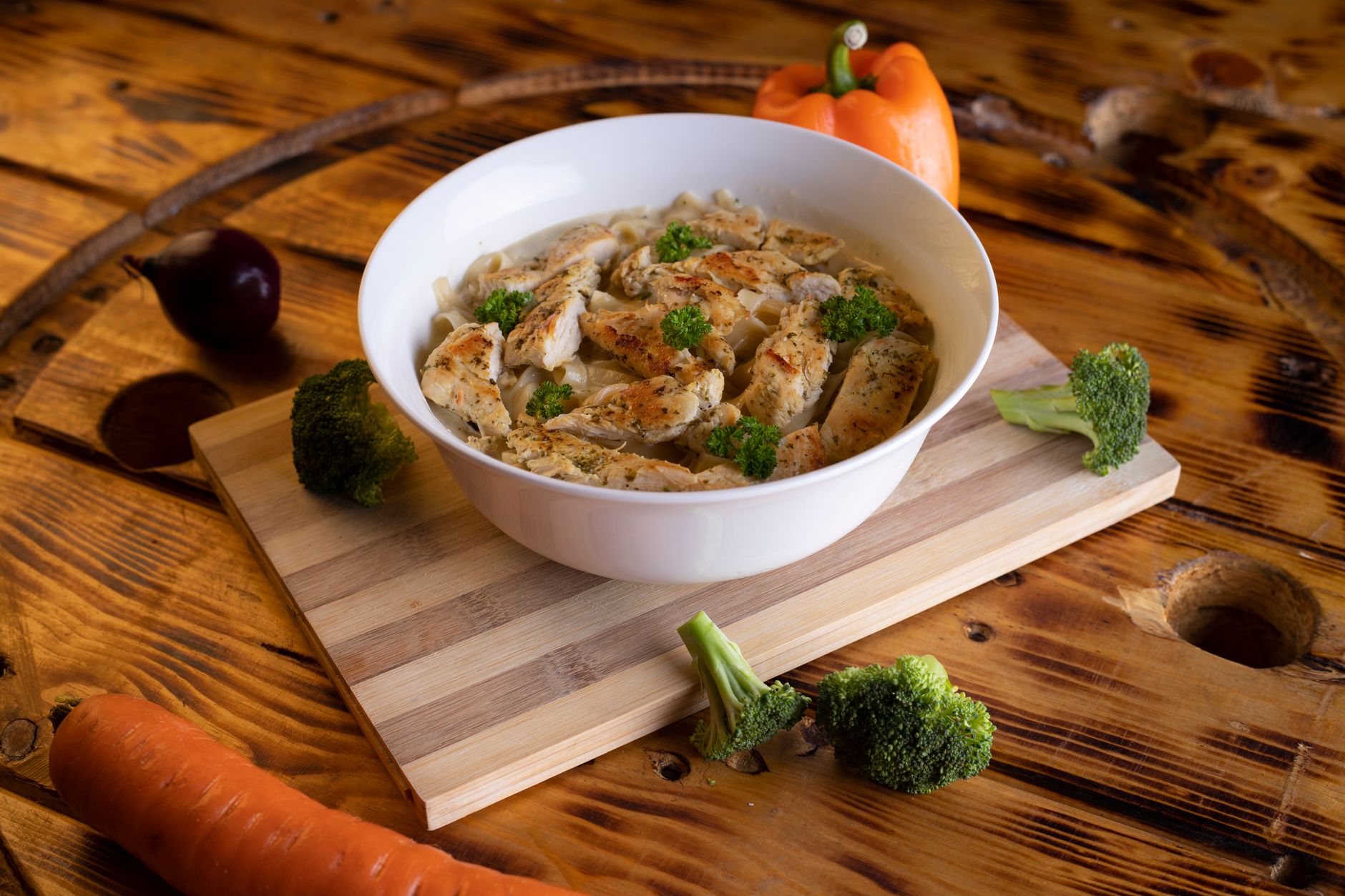
Jun 5, 2026Scotch Bonnet Rasta Pasta with Jerk Chicken
Silky coconut pasta dancing with colorful bell peppers and perfectly seasoned jerk chicken, warmed by whole scotch bonnet peppers that bring authentic Jamaican fire to your dinner table. 45 min · 0 saves.

jamaican · hot
May 29, 2026Jamaican Curry Goat with Scotch Bonnet Heat
A rich, aromatic curry goat that builds serious heat with scotch bonnet peppers, coconut milk, and traditional Jamaican spices—the kind that makes you sweat happily with every spoonful. 145 min · 0 saves.
jamaican · hot
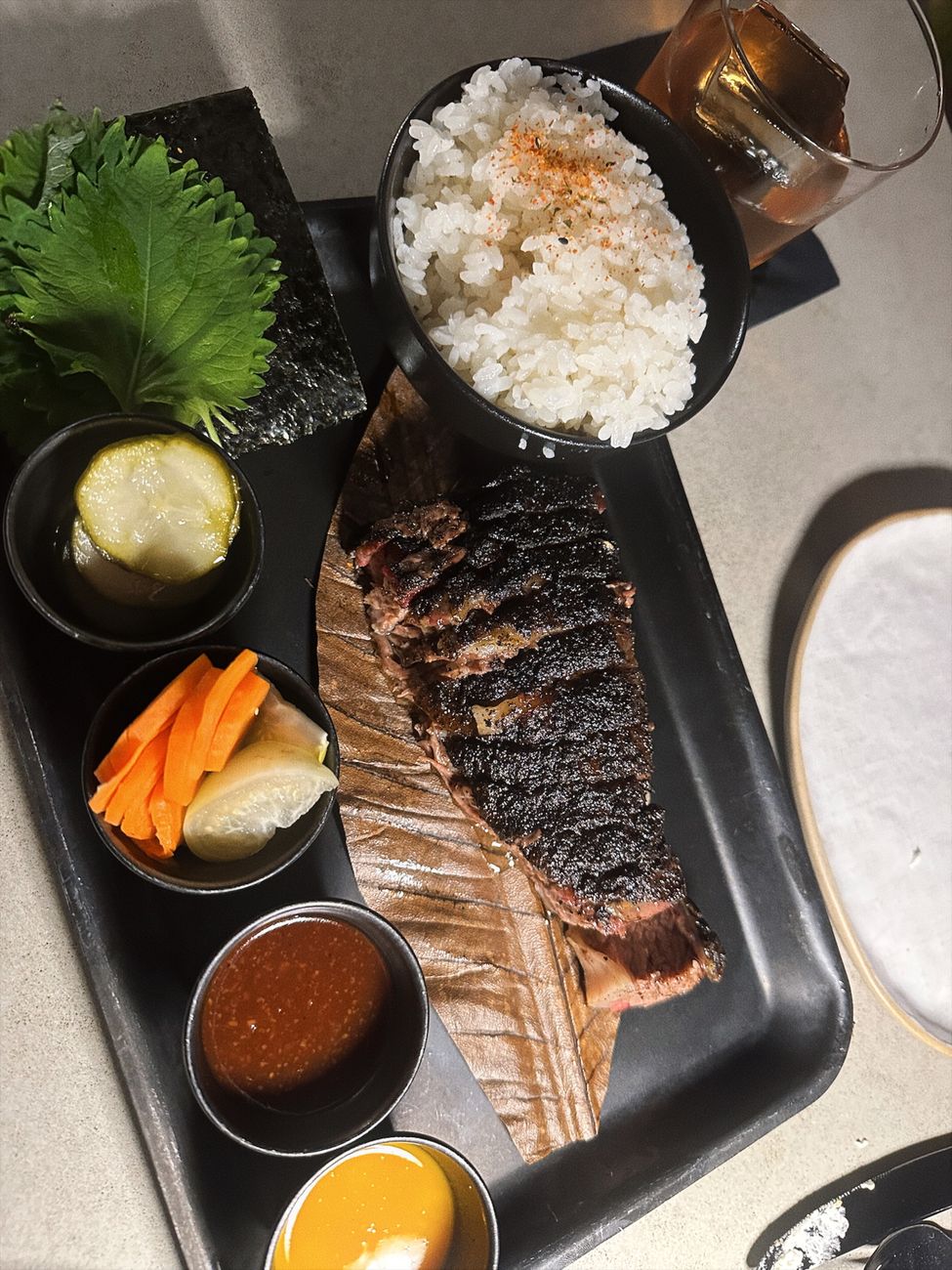
May 18, 2026Scotch Bonnet Jerk Pork Rice Bowl with Pickled Plantain
Fork-tender jerk-spiced pork shoulder served over creamy coconut rice, topped with tangy pickled plantain and a fiery scotch bonnet-ginger sauce that delivers authentic Jamaican heat with layers of complex spice. 100 min · 0 saves.
Bottle picks
Related hot sauce reviews.
Explore sauces with related ingredients, flavors, and heat levels.
Queen Majesty Scotch Bonnet and Ginger Review
A bright, elegant sauce that leans on fruit, ginger, and Scotch bonnet lift instead of brute force.
Best for seafood
Best for: Seafood and fish tacos
Skip if: Skip if you want a thick, smoky wing sauce more than a bright finishing bottle.
Read review
Yellowbird Habanero Hot Sauce Review
A bright, carrot-forward bottle with enough heat to stay lively and enough sweetness to stay versatile.
Best for tacos
Best for: Tacos and rice bowls
Skip if: Skip if you want a classic vinegar-forward table sauce with almost no sweetness.
Read review
Heatonist Los Calientes Rojo Review
Heatonist Los Calientes Rojo: flavor notes, heat level, and suggested food pairings.
Best for tacos
Best for: Tacos and rice bowls
Skip if: Skip if you are chasing a novelty-level heat hit or a super-special-occasion bottle.
Read review
Go deeper
Background guides that build on this.
Keep reading
More on this subject.
If this post helped, these are the next pieces most likely to keep the thread going.
science
May 16, 2026Scotch Bonnet Sauce, Jerk Marinade, and Curry Goat
Compare scotch bonnet sauce, a jerk marinade, and curry goat, with a focus on aromatics, char, and slow cooking rather than maximum heat.
science
Apr 10, 2026Scotch Bonnet and Allspice in Jamaican Cooking
Scotch bonnet peppers, allspice, thyme, and slow cooking shape the seasoning in jerk, curry goat, and brown stew fish.

science
Jun 14, 2026Filipino Cooking with Chili, Vinegar, and Coconut Milk
Explore the use of chili, vinegar, coconut milk, and fermented ingredients in Filipino dishes such as Bicol express and laing.
Comments
Reader discussion is shared across recipes, reviews, and editorial pieces.
Comments are read-only while member sign-in is paused.