
science
Nduja, Arrabbiata, and Aglio e Olio: Italian Chili Dishes
Nduja, arrabbiata, and aglio e olio offer different ways to pair chili with pasta, tomatoes, garlic, and olive oil.

Share this
Pass it around
Send this page to a friend, copy the link, or save it to a Pinterest board.

Save for later
Pin this page
Save the image with a link back to this recipe, review, or article.
There's something happening in Italian kitchens that goes beyond the usual red sauce and mozzarella playbook. Walk into any serious pizzeria lately and you'll spot nduja spreading its crimson heat across dough. Order penne all'arrabbiata at your neighborhood trattoria and watch how quickly it disappears from other tables. These dishes carry more heat than typical Italian fare, and the way that heat is built into the dish — through fat, acid, and long-cooked aromatics — is what makes them stand out.
The Fat in Nduja Changes How Its Heat Behaves
When nduja melts into pasta water, across pizza dough, or through risotto, its fat disperses in small globules that carry flavor and heat together. The result is heat that feels rounded rather than sharp, since it's delivered through fat rather than as dry pepper flakes.
Smart cooks use this to their advantage:
- Toss it with orecchiette and broccoli rabe, where the bitter greens play against the rich heat
- Melt it into risotto, letting rice starch create an even creamier delivery system
- Spread it under mozzarella on pizza, creating pockets of concentrated warmth
- Stir it into white bean soups, where the legumes' protein balances the intensity
What Makes Arrabbiata So Well Balanced
Penne all'arrabbiata gets its name from the Italian word for angry, though well-made versions taste more balanced than fiery. San Marzano tomatoes bring acidity and sweetness that tempers the dried chilies, rounding out the heat rather than intensifying it.
Tomatoes contribute natural umami that, combined with olive oil and garlic, gives the sauce a savory base that carries the chili heat rather than leaving it sitting on its own.
This keeps the heat consistent throughout the dish rather than concentrated in occasional bites.
Why Aglio e Olio Delivers Heat So Directly
Spaghetti aglio e olio with chilies is one of the simplest dishes for testing how much heat you actually enjoy. With just olive oil, garlic, red pepper flakes, and pasta, there's nothing else to soften or redirect the chili's heat.
Without tomatoes or cream to buffer it, the heat from peperoncino rosso comes through directly, carried by the olive oil and a light starch coating from the pasta water. The result is a more direct, unfiltered chili flavor than you'd get in a tomato-based dish.
The preparation matters here. Thin garlic slices and red pepper flakes go into warm olive oil together, infusing the oil with both. Keeping the heat gentle prevents the garlic from turning bitter and keeps the chili flavor from turning harsh.
Pasta water helps here too. Its starch helps the oil cling to the spaghetti, so the chili flakes and their heat get distributed evenly across the strands rather than settling at the bottom of the bowl.
This even distribution means the heat builds steadily through the dish rather than hitting in one strong burst.
How Fat, Acid, and Umami Balance Heat in Italian Cooking
Italian cooking tends to balance heat with fat, acid, and umami rather than relying on chili alone. Northern preparations often lean on cream or butter to soften the heat, while southern dishes use olive oil's richness and tomatoes' acidity to round it out.
The result is heat that stays present through a full plate of pasta rather than fading fast or overwhelming early. Parmigiano in cacio e pepe con peperoncino, pancetta fat in spicy carbonara variations, and the wine reduction in fra diavolo all work the same way — rounding out the chili's heat with fat, salt, or acidity.
These techniques — building heat through fat, acid, and umami rather than raw chili alone — are what make dishes like spicy rigatoni or nduja pizza taste balanced rather than simply hot.
Peppers featured in this post
Cook with this idea
Recipes to try next.
Put these ingredients and techniques to use in your next meal.
italian · medium
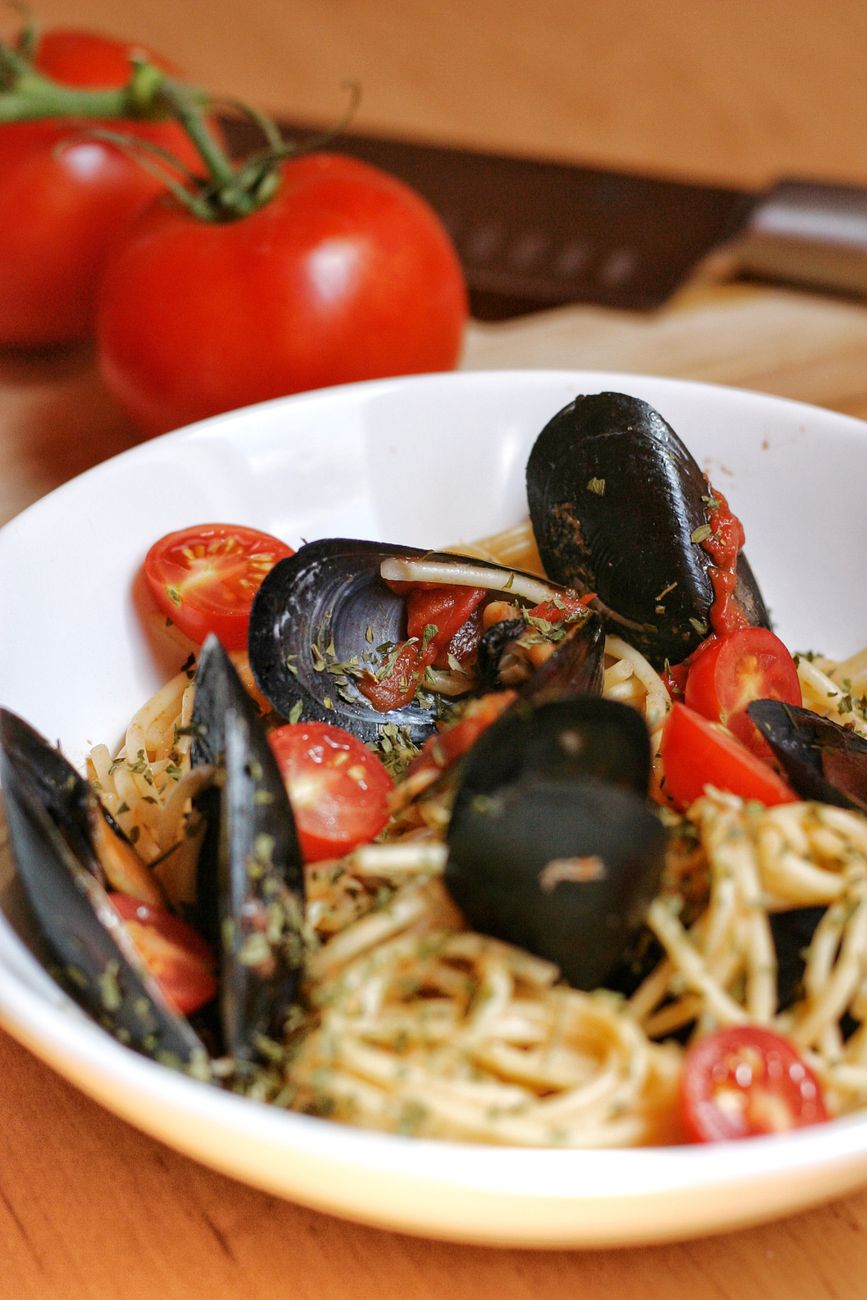
Jun 10, 2026Spaghetti all'Arrabbiata with Mussels
Fresh mussels tossed with spicy arrabbiata sauce and spaghetti for a fiery Roman-style seafood pasta that balances briny sweetness with cayenne heat. 35 min · 0 saves.

italian · medium
Mar 25, 2026Calabrian Chili Vodka Rigatoni
Creamy rigatoni with tomato depth, Calabrian chile fruitiness, and enough heat to keep it from tasting too plush. 35 min · 477 saves.
italian · hot
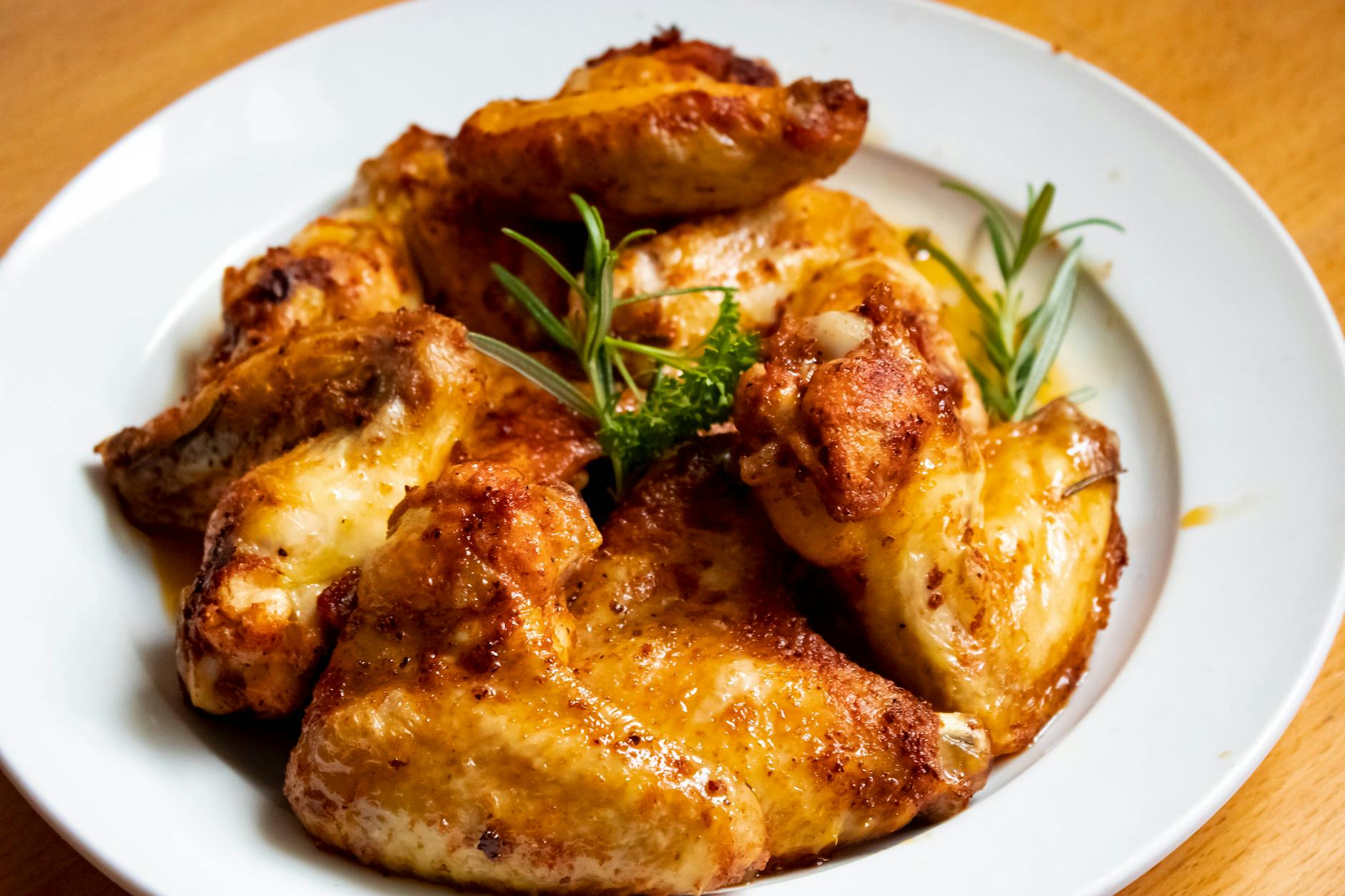
May 15, 2026Calabrian Chile Wings with Spicy Honey Glaze
Chicken wings tossed in a fiery Calabrian chile paste and finished with hot honey for the kind of heat that builds beautifully with each bite. 60 min · 0 saves.
Bottle picks
Related hot sauce reviews.
Explore sauces with related ingredients, flavors, and heat levels.
Heatonist Los Calientes Rojo Review
Heatonist Los Calientes Rojo: flavor notes, heat level, and suggested food pairings.
Best for tacos
Best for: Tacos and rice bowls
Skip if: Skip if you are chasing a novelty-level heat hit or a super-special-occasion bottle.
Read review
Yellowbird Habanero Hot Sauce Review
A bright, carrot-forward bottle with enough heat to stay lively and enough sweetness to stay versatile.
Best for tacos
Best for: Tacos and rice bowls
Skip if: Skip if you want a classic vinegar-forward table sauce with almost no sweetness.
Read review
Fly By Jing Sichuan Gold Review
A citrusy, tingly sauce with real peppercorn presence and enough versatility to move beyond dumplings.
Best for dumplings
Best for: Eggs and breakfast tacos
Skip if: Skip if you want a thick, smoky wing sauce more than a bright finishing bottle.
Read review
Go deeper
Background guides that build on this.
Keep reading
More on this subject.
If this post helped, these are the next pieces most likely to keep the thread going.

science
Oct 6, 2026Why Spicy Italian Cooking is Becoming Harder to Ignore
Southern Italian cooks have always used peperoncini as a core seasoning, not a novelty. Here's how heat works in regional Italian cooking, why it's becoming more visible, and how to use dried peppers to sharpen flavor rather than overwhelm it.

science
Jun 7, 2026Nduja and Calabrian Chile Oil: Texture and Cooking Uses
Learn about the texture and culinary uses of nduja and Calabrian chile oil, from spreading on bread to seasoning pasta.
science
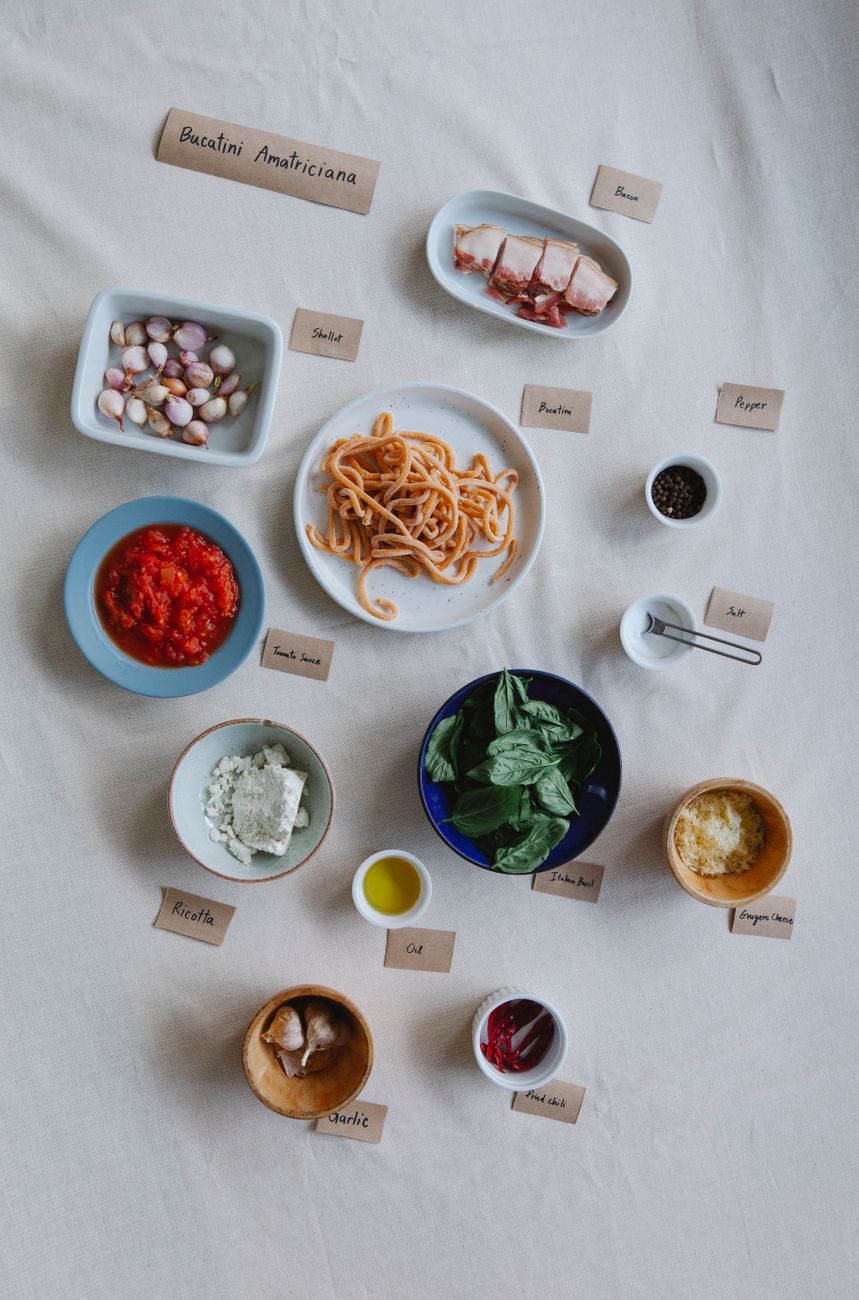
Jun 4, 2026Using Nduja and Calabrian Chiles in Pasta and Pizza
Stir nduja into a sauce or use Calabrian chiles on pasta and pizza, keeping garlic, tomato, cheese, and other flavors in balance.
Comments
Reader discussion is shared across recipes, reviews, and editorial pieces.
Comments are read-only while member sign-in is paused.