science
Berbere in Doro Wat, Kitfo, and Shiro
A look at Ethiopian spice blends through doro wat, kitfo, and shiro, with attention to the ingredients and preparation of each dish.

Share this
Pass it around
Send this page to a friend, copy the link, or save it to a Pinterest board.

Save for later
Pin this page
Save the image with a link back to this recipe, review, or article.
Ethiopian cooking builds heat differently than a lot of other cuisines that lean on straight chili burn. The base of that difference is berbere, a spice blend that layers several ingredients together rather than relying on one dominant chili. Three dishes—doro watt, kitfo, and shiro—show how that blend behaves in different cooking contexts, from a long-simmered stew to a raw preparation to a fermented paste.
Berbere: What's Actually in the Blend
Berbere starts with dried Ethiopian chilies for base heat, then adds a mix of supporting spices. Fenugreek contributes a slightly bitter, maple-like note. Black cardamom adds a smoky, resinous depth. Ajwain (sometimes called Ethiopian bishop's weed) brings a sharp, thyme-like flavor. Garlic, ginger, and a mix of warm spices like clove and cinnamon round out the blend, and the exact ratio varies by household and region.
Berbere is often aged for weeks or months before use. Cooks who do this say the flavor mellows and deepens compared to a freshly ground batch, which tends to taste sharper and more one-note. Fresh berbere is still useful—it's just a different flavor profile than the aged version most restaurants use as their house blend.
Doro Watt: Building Flavor Through the Onions
Doro watt starts with a large quantity of red onions, cooked down slowly until they turn deeply caramelized and jammy. This step takes time, but it's the backbone of the dish: those onions provide sweetness and body that balance the berbere once it's added.
When the berbere goes in, it cooks into the onion base rather than sitting on top of the dish, which is part of why the stew reads as rounded rather than sharp. The hard-boiled eggs added toward the end simmer in the sauce and pick up flavor as they sit, so eggs added earlier in the cooking process tend to taste more infused than ones added later.
Kitfo: Raw Beef and a Fresh Spice Blend
Kitfo is built on raw, finely minced beef, seasoned with a fresh (not aged) berbere blend and warmed niter kibbeh, Ethiopia's spiced clarified butter. Because the dish isn't cooked, the berbere's flavor comes through directly rather than being mellowed by heat, which is why kitfo tends to taste sharper and more immediate than doro watt.
Kitfo is traditionally served with a few accompaniments that aren't just garnish: ayib (a fresh, mild cheese), gomen (collard greens, usually cooked with onion and spice), and injera for scooping. Together these round out the plate and give you something cooling to alternate with the seasoned beef.
Shiro: A Ground Chickpea Base
Shiro is made from ground chickpeas (or a chickpea-lentil blend) cooked into a thick paste with berbere, onion, and garlic. The consistency is deliberately dense—thick enough to cling to injera rather than run off it—which is part of what makes shiro a practical, filling dish for a fasting-friendly meal.
Fermented versions of berbere are sometimes used in shiro, which adds a tangier, more complex background flavor compared to using fresh spice. Leftover shiro is often described as tasting more developed the next day, likely because the spices have more time to meld into the thick base, similar to how many stews taste better as leftovers.
The Common Thread
Across all three dishes, the goal is the same: build heat through a layered spice blend and a supporting ingredient—caramelized onions, niter kibbeh, or a chickpea base—rather than relying on raw chili alone. That's part of what makes Ethiopian cooking distinct from cuisines that measure heat mainly in Scoville units.
Cook with this idea
Recipes to try next.
Put these ingredients and techniques to use in your next meal.

ethiopian · hot
Jun 11, 2026Doro Wat with Extra Berbere Heat
Ethiopia's beloved national chicken stew gets a fiery makeover with fresh scotch bonnet peppers and an extra-generous hand with berbere spice—perfect for the heat seekers at your table. 120 min · 0 saves.

ethiopian · hot
May 31, 2026Shiro Wot with Extra Berbere Heat
A soul-warming Ethiopian chickpea flour stew that brings the heat with homemade berbere and fiery scotch bonnet peppers—comfort food for those who love their meals with serious spice. 65 min · 0 saves.
ethiopian · hot
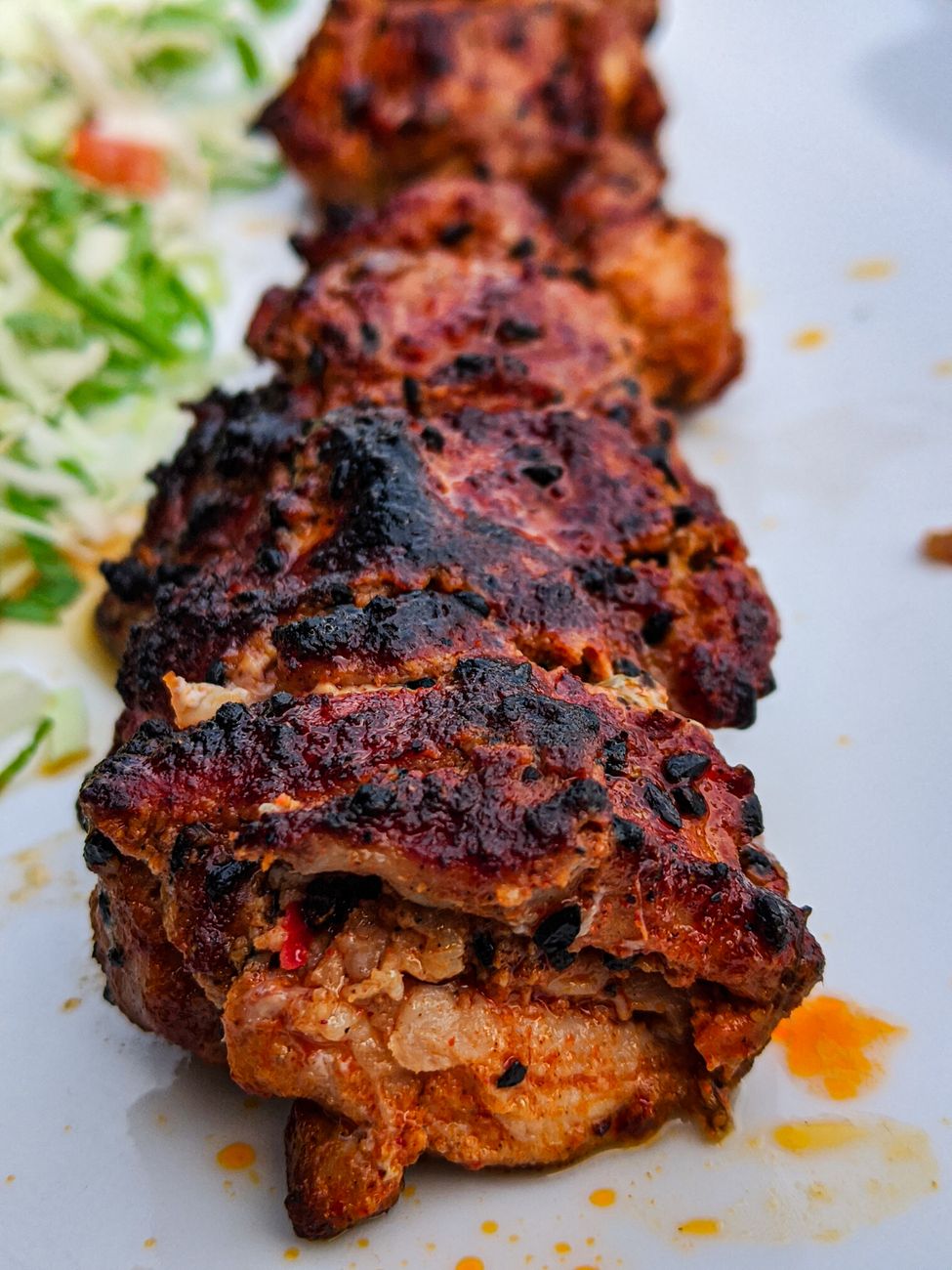
May 25, 2026Berbere-Crusted Grilled Chicken (Doro We't on the Grill)
Ethiopian berbere spice meets grilled chicken in this aromatic dish that brings serious heat through scotch bonnet chiles and warm spices like cardamom and fenugreek. 95 min · 0 saves.
Bottle picks
Related hot sauce reviews.
Explore sauces with related ingredients, flavors, and heat levels.
Yellowbird Habanero Hot Sauce Review
A bright, carrot-forward bottle with enough heat to stay lively and enough sweetness to stay versatile.
Best for tacos
Best for: Tacos and rice bowls
Skip if: Skip if you want a classic vinegar-forward table sauce with almost no sweetness.
Read review
Fly By Jing Sichuan Gold Review
A citrusy, tingly sauce with real peppercorn presence and enough versatility to move beyond dumplings.
Best for dumplings
Best for: Eggs and breakfast tacos
Skip if: Skip if you want a thick, smoky wing sauce more than a bright finishing bottle.
Read review
Heatonist Los Calientes Rojo Review
Heatonist Los Calientes Rojo: flavor notes, heat level, and suggested food pairings.
Best for tacos
Best for: Tacos and rice bowls
Skip if: Skip if you are chasing a novelty-level heat hit or a super-special-occasion bottle.
Read review
Go deeper
Background guides that build on this.
Keep reading
More on this subject.
If this post helped, these are the next pieces most likely to keep the thread going.
science
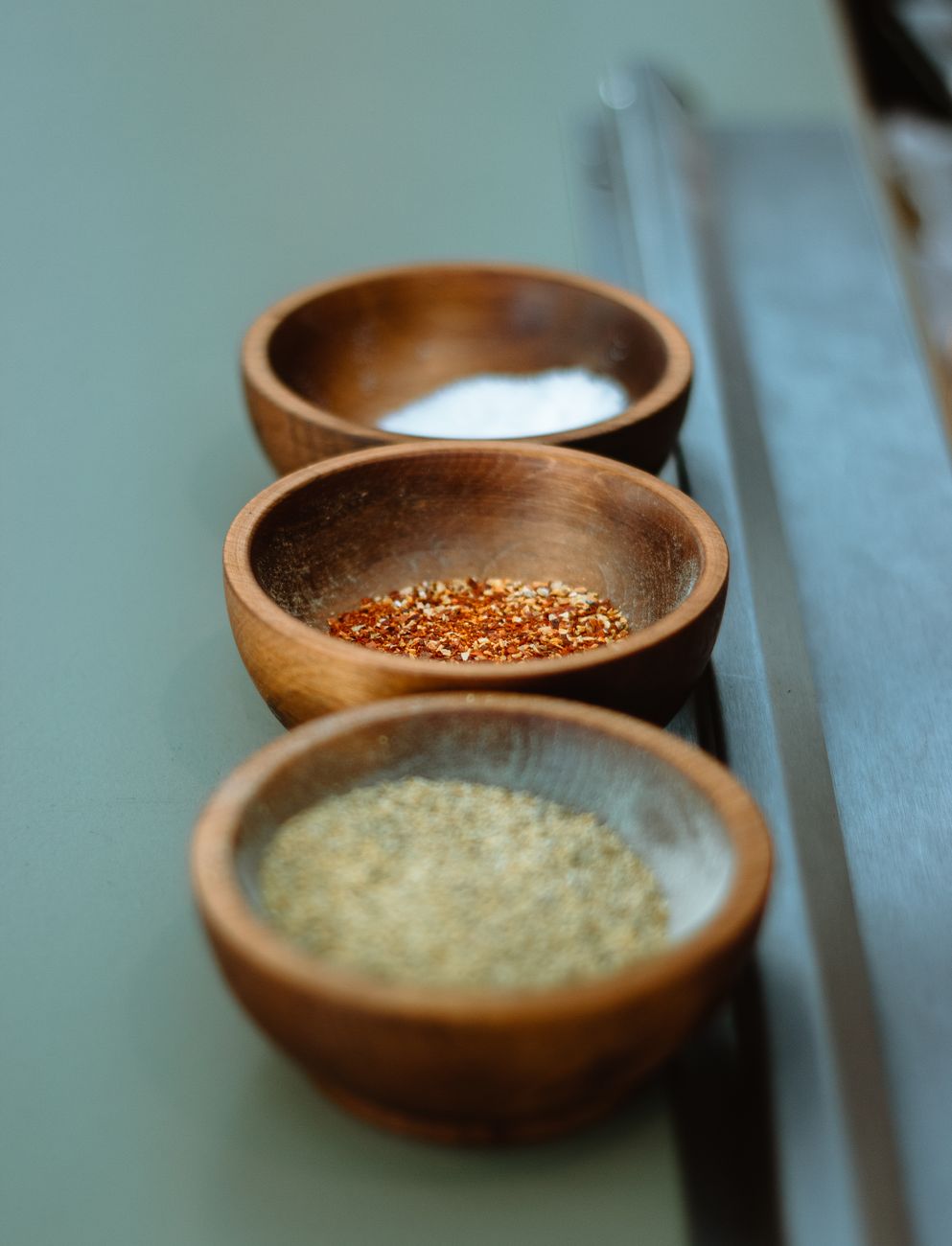
Apr 28, 2026Berbere, Mitmita, and Awaze: Ethiopian Spice Blends
A practical introduction to berbere, mitmita, and awaze: their ingredients, differences, and uses in Ethiopian cooking.
science
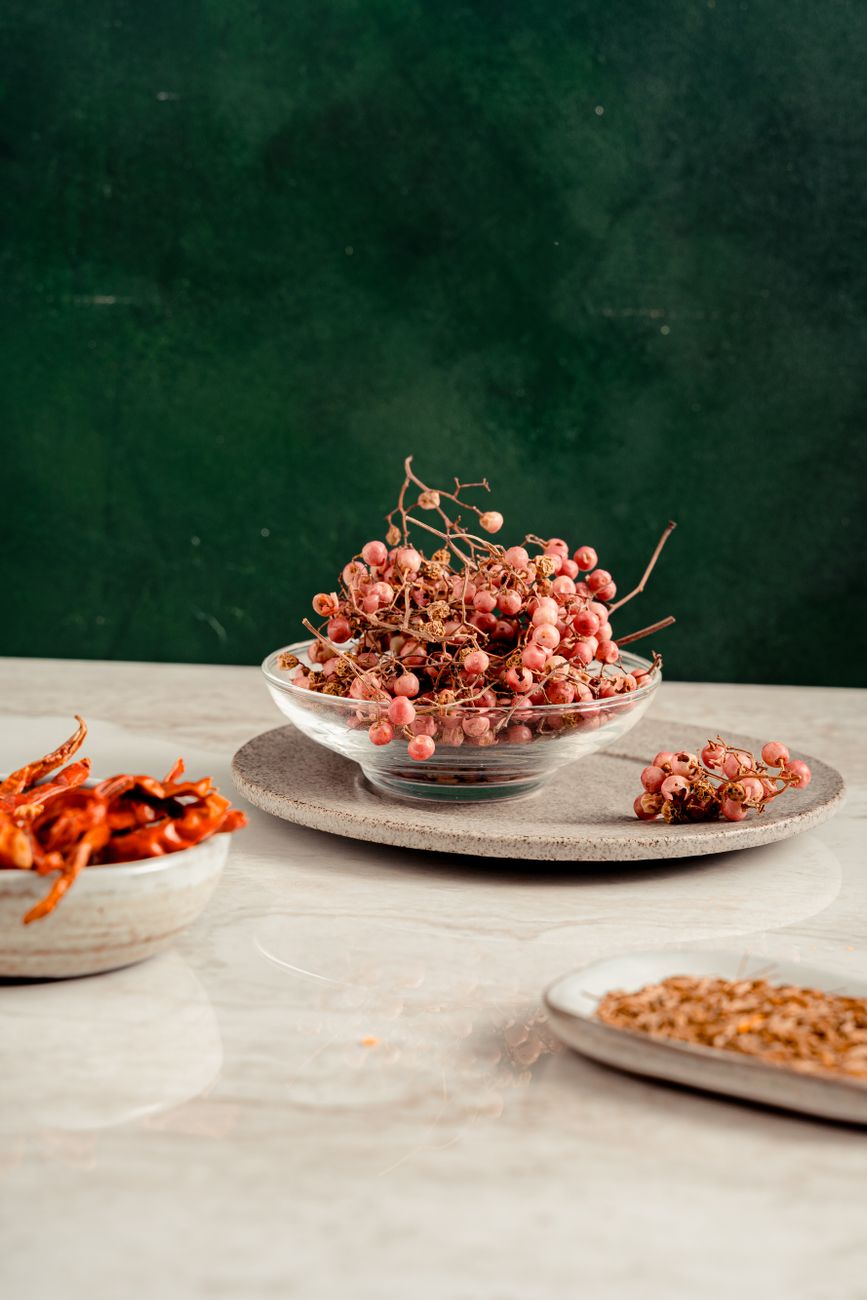
Oct 10, 2026Why Chili Oil and Numbing Heat Drive the Spiciest Chinese Dishes Right Now
Two kinds of heat drive the spicy Chinese dishes worth craving: the numbing tingle of Sichuan peppercorn and the slow burn of infused chili oil. Learn how they work together, which dried chilies matter, and how to build layered heat that enhances flavor instead of flattening it.

science
Jun 14, 2026Filipino Cooking with Chili, Vinegar, and Coconut Milk
Explore the use of chili, vinegar, coconut milk, and fermented ingredients in Filipino dishes such as Bicol express and laing.
Comments
Reader discussion is shared across recipes, reviews, and editorial pieces.
Comments are read-only while member sign-in is paused.