
culture
Beyond Doro Wat: The Ethiopian Spice Revolution Taking Over American Tables
From berbere-spiked kitfo to mitmita-crusted tibs, Ethiopian cuisine's most exciting spicy dishes are finding their way into home kitchens and neighborhood restaurants across America—and your dinner table will never be the same.

Share this
Pass it around
Send this page to a friend, copy the link, or save it to a Pinterest board.

Save for later
Pin this page
Save the image with a link back to this recipe, review, or article.
Ethiopian cuisine has always been about heat, but not the kind that punishes your palate. The spice blends that define this ancient food culture create layers of warmth that build slowly, drawing you back for another bite of injera bread, another spoonful of stew. While doro wat remains the gateway dish for many Americans discovering Ethiopian food, there's a whole constellation of fiery preparations that deserve a place at your table.
The Berbere Renaissance
Berbere, Ethiopia's signature spice blend, contains anywhere from 10 to 20 ingredients depending on the cook's family recipe. The backbone typically includes dried chilies, fenugreek, coriander, and cardamom, but each household guards its own proportions. What makes berbere so captivating is how it creates heat that unfolds rather than attacks—like a good conversation that reveals itself slowly.
Shiro, a ground chickpea stew seasoned heavily with berbere, represents one of the most soul-satisfying ways to experience this spice blend's complexity. The dish starts mild and earthy, then builds to a persistent warmth that never bullies the nutty chickpea base. This isn't the kind of aggressive heat that leaves you reaching for milk—it's the kind that makes you want to linger over the meal.
Kitfo, often called Ethiopian steak tartare, showcases berbere in an entirely different light. The raw beef gets mixed with clarified butter infused with berbere, creating a dish that delivers immediate warmth followed by the spice blend's deeper, more mysterious flavors. The key lies in the quality of both the meat and the berbere—there's simply nowhere for second-rate ingredients to hide.
Mitmita: The Unsung Fire Builder
While berbere gets most of the love, mitmita deserves recognition as Ethiopian cuisine's secret weapon for serious heat seekers. This blend relies heavily on bird's eye chilies, giving it a sharper, more immediate bite than its famous cousin. Cardamom, cloves, and salt round out the mixture, but those chilies are definitely running the show.
Mitmita has this remarkable ability to transform simple preparations into something memorable. Sprinkled over hard-boiled eggs, it creates a breakfast that genuinely wakes up your entire system. Mixed into clarified butter and tossed with cubed beef for tibs, it produces a dish that satisfies both heat lovers and those who prefer their spice with some restraint—the meat and fat temper mitmita's intensity just enough.
The spice blend also appears in gored gored, a dish of cubed raw beef that pushes well beyond what many Americans consider dinner-table territory. The mitmita here serves double duty: providing antimicrobial properties that help preserve the raw meat, while delivering heat that commands serious respect.
Regional Variations Worth Seeking Out
Ethiopian cuisine varies dramatically by region, and these differences shine brightest in how different areas approach heat and spice. Northern Ethiopian dishes tend toward more complex spice blends with thoughtful heat, while southern preparations often feature simpler combinations with more assertive fire.
Regional specialties that deserve your attention:
• Awaze tibs - Beef sautéed with awaze paste, a berbere-based condiment sweetened with honey for perfect balance • Zilzil tibs - Strips of beef cooked with jalapeños and berbere, creating heat that actually welcomes you in • Dulet - Organ meat preparation with generous mitmita, definitely not for the faint of heart • Gomen besiga - Collard greens with beef and berbere, proving vegetables can absolutely carry serious spice
Awaze deserves special mention for its versatility. This paste combines berbere with honey wine (tej) or regular honey, creating a condiment that somehow manages to be both hot sauce and barbecue glaze. It works beautifully as a dip for injera or as a marinade that transforms ordinary grilled meats into something worth talking about.
Making Ethiopian Heat Work at Home
The biggest mistake home cooks make when attempting Ethiopian dishes is treating berbere and mitmita like ordinary chili powder. These spice blends need time and fat to bloom properly. Ethiopian cooking relies heavily on clarified butter (niter kibbeh) and oil to carry spice flavors, and rushing this process gives you flat, disappointing heat instead of the complex warmth you're after.
When making Ethiopian-inspired dishes at home, start by heating your cooking fat slowly and adding spices gradually. The berbere should sizzle gently, releasing its aroma without burning. This process takes several minutes but makes all the difference between authentic Ethiopian flavors and sad approximations that leave everyone wondering what the fuss was about.
Ingredient quality matters enormously with Ethiopian spicing. Pre-ground berbere from grocery stores often lacks the complexity of freshly ground blends, though several online retailers now offer high-quality versions made in small batches. If you can find a local Ethiopian restaurant or market, they often sell house-made spice blends that completely outshine anything available in mainstream stores.
The communal aspect of Ethiopian dining also affects how these spicy dishes work their magic. When you're sharing multiple preparations from a single platter, the heat from berbere-heavy dishes gets naturally balanced by milder options. This built-in modulation allows for more aggressive spicing than you might dare attempt with a single-dish meal.
The Future of Ethiopian Spice in America
Ethiopian restaurants continue expanding beyond traditional Ethiopian neighborhoods, bringing these complex spice preparations to curious new audiences. Young Ethiopian-American chefs are also beginning to experiment with traditional spice blends in contemporary contexts, creating fusion dishes that honor the integrity of berbere and mitmita while speaking to broader American tastes.
This evolution benefits everyone interested in thoughtful heat. Ethiopian spicing proves that memorable spicy food doesn't require extreme capsaicin levels or novelty peppers. Instead, it relies on balance, tradition, and the understanding that the best heat serves the dish rather than showing off. As these flavors become more accessible, they're quietly changing how Americans think about what spicy food can accomplish—and that's a revolution worth joining.
Cook with this idea
Recipes to try next.
Put these ingredients and techniques to use in your next meal.

ethiopian · medium
Oct 7, 2026Tibs Misir Wot with Shrimp
Red lentil sauce infused with berbere spice, tomato and ginger, with shrimp folded in just before serving. A weeknight version of Ethiopian spiced seafood. 35 min · 0 saves.

ethiopian · medium
Apr 8, 2026Doro Wot (Ethiopian Chicken Stew)
Ethiopia's national dish featuring tender chicken simmered in a complex berbere-spiced sauce with hard-boiled eggs. This aromatic stew delivers medium heat through the traditional berbere spice blend, creating layers of warmth that build with each bite. 120 min · 0 saves.
ethiopian · medium
Mar 20, 2026Berbere Roasted Cauliflower
A sheet-pan side with smoky berbere warmth, crisp edges, and a cooling lemon yogurt finish. 45 min · 119 saves.
Bottle picks
Related hot sauce reviews.
Explore sauces with related ingredients, flavors, and heat levels.
Fly By Jing Sichuan Gold Review
A citrusy, tingly sauce with real peppercorn presence and enough versatility to move beyond dumplings.
Best for dumplings
Best for: Eggs and breakfast tacos
Skip if: Skip if you want a thick, smoky wing sauce more than a bright finishing bottle.
Read review
Mike's Hot Honey Review
Sweet heat done right: sticky, quick, and versatile enough to become a finishing move instead of a novelty.
Best for gifting
Best for: Pizza and fried chicken
Skip if: Skip if you want a classic vinegar-forward table sauce with almost no sweetness.
Read review
Heatonist Los Calientes Rojo Review
Heatonist Los Calientes Rojo: flavor notes, heat level, and suggested food pairings.
Best for tacos
Best for: Tacos and rice bowls
Skip if: Skip if you are chasing a novelty-level heat hit or a super-special-occasion bottle.
Read review
Go deeper
Background guides that build on this.
Keep reading
More on this subject.
If this post helped, these are the next pieces most likely to keep the thread going.
culture
Apr 10, 2026Why Ethiopian Spice Blends Are Having Their Moment Right Now
Ethiopian cooks know something about heat that the rest of us are just catching on to: the best spice blends don't just burn, they tell a story. From berbere's wine-dark complexity to mitmita's bright fire, these blends layer warmth with depth in ways that will change how you think about spicy food.

culture
Jun 15, 2026Four Middle Eastern Heat Styles That Should Be on Your Radar Right Now
From harissa's patient burn to zhug's bright herb-fire, these Middle Eastern heat styles teach us that the best spicy food builds complexity alongside warmth—and they'll change how your family thinks about heat.
culture
Jun 13, 2026Boudin, Crawfish Boils, and Cajun-Inspired Dishes
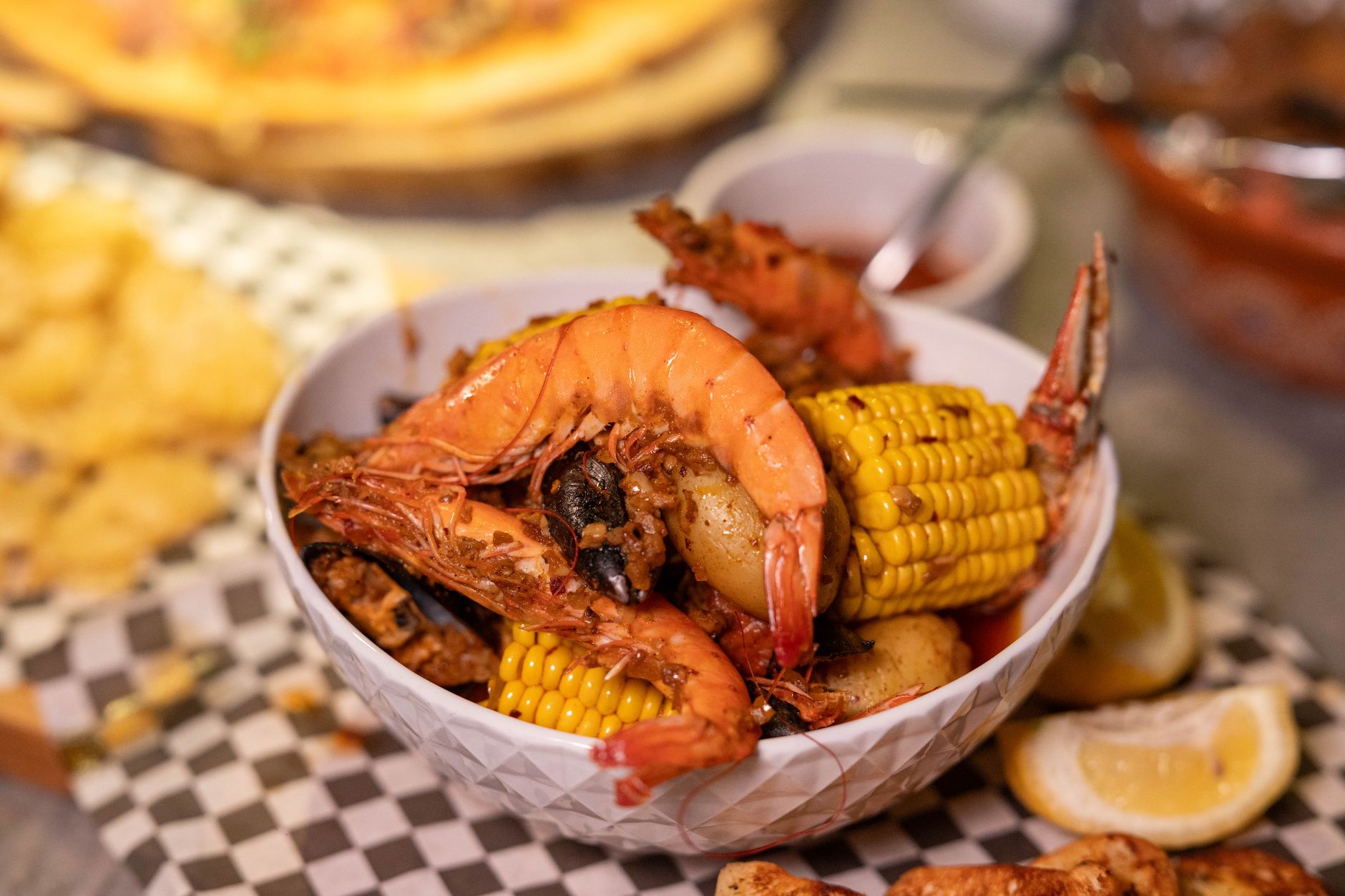
Boudin, crawfish boils, and Cajun-inspired dishes offer different textures and seasoning choices, from rice sausage to spiced seafood.
Comments
Reader discussion is shared across recipes, reviews, and editorial pieces.
Comments are read-only while member sign-in is paused.