culture
A Guide to Sichuan, Hunan, and Regional Chinese Spicy Dishes
From Sichuan peppercorns to Hunan chilies, explore regional Chinese dishes and the seasonings that give each its character.

Share this
Pass it around
Send this page to a friend, copy the link, or save it to a Pinterest board.

Save for later
Pin this page
Save the image with a link back to this recipe, review, or article.
Regional Chinese dishes built around serious, layered heat have moved well beyond takeout staples like General Tso's chicken, showing up on more American dinner tables and restaurant menus. These dishes carry long regional histories, and each one treats heat as one part of a larger flavor structure rather than the whole point.
Sichuan's Mala Heat Goes Mainstream
Sichuan peppercorns produce a numbing, tingling sensation that's distinct from straightforward chili heat. Combined with chili in what's called mala ("numb-spicy"), this combination has become a common entry point for American cooks looking to move past basic chili heat.
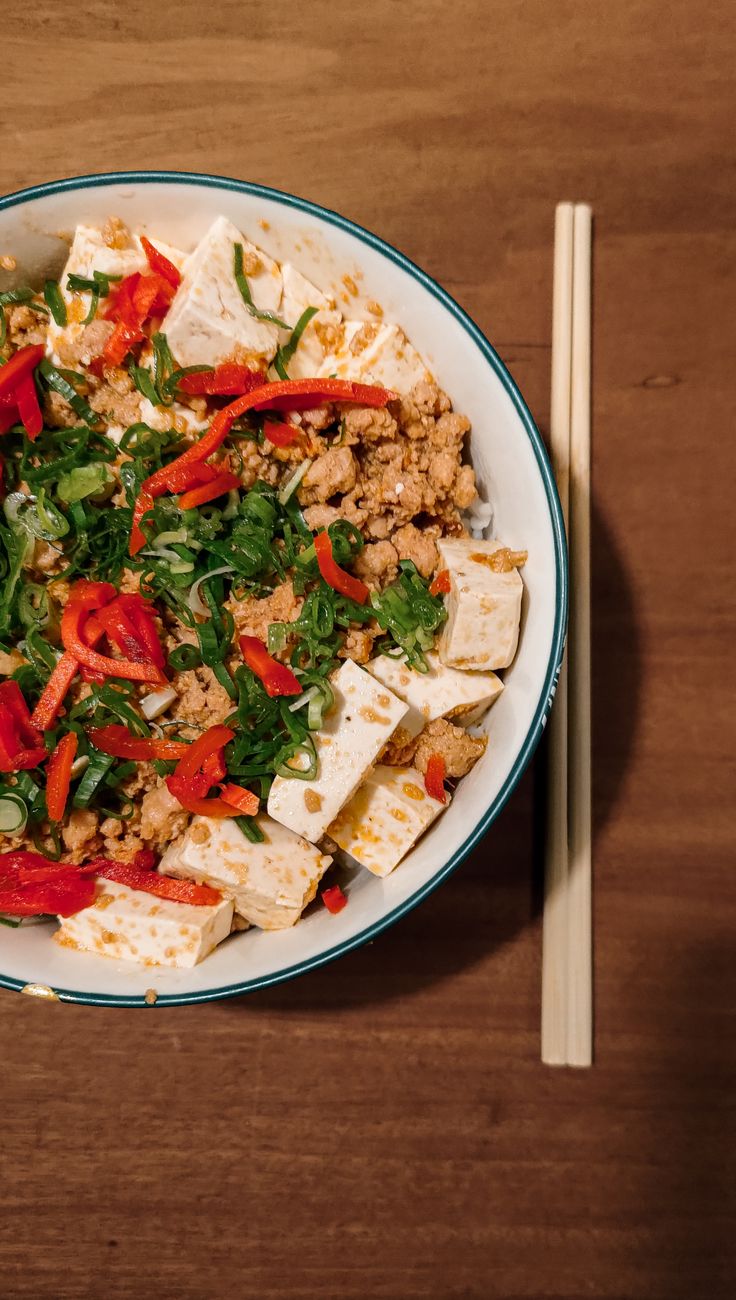
Mapo tofu is one of the best-known dishes built on this combination. Silky tofu and ground pork sit in a brick-red sauce made with fermented black beans, chili oil, and Sichuan peppercorns. The fermented bean paste gives the sauce a deep, savory base, while the peppercorns add their characteristic tingle alongside the chili heat.
Dan dan noodles have shown up on food trucks and in restaurants well outside Sichuan. The traditional version is straightforward: thin wheat noodles tossed with sesame paste, soy sauce, and chili oil, then topped with preserved vegetables and ground pork. The nutty sesame paste and salty, savory elements balance the chili oil and peppercorn heat rather than being overwhelmed by it.
Hot pot has also expanded from restaurants into home kitchens, often using split pots so a Sichuan-style mala broth can simmer on one side while a milder broth cooks on the other. This setup lets people at the same table choose their own heat level while sharing the meal.
Hunan's Direct Heat
Where Sichuan cooking layers numbing and spicy sensations, Hunan cuisine tends to deliver more straightforward chili heat, without the peppercorn tingle.
Chairman Mao's red-braised pork is pork belly braised until tender in a sauce built from dried chilies, fresh peppers, soy sauce, rock sugar, and Shaoxing wine. The chili heat is present throughout the dish rather than arriving as an afterthought.
Hunan fish head with chopped peppers is built around fresh red chilies, pickled peppers, and fermented black beans, all steamed together with the fish. It's one of the more intensely spicy preparations in the cuisine, and it doesn't try to soften that heat.
Dry-fried green beans show a different technique: the beans are cooked in very hot oil until their skins blister and wrinkle, then tossed with ground pork, preserved vegetables, and dried chilies. The blistering concentrates the beans' flavor and gives the dish a textural contrast alongside the heat.
Regional Dishes Worth Seeking Out
Beyond Sichuan and Hunan, several other regional Chinese dishes bring their own approach to heat.
Chongqing chicken, sometimes called lazizi, buries small pieces of fried chicken in a large volume of dried chilies and Sichuan peppercorns. Eating it means picking through the chilies to find the chicken, and the dish delivers heat from both the peppercorns and the sheer quantity of dried chilies involved.
Xinjiang-style lamb skewers use a different route to heat: a cumin and chili flake spice blend applied to lamb grilled over direct coals. The result leans toward warmth and char rather than the more intense heat found in Sichuan or Hunan dishes.
Guizhou's sour fish hot pot relies on pickled chilies and fermented vegetables, which add acidity alongside chili heat. That sourness can make the spice easier to sit with over a longer meal, since it cuts through richer ingredients in the pot.
What These Dishes Have in Common
These regional Chinese dishes share a few structural traits that set them apart from dishes built around a single type of heat:
- Layered heat sources: Multiple types of chilies, peppercorns, and spice pastes combine so the heat isn't uniform from bite to bite
- Fermented depth: Pickled vegetables, fermented bean pastes, and aged sauces add savory complexity underneath the chili heat
- Textural variety: Crispy, silky, and varied vegetable textures give the dish more going on than heat alone
- Regional roots: These dishes come from specific culinary traditions in Sichuan, Hunan, Xinjiang, and Guizhou, distinct from the Chinese-American dishes more familiar on U.S. takeout menus
Because the heat in these dishes changes and layers as you eat, they also work well for sharing: people with different spice tolerances can adjust their own portions—adding more chili oil, going light on the dried chilies, or sticking to the milder side of a split hot pot—while eating from the same dishes.
Making Room at Your Own Table
You don't need to seek out the highest heat level to get a sense of what makes these dishes work. A milder version of mapo tofu still shows the interplay between Sichuan peppercorns and fermented black beans. Hunan-style dishes made with fewer dried chilies still carry the technique—braising, blistering, steaming—that defines the cuisine, just with less burn.
These are established regional cuisines with long histories in their home provinces, now reaching wider audiences in the U.S. as ingredients like Sichuan peppercorns, fermented black beans, and chili oil become easier to find in American grocery stores.
Cook with this idea
Recipes to try next.
Put these ingredients and techniques to use in your next meal.
chinese · hot
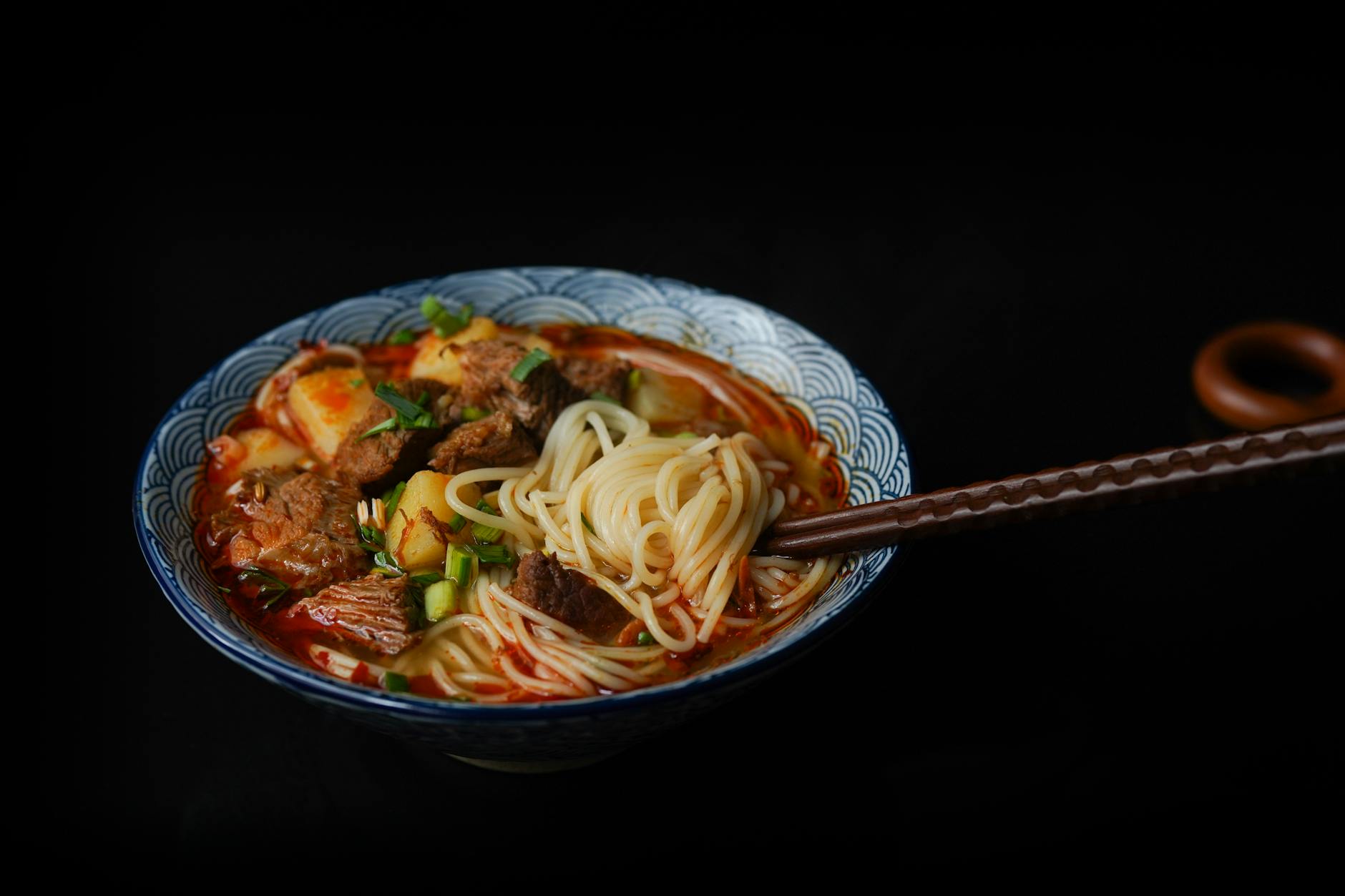
May 18, 2026Sichuan Hot Pot Beef Stew with Mala Oil
A soul-warming Chinese stew that brings the electric heat and numbing spice of Sichuan hot pot to your home kitchen, with tender beef braised in a complex sauce built on Sichuan peppercorns, dried chilies, and fermented bean paste. 140 min · 0 saves.
chinese · medium
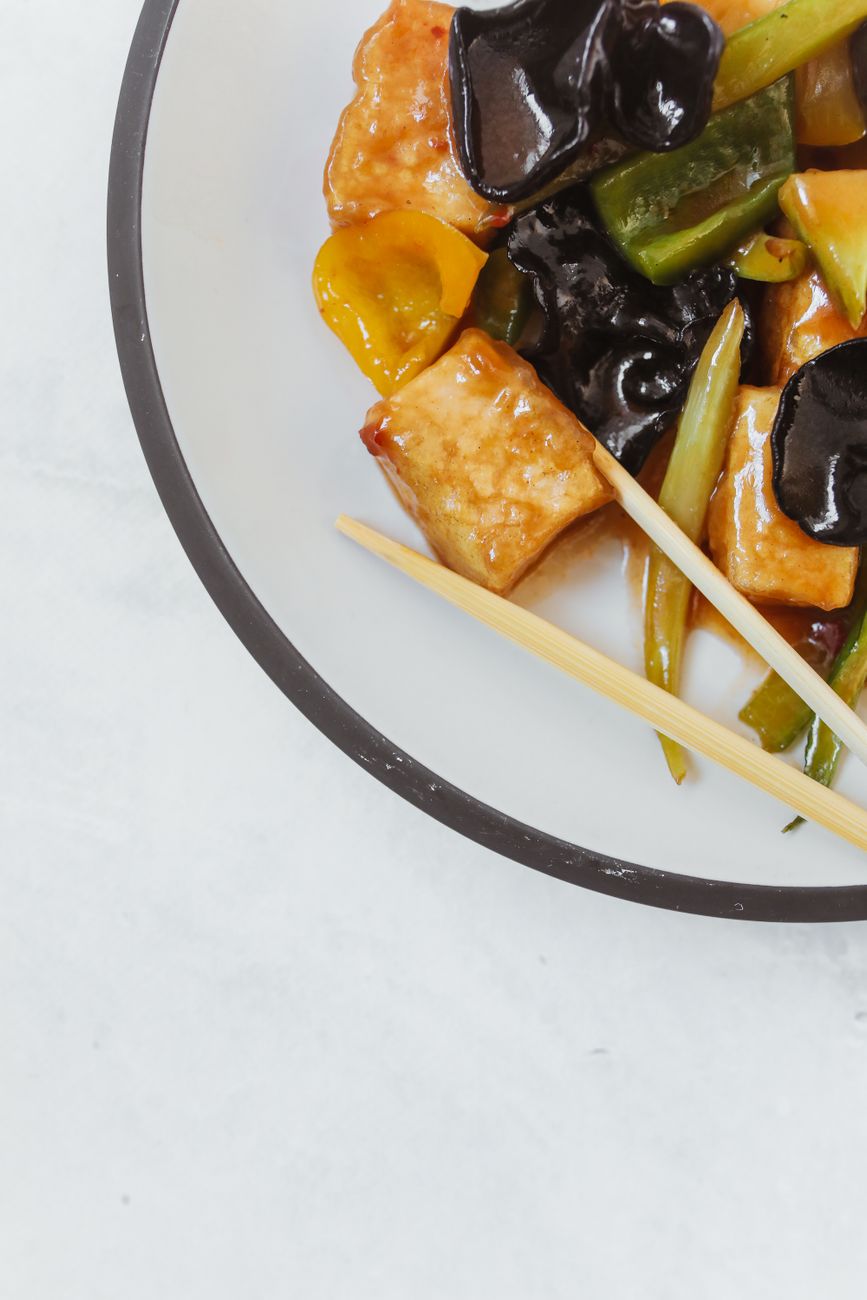
May 28, 2026Sichuan Mapo Tofu with Mushrooms
Silky tofu and meaty mushrooms braised in a numbing, aromatic sauce built on doubanjiang and Sichuan peppercorns 27 min · 0 saves.
chinese · medium
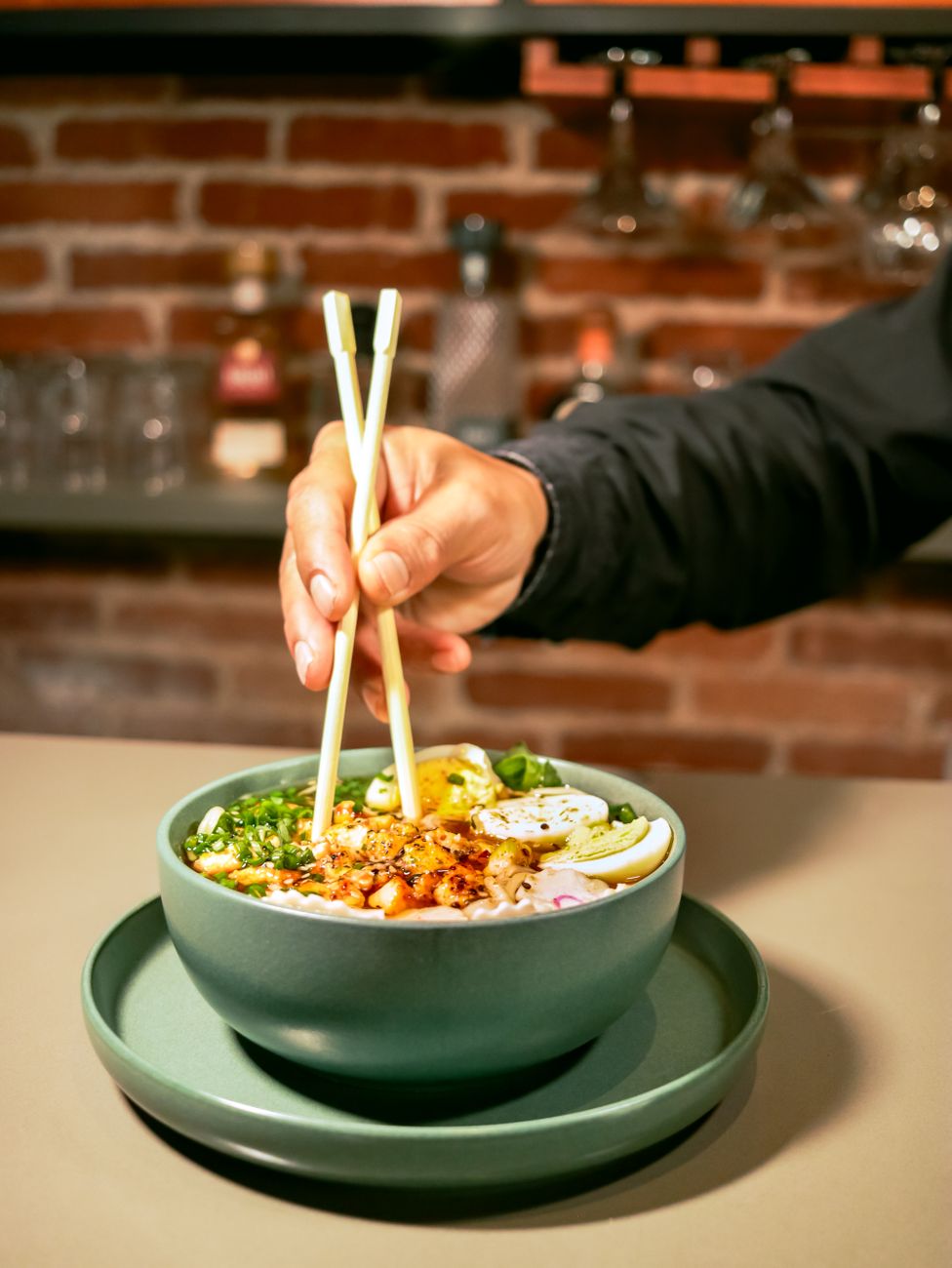
May 14, 2026Dan Dan Noodles with Sichuan Peppercorns
Silky wheat noodles bathed in a rich sesame and chili oil sauce, crowned with savory ground pork and tangy pickled mustard greens—this is the kind of Sichuan comfort food that keeps you coming back for more. 35 min · 0 saves.
Bottle picks
Related hot sauce reviews.
Explore sauces with related ingredients, flavors, and heat levels.
Fuego Box Monthly Subscription Review
A reliable discovery box for people who want more than supermarket sauces without going full novelty heat gimmick.
Best for gifting
Best for: Sauce subscription
Skip if: Skip if you need one exact everyday bottle instead of a discovery-style gift.
Read review
Queen Majesty Scotch Bonnet and Ginger Review
A bright, elegant sauce that leans on fruit, ginger, and Scotch bonnet lift instead of brute force.
Best for seafood
Best for: Seafood and fish tacos
Skip if: Skip if you want a thick, smoky wing sauce more than a bright finishing bottle.
Read review
Fly By Jing Sichuan Gold Review
A citrusy, tingly sauce with real peppercorn presence and enough versatility to move beyond dumplings.
Best for dumplings
Best for: Eggs and breakfast tacos
Skip if: Skip if you want a thick, smoky wing sauce more than a bright finishing bottle.
Read review
Go deeper
Background guides that build on this.
Keep reading
More on this subject.
If this post helped, these are the next pieces most likely to keep the thread going.
culture
May 18, 2026Five Sichuan Seasoning Styles: Mala to Dan Dan Noodles
A guide to Sichuan mala, dry-frying, fish-fragrant seasoning, strange-flavor sauce, and the chili-oil dressing in dan dan noodles.
culture
May 23, 2026The New Chinese Spice Wave: How Mala and Beyond Are Reshaping Heat Culture
From Sichuan's tongue-numbing mala to Hunan's clean-burning dry pots, Chinese regional spice traditions offer lessons that will transform how you think about cooking with heat. Here's what your kitchen needs to know.
culture
Oct 18, 2026Spicy Jamaican Dishes That Define Heat and Flavor Right Now
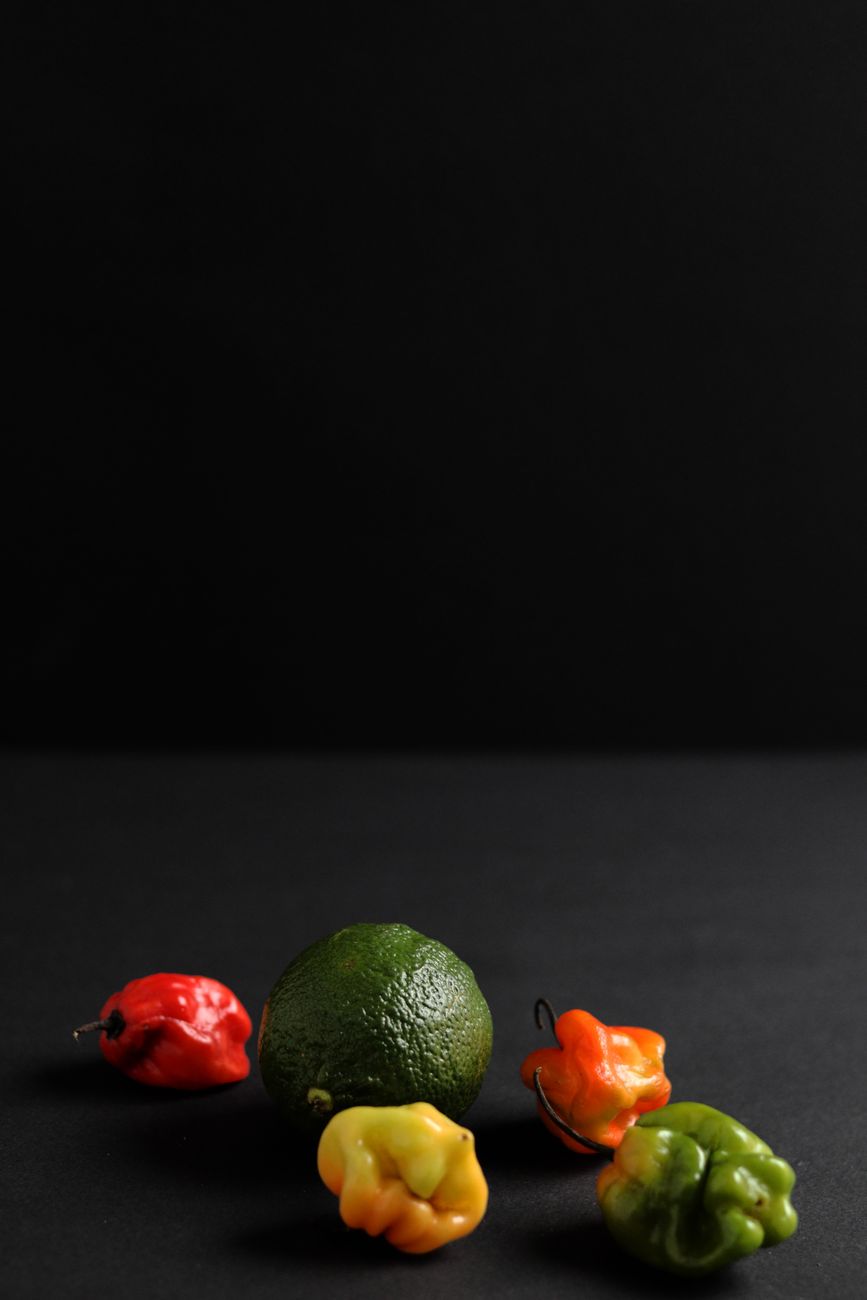
Jamaican cooking builds heat intentionally, not as theater. Scotch bonnets anchor the tradition—fruity, complex peppers that shape everything from jerk seasoning to table sauces. Learn how to choose them, use them, and understand why this approach to spice has stayed central to the cuisine.
Comments
Reader discussion is shared across recipes, reviews, and editorial pieces.
Comments are read-only while member sign-in is paused.